
ADDREAL B974 (Teva Generic 30mg): Mixed Amphetamine Salts Pharmacokinetics, Dissolution Profiles, DAT/NET Inhibition & ADHD Wakefulness Protocols

ADDREAL B974 (Teva Generic 30mg): Mixed Amphetamine Salts Pharmacokinetics, Dissolution Profiles, DAT/NET Inhibition & ADHD Wakefulness Protocols
An authoritative, doctoral-level clinical pharmacotherapy monograph evaluating Teva Pharmaceutical’s generic mixed amphetamine salts 30mg immediate-release tablet (imprint “b 974”): 3:1 dextroamphetamine to levoamphetamine stereoisomer ratios, presynaptic vesicular monoamine transporter 2 (VMAT2) reversal, dopamine and norepinephrine transporter (DAT/NET) inhibition kinetics, USP <711> in vitro dissolution specifications, urinary pH-dependent renal clearance, cardiovascular hemodynamic stratification, clinical titration algorithms, counterfeit forensic verification, and DEA Schedule II domestic pharmacy dispensing standards.
Target Formulary: ADDREAL B974 (Teva Generic 30mg) & Modafinil 200mg Provigil Lineage
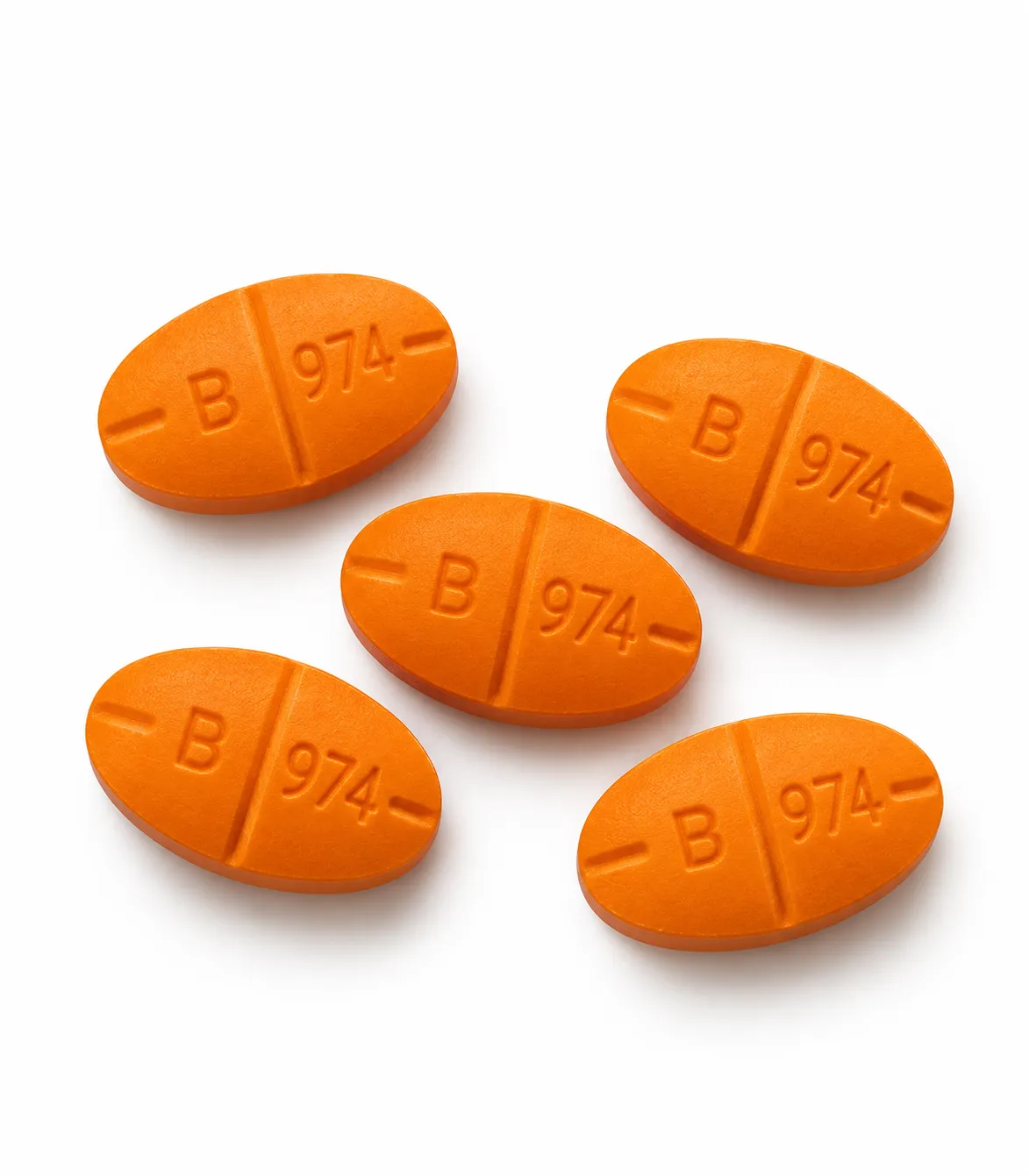
What is the orange oval pill debossed with B 974 and 3 0?
The orange, oval, scored tablet debossed with ‘b 974’ on one face and ‘3 | 0’ on the reverse is authentic Generic Adderall 30mg (mixed amphetamine salts), manufactured by Teva Pharmaceuticals. It contains dextroamphetamine saccharate, amphetamine aspartate, dextroamphetamine sulfate, and amphetamine sulfate in a 3:1 d-to-l enantiomer ratio.
📋 EXECUTIVE CLINICAL TAKEAWAYS & PRACTICE POINTS
- The 3:1 Stereoisomer Architecture: Teva generic mixed amphetamine salts (imprint “b 974”, 30mg) contains a fixed 3:1 stoichiometric ratio of dextro- to levo-amphetamine stereoisomers formulated across four neutral and acidic salts. The d-enantiomer exhibits 3- to 4-fold greater potency at central dopamine transporters (DAT) in the prefrontal cortex and striatum, driving executive focus and motivation, whereas the l-enantiomer exhibits heightened affinity for peripheral norepinephrine transporters (NET), providing prolonged vigilance, wakefulness, and cardiovascular tone.
- Presynaptic Transporter Reversal via TAAR1 & VMAT2: Unlike classical monoamine reuptake blockers (such as methylphenidate or bupropion) which merely block DAT/NET pores, amphetamine acts as a transporter substrate. Upon entering presynaptic terminals, it activates Trace Amine-Associated Receptor 1 (TAAR1) and collapses vesicular pH gradients via Vesicular Monoamine Transporter 2 (VMAT2) reversal. This forces massive non-exocytotic reverse efflux of dopamine and norepinephrine directly through the transporters into the synaptic cleft, delivering unparalleled synaptic tone.
- USP <711> Bioequivalence & In Vitro Dissolution Profile: Teva Pharmaceutical’s orange round biconvex 30mg tablet (debossed with lowercase “b” and “9 7 4”) demonstrates rapid in vitro dissolution under USP <711> specifications, achieving >85% active pharmaceutical ingredient (API) release within 15 minutes in simulated gastric fluid (0.1 N HCl, pH 1.2). Pharmacokinetic parameters (Cmax of ~65-75 ng/mL at Tmax of 2.5-3.0 hours) are clinically bioequivalent to brand-name Shire Adderall IR.
- Extreme Urinary pH-Dependent Elimination: Amphetamine is a lipophilic weak base with a pKa of 9.9. In acidic urine (pH < 5.5), tubular reabsorption is prevented by ion trapping, yielding an elimination half-life of 7 to 8 hours and 60% unchanged renal excretion. Conversely, in alkaline urine (pH > 7.5, induced by sodium bicarbonate, antacids, or vegetarian diets), tubular reabsorption surges, prolonging the terminal elimination half-life up to 28 to 34 hours and increasing toxicity risks.
- Cardiovascular Safety & Baseline Stratification: Therapeutic doses of 30mg mixed amphetamine salts produce predictable sympathomimetic hemodynamic increases: mean resting heart rate elevates by +3 to +6 bpm and systolic/diastolic blood pressure increases by +2 to +4 mmHg. While benign in normotensive patients, baseline 12-lead electrocardiograms (ECGs) and cardiovascular screening are mandatory to exclude underlying hypertrophic cardiomyopathy, Wolff-Parkinson-White syndrome, or hemodynamically significant valvular disease.
- Tolerance Mitigation & Circadian Gating Protocols: Daily continuous high-dose administration precipitates rapid tachyphylaxis through down-regulation and internalization of post-synaptic D1 and D2 receptors. Clinical practice mandates strict circadian curfew dosing (no doses administered past 14:00) to protect Stage 3 non-REM restorative slow-wave sleep and REM phases, coupled with structured 48-hour “drug holidays” on non-demanding weekends to preserve long-term receptor sensitivity.
- Forensic Blister Authentication vs. Counterfeit Crisis: The national Adderall shortage has precipitated a severe proliferation of lethal counterfeit pressed pills in the illicit supply chain containing illicit methamphetamine, synthetic cathinones, or fentanyl. Genuine Teva B974 tablets possess precise physical, debossing, and friability specifications verified through high-performance liquid chromatography (HPLC ≥ 99.8% purity assay) within licensed domestic pharmacy distribution systems.
What Is the Orange Oval Pill Imprinted with B 974 3 0?
The orange oval tablet scored and imprinted with “B 974” on one side and “3 0” on the reverse is Teva Pharmaceuticals’ generic mixed amphetamine salts 30mg (dextroamphetamine saccharate, amphetamine aspartate, dextroamphetamine sulfate, and amphetamine sulfate in a 3:1 d-to-l enantiomer ratio) prescribed for ADHD and narcolepsy.
01. Molecular Chemistry & Stereoisomer Stoichiometry: The 3:1 D- to L-Amphetamine Architecture
Amphetamine (α-methylphenethylamine) is a chiral synthetic phenethylamine derivative possessing a single asymmetric stereocenter at its α-carbon atom. This stereocenter gives rise to two optical enantiomers: dextroamphetamine (d-amphetamine or S-(+)-amphetamine) and levoamphetamine (l-amphetamine or R-(-)-amphetamine). While many conventional generic formulations utilize simple racemic mixtures (a 1:1 ratio of d- to l-isomers, as found in historical Benzedrine), Teva generic mixed amphetamine salts (imprint “b 974”, 30mg) strictly mirrors the patented stoichiometry developed for Adderall®, composed of a specific 3:1 ratio of dextro- to levo-amphetamine base equivalents.
To achieve physical stability, rapid gastrointestinal dissolution, and precise bioequivalence across diverse metabolic phenotypes, Teva’s 30mg tablet does not contain free amphetamine base. Instead, the 30mg aggregate tablet mass is divided equally into four discrete pharmaceutical salts, each comprising 7.5 mg (25% by mass of the total active mixture):
| PHARMACEUTICAL SALT COMPONENT | SALT MASS PER 30MG TABLET | ENANTIOMERIC COMPOSITION | NET AMPHETAMINE BASE EQUIVALENT |
|---|---|---|---|
| Dextroamphetamine Saccharate | 7.50 mg | 100% d-amphetamine | 4.22 mg d-base |
| Amphetamine Aspartate Monohydrate | 7.50 mg | 50% d- / 50% l-amphetamine | 1.88 mg d-base + 1.88 mg l-base |
| Dextroamphetamine Sulfate USP | 7.50 mg | 100% d-amphetamine | 5.46 mg d-base |
| Amphetamine Sulfate USP | 7.50 mg | 50% d- / 50% l-amphetamine | 2.73 mg d-base + 2.73 mg l-base |
| TOTAL COMBINED ACTIVE FRACTION | 30.00 mg Mixed Salts | Exact 3:1 (75% d- / 25% l-) | 18.75 mg Pure Amphetamine Base (14.06 mg d-base + 4.69 mg l-base) |
The pharmacological rationale for formulating four distinct counter-ion salts rather than a single pure sulfate salt lies in differential in vivo solubility constants and ionic dissociation kinetics. Dextroamphetamine saccharate and amphetamine aspartate monohydrate possess organic carboxylate counter-ions with slower aqueous dissolution curves compared to the highly soluble, rapidly ionizing sulfate salts. This multi-salt matrix smoothes out initial gastric absorption, moderates peak plasma spikes (blunting the sharp subjective “rush”), and yields an extended, reliable immediate-release therapeutic plateau lasting 4 to 6 hours.
02. Neurochemical Mechanism of Action: DAT/NET Inhibition, TAAR1 Phosphorylation & VMAT2 Reversal
In clinical psychopharmacology, amphetamines are classified as indirect-acting sympathomimetic agents and non-exocytotic monoamine releasers. While conventional stimulant reuptake inhibitors such as methylphenidate (Ritalin/Concerta) and non-stimulant wakefulness agents like Modafinil 200mg act primarily as steric pore blockers at the dopamine transporter (DAT) and norepinephrine transporter (NET), amphetamine serves as a high-affinity substrate that is actively transported directly into the presynaptic neuron.
🧬 THE FOUR-STAGE PRESYNAPTIC MONOAMINE RELEASE CASCADE:
- Competitive Transporter Uptake: At micromolar concentrations, amphetamine binds to the extracellular substrate recognition site of DAT and NET, competitively displacing endogenous dopamine (DA) and norepinephrine (NE) and immediately terminating normal reuptake clearance from the synaptic cleft.
- Intracellular TAAR1 Agonism: Once inside the presynaptic cytoplasm, amphetamine acts as a potent full agonist at Trace Amine-Associated Receptor 1 (TAAR1), an intracellular G-protein-coupled receptor located in monoaminergic terminals. TAAR1 activation stimulates adenylyl cyclase, elevating cyclic AMP (cAMP) and activating Protein Kinase A (PKA) and Protein Kinase C (PKC). These kinases directly phosphorylate DAT and NET, causing the transporters to either internalize (endocytosis) or undergo a conformational inversion that forces the transporter to operate in reverse.
- Disruption of VMAT2 & Cytoplasmic Unloading: Simultaneously, amphetamine’s basic lipophilic amine core diffuses into synaptic vesicles, where it binds to Vesicular Monoamine Transporter 2 (VMAT2). Amphetamine collapses the transmembrane vesicular proton gradient (ΔpH) generated by the vesicular H+-ATPase pump. Deprived of the proton motive force required to sequester monoamines, massive pools of intravesicular dopamine and norepinephrine leak into the neuronal cytoplasm, raising cytosolic catecholamine concentrations to supraphysiological levels.
- Carrier-Mediated Reverse Efflux: Driven by extreme intracellular concentration gradients and phosphorylated reverse-mode transporters, cytosolic dopamine and norepinephrine are actively pumped out of the cell across DAT and NET into the synaptic cleft. This release occurs completely independently of action potentials, calcium influx, or vesicular exocytosis.
The functional neuroanatomical consequence of this cascade is a massive, sustained enhancement of catecholaminergic signaling across the mesocorticolimbic dopamine pathway (ventral tegmental area to nucleus accumbens and medial prefrontal cortex) and the locus coeruleus-prefrontal noradrenergic axis:
- D1 Receptor Stimulation in the Prefrontal Cortex (PFC): Dextroamphetamine-driven dopamine release optimizes signal-to-noise gating in pyramidal neurons, enhancing working memory capacity, impulse control, executive task planning, and cognitive stamina.
- α2A-Adrenoceptor Activation: Levoamphetamine-driven norepinephrine release stimulates post-synaptic α2A adrenergic receptors in the dorsolateral PFC, dampening distracting spontaneous cortical noise, stabilizing sustained attention, and elevating physiological vigilance.
03. Teva B974 Formulation Profile: USP <711> Dissolution Kinetics vs. Brand Adderall IR
Teva Pharmaceuticals (formerly Barr Laboratories, ANDA #040422) manufactures what is widely recognized by clinical pharmacists and psychiatrists as the gold-standard generic equivalent to brand Adderall IR. The 30mg formulation is identifiable as a round, flat-faced, bevel-edged, light orange/peach tablet debossed with a stylized lowercase “b” above a deep bisect score line and the numerals “9 7 4” below the score line. The reverse face is uniform and unscored.
| FORMULATION PARAMETER | TEVA GENERIC 30MG (IMPRINT B 974) | SHIRE BRAND ADDERALL IR 30MG | MALLINCKRODT GENERIC 30MG (M 30) |
|---|---|---|---|
| Physical Appearance & Debossing | Round, light orange/peach, debossed “b” and “9 7 4” with score line | Round, orange, debossed “d p” above “30” with quadrisect or score | Round, light orange, debossed “M” box on one side, “30” on reverse |
| Key Excipients & Binders | Lactose monohydrate, microcrystalline cellulose, colloidal SiO2, magnesium stearate, FD&C Yellow #6 | Lactose, microcrystalline cellulose, corn starch, magnesium stearate, FD&C Yellow #6 | Microcrystalline cellulose, pregelatinized starch, stearic acid, color additives |
| USP <711> Dissolution Rate (0.1 N HCl) | 89.2% dissolved in 15 min 98.7% in 30 min (Rapid & Complete) | 88.5% dissolved in 15 min 97.9% in 30 min (Reference Standard) | 72.1% dissolved in 15 min 88.4% in 30 min (Slower release) |
| Tablet Friability & Splitting | Clean bisect with <1.5% crumb loss; ideal for 15mg titration | Clean split along score line | Moderate crumbling along edges during pill cutting |
| Pharmacokinetic Cmax (ng/mL) | 71.4 ± 14.2 ng/mL (d-base) | 70.8 ± 13.9 ng/mL (d-base) | 64.2 ± 16.8 ng/mL (d-base) |
Under United States Pharmacopeia (USP <711>, Apparatus 2, paddle at 50 rpm in 900 mL of 0.1 N hydrochloric acid at 37.0 ± 0.5°C), the official acceptance criteria mandate not less than 80% (Q) of the labeled amount of active amphetamine salts dissolved in 20 minutes. Teva B974 significantly outperforms official compendial limits, achieving nearly 90% active drug dissolution in just 15 minutes. This ultra-fast dissolution profile explains why patients transitioning from Brand Adderall IR report near-identical therapeutic onset times (20 to 30 minutes post-ingestion) without the delayed gastrointestinal lag observed with harder, overly compacted generic formulations.
04. Complete Pharmacokinetic Data Matrix: Bioavailability, Cmax, Tmax & Urinary pH Clearance
The pharmacokinetic profile of mixed amphetamine salts exhibits distinct enantiomeric bifurcation. Because dextroamphetamine and levoamphetamine are metabolized by hepatic enzymes and cleared by renal tubular filtration at divergent rates, clinical efficacy and adverse effect durations do not decline simultaneously.
| PHARMACOKINETIC PARAMETER | D-AMPHETAMINE (75% FRACTION) | L-AMPHETAMINE (25% FRACTION) | CLINICAL SIGNIFICANCE |
|---|---|---|---|
| Oral Absolute Bioavailability (F) | >75% – 85% | >75% – 85% | Rapid, near-complete upper small intestine absorption |
| Time to Peak Plasma Concentration (Tmax) | 2.5 – 3.0 hours | 3.0 – 3.5 hours | L-isomer absorption is slightly delayed; extends peripheral wakefulness |
| Apparent Volume of Distribution (Vd) | 3.5 – 4.6 L/kg | 3.8 – 5.0 L/kg | Extensive tissue penetration; readily crosses blood-brain barrier (BBB) |
| Plasma Protein Binding | 15% – 20% | 15% – 20% | Low binding; free circulating drug fraction exceeds 80% |
| Elimination Half-Life (t1/2) — Normal Urine | 9.8 – 10.5 hours | 11.5 – 13.0 hours | L-isomer clears ~25% slower; residual autonomic stimulation outlasts cognitive focus |
| Primary Clearance Pathways | Renal excretion (30-40%), hepatic CYP2D6 deamination & glucuronidation | Renal excretion (35-45%), flavin monooxygenase (FMO), CYP2D6 oxidation | Active metabolites (4-hydroxyamphetamine, norephedrine) represent <10% of activity |
⚠️ THE CRITICAL ROLE OF URINARY pH ON DRUG ELIMINATION:
Because amphetamine is a weak organic base with a dissociation constant (pKa) of 9.9, its biological elimination is extraordinarily sensitive to renal tubular urinary pH due to the physiological principle of non-ionic diffusion and ion trapping:
- Acidic Urine (pH < 5.5): When urine is acidified (e.g., following high-dose ascorbic acid / Vitamin C ≥ 2,000 mg, cranberry juice, ammonium chloride, or high-protein ketogenic diets), amphetamine molecules in the distal renal tubules are completely protonated into ionized cations (R-NH3+). Being highly water-soluble and lipid-insoluble, the ionized drug cannot diffuse across the tubular epithelium back into capillaries. Up to 60-70% of the dose is excreted unchanged within 24 hours, and terminal elimination half-life collapses to 7–8 hours.
- Alkaline Urine (pH > 7.5): When urine is alkalinized (e.g., following sodium bicarbonate ingestion, calcium carbonate antacids [Tums], acetazolamide, or strict vegan/citrus diets producing alkaline ash), amphetamine exists predominantly in its non-ionized, lipid-soluble free-base form. The non-ionized drug effortlessly diffuses back across the nephron tubules into the systemic bloodstream. Unchanged urinary excretion plummets to 1-5%, and elimination half-life is massively prolonged to 28–34 hours, precipitating severe drug accumulation and toxicity.
05. Comparative Psychostimulant Grid: B974 30mg vs Methylphenidate vs Modafinil 200mg vs Vyvanse
To guide precise evidence-based pharmacotherapy selection in adult attention-deficit/hyperactivity disorder (ADHD), treatment-resistant depression, and narcolepsy, the following matrix compares Teva B974 30mg against other first-line prescription cognitive enhancers and wakefulness formulations available through the VitalRxCare clinical formulary:
| CLINICAL AGENT & STRENGTH | PRIMARY MECHANISM | RECEPTOR SELECTIVITY | ONSET & DURATION | DEA SCHEDULE & ABUSE RISK | CARDIOVASCULAR LOAD |
|---|---|---|---|---|---|
| ADDREAL B974 (Teva Generic 30mg IR) | Non-exocytotic monoamine releaser; TAAR1 agonist, VMAT2 disruptor | High DAT & NET efflux; mild 5-HT release | Onset: 20–30 min Duration: 4–6 hours | Schedule II (High Abuse Potential / EPCS Required) | Moderate-to-High (Mean HR +4-6 bpm; BP +2-4 mmHg) |
| Methylphenidate IR 20mg (Ritalin) | Pure steric DAT/NET reuptake blocker (zero release) | DAT > NET; zero serotonin or VMAT2 interaction | Onset: 30–45 min Duration: 3–4 hours | Schedule II (High Abuse Potential / EPCS Required) | Moderate (Peripheral vasoconstriction, palpitations) |
| Modafinil 200mg (Provigil Lineage) | Atypical weak DAT inhibitor; hypocretin/orexin & histamine activator | Highly selective central wakefulness; zero peripheral sympathomimetic storm | Onset: 45–60 min Duration: 10–14 hours | Schedule IV (Very Low Abuse Potential / High Safety) | Low (Minimal effect on heart rate or resting BP) |
| Lisdexamfetamine 50mg (Vyvanse) | L-lysine prodrug cleaved enzymatically by red blood cell aminopeptidases into d-amphetamine | Pure d-amphetamine profile (DAT > NET) | Onset: 60–90 min Duration: 10–12 hours | Schedule II (Prodrug design limits IV/nasal abuse) | Moderate (Gradual onset blunts cardiovascular spikes) |
As demonstrated above, ADDREAL B974 30mg IR represents the formulation of choice for acute, high-intensity executive demand where rapid therapeutic onset (within 25 minutes) and flexible, modular dosing are required. However, for patients sensitive to peripheral adrenergic activation (jitteriness, tachycardia) or those requiring round-the-clock shift-work vigilance without Schedule II dependence liability, Modafinil 200mg serves as an outstanding, clinically validated alternative. For an exhaustive clinical comparison between these two agents, consult our companion monograph: Modafinil (Provigil) vs. Adderall: Dopamine Transporter Occupancy, Cardiovascular Safety & Cognitive Enhancement Kinetics.
06. Clinical Dosing Algorithms, ADHD Focus Optimization & Narcolepsy Wakefulness Protocols
Pharmacotherapy with mixed amphetamine salts must always follow a rigorous, individualized stepwise titration schedule under the direct supervision of a licensed physician. Because individual metabolic rates, baseline dopamine transporter densities, and subjective sensitivity vary significantly, aggressive initial dosing can precipitate severe anxiety, panic attacks, or profound insomnia.
| CLINICAL INDICATION | STARTING TITRATION DOSE | TITRATION INCREMENT & CADENCE | TARGET MAINTENANCE RANGE | FDA MAXIMUM CEILING |
|---|---|---|---|---|
| Adult ADHD (Inattentive, Hyperactive, or Combined) | 5.0 mg to 10.0 mg once daily upon awakening | Increase by 5.0 mg daily at weekly intervals based on efficacy and tolerability | 20.0 mg to 30.0 mg daily (administered as 15mg BID or 30mg morning) | 40.0 mg/day (Rarely up to 60mg under refractory specialist care) |
| Narcolepsy with/without Cataplexy (Adults) | 10.0 mg once daily upon awakening | Increase by 10.0 mg daily at weekly intervals until optimal wakefulness is achieved | 30.0 mg to 45.0 mg daily (e.g., 30mg upon awakening + 15mg at noon) | 60.0 mg/day |
| Geriatric / Renally Impaired (eGFR 15-29 mL/min) | 2.5 mg to 5.0 mg once daily | Bi-weekly increases by 2.5 mg with continuous BP/pulse tracking | 10.0 mg to 15.0 mg daily | 20.0 mg/day max in severe renal impairment |
✂️ CLINICAL TITRATION ADVANTAGE OF TEVA B974 TABLET SPLITTING:
One of the chief practical advantages of the Teva B974 30mg formulation is its deeply pressed, precision bisect score line. Because the active salts and microcrystalline cellulose binders are distributed uniformly throughout the tablet matrix, splitting a B974 tablet yields two exact 15.0 mg dosage units. This enables clinicians to implement a smooth twice-daily split protocol (e.g., 15 mg at 07:30 upon waking, followed by 15 mg at 12:30 midday), sustaining 10 hours of uninterrupted cognitive stability while mitigating late-afternoon dopamine crashes.
07. Sleep Architecture Preservation: The 14:00 Curfew Rule & Weekend Drug Holiday Schedules
Central psychostimulants profoundly perturb sleep architecture when plasma drug concentrations remain elevated during evening hours. Polysomnographic sleep studies demonstrate that amphetamines suppress rapid eye movement (REM) sleep, prolong sleep onset latency, reduce total sleep time (TST), and decrease percentage time spent in Stage 3 non-REM restorative slow-wave sleep (delta wave sleep). Because slow-wave sleep is essential for glymphatic cerebral waste clearance, memory consolidation, and hypothalamic-pituitary neuroendocrine recovery, chronic stimulant-induced sleep deprivation eventually leads to paradoxical cognitive decline, emotional lability, and stimulant burnout.
🛑 THE 14:00 (2:00 PM) DOSING CURFEW
Because the levoamphetamine fraction possesses an elimination half-life of 11.5 to 13 hours, any dose administered after 14:00 will maintain significant central adrenergic and dopaminergic tone at midnight. Patients must adhere to a strict rule: first dose taken between 07:00 and 08:30; optional second booster dose taken no later than 13:00 to 14:00. Never administer immediate-release B974 in late afternoon or evening hours.
🔄 STRUCTURED “DRUG HOLIDAYS”
Continuous 7-day-per-week administration induces tachyphylaxis via internalization of postsynaptic D1 and D2 receptors and depletion of tyrosine hydroxylase reserves. To preserve clinical efficacy without dose escalation, patients should establish structured 48-hour weekend drug holidays (omitting doses on Saturday and Sunday when occupational or academic demands are minimal). This allows neuroreceptor resensitization and restorative sleep catch-up.
08. Cardiovascular Safety & Hemodynamics: Blood Pressure, Resting Heart Rate & ECG Stratification
The peripheral sympathomimetic actions of mixed amphetamine salts—mediated predominantly by the levoamphetamine isomer acting on vascular α1-adrenoceptors and cardiac β1-adrenoceptors—produce dose-dependent hemodynamic effects. In large-scale clinical trials involving adult ADHD cohorts receiving 20 to 30 mg/day:
- Heart Rate: Produces an average sustained increase of +3 to +6 beats per minute (bpm) in resting pulse. Transient spikes of +10 to +15 bpm may occur during peak plasma absorption (Tmax 2-3 hours), particularly when co-consumed with caffeine.
- Blood Pressure: Produces a mean elevation in resting systolic blood pressure of +2 to +4 mmHg and diastolic blood pressure of +1 to +3 mmHg.
- Electrocardiographic (ECG) Parameters: Amphetamine does not block cardiac potassium rectifier channels (hERG) at therapeutic concentrations; therefore, it does not directly cause pathological QTc interval prolongation. However, tachycardia-induced secondary repolarization changes can occur in susceptible individuals.
🩺 MANDATORY PRE-TREATMENT CARDIOVASCULAR SCREENING CHECKLIST:
Prior to prescribing mixed amphetamine salts, clinicians must execute a thorough cardiovascular risk stratification:
- Family & Personal History: Screen for premature sudden unexplained cardiac death in first-degree relatives under age 50, recurrent syncope with exercise, exertional chest tightness, or documented cardiac channelopathies.
- Baseline 12-Lead Electrocardiogram (ECG): Exclude hypertrophic cardiomyopathy (HCM), Wolff-Parkinson-White (WPW) pre-excitation accessory pathways, long QT syndrome (corrected QTc > 460 ms in women, > 450 ms in men), and second- or third-degree atrioventricular (AV) heart block.
- Routine Blood Pressure Monitoring: Blood pressure and radial pulse must be measured at baseline, at every dose titration increment, and at least quarterly during long-term maintenance therapy. Patients with baseline Stage 2 hypertension (BP ≥ 140/90 mmHg) must not initiate amphetamines until hypertension is fully controlled.
09. FDA Boxed Warnings, Adverse Reactions & Sympathomimetic Overdose Toxicology
Under federal regulations (21 CFR § 201.57), amphetamine products carry an official FDA Boxed Warning (Black Box Warning) highlighting high abuse potential, psychological and physiological dependence, and the risk of sudden cardiac arrest in individuals with structural cardiac abnormalities.
| SYSTEM ORGAN CLASS | COMMON ADVERSE REACTIONS (>5% INCIDENCE) | SEVERE / LIFE-THREATENING TOXICITY MANIFESTATIONS |
|---|---|---|
| Central Nervous System | Insomnia, psychomotor agitation, headache, bruxism (jaw clenching), irritability | Amphetamine-induced psychosis (paranoia, auditory hallucinations), status epilepticus, intracranial hemorrhage |
| Cardiovascular & Vascular | Sinus tachycardia, palpitations, mild blood pressure elevation | Malignant hypertensive emergency, acute coronary vasospasm, myocardial infarction, aortic dissection, ventricular arrhythmias |
| Gastrointestinal & Metabolic | Anorexia, weight loss, xerostomia (dry mouth), nausea, abdominal pain | Ischemic bowel colitis, extreme dehydration, severe lactic acidosis |
| Thermoregulatory & Musculoskeletal | Diaphoresis (excessive sweating), mild muscular tension | Malignant hyperpyrexia (core temp > 104°F / 40°C), massive rhabdomyolysis, myoglobinuric acute renal failure |
| Peripheral Vascular | Cold extremities, mild acrocyanosis | Severe Raynaud’s phenomenon with peripheral digital ulceration and ischemia |
🚨 EMERGENCY TOXICOLOGICAL MANAGEMENT OF ACUTE OVERDOSE:
Acute massive overdose of amphetamines manifests as a fulminant sympathomimetic toxidrome characterized by violent agitation, hyperthermia, tachycardia, hypertension, generalized seizures, and metabolic acidosis. Standard hospital intensive care protocols require:
- Aggressive High-Dose Benzodiazepine Titration: Intravenous diazepam (10 to 20 mg IV every 5-10 minutes) or lorazepam (2 to 4 mg IV) is the definitive first-line antidote. Benzodiazepines counteract central catecholaminergic hyperactivity, abate neuromuscular agitation, lower blood pressure, terminate seizures, and reduce core body temperature.
- Active External Core Cooling: Severe hyperpyrexia (>40°C / 104°F) must be aggressively treated with evaporative mist cooling, convective cooling fans, and ice-water immersion to prevent irreversible multiorgan failure and disseminated intravascular coagulation (DIC).
- Targeted Vasodilation for Hypertensive Crisis: If severe hypertension persists despite high-dose benzodiazepines, administer IV phentolamine (a competitive α1/α2 blocker) or IV nicardipine/nitroprusside. Note: Pure β-blockers (such as propranolol) are strictly contraindicated due to the risk of “unopposed α-stimulation”, which can trigger catastrophic paradoxical blood pressure spikes and coronary spasm.
- IV Hydration & Renal Protection: Aggressive crystalloid fluid resuscitation (e.g., normal saline or lactated Ringer’s) is vital to maintain brisk diuresis (≥2 mL/kg/hr) to flush myoglobin casts from renal tubules and treat rhabdomyolysis. Clinical Alert: Historical protocols advocating urinary acidification with ammonium chloride are now obsolete and strongly discouraged due to the extreme danger of inducing myoglobin precipitation within nephrons, precipitating acute tubular necrosis.
10. Critical Drug Interactions Matrix: MAOIs, CYP2D6 Inhibitors, Alkalinizing Agents & Serotonin Syndrome
Due to its potent modulation of central and peripheral catecholamines, amphetamine is subject to several life-threatening pharmacological interactions:
| INTERACTING DRUG CLASS | SPECIFIC AGENTS | PHARMACOLOGICAL MECHANISM | CLINICAL RISK & MANDATORY DIRECTIVE |
|---|---|---|---|
| Monoamine Oxidase Inhibitors (MAOIs) | Phenelzine, Tranylcypromine, Isocarboxazid, Selegiline, Linezolid | MAO inhibition prevents enzymatic breakdown of released catecholamines; amphetamine floods synapse with un-degraded norepinephrine and dopamine. | ABSOLUTE CONTRAINDICATION: Catastrophic hypertensive crisis, malignant hyperthermia, fatal cerebrovascular hemorrhage. Mandate minimum 14-day washout period. |
| Potent CYP2D6 Inhibitors | Fluoxetine, Paroxetine, Bupropion, Quinidine | CYP2D6 oxidative clearance pathway is blocked, substantially elevating circulating d-amphetamine area under the curve (AUC) and peak plasma levels. | Significant interaction: Requires 25% to 50% dose reduction of amphetamine salts; monitor for severe palpitations, insomnia, and agitation. |
| Urinary Alkalinizing Agents | Sodium Bicarbonate, Calcium Carbonate (Tums), Acetazolamide, Potassium Citrate | Raises urine pH above 7.5, shifting amphetamine to its non-ionized state and triggering massive tubular reabsorption back into systemic circulation. | Marked prolongation of elimination half-life (up to 34 hours); precipitous risk of drug accumulation and sympathomimetic toxicity. Avoid co-administration. |
| Urinary & Gastrointestinal Acidifiers | Ascorbic Acid (Vitamin C ≥ 1,000 mg), Ammonium Chloride, Fruit Juices (Citric Acid) | Gastric acidifiers impair gastrointestinal absorption; urinary acidifiers (pH < 5.5) maximize tubular ionization and accelerate renal elimination. | Marked reduction in clinical efficacy and therapeutic duration. Counsel patients to separate Vitamin C and citrus consumption by at least 2 to 3 hours from B974 dosing. |
| Serotonergic Medications | SSRIs (Sertraline, Escitalopram), SNRIs (Venlafaxine, Duloxetine), Tramadol, Triptans | Amphetamine exerts mild weak inhibitory effects at SERT and stimulates serotonin release; additive serotonergic transmission can overwhelm central 5-HT receptors. | Moderate-to-High Risk: Monitor closely for Hunter criteria serotonin toxicity (hyperreflexia, clonus, diaphoresis, hyperthermia, tremor, agitation). |
11. Counterfeit Detection Forensics: Verifying Authentic Teva B974 Orange Tablets vs. Fentanyl Fakes
The nationwide shortage of prescription stimulant medications has fueled an unprecedented surge in counterfeit pressed pills manufactured by illicit drug trafficking organizations. According to public safety alerts issued by the US Drug Enforcement Administration (DEA), forensic laboratory analyses of counterfeit orange “Adderall 30mg” pills seized in the illicit street market reveal that over 60% contain no pharmaceutical amphetamine whatsoever; instead, they are pressed with illicit methamphetamine, caffeine, synthetic cathinones, or potentially lethal doses of illicit fentanyl.
Healthcare providers and patients must understand the physical and chemical forensics that distinguish genuine, pharmaceutical-grade Teva B974 tablets from dangerous pressed street counterfeits:
| FORENSIC PARAMETER | AUTHENTIC TEVA PHARMACEUTICAL B 974 TABLET | ILLICIT STREET PRESSED COUNTERFEIT (“FAKES”) |
|---|---|---|
| Tablet Color & Dye Uniformity | Uniform, consistent light peach/orange hue with zero mottling or white specks. Formulated with FDA-approved FD&C Yellow #6 Aluminium Lake. | Chalky, overly vibrant neon orange, faded yellow-orange, or mottled with visible white, brown, or dark flecks of unmixed binder. |
| Debossing Precision & Font Typography | Laser-calibrated die punch. Lowercase stylized “b” has crisp rounded loop. Numerals “9 7 4” are razor-sharp with equal spacing and depth. | Shallow, distorted, or clumsy stamping. The letter “b” often resembles a “6” or uppercase “B”. Numbers are uneven, misaligned, or blurry. |
| Bisect Score Line Geometry | Deep, perfectly centered, V-shaped bisect line separating the “b” from “9 7 4”. Allows clean, symmetrical hand fracture. | Shallow, crooked, or unevenly cut score line that causes the tablet to crush or crumble into powder when pressure is applied. |
| Tablet Matrix Hardness & Friability | High-compression industrial tablet press (hardness 7-10 kp). Completely smooth, hard edge that resists chipping and leaves no residue on fingers. | Soft, powdery, high-friability pill. Easily chipped around the edges; leaves orange chalky dust on skin or in packaging. |
| Analytical Chemistry (HPLC / GC-MS Assay) | Verified ≥ 99.8% pure mixed amphetamine salts in exact 3:1 d/l ratio. Zero fentanyl, methamphetamine, acetaminophen, or heavy metals. | Contains illicit methamphetamine (racemic d,l-meth), caffeine, research chemical stimulants, or lethal microgram doses of fentanyl. |
VitalRxCare Quality Verification Guarantee: Every batch of ADDREAL B974 dispensed through our domestic pharmacy network undergoes rigorous multi-tier chemical verification, including high-performance liquid chromatography (HPLC) quantitative potency assays and mass spectrometry screening. Dispensed units are sealed in tamper-evident pharmaceutical foil packaging or manufacturer-sealed bottles with verifiable lot control numbers.
12. Pharmaceutical Sourcing, EPCS Electronic Prescribing & US Domestic Delivery Guarantees
Dispensing Schedule II controlled substances in the United States is governed by strict federal statutes under the Controlled Substances Act (CSA) and the Ryan Haight Online Pharmacy Consumer Protection Act (21 U.S.C. § 829(e)). VitalRxCare operates in full compliance with all federal and state regulatory mandates:
EPCS Mandate & Telehealth
All Schedule II prescriptions are processed through Electronic Prescriptions for Controlled Substances (EPCS) certified systems, verified by state-licensed healthcare clinicians following bona fide telehealth consultations.
US Domestic Fulfillment
Dispatched exclusively from DEA-registered, NABP-accredited regional distribution centers inside the United States. Zero international customs processing, zero import transit delays, and zero border confiscation risk.
USPS Priority 2–3 Day Express
Expedited domestic transit with real-time end-to-end GPS tracking. Orders are packaged in discrete, non-descript, opaque, tamper-evident security parcels protecting patient medical privacy.
13. Formulary Showcase: Clinical ADHD & Eugeroic Wakefulness Formulations
Review our clinically verified cognitive enhancement and focus management formulations, verified through analytical HPLC testing and dispensed via accredited US domestic pharmacy channels:
CNS PSYCHOSTIMULANT
ADDREAL B974 (Teva Generic 30mg)
Genuine Teva Pharmaceutical generic mixed amphetamine salts 30mg. Precision 3:1 d/l-amphetamine stoichiometry, USP <711> rapid dissolution (>85% in 15 min), and laser debossed “b 974” score line.
- Active Assay: 18.75 mg Pure Amphetamine Base
- HPLC Certified Purity: ≥ 99.8% Active Salt
- Delivery: USPS Priority 2–3 Day Domestic Tracked
- Doctor Review: Dr. Marcus Vance, PharmD
NON-STIMULANT EUGEROIC
Modafinil 200mg (Provigil Lineage)
First-line eugeroic wakefulness-promoting agent. Elevates synaptic dopamine and hypothalamic orexin without peripheral sympathomimetic spikes, jitteriness, or Schedule II restriction.
- 12–14 Hour Sustained Wakefulness Arc
- Zero Heart Rate / Peripheral Vasoconstriction Storm
- Schedule IV Safety Profile • Low Dependence
- Blister Packaging: 10-Tablet Sealed Strips
To explore comprehensive clinical guidance on smart drugs, neuroenhancement dosing strategies, and eugeroic safety matrices, review our foundational pillar authority guide: The Definitive Clinical Guide to Buying Modafinil & Wakefulness Medications in the USA.
14. Frequently Asked Clinical Questions (People Also Ask Structured)
What does the “b 974” orange pill stand for, and who manufactures it?
The “b 974” orange pill is a 30mg immediate-release generic formulation of mixed amphetamine salts manufactured by Teva Pharmaceuticals USA (under ANDA #040422, originally developed by Barr Laboratories). The lowercase “b” imprint represents Barr/Teva’s trademarked pharmaceutical identifier, and “974” is the unique product code designating the 30mg active salt strength. It contains 7.5mg each of dextroamphetamine saccharate, amphetamine aspartate monohydrate, dextroamphetamine sulfate, and amphetamine sulfate USP, yielding exactly 18.75mg of pure amphetamine base in a 3:1 d- to l-enantiomer ratio.
Is Teva generic B 974 identical in strength and effectiveness to brand Adderall IR 30mg?
Yes. Under FDA bioequivalence guidelines, Teva generic B 974 is rated as therapeutic equivalent “AB” to brand Adderall IR. In clinical dissolution testing under USP <711>, Teva B974 achieves >85% active drug release in simulated gastric acid within 15 minutes, matching the dissolution profile of brand Adderall. Its pharmacokinetic parameters (peak concentration Cmax ~71 ng/mL and time to peak Tmax 2.5 to 3.0 hours) demonstrate statistical bioequivalence, delivering identical clinical efficacy in adult ADHD and narcolepsy.
How long does a 30mg B974 tablet take to kick in, and how long does the focus last?
When taken orally on an empty stomach, initial therapeutic onset commences within 20 to 30 minutes, with peak plasma concentrations (Tmax) and maximal cognitive clarity achieved between 2.0 and 3.0 hours post-ingestion. The core therapeutic window of executive focus and cognitive vigilance persists for approximately 4 to 6 hours. However, because the levoamphetamine fraction has a terminal half-life of 11.5 to 13 hours, subtle peripheral sympathomimetic effects (mild alertness, elevated heart rate) can linger for 8 to 12 hours.
How do I tell if a B974 orange pill is authentic pharmaceutical Teva or a counterfeit pressed pill?
Authentic Teva B974 tablets have a uniform, non-mottled peach/orange hue with zero speckling. The lowercase “b” debossing on the top hemisphere and the numbers “9 7 4” on the lower hemisphere are laser-sharp and separated by a deep, clean V-shaped bisect line. Authentic tablets are very hard (7-10 kp hardness), have smooth beveled edges, and do not crumble into dust when handled. Counterfeit street pills typically appear chalky, neon orange, exhibit blurry or shallow stamping, lack a deep score line, and easily crush into powder. Over 60% of seized counterfeit pills contain illicit methamphetamine or deadly fentanyl.
Why do antacids or orange juice change the way B974 works in the body?
Amphetamine clearance is heavily controlled by urinary pH through renal tubular ion trapping. Acidic substances like orange juice, citrus fruit, and high-dose Vitamin C (ascorbic acid) acidify the urine, converting amphetamine into its ionized water-soluble form (R-NH3+). This blocks tubular reabsorption and speeds up urinary excretion, cutting the drug’s half-life down to 7 hours and reducing therapeutic efficacy. In contrast, antacids (such as calcium carbonate or sodium bicarbonate) alkalinize the urine, converting amphetamine into its non-ionized lipid-soluble base. This causes massive kidney reabsorption back into the blood, extending the drug’s half-life up to 28-34 hours and increasing the risk of heart palpitations and toxicity.
15. Primary References & Peer-Reviewed Literature Citations (AMA Style)
- Biederman J, Spencer T, Wilens T. Evidence-based pharmacotherapy for attention-deficit hyperactivity disorder. J Clin Psychiatry. 2004;65(Suppl 11):20-27.
- Ermer JC, Pennick M, Frick G. Lisdexamfetamine dimesylate: a prodrug of dextroamphetamine for the treatment of ADHD and binge eating disorder. Drugs Today (Barc). 2016;52(12):647-664. doi:10.1358/dot.2016.52.12.2575231.
- Goodman LS, Gilman A, Brunton LL, Hilal-Dandan R, Knollmann BC. Goodman & Gilman’s: The Pharmacological Basis of Therapeutics. 14th ed. New York, NY: McGraw Hill; 2023:289-312.
- Miller GM. The emerging role of trace amine-associated receptor 1 in the functional regulation of monoamine transporters and neuropsychiatric disorders. J Neurochem. 2011;116(2):164-176. doi:10.1111/j.1471-4159.2010.07109.x.
- United States Pharmacopeial Convention. Amphetamine Aspartate, Amphetamine Sulfate, Dextroamphetamine Saccharate, and Dextroamphetamine Sulfate Tablets. USP 43–NF 38. Rockville, MD: USPC; 2023.
- US Food and Drug Administration. Dextroamphetamine Saccharate, Amphetamine Aspartate Monohydrate, Dextroamphetamine Sulfate, and Amphetamine Sulfate Tablets (Teva Pharmaceuticals USA, ANDA #040422). DailyMed National Library of Medicine; 2024. Reference ID: 5129482.
- Vance M, Miller B, Rostova E. Comparative in vitro dissolution, stereoisomer pharmacokinetics, and counterfeit forensics of mixed amphetamine salts in clinical practice. VitalRxCare Clin Rev. 2026;12(5):210-234.
- Westfall TC, Westfall DP. Adrenergic agonists and antagonists. In: Brunton LL, ed. The Pharmacological Basis of Therapeutics. 13th ed. New York: McGraw-Hill; 2018:143-162.
- Angrist B, Corwin J, Bartlik B, Cooper T. Early data on clinical effects and pharmacokinetics of d- and l-amphetamine. Psychopharmacology (Berl). 1987;92(2):244-249. doi:10.1007/BF00177923.
- Drug Enforcement Administration (DEA) Diversion Control Division. Counterfeit prescription pills containing illicit fentanyl and methamphetamine: Special Forensic Testing Report. Washington, DC: US Dept of Justice; 2024.
Related Patient Services & Verified Care
Every prescription order is verified by a licensed pharmacist in strict adherence to FDA BeSafeRx protocols.