
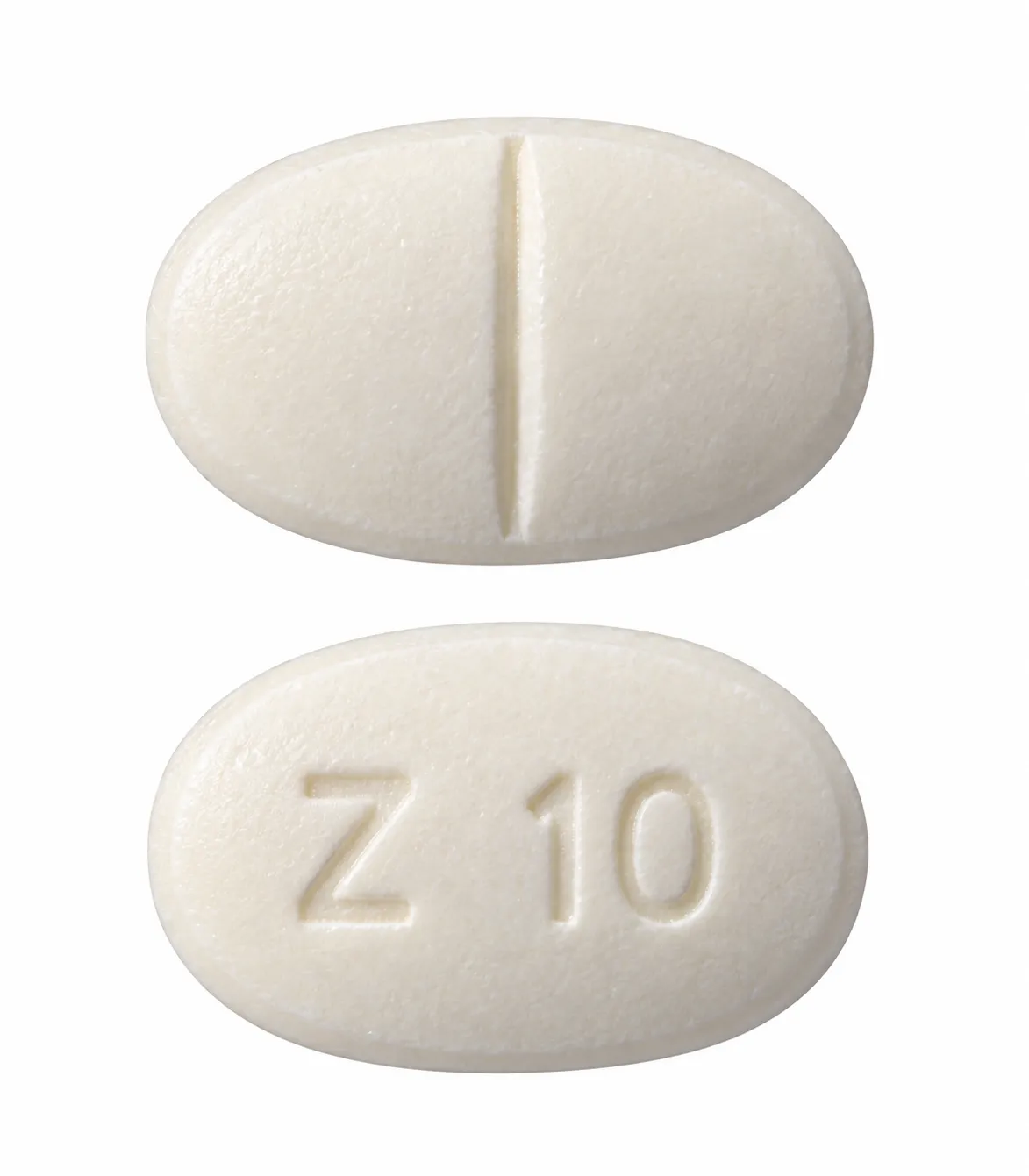
Central Nervous System (CNS) Depressants & Analgesics Interaction Matrix: Clinical Safety, GABAergic & Opioidergic Pharmacokinetics, and CYP450 Metabolic Profiles

FDA Boxed Warning & Pharmacokinetic Guidance
Direct Answer: Co-administering central nervous system (CNS) depressants—such as skeletal muscle relaxants (Carisoprodol / Soma), centrally acting analgesics (Tapentadol / Tapaday / Aspadol), and sedative-hypnotics (Zolpidem / Zolpiwow)—induces profound, supra-additive pharmacodynamic depression of medullary respiratory centers, leading to potentially fatal hypoventilation, severe hypotension, and coma. Conversely, co-prescribing wakefulness-promoting psychostimulants (Modafinil / Modalert) induces hepatic CYP3A4 enzymes, reducing serum levels of oral contraceptives and co-administered substrates while failing to rescue opioid-induced respiratory suppression. Strict adherence to equianalgesic dosing, enzyme phenotyping, and staggered dosing windows is clinically mandatory.
What are the primary clinical risks when combining CNS depressants with opioid analgesics?
Co-administering CNS depressants (such as benzodiazepines, Z-drugs, or carisoprodol) with central opioid analgesics (such as tapentadol or tramadol) produces profound pharmacodynamic synergism at GABAA and mu-opioid receptors. This supratherapeutic depression severely blunts the medullary ventilatory response to hypercapnia, drastically increasing the risks of fatal hypoxemia, unarousable sedation, and cardiorespiratory arrest. Concurrent use is subject to mandatory FDA boxed warnings and requires continuous capnography or immediate naloxone accessibility.
1. Introduction: The Neurobiology of Central Nervous System Co-Administration
The management of complex pain syndromes, intractable spasticity, severe sleep disorders, and excessive daytime somnolence frequently exposes patients to polypharmacy regimens spanning distinct neuropharmacological drug classes. When central nervous system (CNS) active compounds are prescribed simultaneously, the resulting clinical phenotype is rarely a simple arithmetic summation of their isolated effects. Rather, receptor-level interactions, downstream second-messenger modulation, and competitive hepatic biotransformation frequently precipitate severe, unpredictable pharmacodynamic synergy or pharmacokinetic degradation.
Clinicians and patients managing severe musculoskeletal pain frequently encounter combinations of skeletal muscle relaxants (such as Carisoprodol vs. Cyclobenzaprine), potent synthetic or atypical analgesics (such as Tapaday 200mg & Aspadol Tapentadol), non-benzodiazepine Z-drugs (such as Zolpiwow 10mg Zolpidem Tartrate and Zopiclone 10mg), and eugeroic stimulants (such as Modafinil and Armodafinil).
This clinical monograph delineates the molecular mechanisms, enzymatic pathways, equianalgesic conversion protocols, and safety parameters governing CNS polypharmacy, providing an evidence-based roadmap for toxicological prevention and therapeutic optimization.
2. Pharmacokinetic & Metabolic Clearance Matrix
Safe co-administration requires a granular understanding of each molecule’s absorption rate, distribution volume, metabolic biotransformation, and elimination kinetics. The table below compiles peer-reviewed clinical pharmacokinetic parameters across key therapeutic agents.
| Active Molecule (Brand) | Primary Molecular Target | Tmax (Peak) | Elimination t1/2 | Primary Hepatic Enzymes | Active Metabolite |
|---|---|---|---|---|---|
| Carisoprodol (Soma) | GABAA receptor (allosteric) | 1.5 – 2.0 hours | 2.0 hours (parent) | CYP2C19 (major), CYP3A4 | Meprobamate (t1/2: 10-17 hrs) |
| Tapentadol (Aspadol / Tapaday) | Mu-Opioid (MOR) + NRI | 1.25 hours (IR) / 5 hrs (ER) | 4.0 hours | Phase II UGT1A6, UGT1A9, UGT2B7 | None (Tapentadol-O-glucuronide inactive) |
| Zolpidem (Zolpiwow / Ambien) | GABAA alpha-1 subunit (BZ1) | 0.5 – 1.5 hours | 2.5 – 3.0 hours | CYP3A4 (60%), CYP2C9, CYP1A2 | Inactive carboxylic acid derivatives |
| Zopiclone (Zopisign / Imovane) | GABAA alpha-1, 2, 3, 5 subunits | 1.5 – 2.0 hours | 5.0 – 6.5 hours | CYP3A4, CYP2C8 | N-desmethylzopiclone (weak), N-oxide |
| Modafinil (Modalert / Provigil) | Dopamine Transporter (DAT) inhibitor | 2.0 – 4.0 hours | 12.0 – 15.0 hours | Hepatic esterase, CYP3A4 inducer | Modafinil acid, Modafinil sulfone |
3. High-Risk Drug-Drug Interaction Profiles: Mechanisms & Clinical Management
A. Carisoprodol (Soma) + Tapentadol (Aspadol / Tapaday): Medullary Respiratory Arrest
The concomitant administration of Carisoprodol 500mg with opioid analgesics such as Aspadol 200mg is historically designated in clinical toxicology as a component of the “Holy Trinity” polypharmacy cocktail. The neurobiological mechanism driving fatality is dual-pathway brainstem suppression:
- Mu-Opioid Mediated Respiratory Depression: Tapentadol activates G-protein coupled mu-opioid receptors within the pre-Botzinger complex of the ventrolateral medulla, blunting the autonomic chemoreceptor trigger response to arterial hypercapnia (rising CO2 tension).
- GABAergic Chloride Influx & Muscle Flaccidity: Carisoprodol directly modulates GABAA receptors independently of benzodiazepine binding sites. Furthermore, its extensive hepatic conversion via CYP2C19 yields meprobamate, a sedative carbamate that prolongs chloride channel opening duration. This causes generalized diaphragmatic and upper airway motor tone collapse.
- Synergistic Outcome: When combined, the loss of chemosensitivity coupled with airway flaccidity results in severe hypoxemic hypoventilation, respiratory acidosis, coma, and irreversible ischemic encephalopathy. Co-prescription is contraindicated; in emergency toxicity scenarios, high-dose intravenous Naloxone (0.4mg to 2mg repeated every 2-3 minutes) combined with mechanical ventilatory support is urgently required.
B. Modafinil (Modalert) + Oral Contraceptives & Anticonvulsants: CYP3A4 Induction
Unlike traditional amphetamine derivatives, Modafinil produces targeted wakefulness through dopamine reuptake inhibition without widespread adrenergic surges. However, its hepatic metabolic footprint presents major drug-interaction risks:
- Enzymatic Induction: Modafinil functions as a moderate inducer of CYP3A4/5 and a mild inducer of CYP1A2, while concurrently acting as a reversible inhibitor of CYP2C19.
- Hormonal Contraceptive Failure: Ethinylestradiol, desogestrel, norgestimate, and levonorgestrel are primary substrates of CYP3A4. Induction of this enzyme accelerates their hepatic oxidation and biliary clearance, resulting in sub-therapeutic circulating hormone levels and breakthrough ovulation. Female patients taking Modalert 200mg or Waklert 150mg must utilize secondary non-hormonal contraception (copper IUD, condoms) throughout therapy and for one complete menstrual cycle (28 days) following cessation.
- CYP2C19 Substrate Accumulation: By inhibiting CYP2C19, Modafinil can significantly elevate serum levels of drugs metabolized via this pathway, including Phenytoin, Diazepam, Omeprazole, and the parent compound of Carisoprodol, escalating sedation or toxicity risks.
C. Zolpidem (Zolpiwow) + Central Sedatives: The Amnestic & Parasomnia Hazard
Zolpiwow 10mg (Zolpidem Tartrate) features high, selective affinity for the alpha-1 subunit of the GABAA receptor, localized prominently in the neocortex and sensorimotor regions. When co-administered with other central depressants (alcohol, antihistamines, benzodiazepines, or muscle relaxants):
- The combination impairs hippocampal long-term potentiation (LTP), triggering dense anterograde amnesia.
- Complex sleep behaviors—such as somnambulism, sleep-driving, sleep-eating, and unremembered telephone conversations—occur with high incidence, carrying the highest category FDA Black Box Warning.
- Female clearance of Zolpidem is approximately 50% slower than male clearance due to lower gastric alcohol dehydrogenase activity and lower CYP3A4 mass, prompting the FDA mandate limiting starting doses in women to 5mg.
| Interacting Drug Pair | Interaction Severity | Underlying Mechanism | Clinical Management / Action Plan |
|---|---|---|---|
| Carisoprodol + Tapentadol | CRITICAL / CONTRAINDICATED | Dual-pathway medullary respiratory arrest; GABAergic & mu-opioid synergy. | Avoid combination completely. If transitioning, separate by at least 5 half-lives (24 hrs). |
| Modafinil + Hormonal Contraceptives | HIGH CLINICAL RISK | Hepatic CYP3A4 induction accelerating estrogen / progestin elimination. | Mandate non-hormonal barrier birth control throughout therapy + 28 days post. |
| Zolpidem / Zopiclone + Opioids | CRITICAL / CONTRAINDICATED | Allosteric GABAA amplification of opioid respiratory suppression; profound sedation. | Never co-administer at bedtime. Replace with non-sedating sleep hygiene or behavioral therapy. |
| Carisoprodol + Fluoxetine / Omeprazole | MODERATE | CYP2C19 inhibition slowing parent Carisoprodol clearance, prolonging ataxia. | Reduce Carisoprodol dose by 50% or substitute with Cyclobenzaprine. |
| Tapentadol + MAO Inhibitors / SSRIs | HIGH CLINICAL RISK | Noradrenaline reuptake inhibition plus serotonergic excess; hypertensive crisis. | MAOIs contraindicated within 14 days of Tapentadol. Monitor SSRI patients for clonus/tremor. |
4. Equianalgesic Ratios & Morphine Milligram Equivalent (MME) Calculations
When rotating patients from classical phenanthrene opioids (Morphine, Oxycodone, Hydrocodone) or atypical prodrugs (Tramadol) to Tapentadol (Aspadol 100mg), precise calculation of Morphine Milligram Equivalents (MME) is essential to avoid opioid withdrawal on one hand, or accidental overdose on the other.
Tapentadol provides potent analgesia through dual complementary pathways: moderate mu-opioid receptor agonism coupled with robust noradrenaline reuptake inhibition (NRI). Because the NRI component contributes up to 40% of its total analgesic efficacy (particularly in neuropathic pain states), Tapentadol exhibits an opioid-sparing profile with a favorable adverse-effect ratio (reduced constipation, nausea, and respiratory burden compared to pure mu-agonists).
| Analgesic Agent | Route | Equianalgesic Dose | MME Conversion Factor | Key Pharmacological Distinction |
|---|---|---|---|---|
| Morphine (Reference) | Oral | 30 mg | 1.0 | Gold standard reference; active M6G metabolite clears renally. |
| Tapentadol (Aspadol / Tapaday) | Oral | 100 mg | 0.4 | Dual MOR + NRI; Phase II UGT clearance; no CYP2D6 bioactivation required. |
| Oxycodone | Oral | 20 mg | 1.5 | High oral bioavailability (60-87%); metabolized via CYP3A4 and CYP2D6. |
| Tramadol | Oral | 150 – 200 mg | 0.1 | Inactive prodrug; requires CYP2D6 for conversion to active M1 (O-desmethyltramadol). |
Clinical Calculation Example: To rotate a patient stabilized on 40mg of oral Oxycodone daily to Tapentadol:
- Calculate Baseline MME:
40mg Oxycodone × 1.5 = 60 MME. - Convert to Tapentadol Total Daily Dose:
60 MME ÷ 0.4 = 150mg Tapentadol daily. - Apply Cross-Tolerance Reduction: Because incomplete cross-tolerance exists between dissimilar chemical classes, decrease the calculated dose by 25% to 30%:
150mg × 0.70 = 105mg daily. - Target Regimen: Initiate Aspadol 50mg to 100mg orally twice daily, titrating according to visual analog pain scores and tolerability.
5. Clinical Deprescribing & Cross-Taper Protocols (Ashton Method Adaptation)
Abrupt cessation of long-term CNS depressants, particularly GABAergic agents such as Carisoprodol (yielding meprobamate) or sedative-hypnotics (Zolpidem, Zopiclone), precipitates severe rebound hyperarousal, insomnia, tremors, autonomic instability, and grand mal seizures.
Adapting the internationally recognized Ashton protocol provides a standardized, gradual step-down approach:
- Stage 1 (Stabilization & Equivalence): Calculate total daily GABAergic exposure. Convert high-potency, short-acting agents to long-acting compounds with flat pharmacokinetic profiles (e.g., Diazepam) when tapering from complex multi-drug regimens.
- Stage 2 (Step-Down Decrements): Reduce total daily dosage by no more than 10% to 15% every 1 to 2 weeks. Patients should stabilize at each tier for a minimum of 7 to 14 days before initiating subsequent decrements.
- Stage 3 (Sleep Architecture Support): For patients discontinuing Zolpidem or Zopiclone, manage rebound REM sleep rebound and insomnia through sleep hygiene protocols (stimulus control, cognitive reframing) rather than introducing secondary sedatives.
6. Frequently Asked Questions (Clinical FAQ)
Q1: Can Carisoprodol and Tapentadol ever be safely co-administered?
No. Concomitant use outside of intubated, medically monitored critical care units is strictly contraindicated due to severe synergistic depression of medullary respiratory centers, leading to fatal apnea and hypercapnic respiratory arrest.
Q2: Why does Modafinil reduce the efficacy of birth control pills?
Modafinil induces the hepatic CYP3A4 enzyme system. Because oral contraceptive hormones (ethinylestradiol and progestins) are metabolized by CYP3A4, their systemic clearance is accelerated, causing sub-therapeutic blood levels and an elevated risk of unplanned pregnancy. Non-hormonal barrier protection is required during and for 28 days after use.
Q3: How does Tapentadol avoid the CYP2D6 genetic variability seen with Tramadol?
Tramadol is an inactive prodrug that requires CYP2D6 enzyme metabolism to generate its active analgesic metabolite, M1. Poor CYP2D6 metabolizers (approx. 7-10% of Caucasians) experience little to no pain relief, while ultra-rapid metabolizers face toxic opioid surges. Tapentadol, in contrast, is an inherently active molecule that bypasses CYP2D6 entirely, clearing via Phase II glucuronidation (UGT1A6/9/2B7), resulting in predictable, uniform pain relief across all patient genotypes.
Q4: Why must Zolpidem starting doses be halved in female patients?
Clinical pharmacokinetic trials demonstrated that women clear Zolpidem significantly slower than men, resulting in approximately 50% higher morning blood concentrations. This leads to marked residual impairment in psychomotor performance and next-day driving safety, prompting the FDA to mandate a 5mg initial dose limit for women compared to 10mg for men.
Q5: Can Modafinil be taken in the afternoon if nighttime sleep aid is also planned?
No. Modafinil exhibits an elimination half-life of 12 to 15 hours. Afternoon dosing results in elevated therapeutic blood levels past midnight, causing severe insomnia that will not be reliably counteracted by Z-drugs without escalating sedative dosage to hazardous, toxic thresholds.
7. References & Clinical Source Evidence
- Tzschentke, T. M., et al. (2007). Tapentadol hydrochloride: a next-generation centrally acting analgesic with two mechanisms of action in a single molecule. Drugs of the Future, 32(12), 1055-1070.
- Robertson, P., Jr., & Hellriegel, E. T. (2003). Clinical pharmacokinetic profile of modafinil. Clinical Pharmacokinetics, 42(2), 123-137.
- Olsen, R. W., & Sieghart, W. (2008). International Union of Pharmacology. LXX. Subtypes of gamma-aminobutyric acid(A) receptors: classification on the basis of subunit composition, system, and pharmacology. Pharmacological Reviews, 60(3), 243-260.
- Food and Drug Administration (FDA). (2019). FDA Boxed Warning: Risk of serious harm including complex sleep behaviors from certain prescription insomnia medicines. FDA Drug Safety Communication.
- Dowell, D., et al. (2022). CDC Clinical Practice Guideline for Prescribing Opioids for Pain — United States, 2022. MMWR Recommendations and Reports, 71(3), 1-95.
Related Patient Services & Verified Care
Every prescription order is verified by a licensed pharmacist in strict adherence to FDA BeSafeRx protocols.