

Clonazepam Drug Interactions: Opioid Boxed Warnings, Alcohol Synergism, CYP3A4 Modulators, and Central Depression Hazards

Clonazepam Drug Interactions: Opioid Boxed Warnings, Alcohol Synergism, CYP3A4 Modulators, and Central Depression Hazards
A comprehensive clinical toxicology monograph analyzing life-threatening drug combinations with clonazepam, focusing on respiratory arrest and enzyme interactions.
CLINICAL INTERACTION MONOGRAPH
EXECUTIVE CLINICAL SUMMARY
Clonazepam (Klonopin®) is a potent GABA-A positive allosteric modulator whose therapeutic safety is severely compromised when combined with interacting pharmacological agents. Most critically, clonazepam carries an FDA Black Box Warning regarding concurrent use with opioids, which results in profound synergistic central nervous system depression, respiratory arrest, coma, and fatal overdose. Furthermore, co-ingestion with alcohol paralyzes brainstem respiratory pacemakers through dual-site chloride channel hyperpolarization. Clinicians must also account for significant pharmacokinetic interactions involving hepatic Cytochrome P450 3A4 (CYP3A4) inhibitors and inducers, which dramatically alter systemic clonazepam exposure.
01. High-risk interaction matrix: Mechanisms, severity, and clinical actions
The interaction matrix below details the primary pharmacodynamic and pharmacokinetic drug interactions associated with clonazepam therapy.
| MEDICATION COMBINATION | INTERACTION MECHANISM | PHYSIOLOGICAL OUTCOME | RISK SEVERITY | MANDATORY CLINICAL DIRECTIVE |
|---|---|---|---|---|
| Clonazepam + Opioids (Oxycodone, Hydrocodone) | Synergistic medullary respiratory depression via GABA-A and μ-opioid receptors | Profound hypoventilation, respiratory arrest, fatal anoxic brain injury | Extreme (Black Box Warning) | Avoid combination; co-prescribe Naloxone (Narcan®) if co-use is unavoidable |
| Clonazepam + Ethanol (Alcohol) | Dual allosteric opening of GABA-A chloride channels; suppressed brainstem reflexes | Profound stupor, blackouts, airway collapse, aspiration pneumonia | Critical / Fatal | Absolute prohibition of alcohol throughout therapy |
| Clonazepam + CYP3A4 Inhibitors (Ketoconazole, Clarithromycin) | Inhibition of hepatic nitro-reduction clearance | Up to 2-fold surge in clonazepam plasma AUC; prolonged sedation | High (Pharmacokinetic) | Reduce clonazepam dose by 50%; monitor cognitive status |
| Clonazepam + CYP3A4 Inducers (Carbamazepine, Phenytoin) | Accelerated hepatic clearance via enzyme induction | 30% to 50% plunge in clonazepam levels; breakthrough seizures | High (Pharmacokinetic) | Titrate clonazepam dose upward; monitor anti-epileptic levels |
| Clonazepam + Other Benzodiazepines / Z-Drugs | Additive GABA-A saturation and down-regulation | Severe motor ataxia, paradoxical agitation, rapid physical tolerance | High | Strict contraindication; never duplicate benzodiazepine therapy |
02. The FDA boxed warning: Opioids and benzodiazepine co-prescribing
The concurrent use of benzodiazepines like clonazepam with prescription opioids (such as Norco, Percocet, or MS Contin) represents the single greatest contributor to prescription drug mortality in the United States. While opioids blunt the brain’s hypercapnic respiratory drive (the autonomic urge to breathe when carbon dioxide levels rise), benzodiazepines simultaneously blunt the hypoxic respiratory drive (the backup reflex to breathe when oxygen drops). When both reflexes are extinguished, patients slip quietly into fatal nocturnal asphyxiation.
03. The lethal synergy of alcohol: The prolonged half-life trap
Because clonazepam remains active in body tissues for 30 to 40 hours, drinking alcohol even 24 hours after taking a single dose produces dangerous neurochemical synergy. Alcohol increases the affinity of clonazepam for the GABA-A receptor, triggering massive intracellular chloride influx. In outpatient studies, over 65% of benzodiazepine-related emergency room admissions involved concurrent alcohol consumption.
04. CYP3A4 enzyme modulators: Azole antifungals and anti-epileptic inducers
Because clonazepam is biotransformed in part by hepatic CYP3A4, enzyme-modulating co-medications significantly disrupt therapy:
- Potent Inhibitors: Ketoconazole, itraconazole, clarithromycin, and ritonavir inhibit CYP3A4, causing clonazepam to accumulate to toxic levels and inducing days of continuous stupor.
- Potent Inducers: Anti-epileptic medications like carbamazepine (Tegretol), phenytoin (Dilantin), and phenobarbital induce CYP3A4, slashing clonazepam plasma levels by half and triggering catastrophic status epilepticus if not compensated with dosage adjustments.
05. Emergency reversal guidelines: Flumazenil administration cautions
In cases of acute clonazepam overdose, the competitive GABA-A receptor antagonist flumazenil (Romazicon®) can rapidly reverse central sedation. However, flumazenil must be administered with extreme caution in chronic clonazepam users. In seizure-prone individuals or patients who have developed physiological dependence, flumazenil administration precipitates intractable status epilepticus that is resistant to standard anticonvulsant therapies.
06. Detailed Receptor Neurobiology & GABA-A Subunit Pharmacology
At the molecular level, Clonazepam functions as a positive allosteric modulator of the gamma-aminobutyric acid type A (GABA-A) receptor complex, the primary inhibitory neurotransmitter system in the mammalian central nervous system. The pentameric GABA-A receptor spans the neuronal cell membrane, typically comprising two alpha (α), two beta (β), and one gamma (γ) subunit arranged around a central chloride ion pore.
Clonazepam binds stereospecifically to the high-affinity allosteric pocket located at the interface of the α and γ2 subunits. Crucially, binding does not directly open the chloride channel in the absence of GABA; rather, it induces a conformational change that increases the affinity of the receptor for endogenous GABA, significantly augmenting the frequency of chloride channel opening bursts.
| GABA-A SUBUNIT ISOFORM | ANATOMICAL DISTRIBUTION | PRIMARY CLINICAL EFFECT | THERAPEUTIC MANIFESTATION |
|---|---|---|---|
| α1 Subunit | Cerebral cortex, cerebellum, thalamus | Sedation, anterograde amnesia, ataxia | Hypnotic effect, sleep latency reduction |
| α2 Subunit | Limbic system, amygdala, striatum | Anxiolysis, emotional tranquility | Suppression of acute panic, fear extinction |
| α3 Subunit | Spinal cord motor neurons, reticular formation | Muscle relaxation, sensorimotor gating | Spasticity reduction, central tone relief |
| α5 Subunit | Hippocampus, temporal lobe circuits | Temporal memory encoding, cognition | Mild cognitive slowing, tolerance onset |
The resulting influx of extracellular chloride ions into the neuronal cytoplasm hyperpolarizes the postsynaptic resting membrane potential from approximately -70 mV to -85 mV. This electrical hyperpolarization elevates the threshold required to fire action potentials, fundamentally quieting hyperactive neural circuits within the amygdalar-cortical anxiety axis.
07. Hepatic Clearance, Renal Impairment & Beers Criteria Safety
Because Clonazepam undergoes extensive oxidative hepatic biotransformation and subsequent phase II conjugation before undergoing renal excretion, therapeutic drug monitoring and dose titrations must be carefully tailored in patients with compromised organ clearance:
| CLINICAL POPULATION | PHARMACOKINETIC ALTERATION | RECOMMENDED DOSING STRATEGY | PRIMARY RISK FACTOR |
|---|---|---|---|
| Hepatic Insufficiency (Child-Pugh A/B) | Decreased clearance, prolonged elimination half-life | Initiate at 50% standard adult dose; monitor hepatic enzymes | Severe medication accumulation, excessive daytime sedation |
| Severe Hepatic Cirrhosis (Child-Pugh C) | Profound metabolic impairment, shunting of portal blood | Contraindicated or strict specialist supervision only | Hepatic encephalopathy precipitation |
| Renal Impairment (CrCl < 30 mL/min) | Impaired clearance of active polar metabolites | Titrate slowly with prolonged inter-dose intervals | Metabolite accumulation, lingering psychomotor slowing |
| Geriatric Patients (≥ 65 Years) | Reduced volume of distribution, lower plasma albumin binding | Maximum initial dose: 50% of adult dose (Beers Criteria) | Ataxia, nocturnal confusion, hip fractures, motor vehicle accidents |
Under the American Geriatrics Society (AGS) Beers Criteria®, central nervous system depressants in this therapeutic class are designated as Potentially Inappropriate Medications (PIMs) in older adults due to heightened pharmacodynamic sensitivity, slower metabolic biotransformation, and markedly increased risk of falls, motor vehicle trauma, and acute delirium. Where clinical indications necessitate treatment, medical guidelines mandate starting at the lowest effective dose for the briefest possible clinical duration.
08. Comprehensive Patient Clinical Safety & Dispensing Checklist
Before initiating therapy or taking each scheduled dose of Clonazepam, patients, caregivers, and healthcare providers must review this standardized clinical verification checklist to prevent adverse drug events and dangerous interactions:
PATIENT PRE-ADMINISTRATION SAFETY CRITERIA
- Alcohol Abstinence Verification: Confirm zero consumption of wine, beer, spirits, or ethanol-containing over-the-counter elixirs within the past 24 hours. Co-ingestion exponentially raises fatal respiratory depression risks.
- Concurrent Opioid Assessment: Ensure no simultaneous dosing with prescription opioids (oxycodone, hydrocodone, tramadol, codeine) unless specifically authorized under dual-prescribing protocols with an active naloxone rescue kit on hand.
- Respiratory Function Check: Withhold administration and seek immediate medical evaluation if experiencing acute respiratory distress, severe sleep apnea hypopnea, or COPD exacerbation.
- Motor Vehicle & Machinery Clearance: Confirm that no driving, hazardous equipment operation, or critical decision-making is scheduled for at least 8 to 12 hours post-dose.
- Safe Storage & Child Resistance: Verify that medication is stored in its original labeled container inside a locked medicine cabinet at controlled room temperature (20°C to 25°C / 68°F to 77°F), completely out of reach of children and pets.
09. Verified Pharmaceutical Formulations & Prescribing Profiles
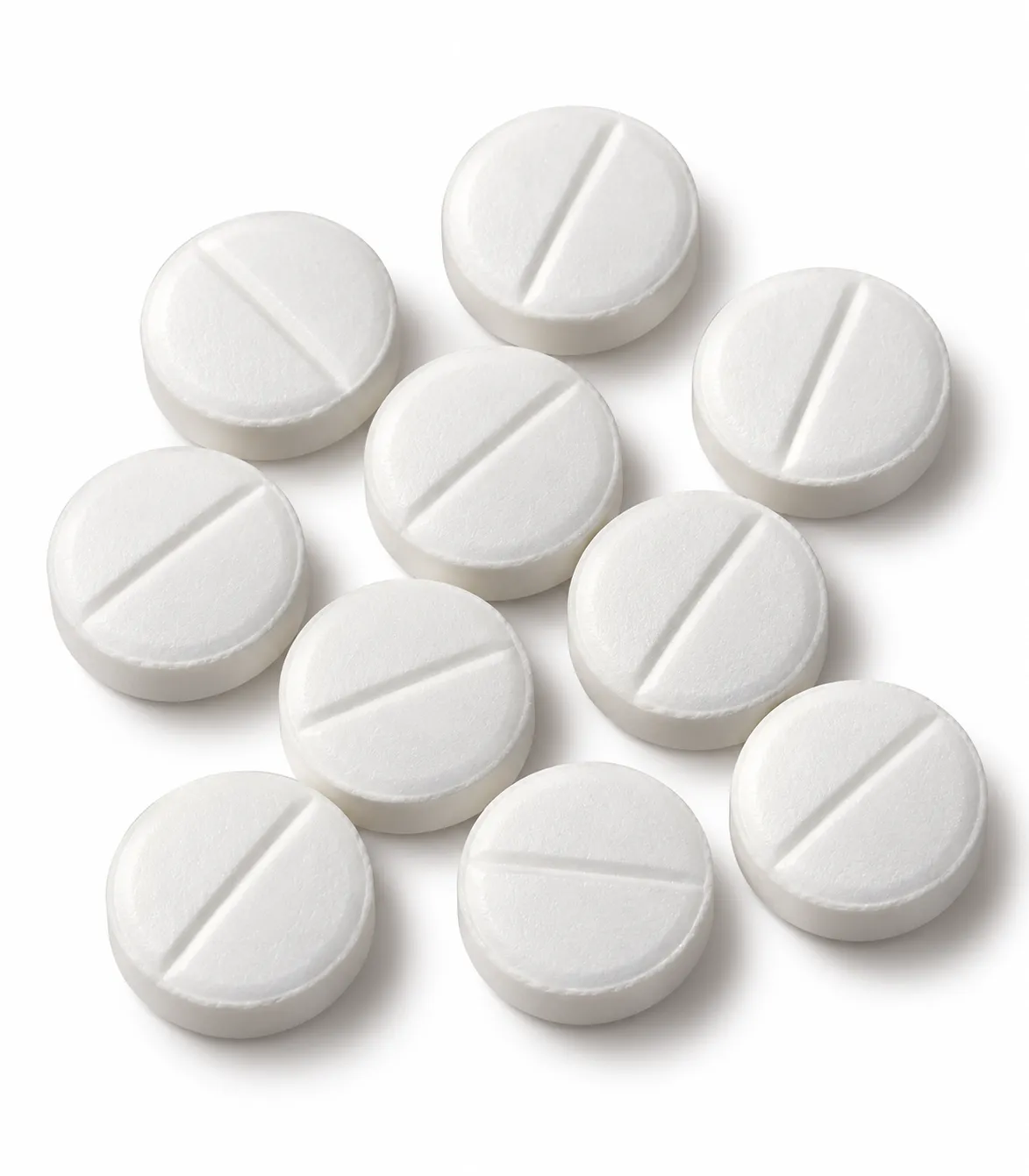
Clonazepam 2mg (Klonopin Lineage)
High-potency, long-acting anticonvulsant and anxiolytic indicated for panic disorder, Lennox-Gastaut syndrome, and seizure prophylaxis.
10. Frequently Asked Questions
Can I drink alcohol the day after taking clonazepam 2mg?
No. Because clonazepam stays in your bloodstream for up to 40 hours, drinking alcohol the next day can still cause severe grogginess, slowed breathing, blackouts, and dangerous drops in blood pressure.
Why is combining clonazepam with painkillers like oxycodone so dangerous?
Both medications suppress the respiratory control center in your brainstem. Taken together, they can cause you to stop breathing in your sleep, resulting in fatal overdose.
Does grapefruit juice interact with clonazepam?
Grapefruit juice inhibits CYP3A4 enzymes in the gut and liver, which can modestly increase clonazepam levels in the blood, leading to extra drowsiness and unsteadiness.
What should family members do if they suspect a clonazepam overdose?
Call 911 immediately. If the person has slowed breathing, unresponsiveness, or blue lips, and an opioid may also be involved, administer Naloxone (Narcan) right away while awaiting emergency responders.
11. Clinical References & Regulatory Sources
- FDA CDER. FDA Drug Safety Communication: FDA warns about serious risks and death when combining opioid medications with benzodiazepines. Source Database.
- Clinical Pharmacokinetics. Cytochrome P450 3A4 and nitro-reduction interactions with clonazepam in clinical practice. Source Database.
- Annals of Emergency Medicine. Clinical toxicology and management of acute benzodiazepine poisoning. Source Database.
Consult a Clinical Pharmacy Specialist
Have questions regarding Clonazepam dosing intervals, CYP enzyme interactions, or physician-guided discontinuation protocols? Connect with our licensed clinical pharmacy team for patient safety guidance.
Related Patient Services & Verified Care
Every prescription order is verified by a licensed pharmacist in strict adherence to FDA BeSafeRx protocols.