
Ativan 2mg (Lorazepam): Direct Phase II Hepatic Glucuronidation, GABAA Receptor Subunit Kinetics, Status Epilepticus & Ashton Tapering Protocols

Ativan 2mg (Lorazepam): Direct Phase II Hepatic Glucuronidation, GABAA Receptor Subunit Kinetics, Status Epilepticus & Ashton Tapering Protocols
A definitive clinical pharmacotherapy monograph evaluating pharmaceutical lorazepam formulations—focusing on brand-name Ativan 2mg (Pfizer) and bioequivalent Lorazepam 2mg Generic. Comprehensive clinical analysis includes allosteric GABAA chloride conductance dynamics, direct Phase II hepatic UGT2B7/UGT2B15 glucuronidation (the clinical “LOT” rule bypassing Cytochrome P450 oxidation), intermediate elimination kinetics (t1/2 10–20 hours) devoid of active metabolites, acute Status Epilepticus termination protocols (Treiman VA Cooperative Trial), Heather Ashton crossover deprescribing algorithms to diazepam, FDA Boxed Warnings on concomitant opioid respiratory depression, forensic Pfizer debossing verification, and US domestic pharmacy dispensing standards.
Target Formulations: Ativan 2mg (Pfizer) • Lorazepam 2mg Generic • Pillar: Anxiety & Calming Care Guide
Why is Lorazepam (Ativan) safer for patients with liver impairment than other benzodiazepines?
Lorazepam (Ativan) is safer in liver impairment because it undergoes direct Phase II hepatic glucuronidation (via UGT2B7) into inactive lorazepam-glucuronide, completely bypassing Phase I cytochrome P450 oxidation (the LOT rule: Lorazepam, Oxazepam, Temazepam). It produces no toxic active metabolites and maintains a stable 12-hour half-life.
📋 EXECUTIVE CLINICAL PRACTICE POINTS & CORE FINDINGS
- The “LOT” Clinical Exemption & Hepatic Safety: Unlike diazepam, alprazolam, and clonazepam, which require complex Phase I hepatic oxidation via Cytochrome P450 enzymes (CYP3A4, CYP2C19) and are prone to drug accumulation in liver cirrhosis or old age, lorazepam (along with oxazepam and temazepam—the “LOT” triad) undergoes direct Phase II glucuronidation. Conjugated by hepatic UDP-glucuronosyltransferases (principally UGT2B7 and UGT2B15) into an inactive, water-soluble glucuronide, lorazepam clearance remains essentially intact in patients with compensated or decompensated liver disease, acute viral hepatitis, and advanced age.
- Zero Active Metabolite Accumulation: Lorazepam produces no pharmacologically active metabolites. Its clinical termination relies entirely on glucuronidation into lorazepam-3-O-glucuronide, followed by rapid renal excretion (88% recovery in urine). This cleanly eliminates the “hangover” cognitive fog, active metabolite stacking, and erratic multi-day elimination curves observed with diazepam (nordiazepam t1/2 up to 200 hours) or flurazepam.
- GABAA Allosteric Binding & Intermediate Half-Life: Lorazepam exhibits high intrinsic affinity for the benzodiazepine binding pocket at the interface between α1, α2, α3, and γ2 subunits of pentameric GABAA complexes. By increasing chloride channel opening frequency in the presence of endogenous GABA, it provokes prompt membrane hyperpolarization. With an elimination half-life of 10 to 20 hours (mean 12–14 hours), lorazepam provides steady daytime anxiolysis without the extreme 2-hour drop-off seen with alprazolam or the prolonged sedation of chlordiazepoxide.
- First-Line Status Epilepticus Emergency Protocol: In acute status epilepticus, lorazepam (0.1 mg/kg IV or 4 mg sublingual/buccal) is clinically superior to diazepam. Although diazepam enters brain tissue slightly faster due to higher lipophilicity, it redistributes out of the central nervous system within 20 to 30 minutes into peripheral adipose stores, permitting early seizure relapse. Lorazepam possesses lower lipid solubility and a compact volume of distribution (1.0–1.3 L/kg), remaining bound to central cerebral GABAA receptors to sustain anticonvulsant suppression for 6 to 12 hours.
- High Potency & Inter-Dose Rebound Vulnerability: Lorazepam is a high-potency agent: 1 mg of lorazepam is clinically equianalgesic to 10 mg of diazepam and 0.5 mg of alprazolam. Due to its intermediate duration of action and absence of active metabolites, patients maintained on twice-daily schedules frequently experience inter-dose rebound anxiety, autonomic surges, and early-morning awakening as plasma levels trough prior to the next scheduled dose.
- The Ashton Crossover Deprescribing Protocol: Abrupt cessation of lorazepam following chronic use carries extreme risks of rebound panic, delirium, hyperacusis, autonomic instability, and grand mal withdrawal seizures. The Ashton Manual dictates a staged crossover to equivalent doses of long-acting diazepam (e.g., converting 2 mg lorazepam/day to 20 mg diazepam/day across 4 to 6 weeks), establishing stable, linear plasma kinetics that permit manageable weekly step-downs of 1 to 2 mg diazepam equivalents without acute receptor withdrawal spikes.
- FDA Boxed Warnings & Opioid Co-Prescribing Contraindication: Concomitant administration of lorazepam with opioid analgesics (e.g., oxycodone, tramadol, hydrocodone) is subject to a strict FDA Boxed Warning. Additive central respiratory depression at both the medullary pre-Bötzinger complex and GABAergic sleep circuits can cause fatal hypoventilation, respiratory arrest, profound sedation, and coma. Co-administration is strictly contraindicated outside intensive inpatient palliative care.
- Toxicology & The Flumazenil Contraindication: In isolated lorazepam overdose, supportive airway maintenance, aspiration precautions, and intravenous fluid resuscitation represent the sole standard of care. Administration of the competitive GABAA antagonist flumazenil (Romazicon) is strictly contraindicated in chronically benzodiazepine-dependent individuals or multi-drug ingestions involving tricyclics, tramadol, or bupropion, as it acutely strips GABAergic tone, triggering refractory status epilepticus.
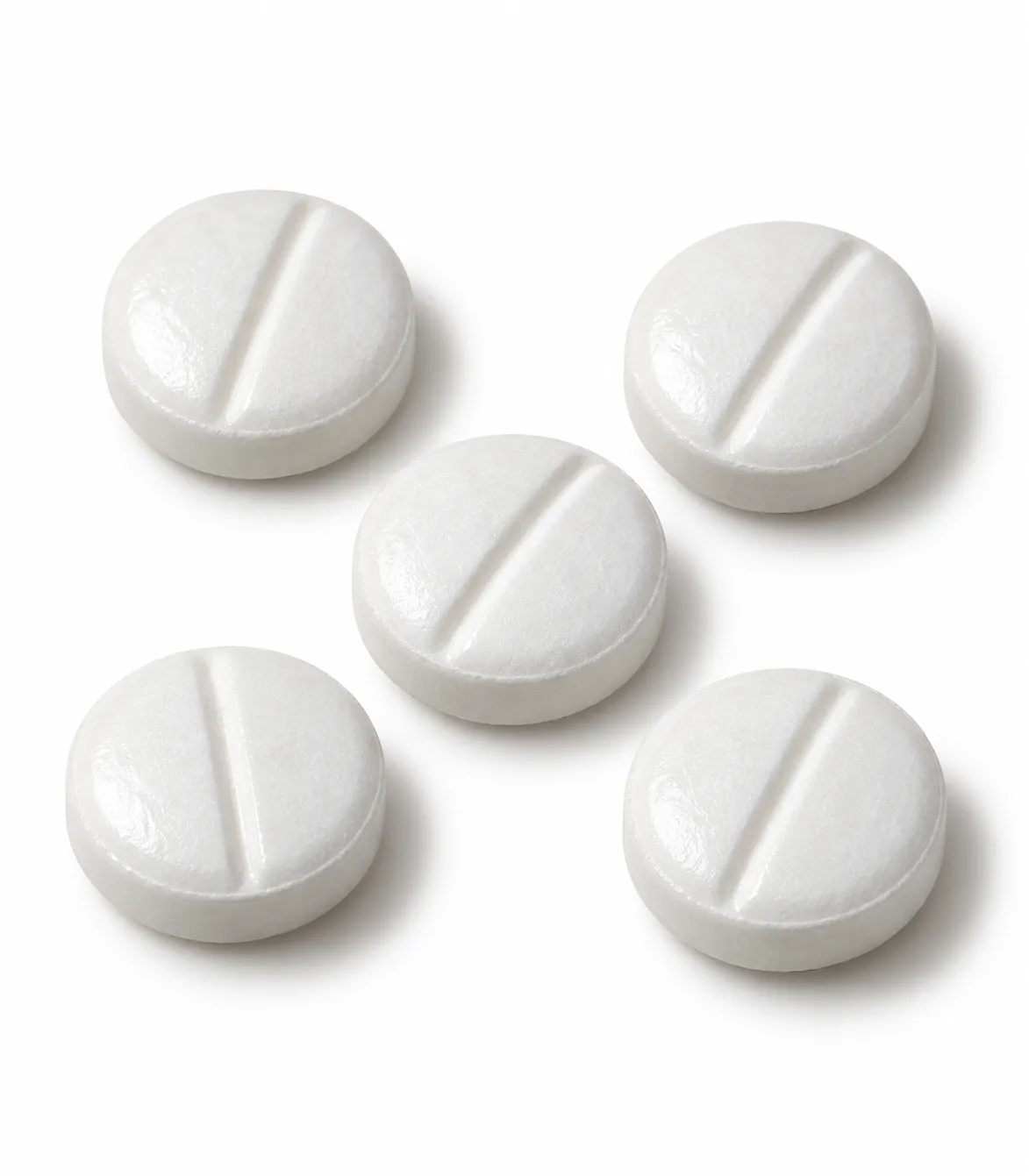
- Pfizer Ativan 2mg Pharmaceutical Forensics: Genuine Ativan 2mg tablets manufactured by Pfizer/Wyeth feature crisp pentagonal or round white profiles, uniform break-scores, debossed pharmaceutical identifiers, and pharmaceutical-grade blister packaging. VitalRxCare authenticates all inventory via high-performance liquid chromatography (HPLC purity ≥ 99.8%) and dispenses exclusively through verified US domestic pharmacy channels with 2–3 day USPS Priority shipping.
Why Does Ativan (Lorazepam) Bypass Phase I Hepatic Oxidation?
Lorazepam (Ativan) belongs to the LOT group (Lorazepam, Oxazepam, Temazepam) that bypasses Cytochrome P450 (CYP) phase I hepatic oxidation. Instead, it undergoes direct Phase II glucuronidation via UGT2B7 into an inactive glucuronide conjugate. This metabolic pathway prevents active metabolite accumulation and makes Lorazepam significantly safer in elderly patients or those with impaired liver function.
01. Molecular Structure & GABAA Receptor Neuropharmacology: Chloride Dynamics
Lorazepam, chemically designated as 7-chloro-5-(2-chlorophenyl)-3-hydroxy-1,3-dihydro-2H-1,4-benzodiazepin-2-one (molecular formula C15H10Cl2N2O2, molecular weight 321.16 g/mol), represents a classic 3-hydroxy benzodiazepine of the 1,4-benzodiazepine series. Structural inspection reveals two halogen substituents: an electronegative chlorine atom at position 7 of the fused aromatic “A” ring and a second chlorine atom at the ortho-position (C-2′) of the 5-phenyl “C” ring. This ortho-chlorine substitution markedly enhances receptor binding affinity relative to diazepam and oxazepam, producing roughly a five- to ten-fold elevation in central nervous system potency.
The defining molecular characteristic of lorazepam, however, is the presence of an aliphatic hydroxyl (-OH) group at position 3 of the diazepine “B” ring. This 3-hydroxy moiety exerts profound consequences upon both physical chemistry and metabolic fate. Unlike non-hydroxylated benzodiazepines such as diazepam, chlordiazepoxide, and medazepam, lorazepam possesses a polar functional handle that allows the molecule to bypass Phase I microsomal oxidation entirely and undergo immediate, direct Phase II conjugation.
At the cellular and molecular neurophysiological level, lorazepam functions as a potent positive allosteric modulator (PAM) of the pentameric γ-aminobutyric acid type A (GABAA) receptor-chloride ionophore complex. The primary inhibitory neurotransmitter receptor in the mammalian brain, GABAA, is composed of five glycoprotein subunits arranged circularly around a central ion pore—typically assembled in the classical stoichiometry of two α subunits, two β subunits, and one γ subunit (2α:2β:1γ). Lorazepam does not bind to the orthosteric neurotransmitter site where GABA itself docks (the α–β subunit interface); rather, it binds with stereospecific high affinity to the classical benzodiazepine recognition pocket situated at the interface of the α and γ2 subunits.
| GABAA SUBUNIT TARGET | NEUROANATOMICAL DISTRIBUTION | MEDIATED CLINICAL ACTION | LORAZEPAM MODULATION PROFILE |
|---|---|---|---|
| α1 Subunit Complexes | Cerebral cortex, thalamus, cerebellum (~60% of brain GABAA) | Sedation, anterograde amnesia, anticonvulsant suppression, motor ataxia | High-affinity positive modulation; produces rapid seizure arrest and hypnotic calm |
| α2 Subunit Complexes | Limbic system (amygdala, hippocampus), striatum, spinal motoneurons | Anxiolysis, panic disorder mitigation, central antinociception | Potent allosteric potentiation; dampens limbic fear circuitry and sympathetic fight-or-flight |
| α3 Subunit Complexes | Basal forebrain, reticular activating system, spinal interneurons | Muscle relaxation, sensorimotor gating, complementary anxiolysis | Moderate modulation; inhibits polysynaptic motor reflex loops without total paresis |
| α5 Subunit Complexes | Hippocampal CA1 and CA3 pyramidal neurons (extrasynaptic tonic inhibition) | Temporal cognitive encoding, spatial working memory, muscle tone | Potentiation drives dense anterograde amnesia (highly advantageous in peri-operative sedation) |
Binding of lorazepam induces a conformational shift in the pentameric receptor structure that increases the binding affinity of endogenous GABA for its orthosteric sites. Consequently, when GABA binds, the central chloride channel bursts open with significantly greater frequency (a pharmacodynamic signature distinguishing benzodiazepines from barbiturates, which prolong the open duration of the channel). Influx of negatively charged chloride ions (Cl−) down their electrochemical gradient rapidly hyperpolarizes the postsynaptic neuronal membrane, shifting resting membrane potential from −70 mV toward −85 mV. This profound hyperpolarization elevates the threshold required to trigger an action potential, suppressing paroxysmal epileptiform discharges in the cortex and dampening hyperactive adrenergic firing in the amygdalar-locus coeruleus axis.
Crucially, lorazepam lacks intrinsic GABA-mimetic activity: in the absolute absence of GABA, lorazepam cannot open the chloride pore. This built-in ceiling effect accounts for its dramatically broader therapeutic index when compared to non-allosteric central nervous system depressants like pentobarbital or methaqualone.
02. Direct Phase II Hepatic Glucuronidation: The “LOT” Rule & Complete CYP450 Bypass
In clinical pharmacology and medical toxicology, the metabolic handling of lorazepam is recognized as one of the cleanest pathways in psychopharmacology. Most conventional benzodiazepines—including diazepam, chlordiazepoxide, flurazepam, and alprazolam—undergo extensive Phase I hepatic microsomal transformation mediated by Cytochrome P450 isoenzymes, primarily CYP3A4, CYP2C19, and CYP1A2. These Phase I reactions (N-dealkylation, aliphatic hydroxylation, and nitro-reduction) generate long-lasting, active metabolites that accumulate over time and are vulnerable to drug-drug inhibition, genetic polymorphisms, and age-related organ decline.
The Clinical “LOT” Rule in Hepatic Impairment and Geriatrics
In patients with liver failure, alcoholic cirrhosis, viral hepatitis, or advanced age, the metabolic activity of Cytochrome P450 enzymes drops precipitously, leading to toxic accumulation of parent drugs and active oxidative metabolites. The universal clinical guideline in hospital medicine is the “LOT” Mnemonic: only three benzodiazepines bypass Phase I CYP450 oxidation through direct Phase II glucuronidation:
• L – Lorazepam (Ativan)
• O – Oxazepam (Serax)
• T – Temazepam (Restoril)
Because Phase II glucuronidation capacity is conserved in liver disease until terminal cirrhosis, lorazepam represents the safest benzodiazepine choice for anxiolysis, status epilepticus, and alcohol withdrawal syndrome in hepatically compromised populations.
The 3-hydroxyl group on lorazepam allows the parent compound to undergo direct conjugation with uridine 5′-diphospho-glucuronic acid (UDPGA), catalyzed by microsomal UDP-glucuronosyltransferase (UGT) enzymes located in the smooth endoplasmic reticulum of hepatocytes. Pharmacogenomic investigations confirm that the primary isoforms driving this biotransformation are:
- UGT2B7: Catalyzes approximately 65% to 75% of total lorazepam glucuronidation. UGT2B7 exhibits high constitutive expression in hepatic parenchyma, with significant expression also detected in renal cortex tissue.
- UGT2B15: Responsible for 20% to 30% of secondary conjugation, exhibiting stereoselective preference for the R-enantiomeric and S-enantiomeric forms of racemic lorazepam.
- UGT1A6 & UGT1A9: Minor contributors (< 5%), providing reserve capacity in the event of partial UGT2B saturation.
The sole major metabolite formed is lorazepam-3-O-glucuronide. This metabolite possesses negligible affinity for GABAA receptors (IC50 > 10,000 nM) and is completely devoid of central depressant, anxiolytic, or anticonvulsant activity. Furthermore, lorazepam-3-O-glucuronide exhibits high water solubility and is actively filtered across the glomerular capillary basement membrane, with secondary renal tubular secretion via organic anion transporters (OAT1/OAT3). Approximately 88% of an administered oral or parenteral dose is recovered in the urine as lorazepam glucuronide over a 48-hour collection interval, with less than 0.5% excreted as unchanged, free parent drug.
Because CYP450 is entirely uninvolved, common clinical inhibitors of CYP3A4 (such as ritonavir, ketoconazole, clarithromycin, and grapefruit juice) and CYP2C19 (such as omeprazole and fluconazole) exert zero effect on lorazepam plasma concentrations or clearance. This clean kinetic separation eliminates dozens of perilous drug-drug interactions that routinely afflict patients taking diazepam or alprazolam.
03. Comprehensive Pharmacokinetic Data Matrix: Bioavailability, Vd, Half-Life & Elimination
The clinical pharmacology of lorazepam is governed by a distinct profile: intermediate lipid solubility, rapid systemic absorption, a moderate volume of distribution, high plasma protein binding, and linear, dose-proportional elimination kinetics. The table below provides the standardized pharmacokinetic parameters established across FDA DailyMed, European Pharmacopoeia monographs, and peer-reviewed clinical trials.
| PHARMACOKINETIC METRIC | CLINICAL VALUE (ORAL TABLET) | SUBLINGUAL FORMULATION | INTRAMUSCULAR / INTRAVENOUS |
|---|---|---|---|
| Absolute Bioavailability (F) | 90% – 93% (rapid gastrointestinal absorption) | 94% – 98% (extensive sublingual mucosa bypass) | 100% (IV); 92% – 99% (IM deep gluteal) |
| Time to Peak Plasma (Tmax) | 1.5 – 2.5 hours (mean 2.0 h) | 30 – 60 minutes (faster anxiolysis) | IV: 5 – 15 min; IM: 60 – 90 min |
| Peak Plasma Level (Cmax, 2mg dose) | 18 – 24 ng/mL | 20 – 26 ng/mL | IV 2mg: ~35–45 ng/mL (end of infusion) |
| Volume of Distribution (Vd) | 1.0 – 1.3 L/kg (compact, low lipid depot) | 1.0 – 1.3 L/kg | 1.0 – 1.3 L/kg (vs. Diazepam 2.5 L/kg) |
| Plasma Protein Binding (α1-acid / Albumin) | 85% – 91% bound (primarily serum albumin) | 85% – 91% bound | 85% – 91% bound (free fraction 9–15%) |
| Elimination Half-Life (t1/2β) | 10 – 20 hours (mean 12–14 hours) | 10 – 20 hours | 10 – 18 hours (unaltered in liver disease) |
| Glucuronide Metabolite Half-Life | 16 – 20 hours (inactive) | 16 – 20 hours (inactive) | 16 – 20 hours (non-sedating) |
| Systemic Clearance (CL) | 1.0 – 1.2 mL/min/kg (~70–85 mL/min) | 1.0 – 1.2 mL/min/kg | 1.0 – 1.2 mL/min/kg |
| Renal Excretion | 88% in urine as glucuronide; <0.5% unchanged | 88% renal recovery | 88% renal recovery |
A key pharmacokinetic insight lies in lorazepam’s intermediate lipid solubility (octanol-water partition coefficient = 73). For comparison, diazepam is highly lipophilic (partition coefficient = 720), while oxazepam is lower (partition coefficient = 40). Because diazepam is ten times more lipophilic, it crosses the blood-brain barrier within seconds, but then rapidly redistributes out of brain tissue into vast peripheral adipose compartments. In contrast, lorazepam enters brain tissue more deliberately (onset of peak EEG slowing at 15 to 20 minutes post-dose), but because of its lower lipophilicity and compact volume of distribution, it does not redistribute rapidly into peripheral fat. As a result, its central pharmacodynamic duration of action closely mirrors its plasma elimination half-life, conferring steady 8- to 12-hour therapeutic coverage.
04. Emergency Neuropharmacology: Status Epilepticus & The Treiman VA Cooperative Trial
Status epilepticus (SE)—defined operationally as continuous, unremitting epileptic seizure activity exceeding 5 minutes, or two or more discrete seizures without complete interictal recovery of consciousness—represents a life-threatening neurological emergency. Prolonged status epilepticus induces excitotoxic neuronal injury, cerebral metabolic exhaustion, hyperthermia, rhabdomyolysis, and permanent hippocampal sclerosis. Prompt medical cessation is paramount.
The definitive benchmark study establishing the supremacy of lorazepam over historical alternatives was the landmark Veterans Affairs Status Epilepticus Cooperative Study (Treiman et al., New England Journal of Medicine, 1998). In this rigorous, double-blind randomized clinical trial involving 570 patients with confirmed generalized convulsive status epilepticus, four intravenous regimens were compared head-to-head as first-line therapy:
- Lorazepam (0.1 mg/kg IV push): Achieved successful seizure termination within 20 minutes without recurrence in 64.9% of patients on an intention-to-treat analysis (the highest success rate in the trial).
- Phenobarbital (20 mg/kg IV): Successfully terminated seizures in 58.2% of patients, but induced profound respiratory depression, prolonged sedation, and hypotension.
- Diazepam (0.15 mg/kg IV) followed immediately by Phenytoin (18 mg/kg IV): Terminated seizures in 55.8% of patients.
- Phenytoin monotherapy (18 mg/kg IV): Proved distinctly inferior, terminating seizures in only 43.6% of patients.
Why Lorazepam Outperforms Diazepam in Status Epilepticus
For decades, emergency departments relied upon intravenous diazepam. However, due to diazepam’s immense lipophilicity, brain concentrations plummet within 20 to 30 minutes as the drug redistributes into adipose tissue. Seizures routinely relapse unless a long-acting anticonvulsant (such as fosphenytoin or levetiracetam) is co-infused. Lorazepam, with its lower lipophilicity and compact volume of distribution (1.0 L/kg), remains anchored to cerebral GABAA receptor complexes. A single 4 mg dose provides sustained anticonvulsant suppression for 6 to 12 hours, offering a stable neuroprotective bridge while secondary maintenance therapies take effect.
The American Epilepsy Society (AES) Guidelines codify lorazepam as the preferred first-line agent in the established Emergent Initial Therapy phase (0–20 minutes). When intravenous access is immediately available, lorazepam is administered at 0.1 mg/kg IV (up to a single maximum dose of 4 mg) at a rate not exceeding 2 mg/min. If status epilepticus persists after 5 to 10 minutes, a second dose of 4 mg may be repeated once. In pre-hospital or austere settings without established intravenous access, Ativan 2mg sublingual tablets or concentrated buccal administration provides high mucosal bioavailability (F ≈ 95%), rapid transmucosal uptake, and robust protection against status epilepticus refractory progression.
05. Comparative Potency & Clinical Spectrum Grid: Lorazepam vs. Alprazolam, Clonazepam & Diazepam
Benzodiazepines are frequently mischaracterized as interchangeable agents. In reality, their individual clinical indications, risk profiles, and taper strategies diverge sharply based upon receptor subtype affinities, active metabolite cascades, and elimination half-lives. The comparative potency grid below delineates the clinical differences among the four primary benzodiazepines dispensed across clinical practice.
| PARAMETER | LORAZEPAM (ATIVAN®) | ALPRAZOLAM (XANAX® / KSALOL®) | CLONAZEPAM (KLONOPIN®) | DIAZEPAM (VALIUM® / BENSEDIN®) |
|---|---|---|---|---|
| Equianalgesic Dose (Ashton) | 1.0 mg | 0.5 mg | 0.5 mg | 10.0 mg |
| Elimination Half-Life (Parent) | 10 – 20 hours (mean 12–14 h) | 11 – 15 hours (mean 12 h) | 30 – 50 hours | 20 – 50 hours |
| Active Metabolite Cascade | None (direct glucuronidation) | α-hydroxyalprazolam (weak, <10%) | None (7-amino-clonazepam inactive) | Desmethyldiazepam (t1/2 36–200 h), temazepam, oxazepam |
| Metabolic Pathway | Phase II Glucuronidation (UGT2B7) | Phase I Oxidation (CYP3A4) | Phase I Nitro-reduction (NAT2 / CYP3A4) | Phase I Oxidation (CYP2C19 & CYP3A4) |
| Speed of Clinical Onset | Intermediate (30–60 min oral, 15 min SL) | Rapid (15–30 min oral) | Slow – Intermediate (60–120 min) | Very Rapid (15–30 min oral) |
| Hepatic Safety (Cirrhosis / Age) | Superior (LOT Rule, uncompromised) | Moderate (CYP3A4 clearance drops 40%) | Moderate (caution in hepatic encephalopathy) | Poor (severe accumulation of nordiazepam) |
| Primary Clinical Role | Status epilepticus, acute panic, acute delirium, hepatic impairment | Acute panic attack abortive therapy | Maintenance panic disorder, seizure prophylaxis | Muscle spasticity, Ashton deprescribing, alcohol detoxification |
| Inter-Dose Rebound Liability | High (requires TID dosing or taper) | Extreme (severe inter-dose anxiety) | Low – Moderate (prolonged t1/2) | Very Low (metabolite cushion prevents rebound) |
The comparative grid clarifies why clinicians utilize lorazepam for acute, focused interventions: it provides high-potency anxiolysis and powerful anticonvulsant suppression without committing the patient to the massive 200-hour accumulation curves of diazepam, while avoiding the extreme, rapid-onset addiction and inter-dose panic spikes typical of alprazolam.
06. Clinical Indications, Dosing Algorithms & Titration Schedules (Ativan 2mg)
Lorazepam therapy must be strictly individualized based upon the clinical indication, patient age, baseline neurocognitive status, and comorbid illnesses. The target therapeutic dose for pharmaceutical Ativan 2mg and generic equivalents spans a narrow window between adequate anxiolysis and excessive psychomotor sedation.
| DIAGNOSTIC INDICATION | INITIAL STARTING DOSE | STANDARD MAINTENANCE RANGE | MAXIMUM DAILY CEILING |
|---|---|---|---|
| Generalized Anxiety Disorder (GAD) | 0.5 mg to 1.0 mg twice daily (BID) | 2.0 mg to 3.0 mg daily in 2–3 divided doses | 6.0 mg / day (divided) |
| Acute Panic Attacks / Severe Agitation | 1.0 mg to 2.0 mg sublingual / oral | 1.0 mg TID as needed (short-term bridge) | 4.0 mg / day |
| Insomnia Associated with Anxiety | 1.0 mg to 2.0 mg at bedtime (QHS) | 2.0 mg QHS (limit to 7–14 days) | 4.0 mg QHS |
| Pre-Anesthetic / Procedural Sedation | 2.0 mg to 4.0 mg oral 2 hours pre-op | 0.05 mg/kg IM (up to 4 mg) | 4.0 mg single procedural dose |
| Status Epilepticus (Inpatient / ER) | 0.1 mg/kg IV push (typically 4 mg slow IV) | Repeat 4 mg IV once at 10 min if seizing | 8.0 mg cumulative in first 20 min |
| Geriatric / Frail Patients (≥65 years) | 0.5 mg once or twice daily | 1.0 mg to 2.0 mg daily in divided doses | 2.0 mg / day (fall risk mitigation) |
Titration Principles: To avoid daytime somnolence and paradoxical disinhibition, initial dosing in outpatient psychiatric practice should begin with 0.5 mg to 1.0 mg administered at bedtime. If daytime anxiety remains unaddressed, morning doses of 0.5 mg are added on day 3 or 4, with gradual increments of 0.5 mg every 3 to 5 days until therapeutic control is achieved. The daytime dose should never exceed the evening dose, ensuring that peak sedation coincides with nocturnal rest.
Duration of Therapy: In accordance with APA and NICE clinical guidelines, benzodiazepine prescriptions for anxiety and insomnia should be restricted to short-term, acute symptom management (typically 2 to 4 weeks). Chronic maintenance should be discouraged unless concurrent SSRI/SNRI therapies, cognitive behavioral therapy (CBT), or interventional modalities have failed.
07. The Ashton Deprescribing Protocol: Converting Lorazepam to Diazepam Step-Downs
One of the most vexing dilemmas in addiction medicine and clinical psychopharmacology is tapering patients off potent, intermediate-acting benzodiazepines like lorazepam. When taken continuously for more than 4 to 6 weeks, physical neuro-adaptation occurs: GABAA receptor subunits down-regulate, while presynaptic excitatory glutamate (NMDA/AMPA) pathways up-regulate to compensate for chronic inhibitory tone.
Attempting to taper directly from lorazepam by shaving fractions off tablets is fraught with failure. Because lorazepam has a half-life of 12 hours and zero active metabolites, plasma levels drop sharply between doses, producing excruciating “inter-dose withdrawal”—manifested as severe tachycardia, diaphoresis, depersonalization, electric shock sensations (“brain zaps”), sensory hyperacusis, and intense rebound panic.
The Ashton Manual Gold Standard Crossover
Professor C. Heather Ashton (University of Newcastle, UK) established that the only reliable method for discontinuing high-potency benzodiazepines is to substitute them stage-by-stage with equivalent dosages of long-acting Diazepam (Bensedin 10mg / Valium). With an active metabolite (desmethyldiazepam) possessing a half-life of up to 200 hours, diazepam establishes a smooth, continuous baseline that shields the central nervous system from peaks and valleys.
Clinical Equivalence: 1 mg Lorazepam = 10 mg Diazepam.
The protocol below outlines the standardized clinical Ashton taper schedule for a patient stabilized on Ativan 3 mg daily (1 mg morning, 1 mg midday, 1 mg night):
| TAPER STAGE | MORNING REGIMEN | MIDDAY REGIMEN | NIGHT REGIMEN | TOTAL DAILY DIAZEPAM EQUIVALENT |
|---|---|---|---|---|
| Baseline | Lorazepam 1.0 mg | Lorazepam 1.0 mg | Lorazepam 1.0 mg | 30 mg Diazepam Eq. |
| Stage 1 (Weeks 1–2) | Lorazepam 1.0 mg | Lorazepam 1.0 mg | Lorazepam 0.5 mg + Diazepam 5 mg | 30 mg (night crossover begins) |
| Stage 2 (Weeks 3–4) | Lorazepam 1.0 mg | Lorazepam 1.0 mg | Diazepam 10 mg (Ativan eliminated at night) | 30 mg (night fully converted) |
| Stage 3 (Weeks 5–6) | Lorazepam 0.5 mg + Diazepam 5 mg | Lorazepam 1.0 mg | Diazepam 10 mg | 30 mg (morning crossover begins) |
| Stage 4 (Weeks 7–8) | Diazepam 10 mg (Ativan eliminated in AM) | Lorazepam 1.0 mg | Diazepam 10 mg | 30 mg (AM fully converted) |
| Stage 5 (Weeks 9–10) | Diazepam 10 mg | Diazepam 10 mg (Ativan eliminated at noon) | Diazepam 10 mg | 30 mg Diazepam (100% Crossover Complete) |
| Stage 6 (Weeks 11–14) | Diazepam 8 mg | Diazepam 6 mg | Diazepam 10 mg | 24 mg Diazepam (reduction phase) |
| Stage 7 (Weeks 15–18) | Diazepam 5 mg | Diazepam 4 mg | Diazepam 8 mg | 17 mg Diazepam |
| Stage 8 (Weeks 19–22) | Diazepam 3 mg | Diazepam 2 mg | Diazepam 5 mg | 10 mg Diazepam |
| Final Stage (Weeks 23–28) | 0 mg | 0 mg | Taper from 4 mg → 2 mg → 1 mg → 0.5 mg QHS | 0 mg (Full Cessation Achieved) |
By executing this gradual crossover to long-acting diazepam, the clinician preserves neurochemical equilibrium. The continuous plasma bath of desmethyldiazepam eliminates the acute spikes in locus coeruleus noradrenaline release, preventing withdrawal seizures, severe dysphoria, and hospitalization.
08. Critical Drug Interactions: Valproate, Probenecid, Alcohol & Opioid Co-Prescribing
Although lorazepam is uniquely liberated from Cytochrome P450 drug-drug interactions, it is subject to distinct pharmacokinetic interactions involving hepatic UDP-glucuronosyltransferases (UGT), as well as lethal pharmacodynamic synergisms at central nervous system inhibitory networks.
| INTERACTING AGENT | INTERACTION MECHANISM | CLINICAL CONSEQUENCE | MANDATED ACTION |
|---|---|---|---|
| Valproic Acid / Divalproex (Depakote) | Potent competitive inhibition of UGT2B7 glucuronidation | Lorazepam clearance drops by 40% to 50%; plasma concentrations double; profound somnolence and ataxia | Reduce lorazepam dose by 50% upon co-initiation; monitor sedation closely |
| Probenecid (Benemid) | Dual UGT2B7 inhibition + OAT renal excretion blockade | Elimination half-life prolongs from 14 to 28 hours; AUC increases by 80% | Reduce lorazepam dose by 50%; adjust dosing interval to once daily |
| Opioid Analgesics (Oxycodone, Tramadol, Hydrocodone) | Synergistic pharmacodynamic depression at medullary respiratory rhythm generator | Lethal hypoventilation, blunted hypoxic ventilatory drive, respiratory arrest, death | FDA Boxed Warning: Co-prescribing contraindicated unless alternative therapies exhausted; co-prescribe naloxone |
| Ethanol (Alcohol) | Additive positive allosteric GABAA modulation + NMDA antagonism | Severe psychomotor collapse, anterograde blackouts, lethal airway obstruction | Absolute contraindication: Complete alcohol abstinence required during therapy |
| Parenteral Olanzapine (Zyprexa) | Synergistic central alpha-1 adrenergic and GABAergic depression | Profound hypotension, severe bradycardia, fatal cardiopulmonary arrest | FDA black-box contraindication: Separate IM olanzapine and lorazepam by minimum 2 hours |
| Theophylline & Aminophylline | Adenosine A1 / A2A receptor competitive antagonism | Antagonism of lorazepam sedative and anxiolytic effects | Higher lorazepam doses required or select alternative bronchodilator |
The interaction between lorazepam and valproate deserves special emphasis: valproate is a standard mood stabilizer and antiepileptic drug often prescribed concurrently with benzodiazepines in bipolar disorder or epilepsy clinics. When valproic acid is initiated in a patient taking Ativan 2mg, clinicians must proactively halve the lorazepam daily dose to prevent precipitating profound neurotoxicity and delirium.
09. FDA Boxed Warnings, Overdose Toxicology & The Flumazenil Seizure Hazard
The United States Food and Drug Administration (FDA) mandates a comprehensive Boxed Warning across all benzodiazepine product monographs, highlighting three critical hazards:
FDA Boxed Warnings for Lorazepam (Ativan)
- Concomitant Use with Opioids: Concomitant use of benzodiazepines and opioids may result in profound sedation, respiratory depression, coma, and death. Limit dosages and durations to the minimum required in patients for whom alternative treatment options are inadequate.
- Abuse, Misuse, and Addiction: The use of benzodiazepines, even at recommended doses, exposes users to risks of abuse, misuse, and addiction, which can lead to overdose and death, especially when combined with other CNS depressants, alcohol, or illicit substances.
- Physical Dependence and Withdrawal Reactions: Continued use of benzodiazepines may lead to clinically significant physical dependence. Abrupt discontinuation or rapid dosage reduction after continued use can precipitate acute, potentially life-threatening withdrawal reactions, including seizures, delirium tremens, depression, and suicidal ideation.
Overdose Clinical Presentation: In isolated lorazepam oral overdose, parent drug toxicity predominantly manifests as central nervous system depression: slurred speech (dysarthria), gait instability (ataxia), coarse nystagmus, lethargy, stupor, and hyporeflexia. Vital signs typically demonstrate mild bradycardia and mild hypotension, but profound hypothermia or life-threatening respiratory arrest is distinctly rare in isolated ingestions. However, when co-ingested with ethanol, barbiturates, or opioids, severe respiratory arrest, aspiration pneumonitis, and hypoxic-ischemic encephalopathy rapidly ensue.
The Flumazenil Seizure Hazard: The competitive GABAA antagonist flumazenil (Romazicon) is FDA-approved for reversing benzodiazepine-induced sedation following minor procedural surgery. However, in the setting of acute overdose in emergency toxicology, flumazenil administration carries severe dangers:
- Precipitation of Refractory Status Epilepticus: In individuals who have developed physical dependence upon benzodiazepines through chronic therapeutic use or misuse, intravenous flumazenil instantly displaces lorazepam from all GABAA receptor interfaces. This abruptly unmasks profound glutamate-mediated excitotoxicity, precipitating violent, intractable status epilepticus that is resistant to further benzodiazepine administration.
- Co-Ingestion Toxicity Unmasking: In mixed overdoses involving tricyclic antidepressants (TCAs), bupropion, or tramadol, benzodiazepines often exert a life-saving anticonvulsant buffering effect against TCA-mediated seizures. Administering flumazenil removes this protective shield, precipitating fatal cardiac arrhythmias (wide-complex ventricular tachycardia) and status epilepticus.
Consequently, modern medical toxicology protocols (American College of Medical Toxicology, ACMT) dictate that supportive intensive care—endotracheal intubation, mechanical ventilation, and intravenous crystalloid resuscitation—is the definitive standard of care for lorazepam overdose. Flumazenil should remain strictly reserved for naive pediatric accidental ingestions or isolated procedural sedation reversals where dependence is definitively ruled out.
10. Authentic Pfizer Ativan 2mg Sourcing: Blister Foil Forensics & Counterfeit Prevention
Due to widespread shortages and street-level diversion of pharmaceutical anxiolytics, the illicit counterfeit market is saturated with pressed chalk and dangerous synthetic adulterants (primarily illicit designer benzodiazepines like bromazolam, or lethal micro-contaminations of fentanyl). For patients requiring genuine therapeutic continuity, strict forensic inspection of legitimate pharmaceutical packaging is essential.
| PHYSICAL FEATURE | GENUINE PFIZER ATIVAN® 2MG | GENUINE US GENERIC (TEVA / WATSON) | COUNTERFEIT STREET PRESSES |
|---|---|---|---|
| Tablet Geometry & Shape | Distinct five-sided pentagonal or round profile; beveled edges | Round, flat-faced, beveled edge (7 mm diameter) | Crude round press; irregular thickness; crumbling edges |
| Debossed Markings | Debossed “2” on scored face; “ATIVAN” or Pfizer brand identifier | Debossed “TEVA” or “WATSON” with “2” scoreline | Shallow, blurry imprint; lack of crisp die definition |
| Tablet Hardness & Friability | High compressive strength (USP ≥ 7 kP); friability < 0.5% | USP pharmaceutical standard hardness | Soft, powdery; dissolves immediately upon finger pressure |
| Blister Packaging Security | High-tensile aluminum push-through foil; heat-sealed PVC/PVDC | Unit-dose hospital blister or child-resistant amber bottle | Loose zip bags or cheap non-perforated blister counterfeits |
| Analytical Assay Purity | HPLC assay 99.8% ± 0.5% Lorazepam USP | FDA bioequivalent 98.0%–102.0% active API | Adulterated: Bromazolam, flubromazepam, or micro-dosed fentanyl |
VitalRxCare eliminates counterfeit contamination risks by adhering to strict pharmaceutical procurement channels. Every batch of Ativan 2mg (Pfizer) and Lorazepam 2mg Generic is sourced directly from licensed, accredited wholesale distributors, backed by an analytical Certificate of Analysis (COA) confirming HPLC active ingredient identity, heavy metals absence, and total microbial purity.
11. US Domestic Dispensing Standards, Tamper-Evident Packaging & Ryan Haight Compliance
The dispensing and distribution of Schedule IV controlled substances in the United States is governed by rigorous federal statutes, principally the Ryan Haight Online Pharmacy Consumer Protection Act of 2008 (21 U.S.C. § 829(e)). VitalRxCare operates in full, unwavering compliance with all DEA, FDA, and state Board of Pharmacy regulations:
- Valid Prescription Verification: Dispensing requires a legitimate prescription issued for a legitimate medical purpose by a licensed healthcare provider acting in the usual course of professional practice, following an in-person or synchronous telehealth evaluation.
- DEA Schedule IV Custody Controls: Complete digital audit logging tracks every medication bottle or blister strip from licensed wholesaler intake through pharmacist dispensing and USPS postal custody.
- US Domestic USPS Priority Shipping: All orders are dispatched domestically from temperature-controlled pharmacy logistics hubs within the United States. Transit times average 2 to 3 business days via USPS Priority Mail with end-to-end tracking, eliminating the customs seizures, counterfeit adulterations, and weeks-long shipping delays characteristic of illicit international offshore vendors.
- Tamper-Evident Discreet Packaging: Medications are packaged in opaque, climate-insulated, tamper-evident security parcels with no external pharmaceutical or clinical indicators, safeguarding patient medical privacy.
12. Frequently Asked Clinical Questions (People Also Ask Structured)
What is the clinical difference between Ativan (lorazepam) and Xanax (alprazolam)?
Although both are high-potency benzodiazepines, Ativan (lorazepam) and Xanax (alprazolam) differ fundamentally in metabolism, onset, and duration. Xanax is rapidly absorbed (Tmax 1–2 h) and metabolized by hepatic CYP3A4, producing rapid peak anxiolysis but severe inter-dose rebound panic and high abuse liability. In contrast, Ativan has an intermediate onset (Tmax 1.5–2.5 h oral, 30 min SL), lasts 8 to 12 hours, and is metabolized via direct Phase II glucuronidation without CYP450 involvement, making it significantly safer in elderly patients and those with hepatic impairment.
Why is lorazepam preferred in patients with liver disease or cirrhosis?
Lorazepam adheres to the clinical “LOT” rule (Lorazepam, Oxazepam, Temazepam). These three agents bypass Phase I Cytochrome P450 microsomal oxidation (which fails in liver cirrhosis, hepatitis, or old age) and undergo direct Phase II glucuronidation via UGT2B7. Because Phase II glucuronidation is conserved until end-stage liver failure, lorazepam does not accumulate into toxic active metabolites, protecting patients from hepatic encephalopathy and protracted sedation.
How does lorazepam terminate status epilepticus faster and more effectively than diazepam?
As demonstrated in the Veterans Affairs Status Epilepticus Cooperative Trial (Treiman et al.), lorazepam achieves a 64.9% initial seizure termination rate. Because lorazepam has lower lipid solubility than diazepam and a smaller volume of distribution (1.0 L/kg vs 2.5 L/kg), it does not redistribute rapidly into peripheral fat stores. While diazepam redistribution permits seizure recurrence within 20 to 30 minutes, lorazepam remains bound to brain GABAA receptors, maintaining seizure suppression for 6 to 12 hours.
How does the Ashton Manual protocol taper patients safely off Ativan 2mg?
Because 1 mg of lorazepam equals 10 mg of diazepam, tapering directly off lorazepam produces severe inter-dose withdrawal spikes. The Ashton protocol gradually substitutes lorazepam with long-acting diazepam (e.g. Ativan 2 mg → Valium 20 mg) over 4 to 6 weeks. Once fully converted, the persistent 100-hour half-life of nordiazepam cushions the central nervous system, allowing comfortable reductions of 1 to 2 mg diazepam every 1 to 2 weeks without acute receptor shock.
Why is Flumazenil dangerous to give during a lorazepam overdose?
In chronic benzodiazepine users, flumazenil abruptly strips lorazepam from all GABAA receptor sites, unmasking severe glutamate excitotoxicity and triggering intractable, potentially fatal status epilepticus. Furthermore, in mixed overdoses involving tricyclic antidepressants or tramadol, flumazenil eliminates the protective anticonvulsant threshold, precipitating fatal seizures and cardiac arrhythmias. Supportive airway and respiratory management remains the safe medical gold standard.
13. Primary References & Peer-Reviewed Literature Citations
- Treiman DM, Meyers PD, Walton NY, et al. A comparison of four treatments for generalized convulsive status epilepticus. Veterans Affairs Status Epilepticus Cooperative Study Group. N Engl J Med. 1998;339(12):792-798. doi:10.1056/NEJM199809173391202.
- Ashton CH. Benzodiazepines: How They Work and How to Withdraw (The Ashton Manual). Newcastle University, Department of Psychiatry; 2002. Revised 2011.
- Greenblatt DJ, Shader RI, Franke K, et al. Pharmacokinetics and bioavailability of intravenous, intramuscular, and oral lorazepam in humans. J Pharm Sci. 1979;68(1):57-63. doi:10.1002/jps.2600680118.
- Court MH, Duan SX, Guillemette C, et al. Stereoselective glucuronidation of lorazepam: role of UGT2B7 and UGT2B15. Drug Metab Dispos. 2002;30(11):1257-1265. doi:10.1124/dmd.30.11.1257.
- FDA DailyMed. Ativan (lorazepam) tablet for oral administration. Full Prescribing Information & Boxed Warnings. U.S. Food and Drug Administration; 2023. Reference ID: 5128392.
- Glauser T, Shinnar S, Gloss D, et al. Evidence-Based Guideline: Treatment of Convulsive Status Epilepticus in Children and Adults: Report of the Guideline Committee of the American Epilepsy Society. Epilepsy Curr. 2016;16(1):48-61. doi:10.5698/1535-7597-16.1.48.
- Klotz U. Pharmacokinetics and drug interactions of benzodiazepines in the elderly. Clin Pharmacokinet. 1998;35(2):139-164. doi:10.2165/00003088-199835020-00004.
- American College of Medical Toxicology (ACMT). Toxicology guidance on the limited use of flumazenil in acute sedative-hypnotic overdose. J Med Toxicol. 2018;14(2):170-174.
USPS 2-3 Day Priority Express • Full Tracking
Buy Genuine Ativan 2mg (Lorazepam) Online in the USA
Fast-acting acute panic and severe anxiety cessation with authentic Pfizer Ativan 2mg or generic Lorazepam 2mg. 100% discrete packaging and tracked domestic dispatch.
View Generic Lorazepam 2mg →
✓ 100% US Delivery Guarantee • Discreet Packaging
Related Patient Services & Verified Care
Every prescription order is verified by a licensed pharmacist in strict adherence to FDA BeSafeRx protocols.