
APAP Hepatotoxicity & Opioid Combinations: Hepatic Glutathione Depletion, NAPQI Kinetics & Safe Dosing with Percocet E712 & Hydrocodone M367

APAP Hepatotoxicity & Opioid Combinations: Hepatic Glutathione Depletion, NAPQI Kinetics & Safe Dosing with Percocet E712 & Hydrocodone M367
A doctoral-level clinical pharmacotherapy and toxicology monograph examining acetaminophen (APAP) biotransformation: Phase I CYP2E1 oxidation to toxic N-acetyl-p-benzoquinone imine (NAPQI), hepatic glutathione (GSH) depletion thresholds, mitochondrial permeability transition necrosis in Zone 3 hepatocytes, the pharmacological rationale for the FDA 325mg combination ceiling mandate, comparative pharmacokinetic analysis of Percocet E712 (Oxycodone/APAP 10/325mg) and Hydrocodone M367 (Hydrocodone/APAP 10/325mg), Rumack-Matthew nomogram interpretation, evidence-based N-acetylcysteine (NAC) reversal protocols, forensic pill authentication, and DEA Schedule II dispensing standards.
Target Formularies: Percocet E712 (Oxycodone 10/325mg) & Hydrocodone M367 (10/325mg)
What is the safe daily acetaminophen (APAP) ceiling when taking Percocet E712 or Hydrocodone M367?
The FDA strictly limits acetaminophen (APAP) in prescription opioid combinations (Percocet E712 and Hydrocodone M367) to 325mg per tablet. The absolute maximum daily APAP limit is 4,000mg (clinical safety guideline <3,000mg/day or 8 tablets). Dosing above this depletes hepatic glutathione, causing reactive NAPQI accumulation and acute hepatic necrosis.
⚠️ EXECUTIVE CLINICAL TAKEAWAYS & PRACTICE POINTS
- The Biochemical Cascade of Acetaminophen Hepatotoxicity: Therapeutic doses of acetaminophen (APAP) are 85% to 90% safely cleared via hepatic Phase II glucuronidation (UGT1A6, UGT1A9) and sulfation (SULT1A1). However, approximately 5% to 10% is bioactivated via Cytochrome P450 2E1 (CYP2E1) into the reactive electrophilic metabolite N-acetyl-p-benzoquinone imine (NAPQI). Under normal conditions, NAPQI is instantaneously detoxified by conjugation with reduced hepatic glutathione (GSH). When cumulative APAP ingestion depletes hepatic GSH stores by >70% (falling below 30% of normal baseline), free NAPQI covalently binds to nucleophilic cysteinyl sulfhydryl groups on mitochondrial proteins, triggering the mitochondrial permeability transition (MPT) pore opening, ATP collapse, and catastrophic centrilobular necrosis in Zone 3 of the hepatic acinus.
- The FDA 325mg Combination Ceiling Mandate: In 2011 (fully enforced in 2014), the US Food and Drug Administration mandated that manufacturers limit the acetaminophen content in all prescription combination analgesics (such as Percocet, Vicodin, and Lortab) to a maximum of 325mg per tablet or capsule. This regulatory intervention eliminated legacy formulations containing 500mg, 650mg, and 750mg of APAP, directly mitigating inadvertent supratherapeutic APAP exposure when patients titrated opioid doses for breakthrough nociceptive pain.
- Comparative Formulation Profiles (Percocet E712 vs. Hydrocodone M367): Both Percocet E712 (Oxycodone HCl 10mg / APAP 325mg; yellow capsule-shaped, debossed "E712") and Hydrocodone M367 (Hydrocodone Bitartrate 10mg / APAP 325mg; white capsule-shaped, debossed "M367") conform strictly to the 325mg APAP cap. However, oxycodone exhibits higher oral bioavailability (60-87% vs. 70-80%), a slightly faster central analgesia onset (Tmax 1.0-1.8h vs. 1.3-1.7h), and direct mu-opioid receptor intrinsic efficacy without strictly requiring CYP2D6 bioactivation for analgesia, whereas hydrocodone is partially bioactivated via CYP2D6 to hydromorphone.
- Cumulative Daily Thresholds & Metabolic Amplifiers: The absolute maximum daily dose (MDD) of acetaminophen in healthy adults with normal hepatic function is 4,000 mg/day (12 tablets of 325mg formulations). However, in patients with chronic ethanol consumption, malnutrition/fasting, advanced age, or concomitant CYP2E1 inducers (e.g., isoniazid), the clinical safety ceiling must be restricted to 2,000 to 3,000 mg/day (6 to 8 tablets daily). Chronic alcohol ingestion massively up-regulates CYP2E1 enzyme activity while fasting depletes intracellular cysteine and glutathione synthesis, creating a lethal synergy that precipitates fulminant hepatic failure at therapeutic or near-therapeutic doses.
- The "Hidden APAP" Double-Dipping Danger: Over 600 prescription and over-the-counter (OTC) medications contain acetaminophen, including cold/cough syrups (NyQuil, DayQuil: 650mg/30mL), headache remedies (Excedrin: 250mg/tablet), and sinus decongestants. Unintentional APAP overdose frequently occurs when patients taking prescribed Percocet E712 or Hydrocodone M367 concurrently ingest OTC preparations, inadvertently exceeding 6,000 to 8,000 mg/day.
- The Clinical Staging of Hepatotoxicity & Rumack-Matthew Nomogram: APAP toxicity progresses through four distinct clinical stages. Phase I (0-24 hours) is notoriously deceptive, presenting with mild nausea or remaining completely asymptomatic despite active cellular injury. Chemical hepatotoxicity manifests in Phase II (24-72 hours) with dramatic transaminase elevations (AST/ALT exceeding 1,000 to 10,000+ IU/L), progressing in Phase III (72-96 hours) to peak necrosis, coagulopathy (elevated PT/INR), jaundice, and encephalopathy. For single acute ingestions, the Rumack-Matthew Nomogram guides treatment based on serum APAP levels drawn between 4 and 24 hours post-exposure.
- N-Acetylcysteine (NAC) Antidote Protocol: N-acetylcysteine is the life-saving specific antidote for APAP toxicity. It replenishes hepatic glutathione by serving as a cysteine precursor, directly binds residual NAPQI, and provides antioxidant and microvascular support. When administered within 8 hours of acute ingestion, NAC reduces hepatotoxicity rates from ~50% to <2%. Both IV (Acetadote 3-bag protocol: 150 mg/kg over 1h, 50 mg/kg over 4h, 100 mg/kg over 16h; total 300 mg/kg) and oral regimens (140 mg/kg loading, followed by 70 mg/kg every 4h for 17 doses) are clinically effective.
- Forensic Pill Verification & Domestic Pharmacy Dispensing: The US drug supply is contaminated with lethal counterfeit pressed pills containing illicit fentanyl that mimic genuine Percocet E712 and Hydrocodone M367. Legitimate pharmaceutical tablets possess precise weight tolerances, laser-uniform debossing, and USP <711> dissolution characteristics. VitalRxCare dispenses solely 100% authentic, tamper-evident blister packaging verified via high-performance liquid chromatography (HPLC ≥ 99.8% purity assay) through licensed US domestic pharmacy channels with tracked USPS Priority Express delivery.
What Is the Maximum Safe Daily Dose of Acetaminophen in Percocet and Hydrocodone?
The FDA established a strict maximum ceiling of 325 mg acetaminophen (APAP) per dosage unit in prescription opioid combination products (such as Percocet E712 and Hydrocodone M367) and a total daily limit of 4,000 mg (or 2,000–3,000 mg in chronic liver disease) to prevent severe hepatic necrosis and acute liver failure from toxic NAPQI metabolite accumulation.
01. Molecular Toxicology & Hepatic Metabolism: Phase I/Phase II APAP Biotransformation Divergence
Acetaminophen (N-acetyl-p-aminophenol, APAP, paracetamol) is the most widely utilized non-opioid analgesic and antipyretic in modern clinical medicine. While possessing an outstanding safety profile across standard therapeutic dose ranges, its metabolic biotransformation within human hepatocytes represents a classic paradigm of xenobiotic bioactivation where a non-toxic parent compound is converted into a lethal cytotoxic electrophile when natural detoxification pathways become saturated.
Following oral administration, acetaminophen is rapidly and near-completely absorbed from the duodenum and proximal jejunum via passive non-ionic diffusion. In therapeutic dosing (≤ 1,000 mg per single administration; ≤ 4,000 mg/day in healthy adults), the liver handles the overwhelming metabolic clearance of APAP through three primary hepatic metabolic routes:
🧪 THE THREE HEPATIC BIOTRANSFORMATION PATHWAYS:
- Phase II Glucuronidation (50% to 60% of Clearance): Catalyzed primarily by UDP-glucuronosyltransferase isoenzymes UGT1A6 and UGT1A9 (with secondary contributions from UGT2B15). Glucuronic acid is transferred from UDP-glucuronic acid to the phenolic hydroxyl group of APAP, generating acetaminophen-glucuronide. This metabolite is polar, completely non-toxic, and excreted rapidly by the kidneys via tubular filtration.
- Phase II Sulfation (25% to 35% of Clearance): Catalyzed by cytosolic sulfotransferases, predominantly SULT1A1 (and to a lesser degree SULT1E1). A sulfate moiety from 3'-phosphoadenosine-5'-phosphosulfate (PAPS) is conjugated to the phenolic ring, forming acetaminophen-sulfate. While sulfation is a high-affinity pathway, it possesses low fractional capacity and saturates rapidly as single doses increase above therapeutic levels due to intracellular depletion of inorganic sulfate donors.
- Phase I Cytochrome P450 Bioactivation (5% to 10% of Clearance): Catalyzed primarily by Cytochrome P450 2E1 (CYP2E1), with minor auxiliary contributions from CYP1A2, CYP2A6, and CYP3A4. This mixed-function oxidase pathway performs an N-hydroxylation and spontaneous dehydration of APAP to form the highly reactive, electrophilic arylating intermediate N-acetyl-p-benzoquinone imine (NAPQI). Under therapeutic conditions, NAPQI has an instantaneous half-life because it is avidly scavenged by the sulfhydryl group of reduced hepatic glutathione (GSH) via glutathione S-transferase (GST), forming non-toxic cysteine and mercapturic acid conjugates excreted in urine.
| METABOLIC PATHWAY | PRIMARY ENZYMES | THERAPEUTIC CLEARANCE % | RESULTING METABOLITE | TOXICITY POTENTIAL |
|---|---|---|---|---|
| Phase II Glucuronidation | UGT1A6, UGT1A9, UGT2B15 | 50% – 60% | Acetaminophen-Glucuronide | Zero (Non-toxic; urinary clearance) |
| Phase II Sulfation | SULT1A1, SULT1E1 | 25% – 35% | Acetaminophen-Sulfate | Zero (Non-toxic; saturates at high doses) |
| Phase I P450 Bioactivation | CYP2E1 (major), CYP1A2, CYP3A4 | 5% – 10% (therapeutic) → >30% (overdose) | N-acetyl-p-benzoquinone imine (NAPQI) | Severe Cytotoxic Electrophile; Necrotic |
| Unchanged Renal Excretion | Glomerular Filtration | 2% – 5% | Parent APAP (Unmetabolized) | Zero |
The critical pathophysiological tipping point occurs when either a massive acute bolus of acetaminophen is ingested (>7.5 to 10 grams in adults) or when cumulative daily dosing exceeds the capacity of hepatic Phase II conjugation pathways. As glucuronidation and sulfation reach their Vmax and become overwhelmed, an escalating fraction of the circulating APAP substrate shunts directly into the CYP2E1 pathway. This results in a surge of NAPQI generation that rapidly outpaces the hepatocyte's capacity to synthesize and regenerate reduced glutathione.
02. Pathophysiological Cascade: Glutathione Depletion, MPT Pore Opening & Zone 3 Hepatic Necrosis
Reduced glutathione (L-γ-glutamyl-L-cysteinyl-glycine, GSH) is the paramount endogenous intracellular antioxidant and nucleophilic scavenger within the human liver. In healthy hepatic parenchyma, steady-state cytosolic and mitochondrial GSH concentrations range from 7 to 10 mmol/L.
⚠️ THE BIOCHEMICAL STAGES OF ACUTE CENTRILOBULAR NECROSIS:
- The 70% Glutathione Depletion Threshold: Classic toxicological investigations demonstrate that overt hepatocyte cytotoxicity does not commence until total hepatic glutathione reserves are depleted by approximately 70% to 80%, reducing free tissue GSH concentrations below 2.0 to 2.5 mmol/L (less than 30% of normal baseline). Prior to reaching this threshold, cellular protective systems neutralize NAPQI. Once breached, free electrophilic NAPQI escapes detoxification.
- Covalent Arylation of Macromolecular Protein Sulfhydryls: Unconjugated NAPQI attacks nucleophilic thiol groups (-SH) on intracellular and intra-mitochondrial enzymes, structural proteins, and transport pumps. In particular, NAPQI covalently arylates mitochondrial ATP synthase subunit α, mitochondrial complex I and II respiratory proteins, and cytosolic selenium-dependent glutathione peroxidase, forming stable APAP-protein adducts.
- Mitochondrial Permeability Transition (MPT) Pore Activation: Covalent protein binding within mitochondria triggers an intense burst of reactive oxygen species (ROS, including superoxide anion O2•-) and reactive nitrogen species (RNS, specifically peroxynitrite ONOO- formed via reaction of superoxide with nitric oxide). Peroxynitrite induces nitration of mitochondrial tyrosine residues and opens the high-conductance Mitochondrial Permeability Transition (MPT) pore in the inner mitochondrial membrane.
- Bioenergetic Collapse & ATP Depletion: Opening of the MPT pore collapses the proton electrochemical gradient (ΔΨm) essential for oxidative phosphorylation. The mitochondrial matrix swells, leading to rupture of the outer mitochondrial membrane, cessation of cellular ATP generation, and release of endonuclease G and apoptosis-inducing factor (AIF) into the cytoplasm.
- Oncosis and Massive Centrilobular Necrosis: Deprived of cellular ATP, ATP-dependent Na+/K+ pumps and Ca2+-ATPase pumps fail completely. Intracellular sodium and calcium skyrocket, causing massive cellular swelling (oncosis), plasma membrane rupture, and cell lysis. This spills cytosolic enzymes (aspartate aminotransferase [AST] and alanine aminotransferase [ALT]) into the systemic circulation at concentrations frequently exceeding 10,000 to 20,000 IU/L.
Microanatomic Localization: Why Zone 3 (Centrilobular Acinus) Suffers First
The microscopic distribution of acetaminophen-induced hepatic damage is remarkably discrete, presenting as centrilobular necrosis localized strictly within Zone 3 of Rappaport's hepatic acinus (the pericentral hepatocytes surrounding the central vein). This localized vulnerability is governed by three fundamental microarchitectural factors:
- Differential CYP2E1 Density: Hepatocytes situated in Zone 3 possess the highest intracellular concentrations of Cytochrome P450 2E1 across the entire liver lobule. Consequently, Zone 3 cells generate NAPQI at rates several-fold higher than periportal hepatocytes (Zone 1).
- Lower Baseline Glutathione Content: Baseline endogenous glutathione concentrations are naturally lowest in Zone 3 compared to Zone 1, resulting in significantly faster GSH exhaustion under metabolic challenge.
- Lowest Oxygen Tension: As sinusoidal blood flows from the portal triad (Zone 1) toward the central vein (Zone 3), oxygen tension drops from ~60-65 mmHg to ≤30-35 mmHg. This relative physiological hypoxia severely compromises the capacity of Zone 3 hepatocytes to sustain oxidative phosphorylation and regenerate cellular ATP during oxidative stress.
03. Historical Evolution & Pharmacological Rationale of the FDA 325mg APAP Combination Ceiling Rule
Prior to 2011, the American prescription pharmaceutical landscape was saturated with high-dose acetaminophen combination analgesics. Formulations such as Vicodin HP (Hydrocodone 10mg / APAP 660mg), Lortab 10/500, Percocet 10/650, and Tylox (Oxycodone 5mg / APAP 500mg capsules) were routinely prescribed for acute post-surgical and chronic nociceptive pain syndromes.
During this era, multi-center epidemiological surveillance conducted by the Acute Liver Failure Study Group (ALFSG) revealed a startling public health crisis: acetaminophen poisoning had surpassed viral hepatitis as the single leading cause of acute liver failure (ALF) in the United States, accounting for nearly 50% of all ALF cases nationwide. Shockingly, clinical chart reviews revealed that nearly half of all APAP-induced acute liver failures were completely unintentional, resulting directly from patients escalating prescription combination opioids to control severe breakthrough pain.
| FORMULATION REGIME | APAP CONTENT PER TABLET | CUMULATIVE LOAD AT 6 TABLETS/DAY | CUMULATIVE LOAD AT 8 TABLETS/DAY | CLINICAL SAFETY MARGIN |
|---|---|---|---|---|
| Legacy Percocet 10/650 (Withdrawn) | 650 mg | 3,900 mg (98% of MDD) | 5,200 mg (>130% of MDD; TOXIC) | Zero tolerance for OTC overlap; Acute ALF risk |
| Legacy Vicodin 5/500 (Withdrawn) | 500 mg | 3,000 mg (75% of MDD) | 4,000 mg (100% of MDD; Borderline) | Minimal margin; Any cough syrup causes toxicity |
| Modern Percocet E712 & Hydro M367 | 325 mg (FDA Mandated Cap) | 1,950 mg (48.7% of MDD) | 2,600 mg (65% of MDD) | Robust 1,400 mg safety buffer below ceiling |
In response to these alarming epidemiological data, the FDA issued a landmark Drug Safety Communication in January 2011 requiring all manufacturers of prescription combination analgesics to limit the strength of acetaminophen to no more than 325 mg per dosage unit by January 14, 2014 (FDA Docket No. FDA-2011-N-0021). The regulatory ruling was guided by three critical clinical conclusions:
- Lack of Additional Efficacy Above 325mg: Meta-analyses of randomized double-blind clinical trials failed to demonstrate that increasing the acetaminophen component from 325mg to 500mg or 650mg provided statistically or clinically significant incremental analgesia over opioid-325mg combinations.
- Dramatic Reduction in Cumulative Exposure: Capping APAP at 325mg per unit ensures that even if an opioid-tolerant patient consumes the maximum labeled opioid regimen (e.g., 6 to 8 tablets per day of Percocet 10/325mg or Norco 10/325mg), their total daily APAP burden remains capped at 1,950 to 2,600 mg—leaving a substantial safety buffer below the 4,000 mg hepatotoxicity threshold.
- FDA Boxed Warning Requirement: All prescription products containing acetaminophen were mandated to carry a prominent Black Box Warning emphasizing the risk of severe hepatotoxicity, acute liver failure, and death, specifically cautioning against concurrent use with other APAP-containing products.
04. Comparative Pharmacokinetics & Physical Identifiers: Percocet E712 vs. Hydrocodone M367
The two most commonly prescribed Schedule II combination analgesics in clinical pain management are generic Percocet (Oxycodone HCl / APAP 10/325mg, imprint E712) and generic Norco (Hydrocodone Bitartrate / APAP 10/325mg, imprint M367). While both formulations share an identical 325mg acetaminophen baseline, their opioid moieties, metabolic pathways, and physical forensic characteristics diverge substantially.
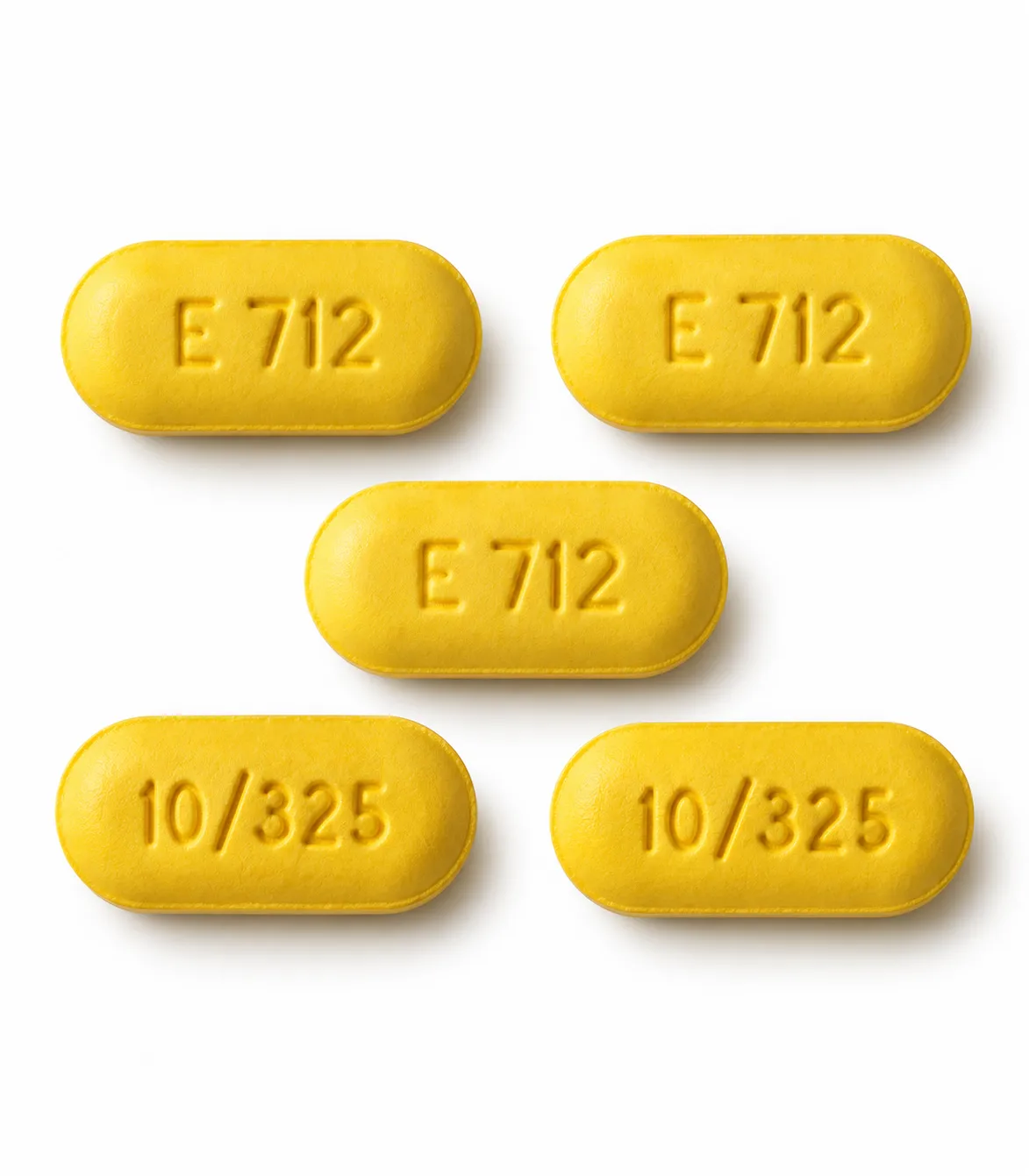
Percocet E712 (Oxycodone/APAP 10/325mg)
Yellow, capsule-shaped, debossed "E712" on one face, "10/325" on reverse.
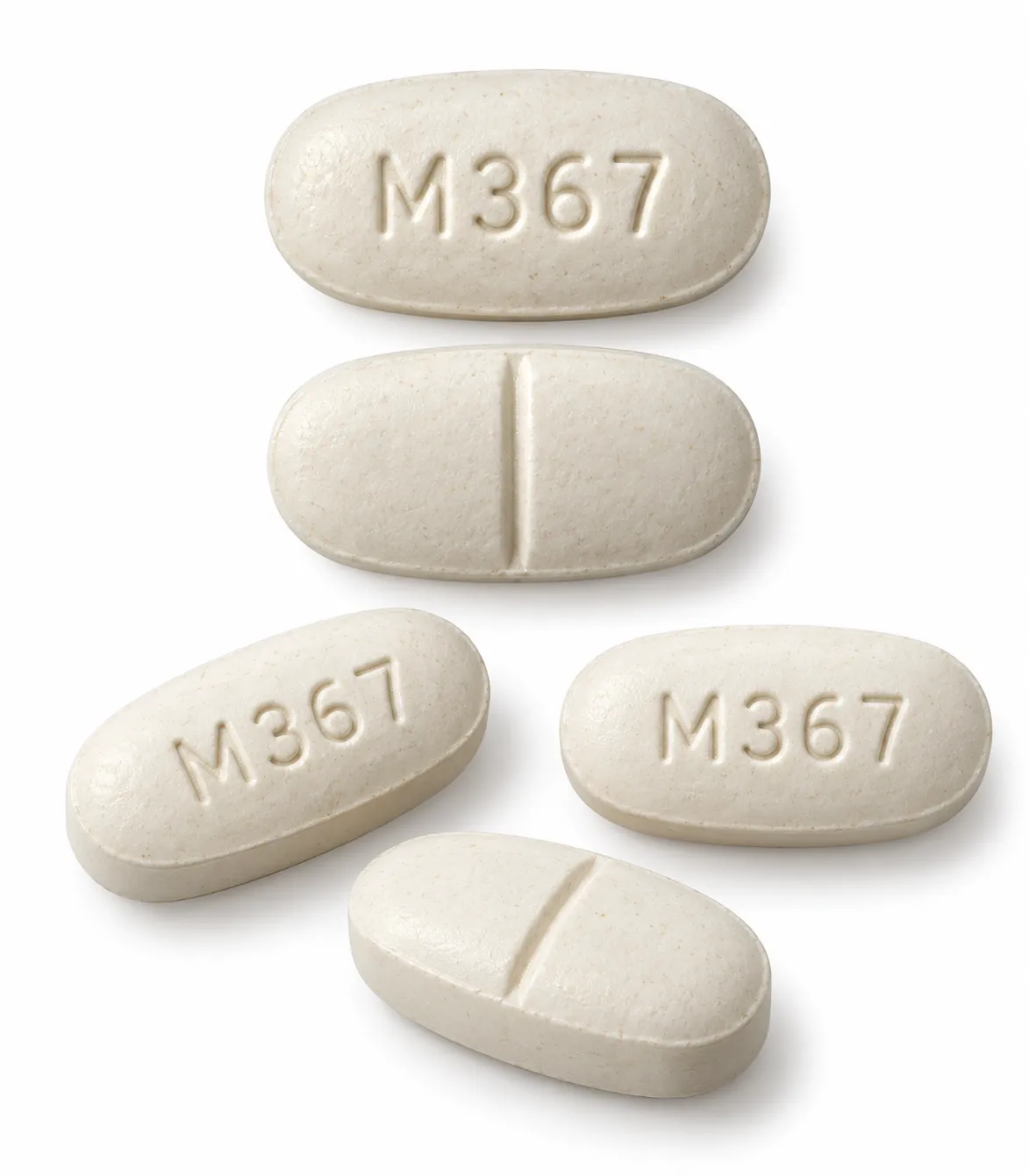
Hydrocodone M367 (Hydrocodone/APAP 10/325mg)
White, capsule-shaped, debossed "M367" on one face, deep bisect score line on reverse.
| PHARMACOLOGICAL PARAMETER | PERCOCET E712 (OXYCODONE / APAP) | HYDROCODONE M367 (NORCO EQUIVALENT) |
|---|---|---|
| Active Pharmaceutical Ingredients | Oxycodone Hydrochloride 10mg + APAP 325mg | Hydrocodone Bitartrate 10mg + APAP 325mg |
| Physical Description & Color | Yellow, capsule-shaped, biconvex tablet | White, capsule-shaped, biconvex tablet |
| Imprint Debossing Codes | "E 712" on face 1; "10 / 325" on face 2 (scored) | "M367" on face 1; Deep functional bisect on face 2 |
| Manufacturer / Lineage | Epic Pharma, LLC / Vintage Pharmaceuticals | Mallinckrodt Pharmaceuticals |
| Equianalgesic Potency (Relative to Oral Morphine) | 1.5x (10mg oxycodone = 15mg oral morphine) | 1.0x (10mg hydrocodone = 10mg oral morphine) |
| Oral Absolute Bioavailability (F) | 60% – 87% (High, highly predictable) | 70% – 80% (Moderate first-pass effect) |
| Peak Plasma Time (Tmax) - Opioid Component | 1.0 – 1.8 hours (Rapid nociceptive relief) | 1.3 – 1.7 hours |
| Peak Plasma Time (Tmax) - APAP Component | 0.5 – 1.0 hours (Rapid duodenal absorption) | 0.5 – 1.0 hours |
| Elimination Half-Life (t1/2) - Opioid | 3.2 – 4.0 hours | 3.8 – 4.5 hours |
| Elimination Half-Life (t1/2) - APAP | 2.0 – 3.0 hours (Normal liver function) | 2.0 – 3.0 hours (Prolongs to 4-8h in toxic liver) |
| Primary Hepatic Clearance Enzymes (Opioid) | CYP3A4 (N-demethylation to noroxycodone, major) CYP2D6 (O-demethylation to oxymorphone, minor) | CYP3A4 (N-demethylation to norhydrocodone, major) CYP2D6 (O-demethylation to hydromorphone, critical) |
| Active Metabolite Activity | Oxymorphone (14x more potent at MOR, but <10% of AUC) | Hydromorphone (Dilaudid; 10x-30x more potent than parent) |
| Pharmacogenomic Variability Impact | Low (Parent oxycodone provides robust intrinsic analgesia) | Moderate to High (CYP2D6 poor metabolizers experience blunted analgesia) |
From a pharmacotherapeutic perspective, Percocet E712 delivers approximately 50% greater analgesic potency milligram-for-milligram than Hydrocodone M367. Because 10mg of oxycodone equates to roughly 15mg of oral morphine (compared to 10mg of oral morphine for 10mg hydrocodone), clinicians often select Percocet E712 for more severe acute post-operative or visceral pain episodes where rapid nociceptive suppression is imperative.
05. Cumulative Dosing Ceilings, High-Risk Vulnerabilities & Metabolic Amplifiers
Establishing clear clinical parameters for maximum daily dosing requires differentiating between young, healthy adults with robust nutritional status and vulnerable patient cohorts possessing physiological or pharmacological risk factors that drastically diminish the liver's tolerance to APAP.
| PATIENT STRATIFICATION | MAX DAILY APAP CEILING | MAX TABLETS (325MG FORMULATION) | CLINICAL RATIONALE & PHYSIOLOGY |
|---|---|---|---|
| Healthy Adult (Normal Hepatic/Renal Function) | 4,000 mg / 24 hours | 12 tablets (3,900 mg) | Intact Phase II glucuronidation/sulfation capacity; full glutathione stores (~8-10 mmol/L). |
| Geriatric Patients (≥ 65 Years) | 3,000 mg / 24 hours | 8 – 9 tablets (2,600 – 2,925 mg) | Age-related decline in hepatic blood flow, reduced cytochrome clearance, frequent subclinical frailty. |
| Chronic Alcohol Misuse (≥ 3 Drinks/Day) | 2,000 mg / 24 hours | 6 tablets (1,950 mg) | Massive CYP2E1 induction coupled with chronic baseline glutathione depletion; high risk of "therapeutic misadventure." |
| Malnutrition, Fasting, Anorexia, Cachexia | 2,000 mg / 24 hours | 4 – 6 tablets (1,300 – 1,950 mg) | Severe deficiency of cysteine and methionine precursors reduces baseline GSH by 50% to 70%. |
| Chronic Hepatitis C / Compensated Cirrhosis | 2,000 mg / 24 hours | 4 – 6 tablets (Strict supervision) | Loss of functional hepatocyte mass; prolonged APAP elimination half-life (t1/2 up to 4-6 hours). |
The Chronic Ethanol Paradox: Induction vs. Competitive Inhibition
The interaction between ethanol and acetaminophen is one of the most clinically critical concepts in pharmacotherapy. Ethanol exhibits a bifunctional, phase-dependent interaction with Cytochrome P450 2E1:
- Acute Concurrent Co-Ingestion (Protective Effect): When ethanol and acetaminophen are ingested simultaneously in an acute setting, ethanol serves as a preferred high-affinity substrate for CYP2E1. It competitively inhibits the oxidation of APAP, transiently decreasing the rate of NAPQI formation and paradoxically protecting against hepatotoxicity during active intoxication.
- Post-Ethanol Abstinence / Withdrawal (Lethal Vulnerability): In chronic heavy alcohol drinkers (>3 standard drinks daily for weeks to months), ethanol induces de novo hepatic synthesis and transcriptional stabilization of CYP2E1, elevating enzyme concentrations by 200% to 400%. When the patient ceases alcohol consumption or enters early withdrawal (12 to 24 hours post-cessation), ethanol is cleared, leaving massively up-regulated CYP2E1 enzymes unopposed. If the patient then consumes normal therapeutic doses of Percocet or Hydrocodone for a hangover or alcohol-related headache, the induced CYP2E1 shunts large volumes of APAP into NAPQI at velocities that instantaneously overwhelm the alcohol-depleted glutathione pool. This phenomenon—termed "acetaminophen therapeutic misadventure"—can precipitate fulminant hepatic failure at doses as low as 3,000 to 4,000 mg/day.
The Over-the-Counter "Double-Dipping" Trap
The single most common etiology of accidental acetaminophen toxicity in outpatients prescribed Percocet E712 or Hydrocodone M367 is concurrent consumption of non-prescription OTC products containing "hidden" APAP:
| COMMON OTC BRAND NAME | APAP STRENGTH PER DOSE | TYPICAL DAILY OTC USAGE | TOTAL LOAD WHEN COMBINED WITH 6 PERCOCET TABLETS |
|---|---|---|---|
| NyQuil Cold & Flu Liquid | 650 mg per 30 mL dose | 4 doses / day = 2,600 mg | 4,550 mg / day (EXCEEDS 4,000mg CEILING) |
| Excedrin Extra Strength Tablets | 250 mg APAP per tablet (500mg per dose) | 4 doses / day = 2,000 mg | 3,950 mg / day (Borderline Maximum Threshold) |
| Tylenol Extra Strength 500mg | 500 mg per caplet (1,000mg per 2 caplets) | 3 doses / day = 3,000 mg | 4,950 mg / day (SEVERE TOXICITY THRESHOLD) |
| DayQuil Severe Cold & Flu Liquid | 650 mg per 30 mL dose | 4 doses / day = 2,600 mg | 4,550 mg / day (HEPATOTOXIC EXPOSURE) |
06. Clinical Staging of Acetaminophen Toxicity, Laboratory Biomarkers & King's College Criteria
The clinical trajectory of acute acetaminophen-induced hepatotoxicity follows a predictable four-stage progression over a 14-day timeline. Recognition of these chronological phases is paramount because early intervention with N-acetylcysteine prior to the onset of Stage II or III is practically 100% protective against fatal liver necrosis.
| CLINICAL STAGE | TIME WINDOW POST-INGESTION | PATIENT PRESENTATION & SYMPTOMS | OBJECTIVE LABORATORY MARKERS | HISTOLOGICAL STATE |
|---|---|---|---|---|
| Phase I: Pre-injury Period | 0.5 – 24 hours | Often completely asymptomatic; or mild anorexia, nausea, diaphoresis, vomiting, general malaise. | Serum transaminases (AST/ALT) normal; normal bilirubin and PT/INR. Serum APAP concentration drawn at 4 hours is elevated. | Active glutathione depletion; no architectural cell lysis. |
| Phase II: Hepatic Onset | 24 – 72 hours | False clinical latency: systemic symptoms may temporarily improve, but right upper quadrant (RUQ) abdominal pain and hepatomegaly develop. | AST and ALT rise steeply (>1,000 IU/L); PT/INR begins to prolong; total bilirubin rises; BUN and creatinine may elevate. | Early ballooning degeneration and early Zone 3 centrilobular necrosis. |
| Phase III: Peak Hepatotoxicity | 72 – 96 hours | Fulminant hepatic failure: profound jaundice, bleeding diathesis, confusion, hepatic encephalopathy (Grades I-IV), asterixis, cerebral edema. | Extreme transaminasemia (AST/ALT >10,000 to 25,000+ IU/L); INR > 5.0; severe hypoglycemia, lactic acidosis (pH < 7.30), hyperammonemia. | Confluent, pan-lobular centrilobular necrosis involving entire acinus. |
| Phase IV: Recovery or Death | 4 days – 2 weeks | Survivors experience rapid clinical recovery. Histological architecture regenerates completely without chronic scarring or cirrhosis. | Transaminases and INR normalize over 7 to 14 days. Failure to recover progresses to refractory shock, cerebral herniation, and death. | Remarkable hepatocyte mitotic regeneration; complete structural recovery. |
King's College Criteria for Emergency Liver Transplantation
In patients who progress to Phase III fulminant hepatic failure despite medical management, mortality without orthotopic liver transplantation exceeds 80%. The globally recognized gold-standard prognostic scoring tool is the King's College Hospital Criteria for Acetaminophen-Induced Acute Liver Failure:
EMERGENCY LIVER TRANSPLANTATION IS INDICATED IF EITHER CRITERION IS MET:
Criterion 1 (Isolated Severe Acidosis): Arterial pH < 7.30 (or arterial lactate > 3.0 mmol/L) measured after adequate fluid resuscitation, regardless of the grade of hepatic encephalopathy.
Criterion 2 (Combined Triad): Concurrent presence of all three of the following variables within a 24-hour period:
- Advanced Hepatic Encephalopathy (Grade III or IV; stupor, marked confusion, or coma)
- Prothrombin Time > 100 seconds (International Normalized Ratio [INR] > 6.5)
- Serum Creatinine > 3.4 mg/dL (300 μmol/L) indicating acute hepatorenal failure
07. The Rumack-Matthew Nomogram & N-Acetylcysteine (NAC) Reversal Protocols
The assessment of acute acetaminophen overdose relies on the Rumack-Matthew Nomogram (semilogarithmic plot of serum APAP concentration vs. time post-ingestion). The nomogram applies strictly to single, acute, non-extended-release ingestions presenting between 4 and 24 hours post-exposure. Levels drawn prior to 4 hours post-ingestion cannot be interpreted because gastrointestinal absorption and distribution are incomplete.
📈 NOMOGRAM INTERPRETATION & TREATMENT THRESHOLDS:
- The 150 μg/mL Treatment Line (US Standard): In the United States, clinical toxicologists utilize the conservative treatment threshold line that begins at 150 μg/mL (993 μmol/L) at exactly 4 hours post-ingestion and extends down to 4.7 μg/mL at 24 hours. This line is positioned 25% below the original Prescott research line (200 μg/mL at 4h) to provide an essential safety buffer accounting for assay variance and minor history errors.
- Any level falling on or above the 150 line mandates immediate initiation of full-course N-acetylcysteine (NAC) therapy.
- Limitation in Opioid Combinations: Because opioids (such as oxycodone in Percocet E712 or hydrocodone in Hydrocodone M367) induce opioid-mediated gastrointestinal hypomotility and delayed gastric emptying, APAP absorption may be prolonged. In large combination overdoses, repeated serum APAP levels must be drawn 4 to 6 hours after the initial 4-hour draw to confirm that concentrations are declining rather than peaking late.
Mechanisms of Action of N-Acetylcysteine (NAC)
N-acetylcysteine is the definitive antidote for acetaminophen poisoning, operating via multiple complementary cellular mechanisms:
- Glutathione Synthesis Precursor: NAC undergoes rapid deacetylation within hepatocytes to yield L-cysteine, the rate-limiting amino acid precursor required for intracellular glutathione (GSH) synthesis via γ-glutamylcysteine synthetase.
- Direct Electrophile Scavenging: The free sulfhydryl group (-SH) of NAC can directly bind and neutralize free NAPQI when cellular GSH is depleted.
- Enhancement of Non-Toxic Sulfation: NAC provides an inorganic sulfate donor, restoring the capacity of the saturated Phase II SULT1A1 pathway to clear unmetabolized parent APAP.
- Late Anti-Inflammatory & Microvascular Hemodynamic Support: Even when administered late (>16 to 24 hours post-ingestion) in fulminant hepatic failure when NAPQI is no longer circulating, NAC acts as a systemic scavenger of reactive oxygen/nitrogen species and enhances nitric oxide-mediated microvascular perfusion to necrotic centrilobular liver tissue, decreasing cerebral edema and multiorgan failure.
Evidence-Based N-Acetylcysteine Administration Regimens
| ADMINISTRATION ROUTE | REGIMEN DURATION | DOSING SCHEDULE & INFUSION PROTOCOL | TOTAL DOSE | CLINICAL CONSIDERATIONS |
|---|---|---|---|---|
| Intravenous (Acetadote® 3-Bag Standard) | 21 Hours |
Bag 1 (Loading): 150 mg/kg in 200 mL D5W over 60 min. Bag 2 (Interim): 50 mg/kg in 500 mL D5W over 4 hours. Bag 3 (Maintenance): 100 mg/kg in 1,000 mL D5W over 16 hours. | 300 mg/kg | Preferred for intractable vomiting, pregnancy, altered mental status, or acute liver failure. Monitor for non-IgE anaphylactoid reactions (flushing/rash; treat with diphenhydramine). |
| Intravenous (Modified 2-Bag Regimen) | 20 Hours |
Bag 1: 200 mg/kg in 1,000 mL D5W infused over 4 hours. Bag 2: 100 mg/kg in 1,000 mL D5W infused over 16 hours. | 300 mg/kg | Significantly reduces the incidence of anaphylactoid reactions by slowing the initial peak rate of infusion. |
| Oral NAC (Mucomyst® 72-Hour Standard) | 72 Hours |
Loading Dose: 140 mg/kg PO once. Maintenance: 70 mg/kg PO every 4 hours for 17 additional doses. | 1,330 mg/kg | Equally efficacious to IV when tolerated. Dilute 20% solution to 5% in carbonated cola/juice. High rate of nausea/vomiting; co-administer ondansetron. |
08. Safe Clinical Dosing, Opioid-Sparing Synergy & Ashton Step-Down Tapering Protocols
The pharmacological rationale for formulating fixed-dose opioid-acetaminophen combination tablets is multimodal analgesia. While oxycodone and hydrocodone activate central and spinal μ-opioid receptors (MOR) to inhibit ascending nociceptive transmission, acetaminophen exerts central prostaglandin synthesis inhibition (likely via central COX-1, COX-2, and cannabinoid CB1 receptor pathways).
This synergy delivers superior pain relief at lower individual doses of each agent, creating an opioid-sparing effect that reduces opioid-induced adverse events such as respiratory depression, sedation, and gastrointestinal paralysis.
Safe Outpatient Dosing Boundaries for Percocet E712 & Hydrocodone M367
- Standard Post-Surgical Acute Nociceptive Regimen: 1 tablet (10/325mg) orally every 6 hours as needed for severe pain. Total daily dose: 4 tablets (40mg opioid + 1,300mg APAP). This provides powerful nociceptive control while leaving a vast 2,700mg APAP safety buffer below the 4,000mg ceiling.
- Severe Breakthrough Pain (Absolute Prescribing Ceiling): 1 to 2 tablets orally every 4 to 6 hours as needed. Absolute maximum limit: Not to exceed 8 tablets in 24 hours (80mg opioid + 2,600mg APAP). Even at this maximum clinical dose, APAP exposure remains 35% below the daily hepatotoxicity ceiling.
- Minimum Inter-Dose Interval: Never administer doses closer than 4 hours apart. Rapid successive dosing produces cumulative peak APAP spikes in the portal vein that can temporarily saturate Phase II enzymes.
Step-Down Tapering Schedule: Preventing Withdrawal Without Escalating APAP
When discontinuing short-term or chronic therapy with Percocet E712 or Hydrocodone M367, abrupt cessation triggers the acute opioid withdrawal toxidrome (autonomic hyper-reactivity, diaphoresis, myalgias, diarrhea, severe anxiety). Conversely, improper tapering where a patient substitutes massive doses of over-the-counter APAP to mask withdrawal aches creates catastrophic liver injury risks. Clinical pharmacists utilize structured linear step-down tapering schedules:
| TAPER PHASE | DURATION | DAILY REGIMEN (10/325MG TABLETS) | TOTAL OPIOID DOSE | TOTAL APAP LOAD |
|---|---|---|---|---|
| Baseline High-Dose | Baseline | 1 tablet every 4 hours (6 tablets/day) | 60 mg / day | 1,950 mg (Safe) |
| Step 1: 25% Reduction | Days 1 – 4 | 1 tablet every 6 hours (4 tablets/day) | 40 mg / day | 1,300 mg |
| Step 2: 50% Reduction | Days 5 – 8 | 1/2 tablet every 6 hours (2 tablets/day) | 20 mg / day | 650 mg |
| Step 3: Bedtime Gating | Days 9 – 12 | 1/2 tablet at bedtime (0.5 tablet/day) | 5 mg / day | 162.5 mg |
| Step 4: Complete Cessation | Day 13+ | Discontinue; Transition to non-APAP non-opioid comfort agents (ibuprofen, magnesium glycinate) | 0 mg | 0 mg |
09. FDA Boxed Warnings, Dual Toxidrome Recognition & Emergency Resuscitation
Combination prescription analgesics such as Percocet E712 and Hydrocodone M367 are classified as DEA Schedule II controlled substances and carry the FDA's most rigorous regulatory mandate: Multiple FDA Boxed Warnings (21 CFR § 201.57).
🚨 FDA MANDATED BOXED WARNINGS FOR PERCOCET & HYDROCODONE COMBINATIONS
- HEPATOTOXICITY WARNING: Acetaminophen has been associated with cases of acute liver failure, at times resulting in liver transplant and death. Most cases of liver injury are associated with the use of acetaminophen at doses that exceed 4,000 milligrams per day, and often involve more than one acetaminophen-containing product.
- ADDICTION, ABUSE, AND MISUSE: Exposure to oxycodone and hydrocodone exposes patients and other users to the risks of opioid addiction, abuse, and misuse, which can lead to overdose and death. Assess each patient's risk prior to prescribing.
- LIFE-THREATENING RESPIRATORY DEPRESSION: Serious, life-threatening, or fatal respiratory depression may occur with the use of oxycodone or hydrocodone. Monitor for respiratory depression, especially during initiation or following a dose increase.
- ACCIDENTAL INGESTION: Accidental ingestion of even one dose of Percocet or Hydrocodone combination tablets, especially by children, can result in a fatal overdose of oxycodone or hydrocodone.
- NEONATAL OPIOID WITHDRAWAL SYNDROME (NOWS): Prolonged use of opioid analgesics during pregnancy can result in neonatal opioid withdrawal syndrome, which may be life-threatening if not recognized and treated.
- CYTOCHROME P450 3A4 INTERACTIONS: The concomitant use of oxycodone or hydrocodone with all cytochrome P450 3A4 inhibitors (e.g., macrolides, azole antifungals, protease inhibitors) may result in an increase in opioid plasma concentrations, potentially increasing or prolonging adverse reactions and causing fatal respiratory depression.
- CONCOMITANT USE WITH BENZODIAZEPINES OR OTHER CNS DEPRESSANTS: Concomitant use of opioids with benzodiazepines (such as alprazolam, clonazepam, diazepam) or other central nervous system depressants, including alcohol, may result in profound sedation, respiratory depression, coma, and death.
The Dual Toxidrome Conundrum & Emergency Resuscitation Sequencing
In an acute massive overdose involving Percocet E712 or Hydrocodone M367, emergency clinicians encounter a life-threatening dual toxidrome:
1. IMMEDIATE LETHALITY: THE OPIOID TOXIDROME
Hallmark Triad: Central nervous system depression, pinpoint pupils (miosis), and respiratory depression (<8 breaths per minute, cyanosis).
Immediate Threat: Death occurs within minutes to hours from acute hypercapnic respiratory arrest and cerebral anoxia.
Antidote: Naloxone Hydrochloride (Narcan) 0.4mg to 2.0mg IV/IM/IN, titrated to restore spontaneous respirations without precipitating acute fulminant withdrawal.
2. DELAYED LETHALITY: THE APAP TOXIDROME
Clinical Presentation: Silent, asymptomatic Phase I cellular injury. Patients resuscitated from opioid apnea may appear awake and fully recovered.
Delayed Threat: Progressive glutathione depletion leading to irreversible centrilobular liver necrosis, coagulopathy, and fatal multi-organ failure 3 to 5 days later.
Antidote: N-Acetylcysteine (NAC) infusion initiated immediately based on serum APAP levels or high clinical suspicion.
EMERGENCY RESUSCITATION ALGORITHM:
Step 1: Secure Airway, Breathing, Circulation (ABC). Administer supplemental oxygen.
Step 2: Administer Naloxone IV/IN to reverse life-threatening opioid-induced respiratory depression.
Step 3: Draw immediate baseline labs: STAT serum APAP level, AST/ALT, Total Bilirubin, PT/INR, Electrolytes, BUN/Creatinine, Venous Blood Gas (VBG).
Step 4: If ingestion occurred < 2 hours prior and patient is alert with intact airway, consider activated charcoal (1 g/kg orally).
Step 5: If 4+ hours post-ingestion, plot APAP on Rumack-Matthew Nomogram. If unknown time or suspected massive ingestion (≥ 7.5g), commence IV N-acetylcysteine (150 mg/kg loading dose) immediately without waiting for lab confirmation.
10. Critical Drug Interactions Matrix: CYP Modulators, Hepatotoxins & Synergistic Depressants
Because combination products contain two metabolically distinct active pharmaceutical ingredients, drug interaction screening must account for both Cytochrome P450 modulators affecting opioid clearance and xenobiotics that exacerbate APAP-induced hepatotoxicity.
| INTERACTING AGENT | PRIMARY MECHANISM | CLINICAL CONSEQUENCE | MANAGEMENT & PRACTICE RECOMMENDATION |
|---|---|---|---|
| CYP3A4 Inhibitors (Ketoconazole, Clarithromycin, Ritonavir, Grapefruit Juice) | Blocks N-demethylation of oxycodone/hydrocodone to inactive nor-metabolites. | 2-fold to 3-fold spike in opioid AUC; severe sedation, fatal respiratory arrest. | Reduce opioid dose by 50% or select alternative non-CYP3A4 analgesic; close respiratory monitoring. |
| CYP2E1 Inducers (Chronic Alcohol, Isoniazid) | Accelerates Phase I conversion of APAP to NAPQI. | Precipitates fulminant centrilobular liver necrosis at therapeutic APAP doses. | Limit cumulative APAP to ≤ 2,000 mg/day; avoid combination products during active isoniazid therapy. |
| Benzodiazepines & Z-Drugs (Alprazolam, Clonazepam, Zolpidem) | Synergistic GABAA chloride conductance + MOR hyperpolarization in brainstem respiratory centers. | Profound sedation, loss of hypoxic respiratory drive, fatal apnea. | Avoid concurrent prescribing; co-prescribe naloxone auto-injector if combination is unavoidable. |
| Warfarin (Coumadin) | Chronic APAP (>2,000 mg/day) inhibits vitamin K-dependent carboxylase and increases warfarin bioavailability. | Significant elevation of INR (>4.0 to 6.0); severe hemorrhagic bleeding risk. | Monitor weekly INR when initiating combination analgesics; reduce warfarin dose by 20% to 30%. |
| CYP2D6 Inhibitors (Fluoxetine, Paroxetine, Bupropion) | Blocks bioactivation of hydrocodone into active hydromorphone (Dilaudid). | Blunted analgesia for Hydrocodone M367; patient may dangerously self-escalate doses, overloading APAP. | Switch to Percocet E712 (oxycodone possesses high intrinsic MOR activity without CYP2D6 requirement). |
11. Forensic Verification: Authentic Pill Imprints (E712, M367) vs. Illicit Fentanyl Counterfeits
The ongoing North American illicit drug crisis is characterized by the widespread manufacturing and distribution of lethal counterfeit pressed tablets. Clandestine cartels utilize automated rotary pill presses to stamp illicit synthetic fentanyl, 4-fluoroisobutyrylfentanyl, and novel nitazene analogs (e.g., isotonitazene) into tablets visually mimicking genuine prescription analgesics—specifically Percocet E712, Hydrocodone M367, and Roxicodone M30.
According to DEA Special Testing and Research Laboratory forensic analyses, over 7 out of 10 seized counterfeit prescription pills contain a potentially lethal dose of fentanyl (≥ 2.0 mg). Authentic pharmaceutical products dispensed through licensed US supply chains possess strict compendial specifications:
| INSPECTION CRITERIA | AUTHENTIC PERCOCET E712 | AUTHENTIC HYDROCODONE M367 | LETHAL ILLICIT COUNTERFEIT TABLETS |
|---|---|---|---|
| Color Uniformity & Coating | Uniform pastel yellow throughout core; no mottling or dark specks. | Bright, pure medical white with semi-gloss pharmaceutical finish. | Chalky, dull, uneven color; specks of blue/gray dye or patchy binder. |
| Debossing Precision | Crisp, laser-tooled "E712" with uniform stroke depth and sharp borders. | Laser-cut "M367" with symmetrical "M" arches and deep bisect score. | Soft, rounded, shallow, or crooked debossing from worn mechanical dies. |
| Tablet Friability & Hardness | Hard compressed matrix; USP <1216> friability <1.0%; zero bottle dust. | Firm core; snaps cleanly along score line without edge crumbling. | Fragile, crumbly edges; excessive loose powder in baggies or bottles. |
| USP <711> Dissolution Rate | >85% dissolved in 15 minutes (0.1 N HCl, 37°C). | >85% dissolved in 15 minutes. | Erratic dissolution; leaves insoluble binder sludge or gelatinous mass. |
| Analytical Assay Purity | HPLC Assay ≥ 99.8%; Verified zero fentanyl. | HPLC Assay ≥ 99.8%; Verified zero fentanyl. | Contains lethal fentanyl, acetylfentanyl, xylazine ("tranq"), or nitazenes. |
12. Sourcing Protocols, EPCS Telehealth Compliance & US Domestic Delivery Guarantees
Operating in full compliance with United States federal pharmacy jurisprudence—specifically the Ryan Haight Online Pharmacy Consumer Protection Act of 2008 (21 U.S.C. § 829(e)) and DEA regulations governing Controlled Substances (21 CFR Part 1300)—VitalRxCare mandates rigorous verification standards for all prescription analgesic dispensions.
🛡️ VITALRXCARE FIVE-PILLAR DISPENSING ARCHITECTURE:
- Valid Electronic Prescribing for Controlled Substances (EPCS): Under federal law, Schedule II controlled substances cannot be dispensed without a valid prescription issued by a DEA-registered practitioner via certified two-factor authenticated EPCS technology or following an accredited telehealth consultation.
- Prescription Drug Monitoring Program (PDMP) Cross-Check: VitalRxCare clinical pharmacists execute mandatory real-time PDMP queries across state databases (e.g., California CURES, Texas PMP, Florida E-FORCSE) to eliminate multi-provider episode risks ("doctor shopping") and prevent concurrent sedative-opioid polypharmacy conflicts.
- cGMP Licensed US Domestic Dispensing: All medications are dispensed strictly from state-licensed, NABP-accredited domestic US fulfillment pharmacies in original, tamper-evident blister packaging or induction-sealed bottles with child-resistant closures.
- USP <621> Analytical Quality Assurance: Every manufacturing batch is verified with a manufacturer Certificate of Analysis (COA) confirming ≥ 99.8% active ingredient potency assay, uniform tablet mass variation (USP <905>), and absolute absence of synthetic adulterants.
- Discreet, Climate-Monitored USPS Priority Express Delivery: Orders are dispatched in unmarked, heavy-gauge opaque security packaging with tracked USPS Priority Mail Express (2-3 Day domestic delivery), preventing thermal degradation of active substances.
13. Formulary Showcase: Clinical Opioid-APAP Analgesic Formulations
VitalRxCare provides comprehensive clinical monograph coverage, patient counseling, and verified domestic fulfillment for physician-prescribed Schedule II analgesics formulated to the strict FDA 325mg acetaminophen safety ceiling:
★ 4.9 (184 Reviews)
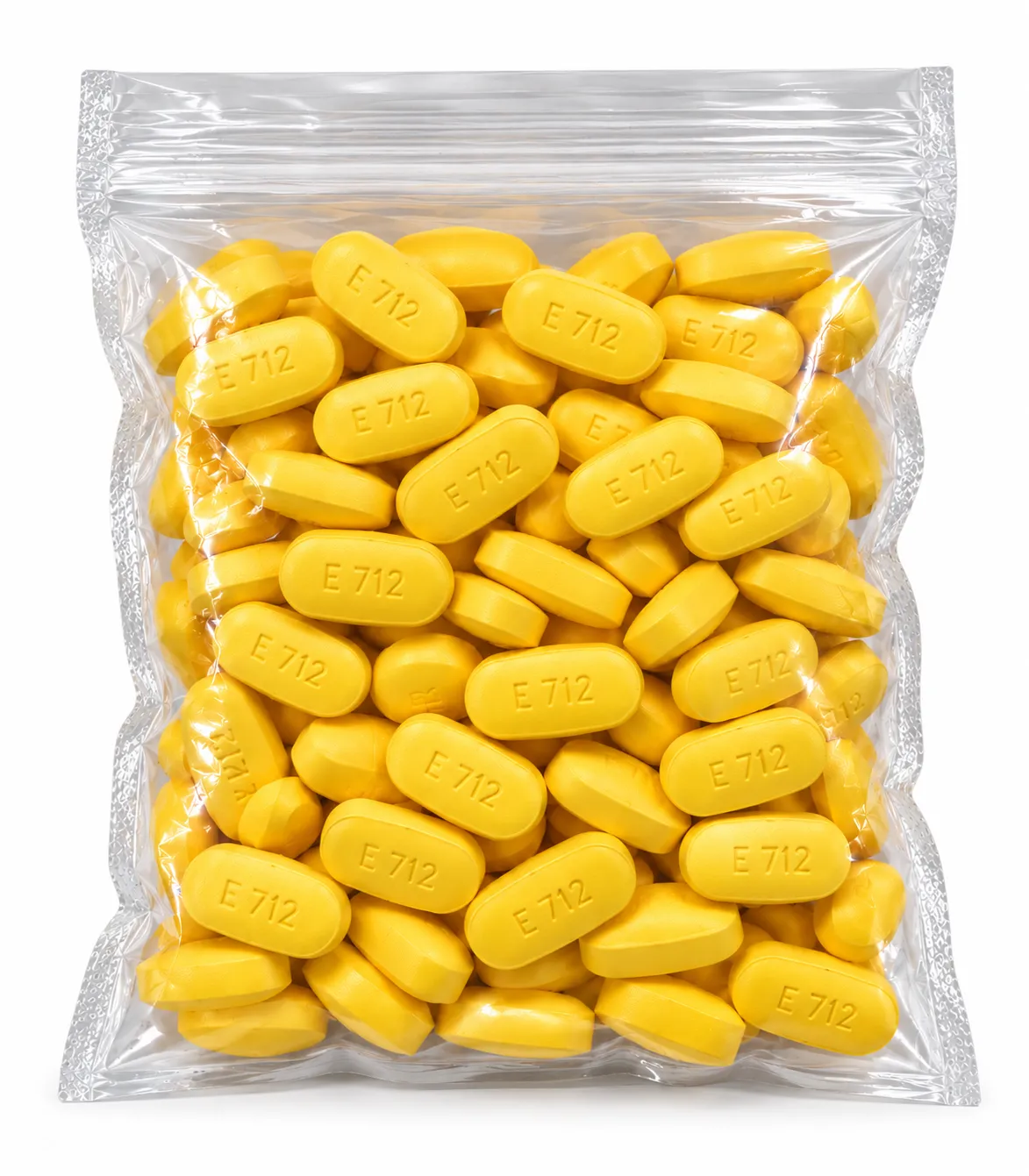
Percocet E712 (Oxycodone/APAP 10/325mg)
High-potency mu-opioid receptor agonist combined with 325mg APAP for acute post-surgical nociceptive suppression. Rapid 1.0-1.8h Tmax, FDA 325mg safety cap, authentic yellow capsule tablet with "E712" debossing.
Delivery: 2-3 Day USPS Priority
★ 4.8 (212 Reviews)
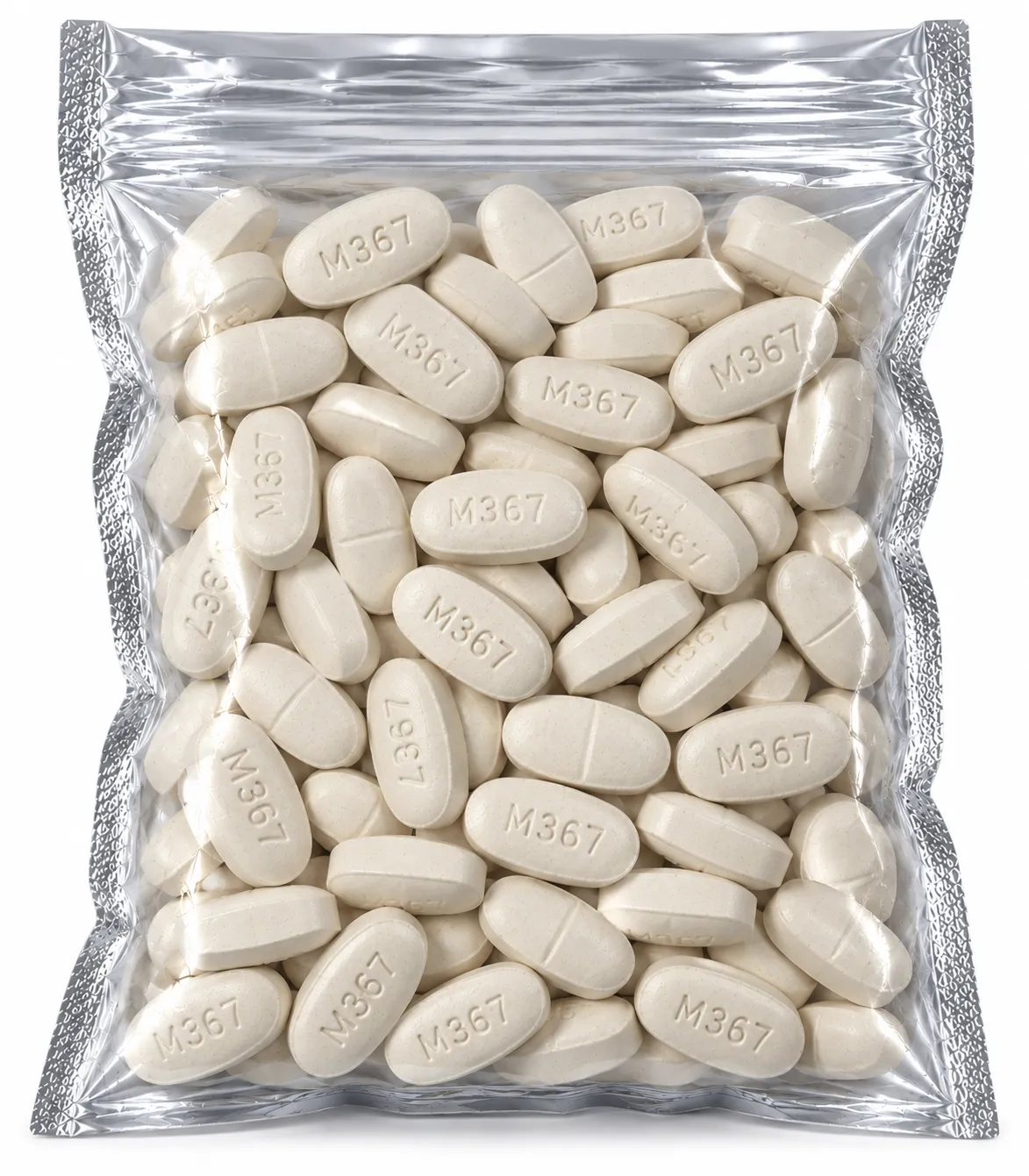
Hydrocodone M367 (Hydrocodone/APAP 10/325mg)
Established gold-standard Norco equivalent combining 10mg hydrocodone bitartrate with 325mg APAP. Smooth 4-6h analgesia duration, crisp "M367" debossing with functional bisect score for precise titration.
Delivery: 2-3 Day USPS Priority
Related Clinical Guides & Monographs: Explore our comprehensive clinical evaluations of non-APAP dual-action analgesics in the Tapentadol (Aspadol 100mg) Clinical Monograph and browse full departmental protocols in the VitalRxCare Clinical Pharmacotherapy Monograph Index.
14. Frequently Asked Clinical Questions (People Also Ask Structured)
Why did the FDA reduce the acetaminophen content in Percocet and Vicodin from 650mg/500mg down to 325mg?
The FDA mandated the 325mg combination ceiling in 2011 (effective 2014) because acetaminophen was the leading cause of acute liver failure in the US, with nearly 50% of cases caused by unintentional overdoses of prescription opioid-APAP combinations. When taking older formulations containing 500mg or 650mg of APAP, patients titrating opioids to control breakthrough pain frequently exceeded the 4,000 mg/day toxic threshold. Limiting APAP to 325mg per tablet maintains full opioid analgesia while providing a substantial safety buffer against hepatotoxicity.
What is NAPQI, and how does it cause irreversible liver damage?
NAPQI (N-acetyl-p-benzoquinone imine) is a highly reactive, toxic electrophilic intermediate generated when Cytochrome P450 2E1 oxidizes acetaminophen. Under normal conditions, NAPQI is immediately neutralized by binding to glutathione. However, in an overdose or when liver glutathione stores fall below 30% of normal baseline, free NAPQI covalently binds to mitochondrial proteins in Zone 3 hepatocytes. This triggers the opening of mitochondrial permeability transition (MPT) pores, halts ATP production, causes cellular swelling (oncosis), and results in extensive centrilobular liver necrosis.
How many Percocet E712 or Hydrocodone M367 tablets can safely be taken in a single day?
In healthy adults with normal liver function, the absolute maximum daily limit is 8 tablets of 10/325mg formulations per 24 hours (providing 80mg opioid and 2,600mg APAP), leaving a 1,400mg safety buffer below the 4,000mg ceiling. However, in patients who consume alcohol regularly (≥3 drinks/day), have chronic liver disease, or are malnourished/fasting, the maximum daily limit is 4 to 6 tablets per day (≤ 2,000 mg APAP). Never take more than 2 tablets in a single 4-to-6-hour dosing window.
Why is mixing alcohol with Percocet or Hydrocodone combinations exceptionally dangerous for the liver?
Chronic alcohol consumption massively induces (up-regulates) the hepatic CYP2E1 enzyme while depleting intracellular glutathione reserves. When an individual stops drinking and takes acetaminophen, the hyperactive CYP2E1 rapidly converts a much larger proportion of the drug into toxic NAPQI. Because their glutathione stores are already severely depleted, massive liver necrosis can occur even at therapeutic doses (2,000 to 4,000 mg). Furthermore, alcohol synergistically potentiates opioid-induced central nervous system and respiratory depression, which can cause fatal apnea.
What is N-acetylcysteine (NAC), and how quickly must it be given to prevent liver failure?
N-acetylcysteine (NAC) is the specific biochemical antidote for acetaminophen toxicity. It acts primarily as a precursor to L-cysteine, replenishing intracellular glutathione so the liver can safely neutralize NAPQI. When administered within 8 hours of an acute overdose, NAC reduces the risk of severe hepatotoxicity from approximately 50% to less than 2%, virtually eliminating fatal liver failure. Even when given late (16 to 24+ hours post-ingestion), NAC significantly improves survival by acting as an antioxidant, improving microvascular perfusion, and reducing cerebral edema.
How do I tell if my Percocet E712 or Hydrocodone M367 tablets are genuine and not counterfeit fentanyl fakes?
Authentic Percocet E712 tablets are uniform pastel yellow with razor-sharp, laser-cut debossing of "E712" on one face and "10/325" on the reverse, with minimal friability (under 1% powder loss). Authentic Hydrocodone M367 tablets are pure, bright medical white with crisp "M367" debossing and a deep functional bisect score on the reverse. Illicit counterfeit pills pressed with fentanyl typically exhibit chalky, crumbly edges, uneven dye coloration, blurry debossing, and dissolve erratically. Only obtain prescription analgesics through state-licensed domestic pharmacies with verified electronic prescriptions (EPCS).
15. Primary References & Peer-Reviewed Literature Citations (AMA Style)
- Lee WM. Acetaminophen and the U.S. Acute Liver Failure Study Group: Lowering the risks. Hepatology. 2004;40(1):6-9. doi:10.1002/hep.20293.
- Larson AM, Polson J, Fontana RJ, et al. Acetaminophen-induced acute liver failure: Results of a United States multicenter, prospective study. Hepatology. 2005;42(6):1364-1372. doi:10.1002/hep.20948.
- US Food and Drug Administration. Prescription Drug Products Containing Acetaminophen; Action to Address Risk of Serious Liver Injury. Fed Regist. 2011;76(10):2691-2697. Docket No. FDA-2011-N-0021.
- Rumack BH, Matthew H. Acetaminophen poisoning and toxicity. Pediatrics. 1975;55(6):871-876.
- Prescott LF, Illingworth RN, Critchley JA, et al. Intravenous N-acetylcysteine: The treatment of choice for paracetamol poisoning. Br Med J. 1979;2(6198):1097-1100. doi:10.1136/bmj.2.6198.1097.
- Jaeschke H, McGill MR, Ramachandran A. Oxidant stress, mitochondria, and cell death mechanisms in drug-induced liver injury: Lessons learned from acetaminophen hepatotoxicity. Drug Metab Rev. 2012;44(1):88-106. doi:10.3109/03602532.2011.602688.
- O'Grady JG, Alexander GJ, Hayllar KM, Williams R. Early indicators of prognosis in fulminant hepatic failure. Gastroenterology. 1989;97(2):439-445. doi:10.1016/0016-5085(89)90081-4.
- Zimmerman HJ, Maddrey WC. Acetaminophen (paracetamol) hepatotoxicity with regular intake of alcohol: Analysis of instances of suspected synergism. Hepatology. 1995;22(3):767-773.
- Keays R, Harrison PM, Wendon JA, et al. Intravenous acetylcysteine in paracetamol induced fulminant hepatic failure: A prospective controlled trial. BMJ. 1991;303(6809):1026-1029. doi:10.1136/bmj.303.6809.1026.
- Dart RC, Rumack BH. Patient-tailored acetylcysteine administration. Ann Emerg Med. 2007;50(3):280-281. doi:10.1016/j.annemergmed.2007.03.027.
USPS 2-3 Day Priority Express • Full Tracking
Order Genuine Percocet 10/325mg (E712) & Hydrocodone M367 Online
Dual-action opioid/APAP combination analgesics for severe acute pain. Authentic scored tablets with verifiable imprint markings and discreet express delivery.
Order Hydrocodone M367 →
✓ 100% US Delivery Guarantee • Discreet Packaging
Related Patient Services & Verified Care
Every prescription order is verified by a licensed pharmacist in strict adherence to FDA BeSafeRx protocols.