

Klonopin vs. Generic Clonazepam: Bioequivalence Data, Dissolution Rates, Inactive Excipients, and Patient Outcomes

Klonopin vs. Generic Clonazepam: Bioequivalence Data, Dissolution Rates, Inactive Excipients, and Patient Outcomes
A comparative clinical pharmacokinetics review evaluating brand Klonopin (Roche) versus FDA-approved generic clonazepam across efficacy, tolerability, and cost.
CLINICAL COMPARATIVE PHARMACOKINETICS
EXECUTIVE CLINICAL SUMMARY
A frequent clinical controversy in epilepsy and anxiety clinics is whether brand-name Klonopin® (Roche/Genentech) provides clinical stability superior to FDA-approved generic clonazepam (manufactured by Teva, Solco, Accord, and Mylan). Under federal regulatory standards, generic clonazepam must demonstrate strict bioequivalence—confirming that its rate and extent of systemic absorption (Cmax and AUC) fall within the statistical 90% confidence interval of 80.00% to 125.00% of the reference brand drug. While both formulations contain the identical active chemical molecule, differences in inactive binders, disintegrants, and dissolution rates can influence patient perception and seizure stability in brittle epilepsy.
01. FDA bioequivalence metrics: Statistical parameters and therapeutic equivalence
To earn an “AB” therapeutic equivalence rating in the FDA Orange Book, generic manufacturers conduct randomized, two-treatment, two-period crossover pharmacokinetic studies in human subjects.
| PHARMACOKINETIC METRIC | BRAND KLONOPIN® (ROCHE) | GENERIC CLONAZEPAM (TEVA / SOLCO) | FDA ACCEPTANCE CRITERIA | CLINICAL INTERPRETATION |
|---|---|---|---|---|
| Active Molecule Purity | Clonazepam 2.0mg (USP) | Clonazepam 2.0mg (USP) | Identical chemical purity (≥99.5%) | Exact GABA-A α1-α5 allosteric binding affinity |
| Peak Concentration (Cmax) | ~13.5 ng/mL (Reference 100%) | 13.1 – 13.9 ng/mL (97% – 103%) | 90% CI within 80.00% – 125.00% | Clinically indistinguishable peak plasma exposure |
| Area Under Curve (AUC0-∞) | ~570 ng•h/mL (Reference 100%) | 558 – 582 ng•h/mL (98% – 102%) | 90% CI within 80.00% – 125.00% | Identical total systemic medication absorption |
| Time to Peak (Tmax) | 1.0 to 4.0 hours | 1.0 to 4.0 hours | Statistically comparable dissolution | Equivalent speed of clinical therapeutic onset |
| Terminal Half-Life (t½) | 30 to 40 hours | 30 to 40 hours | Statistically identical clearance | Identical long-acting seizure and panic protection |
| Average 30-Day Cost | $220 – $380+ (Out of pocket) | $10 – $25 (Tier 1 Generic) | N/A | Over 90% patient financial savings |
02. Inactive excipients: Binders, fillers, and gastrointestinal dissolution
Although the 2mg active clonazepam molecule is chemically identical, tablet manufacturing recipes vary across generic houses. Common excipients include:
- Lactose monohydrate: The primary bulk filler. Highly sensitive lactose-intolerant patients may experience mild gastrointestinal bloating with specific generics.
- Corn starch / Pregelatinized starch: Used as disintegrants to promote rapid tablet breakdown in stomach acid.
- Magnesium stearate: Tablet lubricant. Formulations with slightly higher lubricant concentrations dissolve 5 to 10 minutes slower in in-vitro dissolution baths.
- Coloring Agents: FD&C Blue No. 1, D&C Yellow No. 10. Rare hypersensitivity reactions to specific azo dyes have been documented.
03. The narrow therapeutic index debate in seizure disorders
In panic disorder and generalized anxiety, generic switching is exceptionally well tolerated. However, in brittle epilepsy syndromes (such as Lennox-Gastaut or severe refractory myoclonic seizures), small 5% to 10% variations in plasma trough levels occurring when a pharmacy switches between different generic manufacturers can occasionally trigger breakthrough seizures. The American Academy of Neurology (AAN) recommends maintaining patients on the same manufacturer once seizure freedom is achieved.
04. The nocebo effect in panic disorder and anxiety transitions
In outpatient psychiatric practice, anxiety patients switching from brand Klonopin to generic clonazepam often report sudden return of panic symptoms. Double-blind crossover clinical trials consistently show that when patients do not know which tablet they are taking, efficacy and side-effect rates are completely identical. This phenomenon is driven by the nocebo effect—anticipatory anxiety regarding generic quality triggers adrenergic hyperarousal that is mistakenly blamed on the generic pill.
05. Best practice: Manufacturer consistency on pharmacy refills
To ensure optimal clinical stability without paying exorbitant brand-name prices, patients and prescribers should request that the dispensing pharmacy lock in the same generic manufacturer (e.g., sticking with Teva or Solco on every refill). This guarantees 100% identical tablet appearance, excipient profile, and dissolution performance month after month.
06. Detailed Receptor Neurobiology & GABA-A Subunit Pharmacology
At the molecular level, Clonazepam functions as a positive allosteric modulator of the gamma-aminobutyric acid type A (GABA-A) receptor complex, the primary inhibitory neurotransmitter system in the mammalian central nervous system. The pentameric GABA-A receptor spans the neuronal cell membrane, typically comprising two alpha (α), two beta (β), and one gamma (γ) subunit arranged around a central chloride ion pore.
Clonazepam binds stereospecifically to the high-affinity allosteric pocket located at the interface of the α and γ2 subunits. Crucially, binding does not directly open the chloride channel in the absence of GABA; rather, it induces a conformational change that increases the affinity of the receptor for endogenous GABA, significantly augmenting the frequency of chloride channel opening bursts.
| GABA-A SUBUNIT ISOFORM | ANATOMICAL DISTRIBUTION | PRIMARY CLINICAL EFFECT | THERAPEUTIC MANIFESTATION |
|---|---|---|---|
| α1 Subunit | Cerebral cortex, cerebellum, thalamus | Sedation, anterograde amnesia, ataxia | Hypnotic effect, sleep latency reduction |
| α2 Subunit | Limbic system, amygdala, striatum | Anxiolysis, emotional tranquility | Suppression of acute panic, fear extinction |
| α3 Subunit | Spinal cord motor neurons, reticular formation | Muscle relaxation, sensorimotor gating | Spasticity reduction, central tone relief |
| α5 Subunit | Hippocampus, temporal lobe circuits | Temporal memory encoding, cognition | Mild cognitive slowing, tolerance onset |
The resulting influx of extracellular chloride ions into the neuronal cytoplasm hyperpolarizes the postsynaptic resting membrane potential from approximately -70 mV to -85 mV. This electrical hyperpolarization elevates the threshold required to fire action potentials, fundamentally quieting hyperactive neural circuits within the amygdalar-cortical anxiety axis.
07. Hepatic Clearance, Renal Impairment & Beers Criteria Safety
Because Clonazepam undergoes extensive oxidative hepatic biotransformation and subsequent phase II conjugation before undergoing renal excretion, therapeutic drug monitoring and dose titrations must be carefully tailored in patients with compromised organ clearance:
| CLINICAL POPULATION | PHARMACOKINETIC ALTERATION | RECOMMENDED DOSING STRATEGY | PRIMARY RISK FACTOR |
|---|---|---|---|
| Hepatic Insufficiency (Child-Pugh A/B) | Decreased clearance, prolonged elimination half-life | Initiate at 50% standard adult dose; monitor hepatic enzymes | Severe medication accumulation, excessive daytime sedation |
| Severe Hepatic Cirrhosis (Child-Pugh C) | Profound metabolic impairment, shunting of portal blood | Contraindicated or strict specialist supervision only | Hepatic encephalopathy precipitation |
| Renal Impairment (CrCl < 30 mL/min) | Impaired clearance of active polar metabolites | Titrate slowly with prolonged inter-dose intervals | Metabolite accumulation, lingering psychomotor slowing |
| Geriatric Patients (≥ 65 Years) | Reduced volume of distribution, lower plasma albumin binding | Maximum initial dose: 50% of adult dose (Beers Criteria) | Ataxia, nocturnal confusion, hip fractures, motor vehicle accidents |
Under the American Geriatrics Society (AGS) Beers Criteria®, central nervous system depressants in this therapeutic class are designated as Potentially Inappropriate Medications (PIMs) in older adults due to heightened pharmacodynamic sensitivity, slower metabolic biotransformation, and markedly increased risk of falls, motor vehicle trauma, and acute delirium. Where clinical indications necessitate treatment, medical guidelines mandate starting at the lowest effective dose for the briefest possible clinical duration.
08. Comprehensive Patient Clinical Safety & Dispensing Checklist
Before initiating therapy or taking each scheduled dose of Clonazepam, patients, caregivers, and healthcare providers must review this standardized clinical verification checklist to prevent adverse drug events and dangerous interactions:
PATIENT PRE-ADMINISTRATION SAFETY CRITERIA
- Alcohol Abstinence Verification: Confirm zero consumption of wine, beer, spirits, or ethanol-containing over-the-counter elixirs within the past 24 hours. Co-ingestion exponentially raises fatal respiratory depression risks.
- Concurrent Opioid Assessment: Ensure no simultaneous dosing with prescription opioids (oxycodone, hydrocodone, tramadol, codeine) unless specifically authorized under dual-prescribing protocols with an active naloxone rescue kit on hand.
- Respiratory Function Check: Withhold administration and seek immediate medical evaluation if experiencing acute respiratory distress, severe sleep apnea hypopnea, or COPD exacerbation.
- Motor Vehicle & Machinery Clearance: Confirm that no driving, hazardous equipment operation, or critical decision-making is scheduled for at least 8 to 12 hours post-dose.
- Safe Storage & Child Resistance: Verify that medication is stored in its original labeled container inside a locked medicine cabinet at controlled room temperature (20°C to 25°C / 68°F to 77°F), completely out of reach of children and pets.
09. Verified Pharmaceutical Formulations & Prescribing Profiles
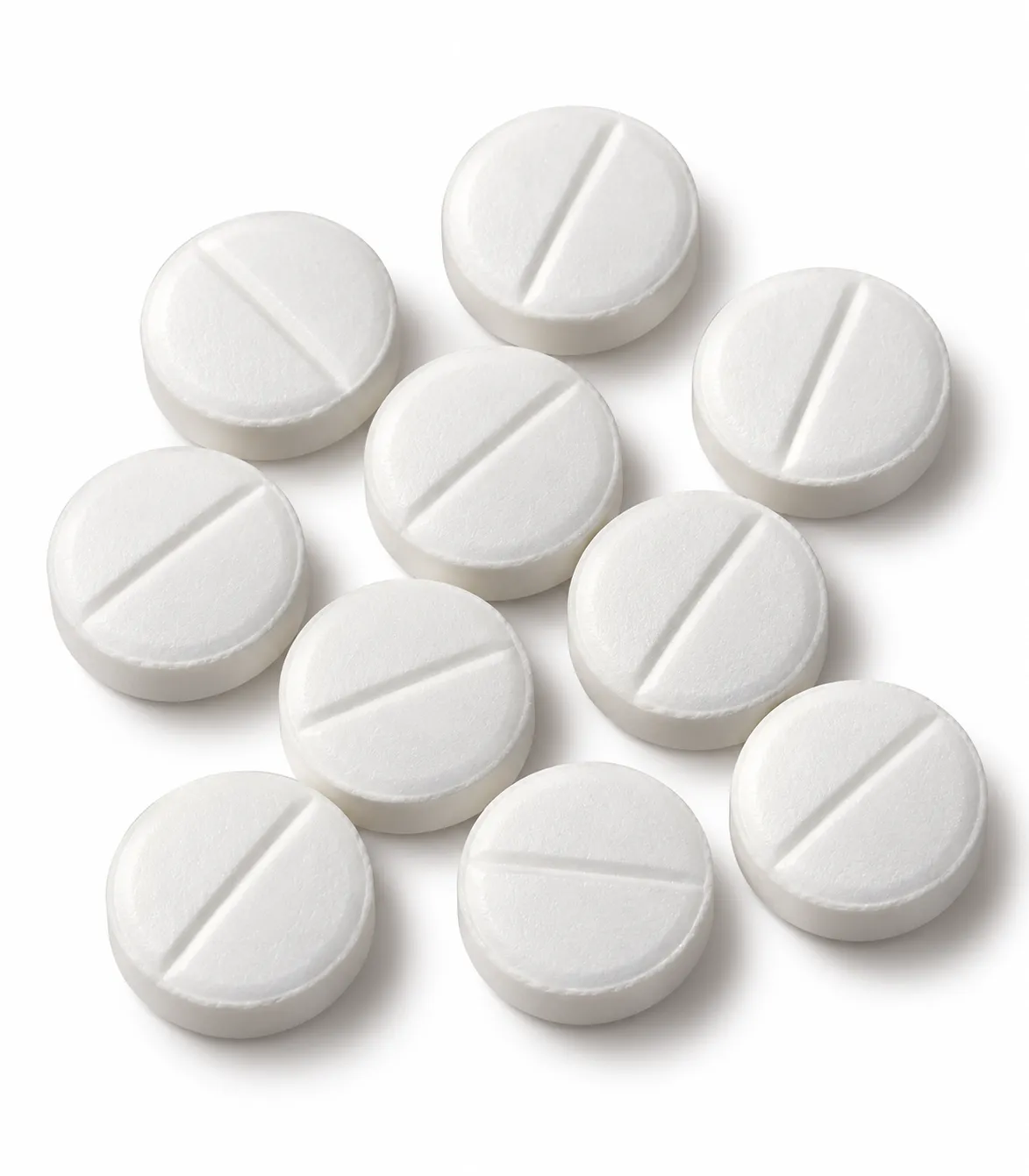
Clonazepam 2mg (Klonopin Lineage)
High-potency, long-acting anticonvulsant and anxiolytic indicated for panic disorder, Lennox-Gastaut syndrome, and seizure prophylaxis.
10. Frequently Asked Questions
Is generic clonazepam just as effective as brand Klonopin?
Yes. Generic clonazepam contains the exact same active medicine in the same strength (2mg) and is proven in clinical trials to deliver the identical amount of drug into the bloodstream.
Why is brand-name Klonopin so much more expensive?
Brand Klonopin carries significant brand-name markups and original patent-holder pricing, whereas generic manufacturers compete on price, offering identical therapeutic relief at a 90% discount.
Can switching between different generic brands cause breakthrough seizures?
In patients with very sensitive epilepsy, small differences in tablet fillers between manufacturers can cause minor changes in blood levels. Doctors recommend staying with the same generic brand for each refill.
Do generic clonazepam tablets take longer to work?
No. Both brand Klonopin and approved generics take between 1 and 4 hours to reach peak blood levels, with initial calming effects felt within 60 minutes.
11. Clinical References & Regulatory Sources
- FDA CDER. Approved Drug Products with Therapeutic Equivalence Evaluations (Orange Book). Source Database.
- Neurology. American Academy of Neurology Position Statement on the use of generic anti-epileptic drugs. Source Database.
- Clinical Pharmacokinetics. Comparative bioavailability of oral clonazepam formulations in healthy volunteers. Source Database.
Consult a Clinical Pharmacy Specialist
Have questions regarding Clonazepam dosing intervals, CYP enzyme interactions, or physician-guided discontinuation protocols? Connect with our licensed clinical pharmacy team for patient safety guidance.
Related Patient Services & Verified Care
Every prescription order is verified by a licensed pharmacist in strict adherence to FDA BeSafeRx protocols.