
Tramadol: Safety Warnings, Serotonin Syndrome Risks and Prescribing Information

Tramadol: Patient Information, Safety Warnings & Drug Interactions
A clinically verified patient guide to tramadol (Ultram), dual mu-opioid and monoaminergic mechanisms, CYP2D6 metabolism, seizure risks, and life-threatening serotonin syndrome.
MEDICATION GUIDE
CLINICAL SUMMARY
Tramadol (brand name Ultram®) is a centrally acting atypical synthetic opioid analgesic prescribed for moderate to moderately severe pain. Tramadol possesses a unique dual pharmacological mechanism: weak agonism at mu-opioid receptors combined with the inhibition of neuronal serotonin and norepinephrine reuptake. Crucially, tramadol is converted into its potent active opioid metabolite (M1 / O-desmethyltramadol) by CYP2D6. In addition to standard opioid risks, tramadol carries critical warnings for dose-dependent seizure induction and life-threatening serotonin syndrome when co-prescribed with serotonergic medications.
01. Quick medicine facts
A concise, source-verified clinical summary table based on official FDA Prescribing Information and National Library of Medicine documentation:
| INFORMATION | CLINICAL DETAILS |
|---|---|
| Generic Name | Tramadol Hydrochloride |
| Brand Names (US) | Ultram®, Ultram ER®, ConZip®, Qdolo® |
| Active Pharmacological Class | Atypical Opioid Agonist & Serotonin-Norepinephrine Reuptake Inhibitor (SNRI) |
| Active Opioid Metabolite | O-desmethyltramadol (M1) — ~300x greater affinity for mu-opioid receptors |
| Controlled Schedule | DEA Schedule IV Controlled Substance (Rx Only) |
| Elimination Half-Life | Parent tramadol: ~6.3 hours; Active M1 metabolite: ~7.4 hours |
| Primary Metabolic Pathways | Hepatic CYP2D6 (converts to active M1) and CYP3A4 (inactivates to M2) |
| FDA Boxed Warnings | Addiction & misuse; life-threatening respiratory depression; accidental pediatric ingestion; ultra-rapid CYP2D6 metabolism; neonatal withdrawal; concomitant benzodiazepine/CNS depressant risks |
02. What is tramadol?
Tramadol is an atypical centrally acting synthetic analgesic originally developed in Germany by Grünenthal GmbH in 1962 and approved by the U.S. FDA in 1995. Unlike classical pure opioids (such as morphine, oxycodone, or fentanyl), tramadol was engineered with a hybrid molecular mechanism that provides analgesia through both opioid and non-opioid neurochemical pathways.
Administered as a racemic mixture of two enantiomers, the (+)-tramadol enantiomer primarily binds to mu-opioid receptors and inhibits serotonin reuptake, while the (-)-tramadol enantiomer potently inhibits norepinephrine reuptake and stimulates alpha-2 adrenergic receptors in the descending spinal pain-modulating pathway.
Although historically perceived as carrying lower abuse potential than Schedule II opioids, real-world post-marketing surveillance revealed widespread dependence, severe withdrawal reactions, and tragic interactions with antidepressants. Consequently, in 2014, the U.S. DEA classified tramadol as a Schedule IV controlled substance across all 50 states.
03. Uses and approved indications
The U.S. Food and Drug Administration (FDA) has approved tramadol for distinct pain management indications:
| INDICATION TYPE | CLINICAL PRACTICE CRITERIA |
|---|---|
| Moderate to Moderately Severe Pain (Immediate-Release) | FDA-approved for adults with acute pain severe enough to require an opioid analgesic and for which alternative treatments are inadequate. |
| Severe Chronic Pain (Extended-Release) | FDA-approved for management of pain severe enough to require daily, around-the-clock, long-term opioid treatment (e.g., severe osteoarthritis refractory to NSAIDs). Not for as-needed (PRN) pain relief. |
| Neuropathic Pain (Off-Label Practice) | Frequently used in diabetic peripheral neuropathy and post-herpetic neuralgia due to its norepinephrine reuptake inhibition in descending pain pathways. |
04. How does tramadol work?
Patient-Friendly Explanation
When pain signals travel from an injury up through your spinal cord to your brain, your body uses two separate lines of defense: natural opioid receptors that act like an emergency dimmer switch for pain intensity, and neurotransmitters (serotonin and norepinephrine) that strengthen your spine’s natural pain-filtering system. Tramadol attacks pain from both angles simultaneously: it turns on opioid dimmer switches to block sharp pain, while simultaneously boosting serotonin and norepinephrine levels so fewer pain signals reach your conscious awareness.
Advanced Dual Mechanism & CYP2D6 Pharmacogenomics
Tramadol’s complex pharmacological profile relies upon enantiomeric cooperation and hepatic enzymatic bioactivation:
- Weak Mu-Opioid Agonism: Parent tramadol has very low affinity for mu-opioid receptors (approximately 6,000 times lower than morphine).
- Bioactivation to M1 Metabolite: Hepatic CYP2D6 converts tramadol into O-desmethyltramadol (M1), which possesses approximately 300 times higher affinity for mu-opioid receptors than parent drug, driving the majority of opioid analgesia.
- CYP2D6 Poor Metabolizers: Approximately 7% of Caucasians lack functional CYP2D6 enzymes, resulting in significantly reduced M1 formation and poor pain relief.
- CYP2D6 Ultra-Rapid Metabolizers: Up to 10% of certain populations (e.g., Middle Eastern, North African) carry multiple CYP2D6 gene copies, converting tramadol rapidly into dangerous concentrations of M1, resulting in unexpected fatal respiratory depression even at standard therapeutic doses.
- Monoaminergic Inhibition: (+)-Tramadol inhibits serotonin reuptake, while (-)-tramadol inhibits norepinephrine reuptake, stimulating inhibitory alpha-2 adrenergic auto-receptors in the spinal dorsal horn.
05. Available forms and strengths
Tramadol is formulated as single-agent tablets, extended-release capsules/tablets, and fixed-dose combinations:
| DOSAGE FORM | STRENGTHS AVAILABLE | CLINICAL ADMINISTRATION ROLE |
|---|---|---|
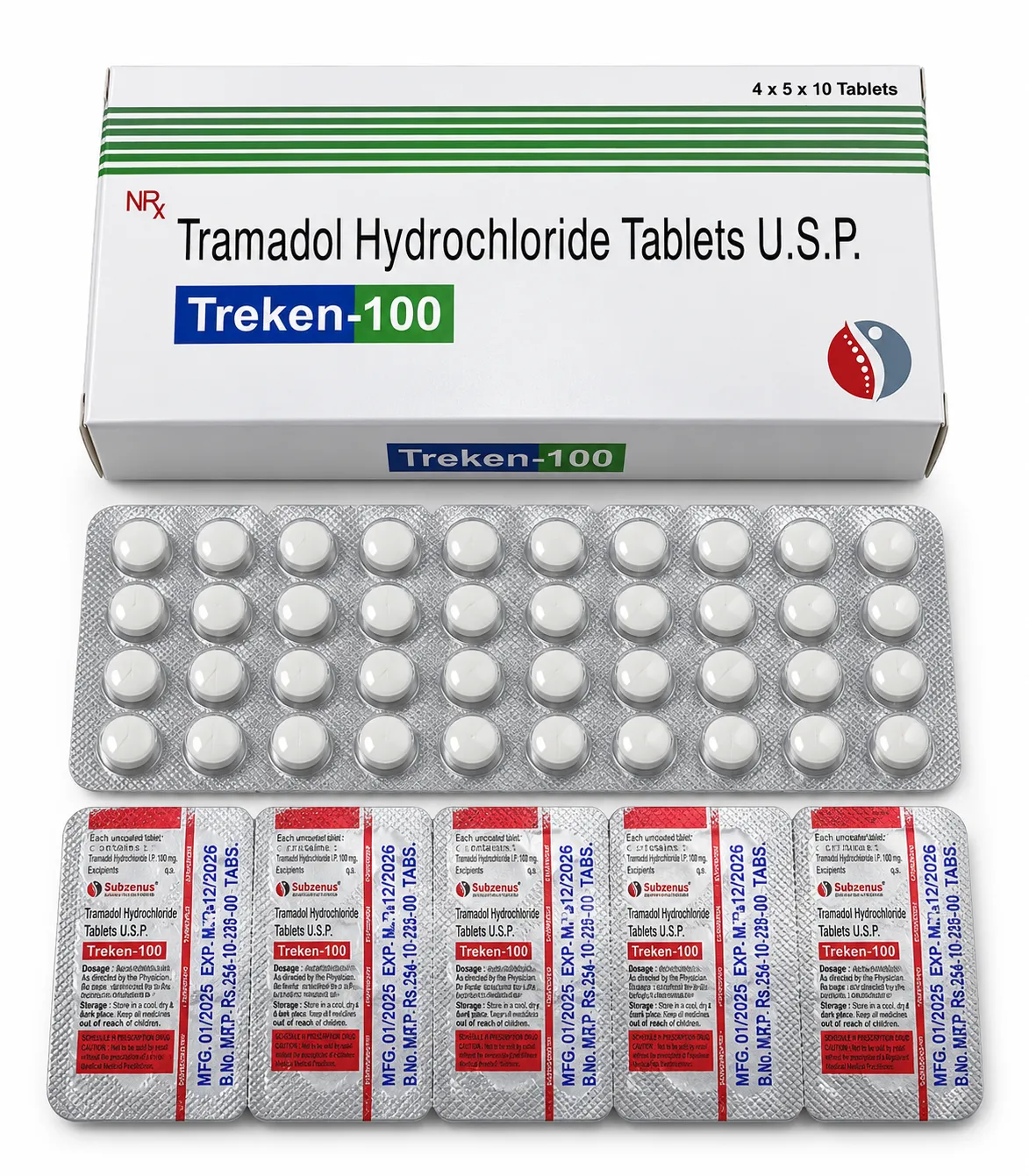
| Immediate-Release Tablets (Ultram) | 50 mg, 100 mg scored white tablets | Acute pain relief taken every 4 to 6 hours as prescribed; maximum 400 mg daily. |
| Extended-Release Tablets / Capsules (Ultram ER, ConZip) | 100 mg, 200 mg, 300 mg once-daily matrix | Around-the-clock chronic pain coverage. Must be swallowed whole; never crushed, broken, or chewed. |
| Combination Tablets (Ultracet) | 37.5 mg Tramadol / 325 mg Acetaminophen | Multi-mechanistic acute pain management; strict caution to avoid duplicate acetaminophen toxicity. |
| Oral Liquid Solution (Qdolo) | 5 mg / mL oral solution | For patients with dysphagia requiring accurate oral liquid volumetric dosing. |
PRESCRIPTION REQUIRED (Rx)
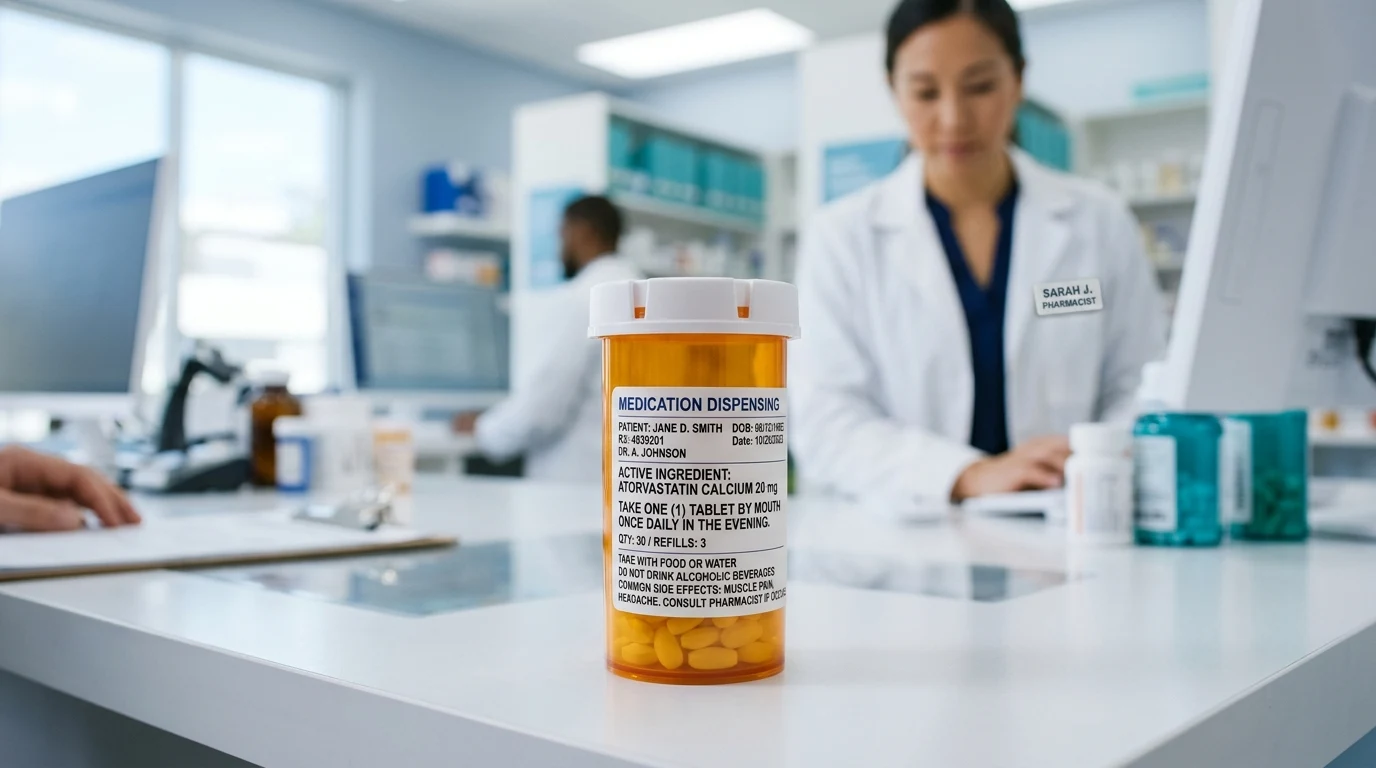
Verified Tramadol Formulations Dispensed by Licensed US Pharmacies
Patients holding a verified clinical prescription can view authentic manufacturer specifications, packaging markers, and dispensing safety protocols for authorized oral formulations:
06. Dosage and administration principles
Clinical Prescribing Mandate: Dosing must always be determined by a licensed physician and customized according to pain severity, renal clearance, and prior opioid exposure. Never exceed the maximum 400 mg daily ceiling dose.
- Adult Immediate-Release Titration: Initiated at 25 mg to 50 mg every 4 to 6 hours. Titrated slowly by 25 mg to 50 mg every 3 days to reach a maximum of 400 mg/day (or 300 mg/day in elderly patients).
- Adult Extended-Release Dosing: Initiated at 100 mg once daily. May be titrated upward by 100 mg every 5 days to a maximum of 300 mg once daily.
- Renal Impairment (CrCl < 30 mL/min): Maximum daily dose of immediate-release is 200 mg (100 mg every 12 hours). Extended-release formulations are not recommended in severe renal failure.
- Hepatic Impairment (Cirrhosis): Dosing should be reduced to 50 mg every 12 hours for immediate-release formulations due to impaired clearance.
07. Common side effects
Because tramadol possesses both opioid and serotonergic/noradrenergic actions, adverse effects span gastrointestinal, neurological, and autonomic systems:
| ORGAN SYSTEM | COMMON ADVERSE EFFECTS | CLINICAL INTERVENTION |
|---|---|---|
| Gastrointestinal | Nausea, vomiting, severe constipation, dry mouth | Initiate stimulant bowel regimen (senna/docusate) proactively; take doses with food. |
| Central Nervous System | Dizziness, sedation, somnolence, headache, vertigo | Avoid driving; slow upward dose titration significantly reduces dizziness. |
| Dermatological / Autonomic | Pruritus (itching), diaphoresis (excessive sweating), flushing | Centrally mediated; maintain hydration and wear breathable clothing. |
08. FDA boxed warnings and serious reactions
FDA BOXED WARNING: ADDICTION, RESPIRATORY DEPRESSION, SEIZURES & SEROTONIN TOXICITY
The U.S. FDA requires black box warnings detailing critical clinical hazards on all tramadol formulations:
- Addiction, Abuse & Misuse: Exposes patients and other users to the risks of opioid addiction, abuse, and misuse, which can lead to overdose and death.
- Life-Threatening Respiratory Depression: Serious, life-threatening, or fatal respiratory depression may occur, especially during initiation or after dose escalation.
- Ultra-Rapid CYP2D6 Metabolism in Children: Life-threatening respiratory depression and death have occurred in children who received tramadol. Contraindicated in all children younger than 12 years of age and in adolescents post-tonsillectomy.
- Dose-Dependent Seizure Risk: Tramadol lowers the seizure threshold. Seizures have been reported within recommended dose ranges, with heightened vulnerability in patients taking concomitant antidepressants, neuroleptics, or bupropion.
- Serotonin Syndrome: Potentially fatal serotonin syndrome may occur, particularly during concurrent use with SSRIs, SNRIs, TCAs, triptans, or MAOIs.
Recognizing Acute Serotonin Syndrome
Seek emergency medical intervention immediately if any of the following symptoms develop:
- Severe mental status changes: acute agitation, hallucinations, delirium, and confusion
- Autonomic instability: high fever, tachycardia, labile blood pressure, and profuse diaphoresis
- Neuromuscular hyperactivity: hyperreflexia, muscle rigidity, shivering, and spontaneous clonus (rhythmic muscle jerking)
09. Precautions and contraindications
Tramadol is strictly contraindicated in patients with:
- All children younger than 12 years of age
- Post-operative management in pediatric patients undergoing tonsillectomy and/or adenoidectomy
- Significant respiratory depression or acute/severe bronchial asthma in an unmonitored setting
- Known or suspected gastrointestinal obstruction, including paralytic ileus
- Concurrent use of monoamine oxidase inhibitors (MAOIs) or use within the past 14 days
- Known hypersensitivity to tramadol or any other opioid component
10. Critical drug and substance interactions
Tramadol possesses one of the most complex drug interaction profiles in medicine due to its twin metabolic (CYP2D6/CYP3A4) and pharmacodynamic (opioid + serotonergic) pathways:
| INTERACTING DRUG CLASS | MECHANISM & CLINICAL EFFECT | CLINICAL ACTION |
|---|---|---|
| SSRIs / SNRIs (Sertraline, Fluoxetine, Duloxetine) | Severe Risk: Synergistic serotonin excess causing acute Serotonin Syndrome and lowered seizure threshold. | Avoid combination if possible; monitor closely for clonus, hyperreflexia, and fever. |
| Benzodiazepines & CNS Depressants (Diazepam, Alprazolam, Alcohol) | Fatal Synergy: Compounded depression of respiratory centers, profound sedation, coma, and arrest. | Strictly avoid concurrent use unless clinical alternatives do not exist. Co-prescribe naloxone. |
| CYP2D6 Inhibitors (Bupropion, Quinidine, Fluoxetine) | Moderate-High: Blocks conversion to active M1 metabolite, diminishing pain relief while elevating seizure risk. | Consider non-tramadol analgesic; bupropion additionally dramatically increases seizure liability. |
| CYP3A4 Inhibitors (Ketoconazole, Clarithromycin, Erythromycin) | Moderate-High: Diverts metabolism toward CYP2D6, increasing M1 concentrations and opioid toxicity. | Reduce tramadol dosage and monitor for profound respiratory depression. |
11. Special populations & Beers criteria
Geriatric Patients (65+ Years)
The American Geriatrics Society Beers Criteria® urges extreme caution with tramadol in older adults. Decreased renal clearance prolongs active M1 elimination, increasing the risks of sedation, delirium, fall-related fractures, and severe constipation. Additionally, tramadol is a known contributor to the Syndrome of Inappropriate Antidiuretic Hormone (SIADH) and severe hyponatremia in elderly populations.
Pregnancy and Nursing Mothers
Prolonged maternal use of tramadol during pregnancy can result in Neonatal Opioid Withdrawal Syndrome (NOWS), which may be life-threatening if untreated. Tramadol and its active metabolite are excreted into human milk; nursing infants exposed to tramadol risk severe somnolence and fatal respiratory depression. Breastfeeding while taking tramadol is contraindicated.
12. Patient safety checklist
Before taking tramadol, review this comprehensive patient safety checklist:
- Dose Ceiling: Do you understand that taking more than 400 mg in 24 hours substantially increases your risk of having a seizure?
- Swallowing Integrity: If prescribed extended-release tramadol (ER), are you swallowing the tablet whole without crushing, breaking, or chewing?
- Antidepressant Disclosure: Have you informed your prescriber and pharmacist of every antidepressant, migraine medication, or herbal supplement you take?
- Zero Alcohol Rule: Have you completely eliminated alcohol consumption while taking this medication?
- Naloxone Co-Prescription: Do you or a family member have naloxone nasal spray available in your home in case of accidental overdose?
13. Storage and safe disposal
Responsible storage and disposal prevent accidental pediatric ingestion and medication diversion:
- Controlled Room Temperature: Store between 20°C and 25°C (68°F–77°F) away from heat and moisture.
- Locked Medicine Box: Store in a locked medicine container away from children, teenagers, visitors, and pets. Even a single accidental dose can be fatal to a child.
- DEA Take-Back Disposal: Promptly dispose of leftover tablets at authorized DEA National Prescription Drug Take-Back drop boxes or pharmacy kiosks.
14. Frequently asked questions
Is tramadol as strong as hydrocodone or oxycodone?
Tramadol is generally considered a less potent opioid agonist than hydrocodone or oxycodone, but because of its dual action on serotonin and norepinephrine, it carries unique risks—such as seizures and serotonin syndrome—that pure opioids do not have.
Can I take tramadol if I am taking an antidepressant like Lexapro or Zoloft?
Taking tramadol with an SSRI or SNRI antidepressant requires extreme caution and physician monitoring. Combining them can cause a dangerous accumulation of serotonin in your brain, leading to Serotonin Syndrome and heightened seizure risks.
Can tramadol cause withdrawal symptoms if stopped quickly?
Yes. Stopping tramadol abruptly can cause traditional opioid withdrawal symptoms (body aches, diarrhea, sweating, chills) plus atypical withdrawal symptoms (severe panic attacks, tingling sensations, hallucinations) due to its antidepressant-like properties. Always taper under medical supervision.
Why is tramadol unsafe for children?
Some children are “ultra-rapid metabolizers” who convert tramadol into active opioid metabolites at dangerously fast rates, leading to life-threatening breathing stoppage. The FDA strictly contraindicates tramadol in children under 12 years of age.
15. References and verification sources
- U.S. Food and Drug Administration (FDA). Ultram (tramadol hydrochloride) Tablets Prescribing Information. Reference ID: 4124987.
- National Library of Medicine. DailyMed. Tramadol Hydrochloride Monograph. Bethesda, MD.
- American Geriatrics Society 2023 Updated Beers Criteria® for Potentially Inappropriate Medication Use in Older Adults. J Am Geriatr Soc. 2023;71(7):2052-2081.
- National Center for Biotechnology Information. StatPearls [Internet]. Tramadol Clinical Profile & Toxicity. StatPearls Publishing.
- Drug Enforcement Administration (DEA). Schedules of Controlled Substances: Placement of Tramadol Into Schedule IV. Federal Register. 2014.
Questions about medication safety?
Speak with a licensed clinical pharmacist or explore our verified educational resources before making any changes to your prescription.
Related Patient Services & Verified Care
Every prescription order is verified by a licensed pharmacist in strict adherence to FDA BeSafeRx protocols.