

Oxycodone: Patient Safety Information, Warnings and Questions for Your Prescriber

Oxycodone: Patient Safety Information, Warnings & Drug Interactions
A comprehensive, clinical pharmacist-reviewed patient guide detailing oxycodone pharmacology, Schedule II safety protocols, FDA black box warnings, overdose response, and critical drug interactions.
MEDICATION GUIDE
CLINICAL SUMMARY
Oxycodone (brand names Roxicodone®, OxyContin®) is a semi-synthetic full mu-opioid receptor agonist indicated for the management of pain severe enough to require an opioid and where alternative treatments are inadequate. Because of its potent central analgesic action, oxycodone carries strict DEA Schedule II controls. Major safety priorities include preventing fatal respiratory depression, recognizing life-threatening synergy with benzodiazepines, safe lockbox storage to prevent accidental pediatric toxicity, naloxone co-prescribing, and understanding counterfeit pill risks.
01. Quick medicine facts
A concise, source-verified clinical summary table based on official FDA Prescribing Information and National Library of Medicine documentation:
| INFORMATION | CLINICAL DETAILS |
|---|---|
| Generic Name | Oxycodone Hydrochloride |
| Brand Names (US) | Roxicodone®, OxyContin®, Oxaydo®, Xtampza® ER; Percocet® (with acetaminophen) |
| Pharmacological Class | Semi-Synthetic Pure Mu-Opioid Receptor Full Agonist |
| Controlled Substance Schedule | DEA Schedule II Controlled Substance (High Potential for Abuse/Dependence) |
| Elimination Half-Life | Immediate-release: 3.2 to 4.0 hours; Extended-release apparent half-life: 4.5 to 8.0 hours |
| Primary Metabolic Clearance | Hepatic CYP3A4 (major pathway to noroxycodone) and CYP2D6 (minor pathway to oxymorphone) |
| FDA Boxed Warnings | Addiction, abuse, and misuse; life-threatening respiratory depression; accidental pediatric ingestion; neonatal opioid withdrawal; cytochrome P450 interactions; fatal synergy with benzodiazepines/CNS depressants |
02. What is oxycodone?
Oxycodone is a semi-synthetic opioid synthesized from the opium poppy alkaloid thebaine in Germany in 1916. Formulated to provide powerful analgesia comparable to morphine with improved oral bioavailability (60% to 87%), oxycodone binds with high affinity to central mu-opioid receptors, interrupting pain sensation while modulating emotional perception of discomfort.
Oxycodone is available in both immediate-release formulations (such as Roxicodone, designed for acute breakthrough pain) and extended-release formulations (such as OxyContin, designed for around-the-clock management of severe chronic pain). Because of its potency, oral oxycodone is roughly 1.5 times stronger than oral morphine milligram-for-milligram.
Due to its high euphoria and addiction liability, oxycodone is classified under the strictest non-illicit tier of U.S. drug scheduling: DEA Schedule II. Prescriptions cannot be refilled without a newly issued electronic prescription, and strict identity verification is required at pharmacy dispensing.
03. Uses and approved indications
The U.S. Food and Drug Administration (FDA) has strictly established approved clinical indications for oxycodone products based on risk-benefit evaluations:
| FORMULATION TYPE | FDA APPROVED INDICATION & PRACTICE BOUNDARY |
|---|---|
| Immediate-Release Oxycodone (Roxicodone, Tablets/Liquid) | Indicated for the management of acute pain severe enough to require an opioid analgesic and for which alternative treatments (e.g., NSAIDs, acetaminophen) are inadequate or not tolerated. Prescribed for the shortest possible duration. |
| Extended-Release Oxycodone (OxyContin, Xtampza ER) | Indicated exclusively for the management of severe chronic pain requiring daily, around-the-clock, long-term opioid treatment in opioid-tolerant patients. Strictly contraindicated for as-needed (PRN) pain relief. |
| Opioid Tolerance Definition | Patients considered opioid-tolerant are those receiving for one week or longer: at least 60 mg oral morphine/day, 30 mg oral oxycodone/day, or an equianalgesic dose of another opioid. |
04. How does oxycodone work?
Patient-Friendly Explanation
Your central nervous system contains specialized docking ports called mu-opioid receptors, which act as your body’s natural pain volume dials. When tissue damage or post-surgical trauma sends alarm signals up your spinal nerves to your brain, these signals register as agonizing pain. Oxycodone binds directly to these mu-opioid docking ports, turning down the pain volume dial. It prevents distress signals from reaching your conscious brain while simultaneously triggering dopamine release in brain reward centers, inducing calm, pain relief, and relaxation.
Advanced Molecular Neurobiology & Receptor Signalling
At the biochemical level, oxycodone functions as a pure agonist at Gi/o-protein coupled mu-opioid receptors (MOR):
- Adenylyl Cyclase Inhibition: Agonist binding activates inhibitory G-proteins (Gαi), suppressing adenylyl cyclase and decreasing intracellular cyclic AMP (cAMP) levels.
- Ion Channel Modulation: Oxycodone promotes the opening of G-protein-coupled inwardly rectifying potassium channels (GIRK), allowing K⁺ efflux and hyperpolarizing the neuron. Concurrently, it inhibits voltage-gated N-type calcium channels, preventing presynaptic neurotransmitter release (substance P, glutamate) across nociceptive synapses.
- Brainstem Respiratory Depression: Mu receptors on neurons in the pre-Bötzinger complex of the medulla oblongata are similarly inhibited, reducing physiological sensitivity to arterial carbon dioxide (PaCO₂) and blunting respiratory rhythm.
- CYP3A4 / CYP2D6 Hepatic Cleavage: The predominant metabolic pathway is N-demethylation to noroxycodone by CYP3A4. CYP2D6 catalyzes O-demethylation to oxymorphone, which possesses higher mu-receptor affinity but represents a minor fraction of circulating drug.
05. Available forms and strengths
Oxycodone is manufactured in both single-agent and combination formulations across multiple strengths:
| DOSAGE FORM | AVAILABLE STRENGTHS | ADMINISTRATION MANDATE |
|---|---|---|
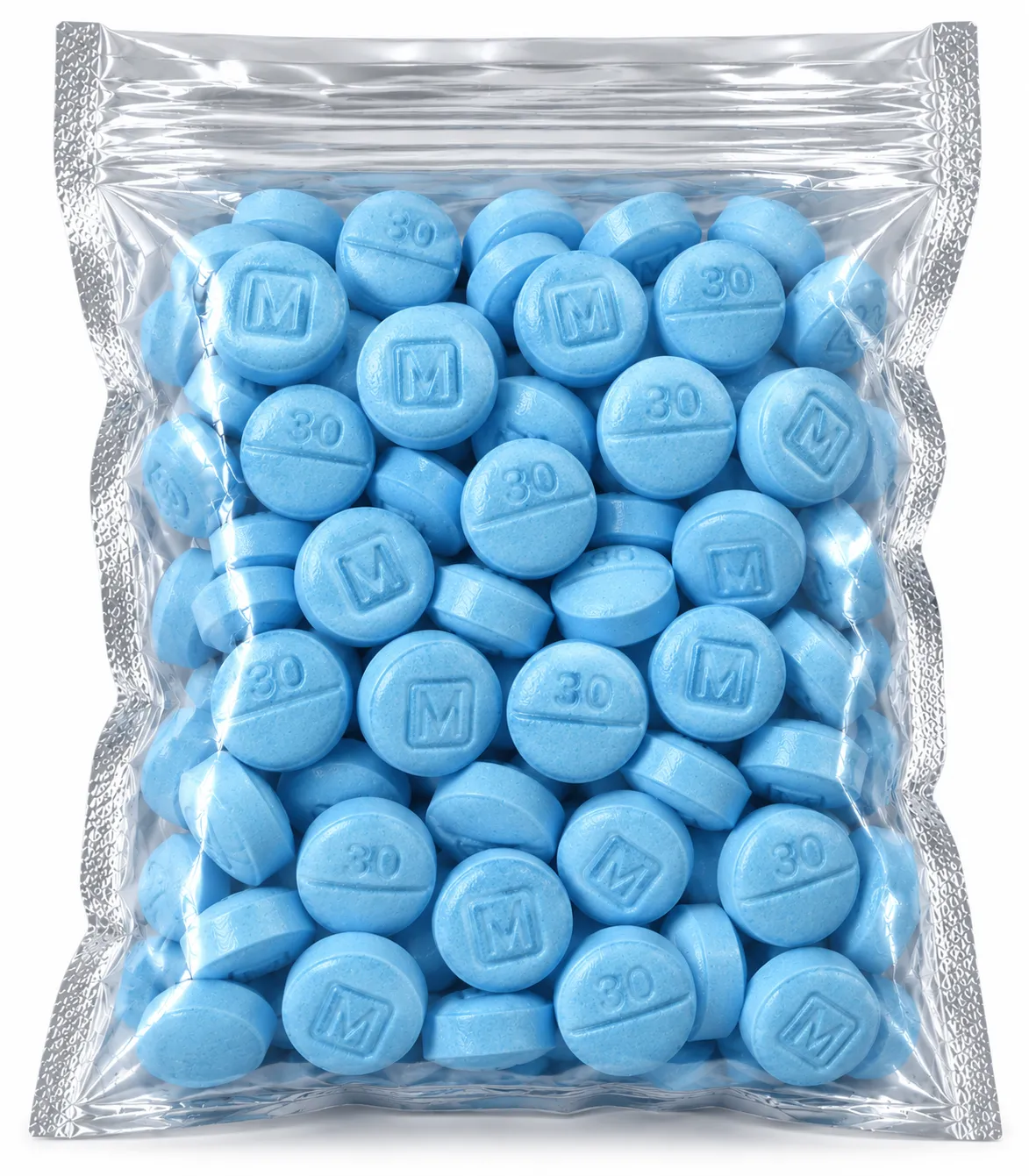
| Immediate-Release Tablets (Roxicodone) | 5 mg, 10 mg, 15 mg (green), 20 mg (gray), 30 mg (blue scored) | For acute breakthrough pain taken every 4 to 6 hours as prescribed. Lowest effective dose for shortest duration. |
| Extended-Release Tablets (OxyContin) | 10 mg, 15 mg, 20 mg, 30 mg, 40 mg, 60 mg, 80 mg (abuse-deterrent matrix) | Around-the-clock dosing every 12 hours. Must be swallowed whole with water; never crushed, chewed, or dissolved. |
| Combination Tablets (Percocet) | 2.5/325 mg, 5/325 mg, 7.5/325 mg, 10/325 mg (Oxycodone / Acetaminophen) | Caution regarding maximum 4,000 mg/day acetaminophen ceiling to avoid irreversible hepatotoxicity. |
| Oral Solution | 5 mg / 5 mL solution; 20 mg / 1 mL oral concentrate | For palliative and cancer pain management with calibrated oral dosing syringes. |
PRESCRIPTION REQUIRED (Rx)
Verified Oxycodone Formulations Dispensed by Licensed US Pharmacies
Patients holding a verified clinical prescription can view authentic manufacturer specifications, packaging markers, and dispensing safety protocols for authorized oral formulations:
06. Dosage and administration principles
Clinical Prescribing Mandate: Dosing must always be determined by a licensed medical provider according to individual pain severity, prior opioid exposure, age, and respiratory status. Never escalate your dose independently.
- Opioid-Naïve Adult Starting Dose: Typical initial immediate-release dose is 5 mg to 15 mg every 4 to 6 hours as needed for acute severe pain.
- Extended-Release Conversion: Initiated only in patients who are already opioid-tolerant. OxyContin is administered every 12 hours. Do not use for breakthrough pain.
- Swallowing Safety: Extended-release tablets must be swallowed whole. Chewing, breaking, crushing, or dissolving releases a potentially fatal bolus of opioid (dose-dumping).
- Safe Discontinuation: In patients who have taken oxycodone regularly for more than a few days, abruptly stopping will precipitate painful opioid withdrawal. Prescribers will design a gradual, structured taper (decreasing by 10% to 25% every 2 to 4 weeks).
07. Common side effects
Because mu-opioid receptors are distributed throughout the brain, spinal cord, and enteric nervous system, systemic side effects are expected during therapy:
| ORGAN SYSTEM | ADVERSE REACTION | CLINICAL MANAGEMENT |
|---|---|---|
| Gastrointestinal | Opioid-Induced Constipation (OIC), nausea, vomiting | Patients do NOT develop tolerance to constipation. Initiate stimulant laxatives (senna) and stool softeners proactively. |
| Central Nervous System | Somnolence, dizziness, sedation, cognitive blunting | Avoid driving or operating machinery; report profound unarousable sleepiness to prescriber immediately. |
| Dermatological | Pruritus (generalized itching), flushing, sweating | Histamine-mediated response; cool compresses and oral antihistamines may be utilized with prescriber approval. |
08. FDA boxed warnings and serious reactions
FDA BOXED WARNING: ADDICTION, FATAL RESPIRATORY DEPRESSION & BENZODIAZEPINE SYNERGY
The U.S. FDA requires black box warnings detailing critical clinical hazards on all oxycodone formulations:
- Addiction, Abuse & Misuse: Oxycodone exposes patients and other users to the risks of opioid addiction, abuse, and misuse, which can lead to overdose and death. Assess each patient’s risk prior to prescribing.
- Life-Threatening Respiratory Depression: Serious, life-threatening, or fatal respiratory depression may occur, most frequently during therapy initiation or following a dose increase.
- Accidental Pediatric Ingestion: Accidental ingestion of even one dose of oxycodone, especially by children, can result in a fatal overdose.
- Concomitant Use with Benzodiazepines & CNS Depressants: Co-administration with benzodiazepines, sedatives, muscle relaxants, or alcohol may result in profound sedation, respiratory arrest, coma, and death.
- Neonatal Opioid Withdrawal Syndrome (NOWS): Prolonged maternal use during pregnancy can result in life-threatening neonatal withdrawal.
The Opioid Overdose Triad & Naloxone Protocol
If an overdose is suspected, act immediately—call 911 and administer Naloxone nasal spray (Narcan®) into the nostrils. Watch for the clinical triad of opioid toxicity:
- Coma / Stupor: The person cannot be woken up with loud shouting or vigorous sternal rub.
- Respiratory Depression: Extremely slow, shallow breathing, gasping sounds (“death rattle”), or complete apnea.
- Pinpoint Pupils (Miosis): Pupils are constricted to tiny dots, even in dim light.
- Cyanosis: Lips, gums, fingernails, or skin turn blue, pale, or grayish.
09. Precautions and contraindications
Oxycodone is strictly contraindicated in patients with:
- Significant respiratory depression or acute/severe bronchial asthma in an unmonitored setting without resuscitation equipment
- Known or suspected gastrointestinal obstruction, including paralytic ileus
- Known hypersensitivity to oxycodone or other opioids
- Acute head injury, increased intracranial pressure, or brain tumors (opioid-induced CO₂ retention further increases intracranial pressure)
10. Critical drug and substance interactions
Oxycodone is metabolized primarily by CYP3A4 and secondarily by CYP2D6. Concomitant medications affecting these enzymes or adding CNS depression can trigger fatal toxicity:

| INTERACTING AGENT | MECHANISM & CLINICAL DANGER | SAFETY MANDATE |
|---|---|---|
| Benzodiazepines (Diazepam, Alprazolam) | Fatal Synergy: Compounded suppression of brainstem respiratory drive leading to coma and death. | Strictly avoid concurrent use unless all clinical alternatives are exhausted. Co-prescribe naloxone. |
| Alcohol (Ethanol) | Fatal Synergistic Depression: Rapid acceleration of respiratory collapse; causes “dose-dumping” of extended-release matrices. | Strictly contraindicated. Zero alcohol consumption during oxycodone therapy. |
| Strong CYP3A4 Inhibitors (Ketoconazole, Clarithromycin) | High: Blocks primary clearance route, multiplying plasma oxycodone concentrations and prolonging sedation. | Dose reduction of oxycodone required; monitor frequently for respiratory depression. |
| CYP3A4 Inducers (Rifampin, Carbamazepine, St. John’s Wort) | Moderate: Accelerates oxycodone breakdown, causing therapeutic failure and acute opioid withdrawal. | Monitor for opioid withdrawal symptoms or loss of pain relief; dose adjustments required. |
11. Special populations & Beers criteria
Geriatric Patients (65+ Years)
The American Geriatrics Society Beers Criteria® lists opioids under high-risk medications for older adults. Age-related decreases in glomerular filtration rate (GFR) and hepatic clearance cause elevated drug concentrations. Older adults face an elevated incidence of severe cognitive confusion, acute delirium, motor ataxia, fatal falls, and fecal impaction.
Counterfeit Pill Contamination Alert (Fentanyl Warning)
Patients must be aware of the severe national crisis regarding counterfeit oxycodone tablets. Illicit counterfeit tablets stamped to resemble blue 30 mg tablets (“M30” or “dirty thirties”) are frequently pressed with lethal doses of illicit fentanyl. Never consume medication from friends, online marketplaces, or unverified foreign suppliers; only obtain medication from a licensed, verified pharmacy.
12. Patient safety checklist
Review this patient safety checklist before taking oxycodone:
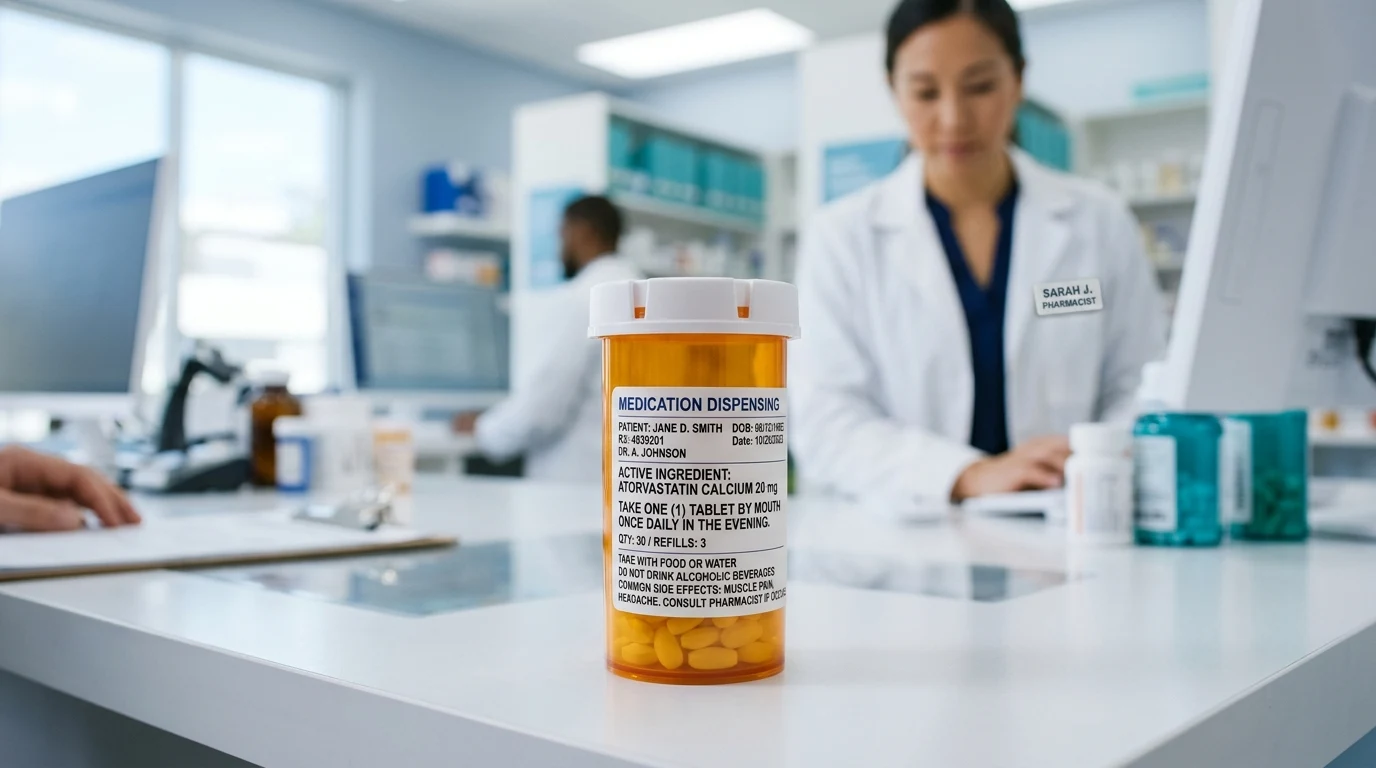
- Dose Verification: Did you verify the exact milligram strength and formulation (immediate-release vs. extended-release) with your pharmacist?
- Whole Tablet Rule: If prescribed OxyContin (ER), are you swallowing it whole without crushing, breaking, or chewing?
- Zero Alcohol Rule: Have you completely eliminated alcohol consumption while taking this medication?
- Naloxone in Home: Do you have naloxone nasal spray (Narcan) in your household, and do family members know where it is and how to use it?
- Bowel Care: Have you started a bowel regimen (fiber, hydration, stool softeners/laxatives) to prevent severe constipation?
13. Storage and safe disposal
Schedule II medication security is a critical household responsibility to protect children and prevent medication diversion:
- Controlled Room Temperature: Store between 20°C and 25°C (68°F–77°F) away from light and bathroom humidity.
- Dedicated Medication Lockbox: Store oxycodone in a locked safe or lockbox. Opioids are the #1 target for household prescription theft and fatal accidental pediatric ingestions.
- FDA Flush List / DEA Disposal: Oxycodone is on the FDA Flush List—if a DEA take-back kiosk or drug return envelope is not immediately available, flush leftover tablets down the toilet immediately to eliminate life-threatening household risk to children and pets.
14. Frequently asked questions
What is the difference between Roxicodone and OxyContin?
Roxicodone is immediate-release oxycodone that acts within 15 to 30 minutes to relieve acute pain, lasting 4 to 6 hours. OxyContin is extended-release oxycodone designed to release medication slowly over 12 hours for continuous, around-the-clock chronic pain management.
Is Percocet the same medication as oxycodone?
Percocet is a combination product containing both oxycodone and acetaminophen (Tylenol). Pure oxycodone products (like Roxicodone) do not contain acetaminophen.
Why is naloxone recommended when taking oxycodone?
Naloxone (Narcan) is a fast-acting opioid antagonist that can rapidly reverse an accidental opioid overdose and restore normal breathing. Having naloxone at home is a recommended safety standard for any household with opioid prescriptions.
What should I do if I miss a scheduled dose of extended-release oxycodone?
Take the missed dose as soon as you remember, unless it is almost time for your next regular dose. Skip the missed dose and resume your regular 12-hour schedule. Never take two doses at once to make up for a missed dose.
15. References and verification sources
- U.S. Food and Drug Administration (FDA). Roxicodone (oxycodone hydrochloride) Tablets Prescribing Information. Reference ID: 4781290.
- National Library of Medicine. DailyMed. Oxycodone Hydrochloride Monograph. Bethesda, MD.
- American Geriatrics Society 2023 Updated Beers Criteria® for Potentially Inappropriate Medication Use in Older Adults. J Am Geriatr Soc. 2023;71(7):2052-2081.
- National Center for Biotechnology Information. StatPearls [Internet]. Oxycodone Clinical Pharmacology & Toxicity. StatPearls Publishing.
- CDC Clinical Practice Guideline for Prescribing Opioids for Pain — United States, 2022. MMWR Recomm Rep. 2022;71(No. RR-3):1–95.
Questions about medication safety?
Speak with a licensed clinical pharmacist or explore our verified educational resources before making any changes to your prescription.
Related Patient Services & Verified Care
Every prescription order is verified by a licensed pharmacist in strict adherence to FDA BeSafeRx protocols.