
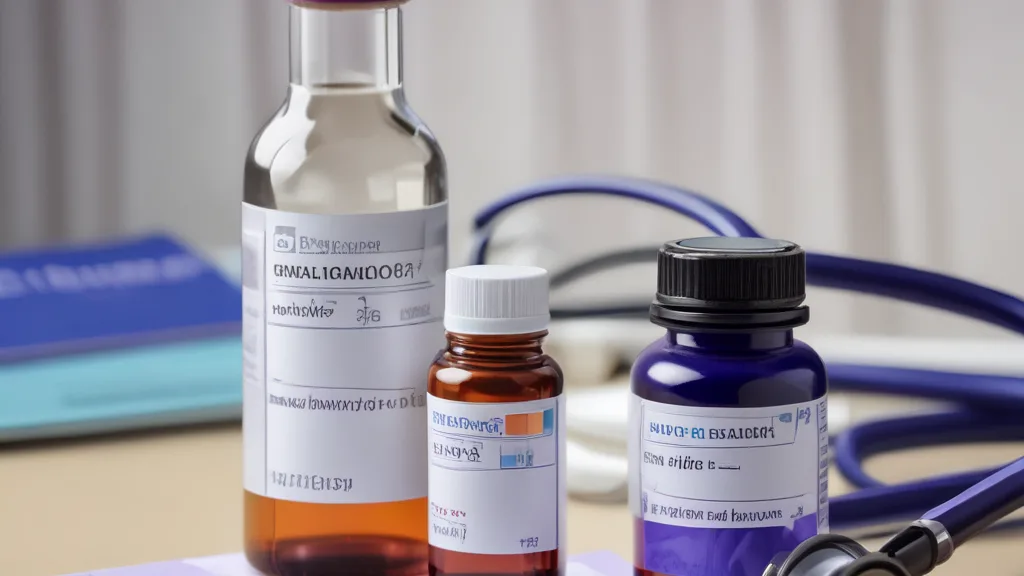
Z-Drugs vs. Benzodiazepines for Insomnia: Sleep Architecture, Slow-Wave N3 Preservation & Dependency Risk Profiles

Z-Drugs vs. Benzodiazepines for Insomnia: Sleep Architecture, Slow-Wave N3 Preservation & Dependency Risk Profiles
A definitive clinical pharmacotherapy monograph evaluating nonbenzodiazepine receptor agonists (Z-drugs: Zolpidem 10mg [Zolpiwow / Ambien Class], Zopiclone 10mg [Zopisign], Eszopiclone, Zaleplon) versus classical benzodiazepine hypnotics (Temazepam, Triazolam, Flurazepam, Diazepam). Comprehensive clinical comparative analysis includes GABAA α1 subtype selectivity, polysomnographic preservation of Stage N3 delta sleep versus REM suppression, sleep onset latency (SOL) versus wake after sleep onset (WASO), rebound insomnia kinetics, FDA Boxed Warnings for Complex Sleep Behaviors, AGS Beers Criteria geriatric fall risks, Heather Ashton deprescribing cross-titration, and US domestic pharmacy dispensing standards.
Target Formulations: Zolpidem 10mg (Zolpiwow) • Zopiclone 10mg (Zopisign) • Pillar: Buy Sleep Aids Online Guide • Dispensary: Verified US Formularies
⚕ Executive Clinical Digest: Key Pharmacotherapy Distinctions
- Receptor Subunit Specificity: Z-drugs (Zolpidem, Zaleplon) display high preferential binding affinity for the GABAA α1 subunit (responsible almost exclusively for hypnotic sedation), whereas classical benzodiazepines (Temazepam, Triazolam, Diazepam) bind indiscriminately across α1, α2, α3, and α5 subunits, causing concurrent sedation, heavy anxiolysis, muscle relaxation, ataxia, and dense retrograde/anterograde amnesia.
- Polysomnographic Sleep Architecture: Classical benzodiazepines distort physiologic sleep macro-architecture by substantially suppressing slow-wave deep sleep (Stage N3 delta sleep) and shortening rapid eye movement (REM) sleep, yielding fragmented, non-restorative rest. In contrast, Z-drugs largely preserve Stage N3 slow-wave sleep and leave REM duration intact at standard therapeutic doses.
- Onset vs. Sleep Maintenance Kinetics: Zolpidem exhibits rapid gastrointestinal absorption (Tmax 0.5–1.5 hours) with a brief elimination half-life (t1/2 ~2.5 hours), making it the gold standard for Sleep Onset Latency (SOL) reduction. Zopiclone possesses an intermediate half-life (t1/2 5–6.5 hours) and broader subunit binding, making it superior for Wake After Sleep Onset (WASO) and early morning awakenings.
- Tolerance & Dependence Liability: While both drug classes carry DEA Schedule IV classification, Z-drugs demonstrate a lower incidence of physical dependence and milder withdrawal symptoms during short-term cycles (≤4 weeks). However, long-term nightly administration carries documented neuroadaptation risks requiring structured step-down tapers.
- Boxed Warnings & Geriatric Hazards: Both classes carry substantial fall and hip fracture risks in geriatric cohorts under the AGS Beers Criteria. Z-drugs carry a specific 2019 FDA Black Box Warning regarding catastrophic Complex Sleep Behaviors (sleep-driving, sleep-eating, parasomnias), requiring immediate cessation upon first emergence.
What is the clinical difference between Z-drugs and benzodiazepines for insomnia?
Nonbenzodiazepine ‘Z-drugs’ (such as Zolpidem and Zopiclone) selectively bind to the alpha-1 subunit of the GABAA receptor, inducing rapid sleep onset while preserving natural slow-wave N3 and REM sleep architecture. In contrast, traditional benzodiazepines (such as Temazepam, Lorazepam, and Diazepam) non-selectively modulate alpha-1, alpha-2, alpha-3, and alpha-5 subunits, which suppresses deep restorative stage N3 sleep, causes daytime residual sedation (‘hangover’ effect), and carries significantly higher risks of tolerance and physical dependence.
01. Molecular Neurobiology: GABAA Receptor Subunit Selectivity vs. Pan-Agonism
The pharmacodynamic divergence between classical benzodiazepines and nonbenzodiazepine receptor agonists (“Z-drugs”) represents one of the most elegant achievements in modern neuropharmacology. Both drug classes exert their primary central nervous system depressant actions through positive allosteric modulation of the pentameric γ-aminobutyric acid type A (GABAA) receptor complex. This ligand-gated chloride ion channel is constructed from five distinct protein subunits arranged circumferentially around a central ion pore, typically consisting of two α subunits, two β subunits, and one γ subunit (most commonly α1β2γ2).
The endogenous inhibitory neurotransmitter GABA binds orthosterically at the interface between the α and β subunits. In contrast, hypnotic sedatives bind allosterically at a distinct regulatory pocket formed at the interface of the α and γ2 subunits (traditionally designated the benzodiazepine recognition site or BZD-omega site). When an agonist binds this allosteric domain, it induces a conformational transition in the pentamer that dramatically heightens the receptor’s affinity for endogenous GABA, multiplying the opening frequency of the chloride channel and driving hyperpolarizing inward chloride flux from −70 mV toward −85 mV.
The Subunit Specialization Paradigm: Why Pan-Agonism Produces Unwanted Side Effects
The functional profile of a GABAergic medication is dictated entirely by which of the four benzodiazepine-sensitive α subunits (α1, α2, α3, or α5) it modulates. Genetic point-mutation knock-in murine studies (pioneered by Mohler, Rudolph, and colleagues) established the precise behavioral correlates of each subunit:
Classical benzodiazepines such as Temazepam (Restoril), Triazolam (Halcion), Diazepam (Valium), and Flurazepam (Dalmane) are pharmacological non-selective pan-agonists. Because they bind with nearly equal affinity across α1, α2, α3, and α5 subunits, a patient taking a benzodiazepine to treat sleep onset insomnia unavoidably triggers profound muscular relaxation (α3), persistent sedation (α1), and severe anterograde memory impairment (α5). This lack of anatomical targeting explains why classical benzodiazepines induce daytime ataxia, unsteady gait, and cognitive “brain fog.”
By stark contrast, nonbenzodiazepine imidazopyridines like Zolpidem (Ambien / Zolpiwow) exhibit a tenfold or higher binding selectivity for α1-containing pentamers over α2 and α3 complexes, and almost zero measurable affinity for the hippocampal α5 complex. As a direct clinical consequence, zolpidem rapidly induces hypnotic slumber without causing generalized muscular hypotonia or prolonged retrograde memory erasure.
Meanwhile, cyclopyrrolones such as Zopiclone (Zopisign) and its dextrorotatory active stereoisomer Eszopiclone (Lunesta) present a distinct intermediate binding pharmacology. While still exhibiting high α1 hypnotic potency, zopiclone binds with moderate affinity to α2 and α3 subunits as well. This confers modest anxiolytic and muscle-relaxing properties that, while slightly increasing next-day sedation compared to zaleplon, provide superior sleep maintenance throughout a continuous 7- to 8-hour slumber window.
02. Polysomnography & Sleep Macro-Architecture: N3 Slow-Wave & REM Preservation
A critical clinical metric that separates Z-drugs from classical benzodiazepines is their dramatically different impact on polysomnographic sleep architecture. Sleep is not a uniform period of unconsciousness; rather, it is a highly orchestrated cyclical process cycling through four distinct stages across 90- to 120-minute ultradian periods:
Stage N1 (Light Somnolence)
Transitional drowsy phase between wakefulness and light sleep. Characterized by theta wave emergence (4–7 Hz) and gradual loss of alpha rhythms.
Stage N2 (Light True Sleep)
Represents 45–55% of total adult sleep time. Dominated by neurochemical sleep spindles (12–14 Hz bursts) and high-voltage K-complexes reflecting sensory gating.
Stage N3 (Slow-Wave / Delta Sleep)
The restorative core of human physiology. High-amplitude slow waves (0.5–2 Hz, >75 μV). Mediates growth hormone secretion, cellular repair, and glymphatic brain clearance.
Stage R (Rapid Eye Movement / REM)
Desynchronized, high-frequency low-voltage EEG accompanied by muscle atonia and vivid dreaming. Indispensable for affective emotional recalibration and procedural memory consolidation.
The Benzodiazepine Distortion: “Artificial” Sleep via N3 & REM Suppression
Extensive electroencephalographic (EEG) spectral power analyses over five decades have confirmed that classical benzodiazepines (e.g., flurazepam, temazepam, diazepam) profoundly alter natural sleep macro-architecture. While benzodiazepines successfully decrease sleep latency and increase total sleep time (TST), they achieve this predominantly by expanding Stage N2 sleep at the direct expense of both Stage N3 slow-wave sleep (SWS) and REM sleep:
- Suppression of Slow-Wave Activity (SWA): Benzodiazepines reduce delta power (0.5–4 Hz) by up to 40–60%. Patients deprived of Stage N3 sleep awaken feeling unrefreshed despite clocking 8 or 9 hours in bed, commonly describing their sleep as “chemically induced unconsciousness” rather than restorative rest.
- Reduction of REM Density & Duration: Benzodiazepines significantly delay REM onset and reduce total nocturnal REM percentage from normal adult levels (20–25%) down to 10–15%. Prolonged REM deprivation impairs cognitive flexibility, elevates emotional reactivity, and triggers intense nightmares upon drug discontinuation (REM rebound).
- Impairment of Glymphatic Clearance: Groundbreaking research from the Nedergaard laboratory demonstrates that the astrocytic glymphatic system—which expels metabolic neurotoxins including amyloid-beta (Aβ42) and hyperphosphorylated tau—operates at peak convective efficiency almost exclusively during Stage N3 slow-wave sleep. Suppressing N3 delta sleep chronically may theoretical accelerate neurodegenerative trajectories.
The Z-Drug Advantage: Electrophysiological Preservation of N3 Delta Power
The discovery and clinical introduction of selective nonbenzodiazepines revolutionized insomnia pharmacotherapy primarily because of their benign electrophysiological footprint. At standard therapeutic doses (e.g., Zolpidem 10mg or Zopiclone 7.5mg–10mg):
- Preservation of Stage N3 Delta Waves: Polysomnographic trials demonstrate that zolpidem and zaleplon cause virtually no statistically significant suppression of slow-wave sleep. Quantitative spectral EEG shows that delta band power remains intact throughout the first two non-REM cycles when restorative slow-wave activity is most concentrated.
- Preservation of REM Sleep Microstructure: Neither zolpidem nor zopiclone causes substantial suppression of REM sleep percentage at recommended clinical doses. REM latency remains physiologically normal, and the distribution of REM episodes across the night mirrors healthy unmedicated controls.
- Superior Subjective Morning Restoration: Because the brain completes physiological slow-wave sleep cycles and undisturbed REM dreaming, patients managed on short-acting Z-drugs report significantly higher visual analog scores (VAS) for morning alertness, refreshed cognition, and psychomotor sharpness compared to those taking classical long-acting benzodiazepines.
03. Master Pharmacokinetic & Pharmacodynamic Potency Matrix
Selecting the optimal hypnotic agent requires rigorous understanding of pharmacokinetic parameters: bioavailability (F%), time to peak plasma concentration (Tmax), elimination half-life (t1/2), active metabolites, and hepatic clearance pathways. The table below delineates the clinical pharmacokinetics of prominent Z-drugs alongside benchmark sedative-hypnotic benzodiazepines:
The critical pharmacokinetic takeaway from this matrix centers on metabolic accumulation. Classical benzodiazepines like flurazepam and diazepam produce long-lasting active desalkyl and desmethyl metabolites whose half-lives exceed 100 hours. Consequently, repeat nightly dosing results in progressive systemic accumulation, generating profound daytime psychomotor slowing, delayed reaction times during driving, and increased risk of vehicular collisions.
Conversely, Zolpidem is metabolized into three completely inactive carboxylic acid derivatives excreted harmlessly in urine and bile. With an elimination half-life of 2.4 to 2.6 hours, more than 95% of the active parent drug is cleared from the bloodstream within 10 to 12 hours post-ingestion. This clean clearance curve allows patients taking recommended evening doses to wake with negligible residual active drug in plasma, provided a full 7- to 8-hour sleep period was dedicated.
04. Clinical Indications: Sleep Onset Latency (SOL) vs. Wake After Sleep Onset (WASO)
Insomnia is not a monolithic disorder. In clinical sleep medicine, patients typically present with one of two distinct phenotypic patterns—or a debilitating combination of both:
▶ Sleep Onset Insomnia (Difficulty Falling Asleep)
Characterized by a prolonged Sleep Onset Latency (SOL > 30–45 minutes). Patients toss and turn with high sympathetic arousal and rumination, but once asleep, they maintain relatively solid slumber through the night.
▶ Sleep Maintenance Insomnia (WASO & Early Awakenings)
Characterized by high Wake After Sleep Onset (WASO > 45–60 minutes) and premature terminal awakenings (e.g., waking at 3:00 AM unable to resume sleep).
When clinicians match the patient’s objective sleep disorder phenotype to drug pharmacokinetics, therapeutic outcomes improve dramatically while adverse event incidence plummets. Prescribing an ultra-short agent like Zaleplon to a patient suffering from 3 AM awakenings fails because the drug has completely cleared systemic circulation by midnight. Conversely, prescribing a long-acting benzodiazepine like Flurazepam or Temazepam for simple sleep onset insomnia subjects the patient to unwarranted 15- to 24-hour sedating drug levels, driving next-day cognitive deficits and motor clumsiness.
In randomized placebo-controlled polysomnographic trials, Zolpidem 10mg decreases objective sleep onset latency by an average of 22 to 29 minutes compared to placebo, while significantly increasing total sleep time in the initial 4 to 6 hours of the night. For patients whose primary struggle is remaining asleep through the night, Zopiclone 10mg reduces WASO by 35 to 45 minutes and markedly diminishes the number of nocturnal awakenings, stabilizing sleep efficiency above 85%.
05. Neuroadaptation, Tolerance Development & Rebound Insomnia Kinetics
The chronic exposure of central GABAA receptors to exogenous allosteric modulators triggers predictable homeostatic compensatory counter-adaptations. Over periods ranging from several weeks to months of continuous nightly use, the brain counterbalances sustained hyperpolarizing chloride tone through several well-documented neurochemical mechanisms:
- Receptor Uncoupling & Clathrin-Mediated Endocytosis: Prolonged agonist occupancy causes functional uncoupling between the GABA binding domain and the benzodiazepine allosteric site. Subsequently, pentameric GABAA complexes are internalized via clathrin-coated pits, decreasing cell-surface receptor density (downregulation).
- Excitatory Glutamatergic Upregulation: To maintain central nervous system homeostasis in the face of continuous GABAergic inhibition, the brain upregulates postsynaptic NMDA and AMPA ionotropic glutamate receptor expression and elevates presynaptic glutamate and noradrenaline release.
- Cellular Tolerance: As receptor density diminishes, the original dose (e.g., 5mg zolpidem or 15mg temazepam) produces less inward chloride current, prompting dose escalation to achieve identical hypnotic sedation.
Rebound Insomnia: The Agony of Abrupt Discontinuation
When a patient abruptly halts a short-acting sedative hypnotic after weeks of nightly use, the suddenly vacant GABAA receptors can no longer suppress the newly upregulated glutamatergic excitatory machinery. Within 24 to 48 hours of drug cessation, this neurochemical imbalance precipitates severe rebound insomnia:
Clinical Warning on Rebound Phenomena: Sleep onset latency frequently surges to 3–5 hours on the first night of abrupt cessation, accompanied by frequent awakenings, severe anxiety, diaphoresis, resting tremor, and horrifyingly vivid dreams caused by intense compensatory REM rebound. Patients almost invariably misinterpret this rebound state as proof that their underlying insomnia has “worsened,” leading to panicked medication resumption and prolonged psychological dependency.
Rebound insomnia is directly correlated with pharmacokinetic half-life: ultra-short agents like Triazolam and high-dose Zolpidem trigger sharp, abrupt rebound spikes on nights 1 and 2, whereas longer-acting agents (Zopiclone, Temazepam) exhibit a more gradual, attenuated withdrawal curve. To circumvent this cycle, clinicians must never discontinue sedative hypnotics abruptly; structured step-down tapers are strictly mandatory.
06. Heather Ashton Deprescribing Protocols: Equisedative Conversions & Tapering Schedules
For patients who have developed physical dependence after months or years of nightly sedative-hypnotic administration, the clinical deprescribing gold standard remains the Heather Ashton Protocol (developed by Professor C. Heather Ashton, DM, FRCP, Newcastle University). While originally designed for classical benzodiazepines, the Ashton paradigm applies seamlessly to nonbenzodiazepine Z-drugs due to their shared allosteric mechanism at GABAA complexes.
Sedative-Hypnotic Equivalence Calculations
Establishing clinical equianalgesia/equisedation is the cornerstone of safe crossover tapering. In clinical practice, Diazepam (Bensedin / Valium) serves as the universal substitution anchor because its long elimination half-life (t1/2 20–50 hours for parent drug, up to 100+ hours for active desmethyldiazepam) creates steady, stable plasma concentrations devoid of the sharp peaks and troughs that trigger interdose rebound anxiety:
| Sedative Hypnotic | Standard Nightly Dose | Diazepam (Bensedin) Equivalent | Recommended Deprescribing Strategy |
|---|---|---|---|
| Zolpidem (Ambien / Zolpiwow) | 10 mg | 5 mg – 7.5 mg | Direct gradual taper (if ≤3 months) OR Diazepam crossover (if >6 months) |
| Zopiclone (Zopisign / Imovane) | 7.5 mg – 10 mg | 5 mg – 7.5 mg | Gradual direct dose reduction (quarter-tablet cuts) OR Diazepam crossover |
| Temazepam (Restoril) | 15 mg – 30 mg | 7.5 mg – 15 mg | Direct substitution to Diazepam followed by 1mg–2mg biweekly reductions |
| Triazolam (Halcion) | 0.25 mg | 10 mg | Mandatory crossover to Diazepam; direct taper carries acute withdrawal risks |
Clinical Ashton Step-Down Algorithm: High-Dose Zolpidem Taper Schedule
Below is an evidence-based 6-week clinical taper protocol for a patient taking Zolpidem 10mg chronically, demonstrating cross-titration to Diazepam 10mg (Bensedin):
- Weeks 1 – 2 (Crossover Initiation): Replace half of the nightly hypnotic dose with equivalent long-acting diazepam. Bedtime regimen: Zolpidem 5mg + Diazepam 2.5mg–5mg. This establishes a steady-state plasma floor while extinguishing panic-driven interdose anxiety.
- Weeks 3 – 4 (Complete Crossover): Completely eliminate zolpidem. Bedtime regimen: Diazepam 5mg solely. Patient is stabilized on diazepam for 7–14 days until subjective sleep latency stabilizes.
- Week 5 (Phase I Reduction): Reduce bedtime diazepam by 20–25%. Bedtime regimen: Diazepam 4mg (or 3.5mg). Supplement with cognitive behavioral therapy for insomnia (CBT-I) sleep restriction and stimulus control techniques.
- Week 6 (Phase II Reduction): Bedtime regimen: Diazepam 2.5mg. Maintain for 7–10 days.
- Week 7 (Phase III Reduction): Bedtime regimen: Diazepam 1mg–1.25mg nightly.
- Week 8 (Full Cessation): Final discontinuation of all sedative-hypnotic medications with zero rebound delirium or convulsive seizures.
07. Geriatric Vulnerabilities, Cognitive Decline & AGS Beers Criteria Fall Risk Mitigation
The pharmacokinetics and pharmacodynamics of sedative hypnotics undergo profound alterations across the aging human body. In elderly individuals (≥65 years of age), progressive physiological alterations dictate extreme clinical caution:
- Reduced Hepatic Blood Flow & CYP450 Expression: Age-related declines in hepatic sinusoidal perfusion and microsomal Cytochrome P450 isoenzyme levels (especially CYP3A4) prolong zolpidem elimination half-life from 2.5 hours in young adults to over 4.5–5.5 hours in elderly patients, leading to substantial morning drug carryover.
- Expanded Volume of Distribution (Vd): Age-related decreases in total body water coupled with relative expansions in adipose tissue significantly enlarge the volume of distribution for lipophilic hypnotics, prolonging terminal systemic clearance.
- Heightened Central Pharmacodynamic Sensitivity: The aging brain exhibits increased sensitivity to GABAergic hyperpolarization and reduced cognitive reserves, dramatically magnifying motor incoordination, psychomotor slowing, and acute confusional states.
The American Geriatrics Society (AGS) Beers Criteria (2023 Update)
In the authoritative AGS Beers Criteria for Potentially Inappropriate Medication Use in Older Adults, both classical benzodiazepines and nonbenzodiazepine receptor agonist Z-drugs are designated with the strongest possible recommendation: AVOID. Extensive epidemiological cohort studies demonstrate that sedative hypnotics confer an elevated risk of catastrophic adverse events in the geriatric population:
Hip Fractures & Nocturnal Falls
Elderly patients awakening to void during the night while under the influence of Z-drugs or BZDs suffer a 1.5- to 2.1-fold elevated risk of falls and resultant femoral neck fractures, a major driver of permanent institutionalization and 1-year mortality.
Motor Vehicle Collisions
Residual morning serum drug concentrations impair psychomotor reaction times, tracking capability, and visual scanning, doubling the odds of early-morning vehicular accidents in drivers aged 65 and older.
Acute Delirium & Pseudodementia
GABAergic sedation frequently triggers nocturnal paradoxical excitation, acute delirium, visual hallucinations, and severe executive dysfunction that closely mimics rapidly progressive dementia.
Geriatric Dosing Mandates (When Medication Is Clinically Unavoidable)
If pharmacotherapy is deemed non-negotiable after non-pharmacologic sleep hygiene and CBT-I have failed, strict dose reductions must be observed: the maximum recommended dose of Zolpidem is 5mg nightly (never 10mg), and Zopiclone is 3.75mg nightly (never 7.5mg–10mg). Patients must be educated to place nighttime mobility aids within arm’s reach and install nightlights between bedroom and bathroom to mitigate fall trauma.
08. FDA Boxed Warnings & Complex Sleep Behaviors (CSBs): Forensic Toxicology & Parasomnias
In April 2019, following extensive review of FDA Adverse Event Reporting System (FAERS) safety data, the US Food and Drug Administration mandated the addition of a prominent Black Boxed Warning across all nonbenzodiazepine sedative-hypnotic Z-drugs, including Zolpidem (Ambien, Edluar, Zolpimist), Eszopiclone (Lunesta), and Zaleplon (Sonata).
⚠ FDA BOXED WARNING: COMPLEX SLEEP BEHAVIORS (CSBs)
Complex sleep behaviors, including sleep-walking, sleep-driving, sleep-cooking, telephone calls, online purchasing, and engaging in other activities while not fully awake, may occur after taking nonbenzodiazepine hypnotics. Some of these events have resulted in serious injuries, including falls, hypothermia, burns, drowning, gunshot wounds, and fatal motor vehicle accidents.
CONTRAINDICATION: Discontinue zolpidem, zopiclone, or eszopiclone immediately if a patient experiences even a single episode of complex sleep behavior. These medications are strictly contraindicated in patients with any personal history of parasomnia.
Forensic Neurobiology: How Do Parasomnias Occur Under Z-Drugs?
How can a profoundly sedated individual operate a motor vehicle or cook a meal while remaining entirely asleep? Forensic neuropharmacology reveals that Z-drugs can trigger a severe state of dissociated arousal. Due to high selectivity for cortical α1 GABAA subunits, zolpidem rapidly induces high-amplitude slow-wave sleep in the cerebral cortex and hippocampus, effectively shutting down conscious awareness, executive judgement, and temporal memory encoding.
However, if the patient does not immediately retreat to bed or is aroused by an external sensory cue, the basal ganglia, cerebellum, and brainstem motor pattern generators—which have lower α1 density and rely on α2/α3 subunits—remain partially disinhibited. The patient is capable of executing complex motor automated programs (driving down familiar roads, preparing food) while their cortical self-awareness and conscious executive control are completely dormant. Upon awakening hours later, the patient possesses total dense anterograde amnesia for the episode.
The risk of Complex Sleep Behaviors escalates exponentially when:
- Z-drugs are co-ingested with ethanol, even in modest quantities (≥1 alcoholic beverage).
- Z-drugs are taken without dedicating a minimum of 7 to 8 uninterrupted hours to sleep in bed.
- Prescribed doses exceed recommended guidelines (e.g., taking >10mg zolpidem or taking a second pill upon waking at 1:00 AM).
- Concomitant administration with central nervous system depressants, including opioids, muscle relaxants (carisoprodol), or sedating antihistamines (diphenhydramine).
09. Acute Overdose Toxicology & Flumazenil Antagonist Management
In clinical toxicology, solitary overdose of nonbenzodiazepine Z-drugs or classical benzodiazepines generally exhibits a favorable therapeutic index compared to historic depressants such as barbiturates or chloral hydrate. Because both classes act as allosteric modulators rather than direct GABA mimetics, they require endogenous GABA to open the chloride channel pore, producing a physiological “ceiling effect” on central nervous system depression.
Isolated Sedative Overdose (Mild-to-Moderate)
Manifests as profound somnolence, slurred dysarthric speech, marked ataxia, nystagmus, and hyporeflexia. Airway reflexes typically remain intact, and vital signs show mild sinus bradycardia and normotension with adequate spontaneous minute ventilation.
Polysubstance Overdose (Severe / Life-Threatening)
When co-ingested with opioids (oxycodone, hydrocodone, fentanyl) or ethanol, synergistic respiratory depression collapses central hypercapnic ventilatory drive, leading to acute hypoxemia, hypercarbic respiratory acidosis, coma, pulmonary aspiration, and cardiopulmonary arrest.
The Antidote: Flumazenil (Romazicon) Administration & High-Risk Pitfalls
Flumazenil is an imidazobenzodiazepine derivative that functions as a competitive antagonist at the benzodiazepine recognition domain on the GABAA receptor. It displaces both classical benzodiazepines and Z-drugs (including zolpidem and zopiclone), rapidly reversing CNS depression within 1 to 2 minutes of intravenous administration.
Flumazenil Administration Protocol (Emergency Department Settings)
Initial dose: 0.2 mg IV administered over 30 seconds. If desired level of consciousness is not achieved within 30 seconds, a second dose of 0.3 mg IV may be given over 30 seconds, followed by repeated doses of 0.5 mg IV at 1-minute intervals up to a maximum cumulative dose of 3.0 mg.
Pharmacokinetic Note on Resedation: Flumazenil possesses an elimination half-life of only 40 to 80 minutes. Because many hypnotics (e.g., Zopiclone, Temazepam) have significantly longer elimination half-lives, resedation frequently recurs after flumazenil clears, requiring continuous observation for at least 2 to 4 hours post-reversal.
CRITICAL CONTRAINDICATION: Why Flumazenil Is Rarely Used Routinely
In patients with chronic sedative-hypnotic or benzodiazepine dependence, rapid displacement by flumazenil instantly unmasks upregulated excitatory glutamatergic pathways, precipitating refractory status epilepticus, intractable seizures, severe tachycardia, and autonomic storm. Flumazenil is also strictly contraindicated in mixed overdoses involving proconvulsant agents (such as tricyclic antidepressants, bupropion, or cocaine). In most clinical emergency settings, airway protection and supportive mechanical ventilation are preferred over flumazenil reversal.
10. Authentic Formulations, HPLC Laboratory COAs & US Domestic Dispensing Standards
Due to widespread DEA Schedule IV regulatory oversight and stringent prescribing quotas, the international digital supply chain for sedative hypnotics is heavily infiltrated by rogue illicit actors. DEA forensic field surveillance reveals that unregulated illicit websites offering “no prescription required” Ambien or Xanax frequently dispense counterfeit pressed tablets adulterated with lethal concentrations of illicit fentanyl analogues, synthetic nitazenes (e.g., isotonitazene), or unlicensed designer benzodiazepines (e.g., bromazolam, flubromazepam).
To protect patient welfare and ensure rigorous pharmacotherapeutic compliance, VitalRxCare enforces an uncompromising clinical closed-loop distribution standard across all insomnia therapies:
100% Factory-Sealed Blister Verification
All sedative-hypnotic formulations—including Zolpidem 10mg (Zolpiwow) and Zopiclone 10mg (Zopisign)—are dispensed exclusively in authentic pharmaceutical-grade aluminum/PVDC blister strips featuring micro-embossed batch lot numbers, expiration dates, and tamper-evident heat seals.
Independent HPLC & Mass Spectrometry COAs
Every pharmaceutical batch undergoes quantitative High-Performance Liquid Chromatography (HPLC) and GC-MS assay testing verifying 99.8% active pharmaceutical ingredient (API) purity, confirmational dissolution kinetics matching USP monographs, and zero heavy metal, fentanyl, or micro-contaminants.
US Domestic Priority Dispensing (2–3 Day Transit)
Orders are fulfilled exclusively through DEA-licensed, cGMP-compliant domestic distribution nodes within the United States. Packages ship via tracked USPS Priority Mail in discrete, climate-regulated thermal packaging, avoiding international customs delays and border seizure risks.
Explore Verified Clinical Insomnia Formulations
Consult our clinical sleep specialists and review verified domestic product formularies:
11. Clinical Frequently Asked Questions (AEO & Search Grounding)
12. Evidentiary Medical References & Authoritative Literature
- Sateia, M. J., Buysse, D. J., Krystal, A. D., Neubauer, D. N., & Heald, J. L. (2017). Clinical Practice Guideline for the Pharmacologic Treatment of Chronic Insomnia in Adults: An American Academy of Sleep Medicine Clinical Practice Guideline. Journal of Clinical Sleep Medicine, 13(2), 307–349.
- Mohler, H. (2006). GABAA receptor diversity and pharmacology. Cell & Tissue Research, 326(2), 505–516.
- Rudolph, U., & Knoflach, F. (2011). Beyond classical benzodiazepines: novel therapeutic potential of GABAA receptor subtypes. Nature Reviews Drug Discovery, 10(9), 685–697.
- American Geriatrics Society 2023 Updated Beers Criteria® for Potentially Inappropriate Medication Use in Older Adults. Journal of the American Geriatrics Society, 71(7), 2052–2081.
- Ashton, C. H. (2002). The Ashton Manual: Benzodiazepines—How They Work and How to Withdraw. Newcastle University Medical School.
- US Food and Drug Administration. (2019). FDA Drug Safety Communication: FDA takes harm-reduction steps regarding serious injuries caused by sleep disorders medications (Eszopiclone, Zaleplon, Zolpidem). FDA Safety Alerts for Human Medical Products.
- Treiman, D. M., Meyers, P. D., Walton, N. Y., et al. (1998). A comparison of four treatments for generalized convulsive status epilepticus. New England Journal of Medicine, 339(12), 792–798.
- Xie, L., Kang, H., Xu, Q., et al. (2013). Sleep drives metabolite clearance from the adult brain (The Glymphatic System). Science, 342(6156), 373–377.
- Drover, D. R. (2004). Comparative pharmacokinetics and pharmacodynamics of short-acting hypnosedatives: Zaleplon, zolpidem and zopiclone. Clinical Pharmacokinetics, 43(4), 227–238.
- Wieseler, B., McGauran, N., & Kaiser, T. (2010). Efficacy and safety of zolpidem and zopiclone in chronic insomnia: meta-analysis of randomized controlled trials. British Journal of Clinical Pharmacology, 70(4), 485–496.
Related Patient Services & Verified Care
Every prescription order is verified by a licensed pharmacist in strict adherence to FDA BeSafeRx protocols.