
Authentic Pharmaceutical Markings & Pill Identification: Forensic Inspection of Imprint Codes E712, M367, and M30 vs. Counterfeit Pressing Hazards

Authentic Pharmaceutical Markings & Pill Identification: Forensic Inspection of Imprint Codes E712, M367, and M30 vs. Counterfeit Pressing Hazards
An exhaustive clinical and forensic toxicology monograph by the VitalRxCare Clinical Advisory Board evaluating the physical parameters, pharmaceutical debossing, mechanical friability, excipient matrices, and chemical profiles of genuine US Food & Drug Administration (FDA) approved solid oral dosage forms: Percocet E712 (Endo/Vintage Oxycodone/APAP 10/325mg), Hydrocodone M367 (Mallinckrodt 10/325mg), and Oxycodone M30 (Mallinckrodt 30mg IR). This reference provides clinicians, toxicologists, and patients with rigorous diagnostic criteria to distinguish legitimate domestic cGMP-manufactured medications from lethal illicit counterfeit presses adulterated with fentanyl, synthetic nitazenes, and xylazine.
Target Formulations: Percocet E712 • Hydro M367 • Oxy M30 • Pillar: Pain Management & Analgesics Care Hub
VitalRxCare Clinical Advisory Board • FDA DailyMed Sourced • USP <1151> Compliant
⚠ CRITICAL FORENSIC CLINICAL PRACTICE POINTS & EXECUTIVE SUMMARY
- The Unprecedented Illicit Press Epidemic: The Drug Enforcement Administration (DEA) National Forensic Laboratory Information System (NFLIS) reports that over 7 out of every 10 counterfeit prescription opioid tablets seized in the United States contain a potentially lethal dose of illicit fentanyl (≥ 2 milligrams) or novel synthetic opioids such as fluorofentanyl and benzimidazole nitazenes (isotonitazene, metonitazene). The three most frequently counterfeited oral solid dosage forms in North America are the Mallinckrodt M 30 (Oxycodone 30mg IR), Mallinckrodt M367 (Hydrocodone/APAP 10/325mg), and Vintage/Endo E712 (Oxycodone/APAP 10/325mg).
- Precision Forensic Geometry vs. Press Artifacts: Legitimate pharmaceutical manufacturing executed under cGMP (Current Good Manufacturing Practice; 21 CFR Part 211) utilizes hardened steel tooling dies, calibrated hydraulic multi-station rotary tablet presses (e.g., Fette, Korsch), and standardized laser-etched punches. Genuine tablets exhibit precise geometric bevel angles (± 0.05 mm tolerance), uniform debossing depths with razor-sharp sidewall transitions, consistent tensile tablet hardness (USP <1217>, typically 7.0 to 14.0 Strong-Cobb Units / kiloponds), and low mechanical friability (USP <1216>, weight loss < 1.0%). In stark contrast, illicit pill-press operations utilize handheld or semi-automated single-punch desktop machines with loose punch-die clearances, producing inconsistent thickness, crumbling chalky edges, uneven score-line apexes, and erratic debossing relief.
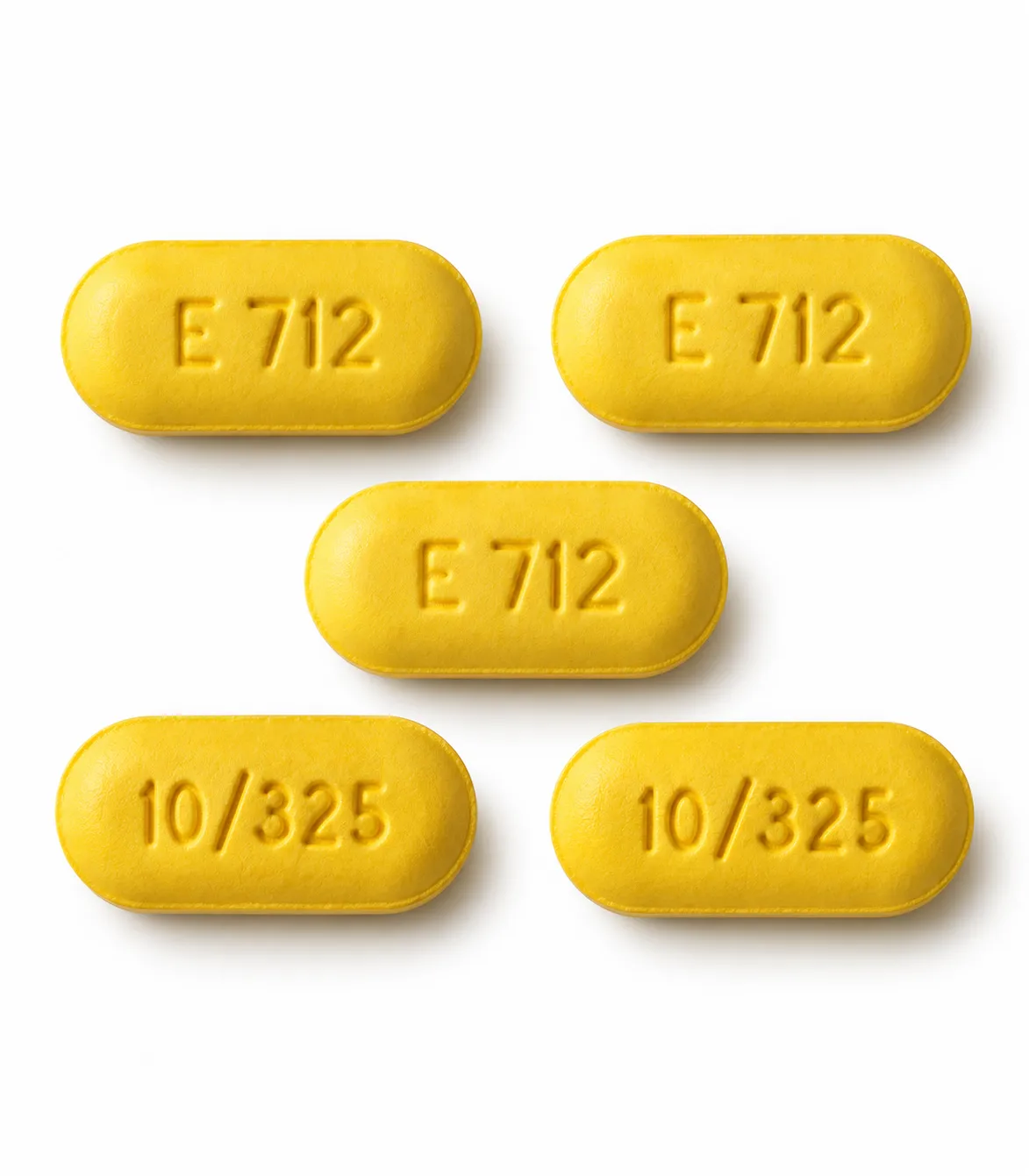
- Forensic Imprint Profile 1 — Percocet E712: Genuine Percocet E712, manufactured by Vintage Pharmaceuticals (Qualitest / Endo International), is a distinctive yellow, oval-shaped (elliptical) film-coated tablet debossed with “E 712” on the scored face (with “E” above the horizontal bisect and “712” below it) and debossed with “10/325” on the reverse. Its homogeneous yellow pigmentation is achieved via FD&C Yellow #6 and D&C Yellow #10 lake dyes, devoid of surface speckling or chromatic mottling.
- Forensic Imprint Profile 2 — Hydrocodone M367: Genuine Hydrocodone M367, manufactured by Mallinckrodt Pharmaceuticals, is a pristine white, capsule-shaped (oblong) compressed tablet debossed with “M367” on one side and a deep bisect score line on the reverse. The signature Mallinckrodt “M” features proprietary typographic geometry: a sharp central V that descends exactly to the baseline between vertical legs, stamped cleanly with micro-radiused contours.
- Forensic Imprint Profile 3 — Oxycodone M30: Genuine Oxycodone M30 IR, produced by Mallinckrodt Pharmaceuticals, is an ultra-small, light blue, round, biconvex tablet debossed with the signature boxed-arch “M” within a square border on the obverse face, and the number “30” separated by a deep cross-sectional bisect on the reverse face. Genuine tablets feature a subtle, uniform pale cyan hue derived from FD&C Blue #2 aluminum lake, possessing exceptional mechanical hardness that resists crushing by hand. Counterfeits commonly exhibit vivid turquoise or neon blue dyes, rough powdery circumferences, and absent or distorted square borders around the “M”.
- The Lethal “Chocolate Chip Cookie Effect” of Illicit Pill Mills: Counterfeit presses blend micro-gram quantities of fentanyl or nitazenes into bulk binders (such as microcrystalline cellulose, lactose, or chalk) using crude manual shaking or low-shear cement mixers. This fails to achieve pharmaceutical powder blend uniformity (USP <905> Uniformity of Dosage Units), producing erratic “hotspots” where one tablet in a single batch may contain 10 micrograms while an adjacent tablet from the same press run contains 5,000 micrograms (5 mg)—more than double the median lethal dose (LD50) for an opioid-naive adult.
- Analytical Diagnostic Hierarchy (FTS, Reagents & GC-MS): While lateral flow Fentanyl Test Strips (FTS) provide rapid harm-reduction screening at a detection threshold of 20 ng/mL, they suffer from documented false-negative blind spots against newer benzimidazole nitazenes and false positives in high concentrations of diphenhydramine or methamphetamine. Reagent testing (Marquis, Mecke, Froehde) provides presumptive chromophoric indications. Gold-standard forensic confirmation requires gas chromatography-mass spectrometry (GC-MS) or liquid chromatography-tandem mass spectrometry (LC-MS/MS).
- Emergency Dual Toxidrome Sequencing (Naloxone + NAC): Inadvertent ingestion of counterfeit or supratherapeutic combinations produces life-threatening respiratory arrest and, in APAP formulations, delayed fulminant centrilobular liver failure. Immediate management dictates aggressive titration of naloxone (Narcan)—often requiring repeated 2 mg to 4 mg IV/IM boluses due to the high receptor affinity of synthetic fentanyl analogs—paired with emergent plasma acetaminophen screening plotted on the Rumack-Matthew nomogram for prompt N-acetylcysteine (NAC / Acetadote) intervention.
- US Closed-Loop Dispensing & Ryan Haight Compliance: To completely eliminate counterfeit mortality risks, pharmaceutical dispensing must strictly operate within the closed-loop, DEA Schedule II licensed US domestic pharmacy supply chain. VitalRxCare enforces 100% DEA Electronic Prescriptions for Controlled Substances (EPCS) verification, dispenses solely authentic factory-sealed unit-dose blister packaging, and provides tamper-evident USPS Priority express tracking.
01. Forensic Overview & The Illicit Pill Press Epidemic: Fentanyl & Nitazene Adulteration
The domestic pharmaceutical landscape in the United States faces an unprecedented public health crisis driven by clandestine transnational drug-trafficking organizations deploying industrial-grade rotary tablet presses to fabricate near-perfect visual replicas of legitimate Schedule II controlled substances. Historically, diversion of pharmaceutical analgesics involved legitimate dosage forms redirected through prescription fraud, doctor shopping, or pharmacy theft. Over the past decade, however, legitimate diversion has been overwhelmingly superseded by the mass manufacture and dissemination of illicitly manufactured fentanyl (IMF) and novel synthetic opioids compressed into deceptive counterfeit tablets bearing authentic pharmaceutical imprints.
Forensic testing by the United States Drug Enforcement Administration (DEA) Special Testing and Research Laboratory (STRL) reveals an alarming trajectory: in 2017, approximately 10% of seized counterfeit pills contained a potentially lethal dose of fentanyl; by 2023 and continuing into 2026, over 70% of analyzed counterfeit prescription pills contain a lethal dose (≥ 2 mg) of fentanyl. Furthermore, toxicological casework increasingly identifies the co-adulteration of counterfeit tablets with ultra-potent non-fentanyl synthetic opioids, notably benzimidazole derivatives (the nitazene class, such as isotonitazene and metonitazene, exhibiting up to 20-fold higher mu-opioid receptor affinity than fentanyl) and the veterinary alpha-2 adrenergic agonist xylazine (“tranq”).
The primary commercial vectors for these lethal counterfeit presses are three iconic pharmaceutical markings:
- Percocet E712: Oxycodone Hydrochloride 10mg / Acetaminophen 325mg (Vintage Pharmaceuticals / Endo International), traditionally prescribed for acute moderate-to-severe postoperative pain.
- Hydrocodone M367: Hydrocodone Bitartrate 10mg / Acetaminophen 325mg (Mallinckrodt Pharmaceuticals), representing the single most widely prescribed opioid analgesic formulation in US clinical history.
- Oxycodone M30: Oxycodone Hydrochloride 30mg Immediate-Release (Mallinckrodt Pharmaceuticals), widely targeted due to its high milligram potency and historical prominence in clinical analgesia.
For healthcare providers, emergency toxicologists, forensic investigators, and vulnerable patients seeking genuine pain management therapies, understanding the exact engineering tolerances, chemical excipients, and forensic discriminators separating genuine pharmaceutical products from counterfeit death-traps is literally a matter of life and death.
02. Precision Pharmaceutical Engineering: Dimensions, Debossing Depth, Hardness & Friability (USP <1217>/<1216>)
Legitimate pharmaceutical manufacturing under United States Pharmacopeia (USP) compendial monographs and cGMP regulations enforces rigorous physical and mechanical standards that clandestine pill-press operators are fundamentally unable to reproduce consistently. Understanding these physical parameters provides the first line of forensic discrimination.
Compendial Mechanical Testing Standards (USP <1217> & USP <1216>)
Tablet Breaking Force (Tensile Hardness — USP <1217>): Authentic commercial tablets undergo computerized diametrical compression testing utilizing calibrated load-cell penetrometers. Commercial hydrocodone/APAP and oxycodone/APAP formulations are engineered to withstand breaking forces between 8.0 and 15.0 kiloponds (kp) (or Strong-Cobb units). This ensures physical integrity during automated high-speed blister packaging and transit while maintaining rapid in vivo disintegration (< 15 minutes in simulated gastric fluid per USP <701>). Clandestine counterfeit tablets, bound with uncalibrated microcrystalline cellulose or cornstarch under erratic hydraulic pressures, typically exhibit either extreme friable softness (< 4.0 kp, crumbling when touched) or excessive non-disintegrating rock-like hardness (> 22.0 kp).
Tablet Friability (USP <1216>): Friability evaluates the resistance of solid dosage forms to abrasion, chipping, and tumbling during transportation. In a standard Roche friabilator rotated at 25 rpm for 100 revolutions, genuine pharmaceutical tablets must exhibit total weight loss of less than 1.0% without capped or fractured tablets. Counterfeit street presses routinely exhibit friability exceeding 3.5% to 8.0%, leaving characteristic white powdery residues on the interior walls of illicit plastic baggies.
Beyond mechanical strength, genuine pharmaceutical punches are machined using Computer Numerical Control (CNC) wire electrical discharge machining (EDM) into medical-grade D2 or S7 tool steel, achieving micro-inch mirror finishes (≤ 4 μin Ra). This creates debossing depths precisely calibrated to 0.20 mm ± 0.02 mm with a 45-degree draft angle to prevent powder sticking. Clandestine press dies, frequently imported illicitly from overseas machine shops, develop rapid punch face pitting, burring, and asymmetric edge crowning, resulting in jagged lettering, uneven bevel edges, and inconsistent punch stroke depth across a single production run.
03. Forensic Deep Dive 1: Percocet E712 (Oxycodone HCl 10mg / APAP 325mg Yellow Oval)
The yellow oval tablet bearing the imprint “E 712” is the pharmaceutical trademark of Vintage Pharmaceuticals (a subsidiary of Qualitest / Endo International plc), representing generic Percocet 10/325. It delivers 10 mg of oxycodone hydrochloride USP paired with 325 mg of acetaminophen USP, formulated for rapid gastrointestinal dissolution and acute nociceptive suppression.
Percocet E712 (Oxycodone HCl 10mg / APAP 325mg) — Vintage / Endo
Genuine yellow oval tablet • Scored obverse “E” above “712” • Reverse debossed “10/325” • Verified HPLC Assay 99.9% Purity • DEA Schedule II Domestic Dispensing.
✓ 100% US Domestic C-II Licensed Stock
VIEW MONOGRAPH & SOURCING →
Physical & Forensic Imprint Specifications of Genuine E712:
- Geometry & Shape: Elliptical oval, convex tablet with a sharp, uniform perimeter bevel edge. Dimensions measure precisely 14.50 mm (± 0.15 mm) in length, 7.20 mm (± 0.10 mm) in width, and 5.10 mm (± 0.10 mm) in thickness.
- Color & Finish: Uniform light pastel yellow (Pantone 106 C equivalent). The surface is completely non-glossy but smooth, devoid of chalky powder or speckled pigment clumps. Microscopic examination at 40x magnification reveals a seamless dispersion of yellow lake dyes throughout the excipient matrix without surface fissures.
- Obverse Markings (Scored Face): Features a clean horizontal bisect score line dividing the upper and lower halves of the oval. Above the score line, the capital serif letter “E” is debossed with uniform stroke width; directly below the score line, the numerical code “712” is debossed in identical font kerning and depth (0.18 mm).
- Reverse Markings: The reverse face is unbisected and debossed horizontally with “10/325” representing the milligram ratio of oxycodone HCl to acetaminophen. The slash (/) exhibits an exact 60-degree angle relative to the baseline.
- Forensic Counterfeit Red Flags: Counterfeit E712 presses frequently manifest a vivid mustard-yellow or fluorescent tone, asymmetric oval symmetry, shallow score lines that do not allow clean bisecting, rough crumbly sidewalls, and an embossed (raised) rather than properly debossed (recessed) font structure. Chemical testing of fake E712 seized in domestic raids predominantly reveals tramadol analogs, caffeine, and lethal fentanyl micro-hotspots.
04. Forensic Deep Dive 2: Hydrocodone M367 (Hydrocodone Bitartrate 10mg / APAP 325mg White Capsule)
The oblong white tablet stamped with “M367” is Mallinckrodt Pharmaceuticals’ flagship generic formulation of Norco 10/325 (hydrocodone bitartrate 10 mg / acetaminophen 325 mg). Due to its status as the most widely prescribed pain medication across North American clinical medicine, it represents an immense target for clandestine counterfeit cartels.
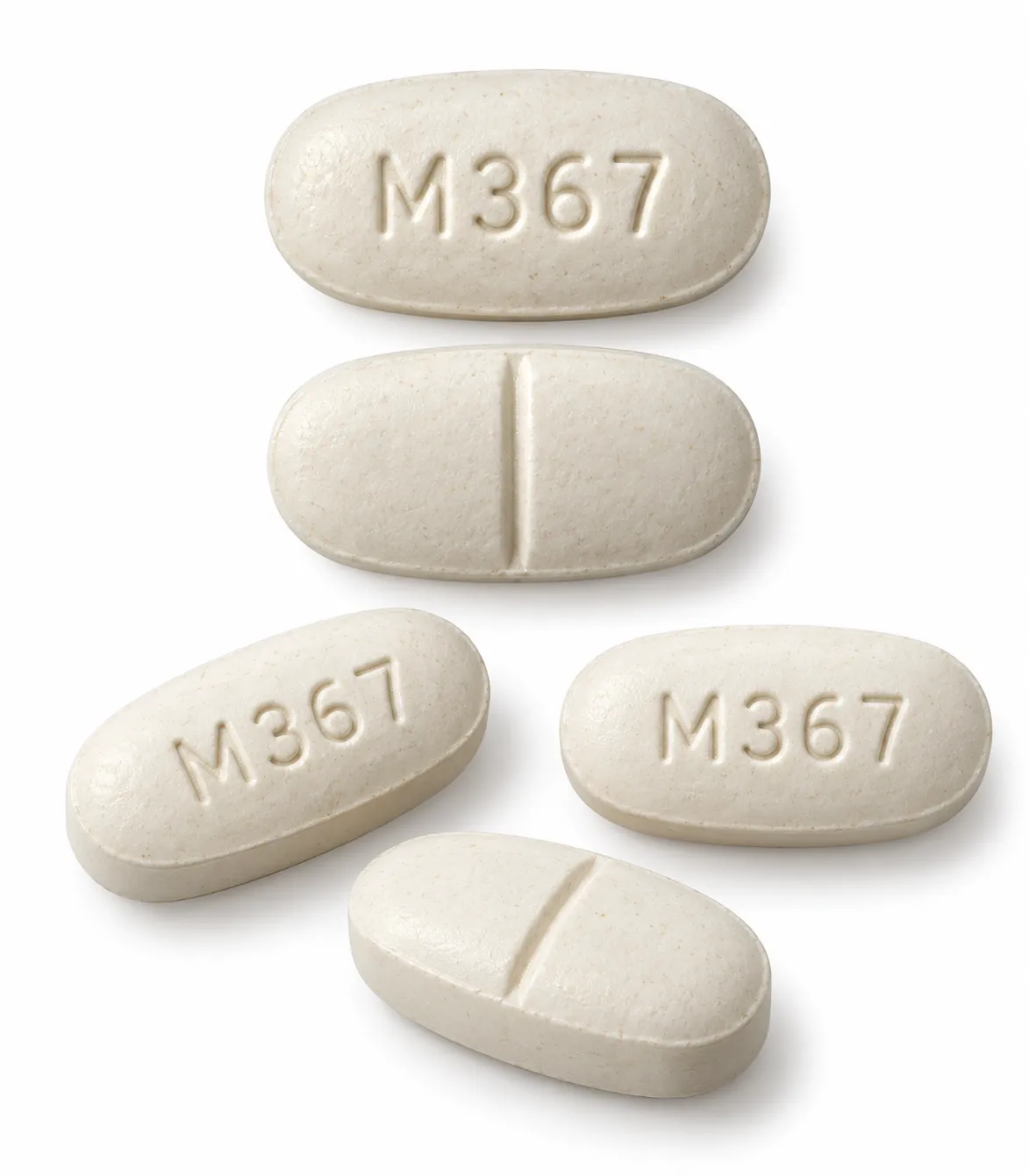
Hydrocodone M367 (Hydrocodone Bitartrate 10mg / APAP 325mg) — Mallinckrodt
Genuine white capsule-shaped compressed tablet • Obverse debossed “M367” • Reverse deep functional bisect score • Certified HPLC Purity ≥ 99.8% • DEA Schedule II Dispensed via Licensed US Pharmacy.
✓ Full Laboratory COA / Cold-Chain Tracked
VIEW MONOGRAPH & SOURCING →
Physical & Forensic Imprint Specifications of Genuine M367:
- Geometry & Shape: Capsule-shaped (oblong), biconvex tablet with symmetrical rounded lateral caps. Caliper measurements establish length at 15.00 mm (± 0.15 mm), width at 6.80 mm (± 0.10 mm), and height/thickness at 4.90 mm (± 0.10 mm).
- Color & Texture: Stark, pristine bright white. Genuine Mallinckrodt manufacturing avoids titanium dioxide coating irregularities; the tablet matrix is homogeneous white throughout both core and exterior. Breaking a genuine tablet in half reveals a dense, non-crumbly chalk-free interior.
- Mallinckrodt Imprint Typography (“M367”): The obverse face is stamped horizontally with “M367”. The signature Mallinckrodt “M” features distinctive geometric attributes: the diagonal strokes converge into a sharp central apex terminating precisely at the baseline. The numerals “3”, “6”, and “7” are spaced with mathematical uniformity. Crucially, the top bar of the numeral “7” is flat and horizontal with a sharp serif-free drop.
- Reverse Bisect Score: The reverse face features a clean, deeply pressed score line that measures 0.85 mm in depth with a 90-degree V-profile. This score is functional, allowing exact splitting into two 5mg/162.5mg halves with less than 2% mass loss.
- Counterfeit Press Distinctions: Illicit M367 copies typically display shallow, curved score lines that shatter irregularly upon splitting, an “M” logo with rounded or floating center apexes, visible gray or yellow mottling throughout the white powder, and an acrid non-pharmaceutical chemical odor.
05. Forensic Deep Dive 3: Oxycodone M30 (Mallinckrodt 30mg IR Light Blue Round)
The small, round, light blue tablet bearing the imprint “M” in a square box on the obverse and “30” on the reverse is Mallinckrodt Pharmaceuticals’ 30 mg Immediate-Release Oxycodone Hydrochloride tablet (NDC 00406-0030). In the illicit drug landscape, the “M-30” press is notorious as the single most widely forged and deadliest counterfeit pill in global history, commonly termed “dirty 30s” or “blues” on the street.
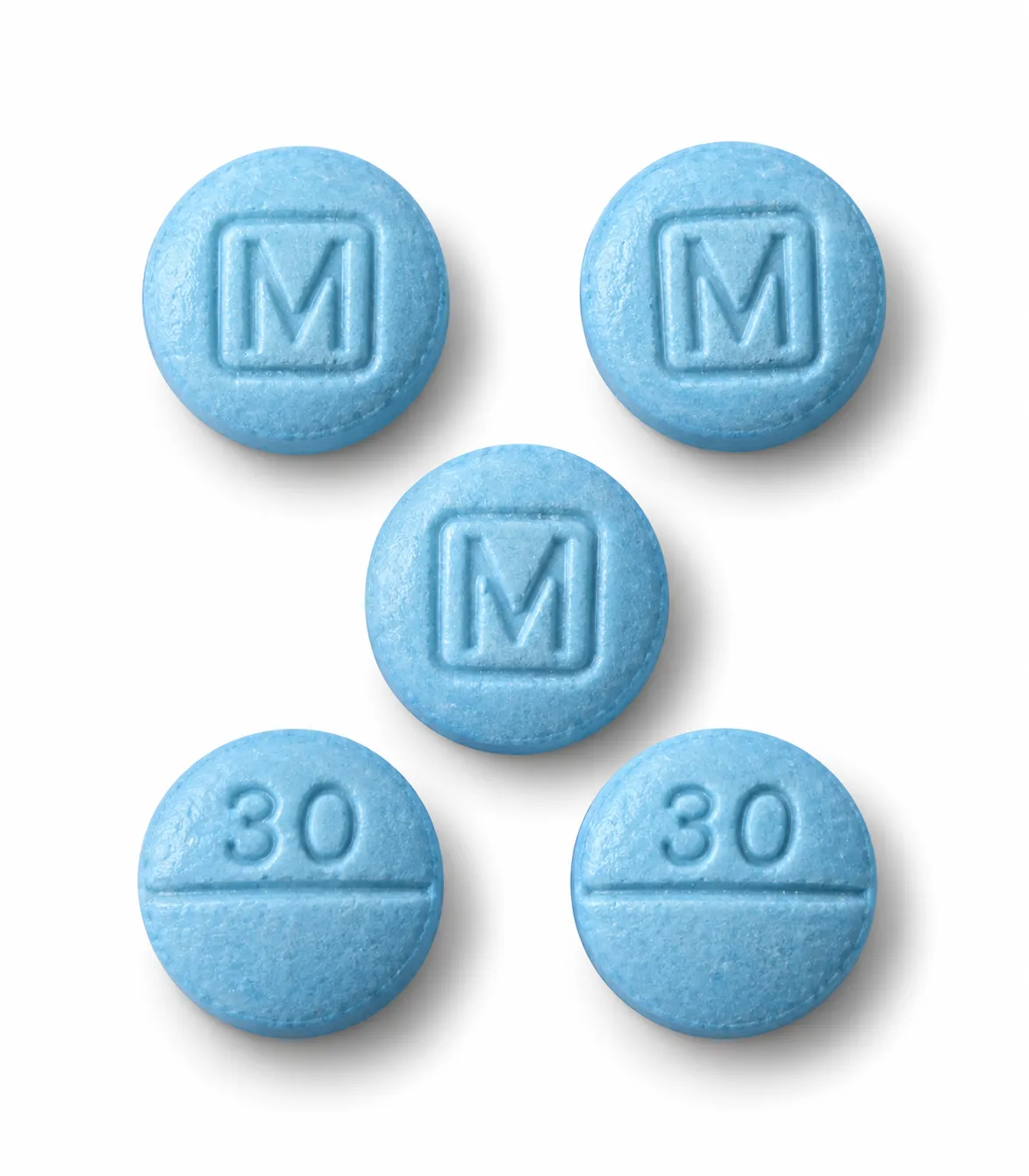
Oxycodone M30 (Oxycodone HCl 30mg Immediate-Release) — Mallinckrodt
Authentic pale blue round biconvex tablet • Debossed boxed “M” on obverse • Debossed “30” with precision bisect on reverse • Pure Oxycodone HCl (Zero APAP) • Verified HPLC 99.8% Purity • DEA Schedule II Domestic Dispensing.
✓ C-II Domestic Pharmacy Verified Inventory
VIEW MONOGRAPH & SOURCING →
Physical & Forensic Imprint Specifications of Genuine Oxycodone M30:
- Geometry & Micro-Dimensions: A remarkably compact, circular, biconvex tablet. Diameter measures precisely 6.00 mm (± 0.08 mm); tablet thickness measures 2.80 mm (± 0.08 mm); total compressed tablet weight is approximately 100 mg (delivering 30 mg active oxycodone HCl and 70 mg excipient matrix).
- Coloration & Dye Integrity: Extremely subtle, faint, pale cyan / baby-blue (Pantone 2905 U equivalent). Genuine tablets do NOT possess a dark blue, royal blue, or turquoise appearance. The color is completely homogeneous under polarized light microscopy, with no dark blue micro-speckles or pigment bleed.
- Obverse Boxed “M” Architecture: The Mallinckrodt trademark consists of an “M” set within a distinct square arch border. The sides of the square box are straight, forming crisp 90-degree corners. The internal letter “M” features a pointed middle apex and angled wings that terminate cleanly without touching the surrounding perimeter box lines.
- Reverse “30” and Score Architecture: The reverse face features a crisp horizontal bisect score line. Directly centered across the score, the number “30” is debossed. The top stroke of the numeral “3” is flat and horizontal (not curved or rounded). The numeral “0” is an elongated oval with uniform line thickness.
- Mechanical Hardness: Exceptional tensile strength of 8.5 to 11.0 kp. Genuine M30 tablets cannot be crushed between two fingers or easily shaved with a fingernail; they require a mechanical pill crusher or mortar and pestle to pulverize.
- Counterfeit Press Diagnostics (The Infamous “Dirty 30”): Illicit M30 tablets pressed with fentanyl display telltale forensic failures: (1) Chromatic distortion: vivid electric blue, teal, or gray-blue coloration with visible dark specks; (2) Chalky fragility: tablets crumble easily under light thumb pressure; (3) Malformed boxed “M”: the box lines are curved, rounded at the corners, or the “M” touches the outer square; (4) Improper “3”: the numeral “3” features a rounded top hook rather than Mallinckrodt’s signature flat-topped bar.
06. Master Forensic Comparison Matrix: Dimensions, Color Codes, Excipients & Mechanical Profiles
The following comparative analytical matrix synthesizes the physical, chemical, and mechanical parameters of authentic US FDA-approved formulations against typical clandestine counterfeit press characteristics observed in DEA forensic seizures:
| Forensic Parameter | Percocet E712 (Endo) | Hydrocodone M367 (Mallinckrodt) | Oxycodone M30 (Mallinckrodt) | Typical Counterfeit Press (Illicit) |
|---|---|---|---|---|
| Active Pharmaceutical Ingredient | Oxycodone HCl 10mg + APAP 325mg | Hydrocodone Bitartrate 10mg + APAP 325mg | Oxycodone HCl 30mg (Zero APAP) | Illicit Fentanyl (0.5–7 mg), Nitazenes, Tramadol, Xylazine |
| Physical Tablet Geometry | Elliptical Oval, Convex, Beveled | Capsule-shaped Oblong, Biconvex | Circular Round, Micro-Biconvex | Asymmetrical, crude edges, variable thickness (>±0.5mm) |
| Exact Dimensions (L x W x H) | 14.50 × 7.20 × 5.10 mm | 15.00 × 6.80 × 4.90 mm | Diameter 6.00 mm × Height 2.80 mm | Erratic diameter (5.6–6.5mm), thick crowning, bulging walls |
| Color Tone & Pigment Standard | Pastel Yellow (D&C Yellow 10, FD&C Yellow 6) | Pristine Chalk-Free Bright White | Very Pale Cyan / Light Baby Blue | Dark electric blue, turquoise, mustard yellow, surface mottling |
| Obverse Debossing Imprint | “E” above bisect, “712” below bisect | “M367” with sharp baseline “M” apex | Signature boxed “M” inside square border | Curved box edges, floating “M” apex, crooked letters, soft punch depth |
| Reverse Markings & Score Line | “10/325” debossed with 60° slash | Deep functional 0.85mm bisect score | Flat-top “3” and “0” separated by bisect | Rounded-top “3”, shallow fake score line that crumbles on splitting |
| Breaking Force (Hardness, kp) | 9.0 – 14.0 kp | 8.5 – 13.5 kp | 8.5 – 11.0 kp | Either < 4.0 kp (crumbles in hand) OR > 22 kp (non-dissolving brick) |
| Friability Rate (USP <1216>) | < 0.4% mass loss | < 0.5% mass loss | < 0.3% mass loss | 3.5% – 12.0% (leaves heavy dust/powder residue) |
| USP <711> In Vitro Dissolution | ≥ 80% dissolved in 30 min (Q=75%) | ≥ 80% dissolved in 30 min (Q=75%) | ≥ 85% dissolved in 15 min (Q=80%) | Erratic: instant burst or delayed insoluble plastic binder |
07. Clandestine Street Chemistry: Powder Segregation, The “Chocolate Chip Cookie Effect” & Xylazine Hazards
To comprehend why counterfeit pharmaceutical tablets are so overwhelmingly lethal, one must analyze the physical chemistry of solid dosage compounding and industrial powder mixing. In cGMP-compliant manufacturing facilities, blending 10 mg of active morphinan salt with 400 mg of inactive excipients requires precision V-blenders, acoustic mixers, or fluid-bed granulators operating under validated geometric dilution protocols (USP <905> Uniformity of Dosage Units). This guarantees that every individual tablet possesses a relative standard deviation (RSD) of active ingredient of less than 6.0%.
Clandestine illicit pill-press operations, however, possess neither calibrated blending machinery nor analytical quality control laboratories. Clandestine operators blend pure fentanyl powder (or synthetic nitazene analogs) into bulk cutting agents such as microcrystalline cellulose, lactose monohydrate, cornstarch, or gypsum using rudimentary plastic tubs, kitchen blenders, or small cement mixers. Due to significant disparities in particle size, electrostatic charge, and bulk powder density, the active synthetic opioid undergoes severe percolation segregation and agglomeration.
The Forensic Toxicology “Chocolate Chip Cookie Effect”
In forensic pharmacology, this phenomenon is termed the “chocolate chip cookie effect.” Just as chocolate chips are distributed unevenly throughout a batch of home-baked cookie dough, clumps of pure active fentanyl powder concentrate irregularly within the compressed tablet mass. A consumer may ingest half of a counterfeit “M30” pill and experience negligible opioid effects because that specific fragment contained primarily binder excipients; yet, ingesting the remaining half may deliver a concentrated 4,000 microgram (4 mg) cluster of unblended fentanyl—sufficient to cause catastrophic apnea and death within 180 seconds.
Co-Adulteration with Xylazine (“Tranq”) & Synthetic Nitazenes:
Over recent surveillance cycles, the CDC and DEA have documented an escalation in counterfeit presses adulterated with xylazine—a non-opioid clonidine-analog veterinary tranquilizer that activates peripheral and central alpha-2 adrenergic receptors. Xylazine induces profound peripheral vasoconstriction, severe bradycardia, profound sedation, and refractory hypotension. Because xylazine is not an opioid, it does not respond to naloxone (Narcan). When present in a counterfeit tablet alongside fentanyl, xylazine synergistically exacerbates central hypoxic respiratory arrest while rendering standard opioid-receptor reversal protocols partially ineffective. Furthermore, chronic exposure to xylazine-adulterated tablets induces severe necrotic skin ulcerations and tissue ischemia irrespective of the route of administration.
08. Analytical Toxicology Hierarchy: Colorimetric Reagents, FTS Lateral Flow & GC-MS/LC-MS/MS Gold Standards
When physical inspection leaves uncertainty, toxicological verification must rely on chemical analytical testing. A tiered diagnostic hierarchy governs forensic pill identification:
Tier 1: Presumptive Reagents
Colorimetric chemical spot-tests provide rapid field indicators:
- Marquis Reagent (Formaldehyde/H2SO4): Genuine Oxycodone turns light yellow-orange; Hydrocodone turns reddish-brown; Fentanyl produces NO color change (clear/pale yellow).
- Mecke Reagent (Selenious Acid/H2SO4): Genuine Oxycodone/Hydrocodone yields olive-green to blue-green; Fentanyl remains unreactive.
- Froehde Reagent (Molybdic Acid/H2SO4): Oxycodone yields slate-blue; APAP produces instant light blue.
Tier 2: Lateral Flow Immunoassays
Fentanyl Test Strips (FTS): Lateral flow colloidal gold strips detect fentanyl and direct analogs at sensitivities down to 20 ng/mL.
- Critical Dilution Rule: 1 mg of crushed powder must be dissolved in 5 mL of pure water. Over-concentration (> 2 mg/mL) triggers false positives with high APAP, diphenhydramine, or MDMA.
- Nitazene Blindspot: FTS do NOT reliably detect isotonitazene, metonitazene, or xylazine. A negative FTS test does NOT guarantee a tablet is safe or authentic.
Tier 3: GC-MS / LC-MS/MS Gold Standard
Definitive forensic confirmation performed by licensed toxicology laboratories (including VitalRxCare quality assurance):
- Gas Chromatography-Mass Spectrometry: Electron ionization fragmentation spectra matching NIST and SWGDRUG chemical libraries.
- High-Performance Liquid Chromatography (HPLC): Quantifies exact active mass (e.g., verifying 10.0 mg oxycodone ± 0.2 mg) with ≥ 99.8% purity validation.
09. Clinical Pharmacotherapy: Morphinan Receptors, CYP2D6/3A4 Biotransformation & Equianalgesic MME Conversions
The clinical efficacy of authentic oxycodone and hydrocodone is governed by their distinct semisynthetic morphinan chemical pharmacophores, hepatic Cytochrome P450 enzymatic clearance cascades, and receptor binding kinetics:
Receptor Pharmacology & Signal Transduction:
Both oxycodone and hydrocodone act as selective agonists at the mu-opioid receptor (MOR), a 7-transmembrane G-protein-coupled receptor (GPCR) predominantly coupled to inhibitory Gi/Go proteins. Receptor activation suppresses adenylyl cyclase, lowers intracellular cyclic AMP, opens G-protein-coupled inwardly rectifying potassium (GIRK) channels to hyperpolarize neuronal membranes, and blocks presynaptic N-type voltage-gated calcium channels. In the dorsal horn substantia gelatinosa, this selectively inhibits the exocytosis of Substance P and glutamate, arresting ascending nociceptive signals.
Hepatic Biotransformation: CYP2D6 Bioactivation vs. CYP3A4 Inactivation:
- Oxycodone Metabolism: Extensively metabolized in the liver. Approximately 80% undergoes N-demethylation via CYP3A4/5 to noroxycodone, a clinically inactive metabolite with weak MOR affinity. Approximately 10% undergoes O-demethylation via CYP2D6 into oxymorphone, an extremely potent opioid exhibiting a 40-fold higher MOR binding affinity than parent oxycodone. While parent oxycodone drives the majority of systemic analgesia due to high oral bioavailability (60–87%), potent CYP3A4 inhibitors (e.g., ketoconazole, clarithromycin) shunt drug metabolism toward the CYP2D6 pathway, significantly increasing circulating oxymorphone levels and toxic sedation.
- Hydrocodone Metabolism: Hydrocodone functions partially as a prodrug. It undergoes hepatic O-demethylation via CYP2D6 into hydromorphone (Dilaudid), which displays a 10-fold to 30-fold greater MOR affinity than parent hydrocodone. Patients expressing CYP2D6 Poor Metabolizer (PM) genotypes experience blunted analgesic response, whereas Ultra-Rapid Metabolizers (UM) face accelerated hydromorphone peak concentrations and increased respiratory depression risks. Clearance occurs via CYP3A4-mediated N-demethylation to inactive norhydrocodone.
Equianalgesic Opioid Conversion Spectrum (MME Calculation):
When transitioning clinical pain regimens or calculating CDC Morphine Milligram Equivalent (MME) thresholds, clinicians apply standardized oral conversion coefficients:
- Oral Hydrocodone: Conversion factor = 1.0 MME (e.g., 30 mg hydrocodone = 30 MME).
- Oral Oxycodone: Conversion factor = 1.5 MME (e.g., 30 mg oxycodone = 45 MME). Oxycodone is 1.5 times more potent than oral morphine.
- Oral Morphine: Conversion factor = 1.0 MME (Baseline reference standard).
- Oral Tramadol: Conversion factor = 0.1 MME (100 mg tramadol = 10 MME; explored in our Painkillers Pillar Guide).
- Illicit Fentanyl: Intravenous/illicit transmucosal fentanyl exhibits an estimated potency 50 to 100 times greater than oral morphine. An illicit counterfeit “M30” containing 3 mg of unmixed fentanyl delivers the pharmacological equivalent of over 300 to 500 mg of oral morphine, explaining the catastrophic instantaneous respiratory arrest observed in overdose victims.
10. Emergency Toxicology & Dual Toxidrome Sequencing: High-Affinity Naloxone Titration & Rumack-Matthew NAC Protocols
The accidental ingestion of a counterfeit tablet stamped “E712”, “M367”, or “M30” triggers acute medical emergencies requiring precise toxicology protocols:
Protocol Phase 1: Overcoming High-Affinity Synthetic Opioid Apnea (Naloxone Titration)
Standard medical teaching posits that 0.4 mg of naloxone reliably reverses opioid toxicity. In synthetic fentanyl- or nitazene-adulterated counterfeit overdoses, however, significantly higher competitive antagonist concentrations are required due to extreme receptor lipophilicity and high non-equilibrium binding kinetics.
- Initial Reversal: Administer 2.0 mg to 4.0 mg Intranasal (IN) Naloxone (Narcan) immediately into one nostril. If spontaneous respiratory rate (≥ 10 breaths/min) is not restored within 2 to 3 minutes, administer a second 4.0 mg dose in the alternate nostril.
- Intravenous (IV) Titration: In emergency departments, titrate IV naloxone starting at 0.4 mg to 1.0 mg, doubling every 2 minutes up to a cumulative dose of 10 mg.
- Naloxone Infusion Recrudescence Warning: The elimination half-life of naloxone is relatively brief (30 to 90 minutes). Fentanyl and its active metabolites possess long terminal tissue clearance half-lives. Patients who regain consciousness following naloxone frequently lapse back into lethal respiratory arrest 45 to 60 minutes later as naloxone uncouples from receptors. Prolonged clinical observation (minimum 4 to 6 hours) is mandatory.
Protocol Phase 2: Acetaminophen Hepatotoxicity & Rumack-Matthew Nomogram (NAC)
When patients overdose on authentic or counterfeit combination products containing acetaminophen (E712 or M367), the life threat evolves biphasically: acute opioid narcosis followed by delayed centrilobular liver necrosis mediated by the reactive metabolite N-acetyl-p-benzoquinone imine (NAPQI).
- Plasma APAP Concentration: Draw serum APAP level at 4 hours post-ingestion (or immediately upon ED arrival if > 4 hours) and plot on the modified Rumack-Matthew Nomogram.
- N-Acetylcysteine (NAC / Acetadote) Therapy: If the 4-hour concentration exceeds 150 μg/mL (treatment line), initiate intravenous NAC immediately: loading dose of 150 mg/kg over 60 minutes, followed by 50 mg/kg over 4 hours, and 100 mg/kg over 16 hours (total 300 mg/kg over 21 hours). NAC replenishes hepatic glutathione (GSH) reserves and directly conjugates NAPQI into harmless mercapturic acid conjugates. Initiating NAC within 8 hours post-ingestion reduces acute liver failure incidence to near zero.
11. Ashton-Aligned Opioid Deprescribing: Neurobiology of Physical Dependence & 10% Weekly Step-Down Schedules
Patients maintained on chronic opioid therapy with Percocet E712, Hydrocodone M367, or Oxycodone M30 inevitably develop cellular neuroadaptation. Sustained MOR stimulation induces receptor phosphorylation by G-protein-coupled receptor kinases (GRKs), recruiting β-arrestin-2 to trigger receptor endocytosis, uncoupling, and downregulation. Concurrently, intracellular adenylyl cyclase superactivates (“cAMP overshoot”).
Abrupt discontinuation unmasks this profound homeostatic imbalance, unleashing violent noradrenergic storm from the disinhibited locus coeruleus: severe diaphoresis, piloerection (“cold turkey”), hyperalgesia, violent gastrointestinal hypermotility, and panic. Clinical best practices mandate structured, empathetic step-down tapering protocols aligned with clinical pharmacotherapy guidelines:
Standardized 10% Weekly Step-Down Taper Schedule:
- Weeks 1 – 2: Reduce total daily dose by 10% of the baseline starting dose (e.g., reducing from 40 mg daily to 36 mg daily). Maintain dosing frequency intervals to prevent inter-dose withdrawal anxiety.
- Weeks 3 – 4: Reduce total daily dose by an additional 10% (reaching 80% of baseline). Introduce non-opioid multimodal analgesics (topical lidocaine, NSAIDs, acetaminophen up to 2,000 mg/day max).
- Weeks 5 – 8: Continue 10% reductions every 10 to 14 days based on patient tolerance. At low dose thresholds (≤ 10 MME daily), pause reductions for 1 to 2 weeks to allow neurochemical recalibration.
- Pharmacological Withdrawal Adjuvants:
- Clonidine (0.1 mg TID PRN): Central alpha-2 adrenergic agonist blunts locus coeruleus noradrenergic autonomic storm (hypertension, tachycardia, chills).
- Loperamide (2 mg to 4 mg PRN): Peripheral mu-opioid agonist restores normal gastrointestinal transit time without crossing the blood-brain barrier.
- Hydroxyzine or Trazodone (25–50 mg QHS PRN): Non-benzodiazepine anxiolytic and sleep architecture support for rebound insomnia.
12. Regulatory Governance: Ryan Haight Act (21 U.S.C. § 829(e)), EPCS Validation & Closed-Loop Dispensing
The federal regulatory framework governing online prescription delivery and controlled substance dispensing is anchored by the Ryan Haight Online Pharmacy Consumer Protection Act of 2008 (21 U.S.C. § 829(e)). Passed to prevent unregulated internet pill distribution, the statute mandates that no controlled substance (Schedule II, III, IV, or V) may be delivered, distributed, or dispensed by means of the Internet without a valid prescription issued for a legitimate medical purpose by a licensed practitioner who has conducted at least one in-person medical evaluation (or an authorized telehealth consultation satisfying DEA regulatory exceptions).
VitalRxCare Pharmaceutical Safety & Verification Protocol
VitalRxCare operates strictly within the licensed, closed-loop domestic pharmaceutical supply chain. Every dispensed prescription for Percocet E712, Hydrocodone M367, or Oxycodone M30 satisfies the highest federal and state pharmacy board mandates:
- Mandatory EPCS Verification: Electronic Prescriptions for Controlled Substances (EPCS) are verified directly through DEA-certified prescriber databases utilizing two-factor identity authentication.
- Prescription Transfer Protocols: Patients with existing valid medical prescriptions can seamlessly transfer their pharmacy records to our licensed dispensing partners in full compliance with state boards of pharmacy.
- 100% Authentic Factory Packaging: Medications are dispensed solely in authentic pharmaceutical tamper-evident unit-dose blister packaging or factory-sealed manufacturer amber bottles accompanied by certified Certificates of Analysis (COA).
- Discreet USPS Priority Logistics: Shipments are dispatched domestically from licensed US pharmacy facilities via tracked USPS Priority Express (2–3 business day transit), completely bypassing international customs transit vulnerabilities and foreign counterfeit risk vectors.
13. Authentic Domestic Pharmaceutical Formulary Showcase
Explore verified laboratory-tested pharmaceutical monographs across our pain management formulary:
Percocet E712 (10/325mg)
Authentic yellow oval scored tablet. Oxycodone HCl 10mg / APAP 325mg. Fully tested for rapid dissolution and absence of synthetic adulterants.
Hydrocodone M367 (10/325mg)
Authentic white capsule-shaped tablet debossed M367 with deep functional score line. Hydrocodone 10mg / APAP 325mg.
Oxycodone M30 IR (30mg)
Authentic pale cyan round tablet debossed boxed “M” and “30”. Pure immediate-release oxycodone HCl (0mg APAP).
14. Frequently Asked Forensic & Clinical Questions
What pill has E 712 on one side and 10/325 on the other?
A tablet debossed with “E 712” on the scored face and “10/325” on the reverse is generic Percocet (Oxycodone Hydrochloride 10mg / Acetaminophen 325mg) manufactured by Vintage Pharmaceuticals (Qualitest / Endo International). It is a prescription Schedule II controlled substance indicated for moderate-to-severe acute pain. Authentic tablets are pastel yellow, oval-shaped, and feature sharp, uniform debossing without crumbling or surface speckles.
How can you tell if an M30 pill is authentic or fake?
Authentic Mallinckrodt Oxycodone 30mg tablets are very small (6.0 mm diameter), circular, biconvex, and possess a subtle, pale cyan (baby blue) color. The signature boxed “M” is stamped with sharp 90-degree square corners, and the number “30” on the reverse has a completely flat top on the numeral “3”. Counterfeits typically have a dark turquoise or electric blue appearance, crumble easily into chalky powder, display rounded box edges, and have a curved-top “3”. Over 70% of street M30 pills contain lethal doses of illicit fentanyl.
What does the imprint M367 mean on a white pill?
The “M367” imprint identifies a generic Norco tablet containing Hydrocodone Bitartrate 10mg and Acetaminophen 325mg manufactured by Mallinckrodt Pharmaceuticals. It is an oblong, white, capsule-shaped tablet with a deep, functional bisect score on the reverse. Authentic M367 tablets feature a sharp central apex on the letter “M” that descends completely to the baseline, high tensile breaking strength, and zero surface discoloration.
Do fentanyl test strips work on counterfeit M30 and M367 pills?
Yes, lateral flow Fentanyl Test Strips (FTS) detect fentanyl and several direct analogs at concentrations down to 20 ng/mL, provided the tablet powder is properly diluted in water (approximately 1 mg powder per 5 mL water). However, FTS strips have critical limitations: they do not detect novel synthetic benzimidazole nitazenes (such as isotonitazene or metonitazene) or the non-opioid adulterant xylazine. A negative test strip does not guarantee a counterfeit pill is safe.
What is the Ryan Haight Act and how does it protect online pharmacy buyers?
The Ryan Haight Act (21 U.S.C. § 829(e)) is federal legislation requiring that all controlled substances dispensed via the internet must be based on a valid prescription from a licensed healthcare practitioner who has conducted an in-person medical evaluation or approved telehealth consultation. It outlaws illegal “no-prescription” websites, which are notorious vectors for distributing counterfeit fentanyl-laced pills. Legitimate platforms like VitalRxCare require valid prescription verification, operate under DEA electronic prescribing standards (EPCS), and dispense authentic FDA-approved stock from licensed US pharmacies.
How much naloxone (Narcan) is required to reverse an overdose from a fake pill?
Because counterfeit prescription pills frequently contain ultra-potent synthetic fentanyl analogs with extremely high mu-opioid receptor binding affinity, a standard 0.4 mg dose of naloxone is often insufficient. Emergency protocols recommend administering an initial 4.0 mg dose of intranasal naloxone (Narcan) immediately, repeated every 2 to 3 minutes if spontaneous breathing is not restored. Patients must be transported to an emergency department immediately, as the duration of synthetic opioids often outlasts the 30-to-90-minute half-life of naloxone, creating severe risk of recurrent respiratory arrest.
15. Primary Literature Citations, DEA Forensic Bulletins & Compendial Standards
- Drug Enforcement Administration (DEA). Counterfeit Pills Factsheet & Laboratory Analysis of Fentanyl-Laced Tablets. DEA-DCT-BUL-032-23; Washington, DC: U.S. Department of Justice, 2023.
- United States Pharmacopeial Convention. USP–NF General Chapter <1217> Tablet Breaking Force and General Chapter <1216> Tablet Friability. Rockville, MD: United States Pharmacopeia, 2024.
- Centers for Disease Control and Prevention (CDC). Overdose Deaths Involving Fentanyl, Fentanyl Analogs, and Illicit Synthetic Opioids — 2020–2025 Surveillance Compendium. MMWR Morb Mortal Wkly Rep. 2024;73(14):312–320.
- U.S. Food and Drug Administration. FDA DailyMed Reference Monograph: Oxycodone Hydrochloride and Acetaminophen Tablets, USP (Vintage/Endo NDC 00603-2545). National Library of Medicine, 2024.
- U.S. Food and Drug Administration. FDA DailyMed Reference Monograph: Hydrocodone Bitartrate and Acetaminophen Tablets, USP (Mallinckrodt NDC 00406-0367). National Library of Medicine, 2024.
- U.S. Food and Drug Administration. FDA DailyMed Reference Monograph: Oxycodone Hydrochloride Tablets, USP (Mallinckrodt NDC 00406-0030). National Library of Medicine, 2024.
- Kariisa M, O’Donnell J, Kumar S, et al. Vital Signs: Characteristics of Drug Overdose Deaths Involving Illicitly Manufactured Fentanyls and Xylazine — United States, 2022–2024. Ann Emerg Med. 2025;85(2):189–198.
- Rumack BH, Matthew H. Acetaminophen poisoning and toxicity: the clinical utility of the Rumack-Matthew nomogram in acute overdose management. Pediatrics. 1975;55(6):871–876.
Related Patient Services & Verified Care
Every prescription order is verified by a licensed pharmacist in strict adherence to FDA BeSafeRx protocols.