
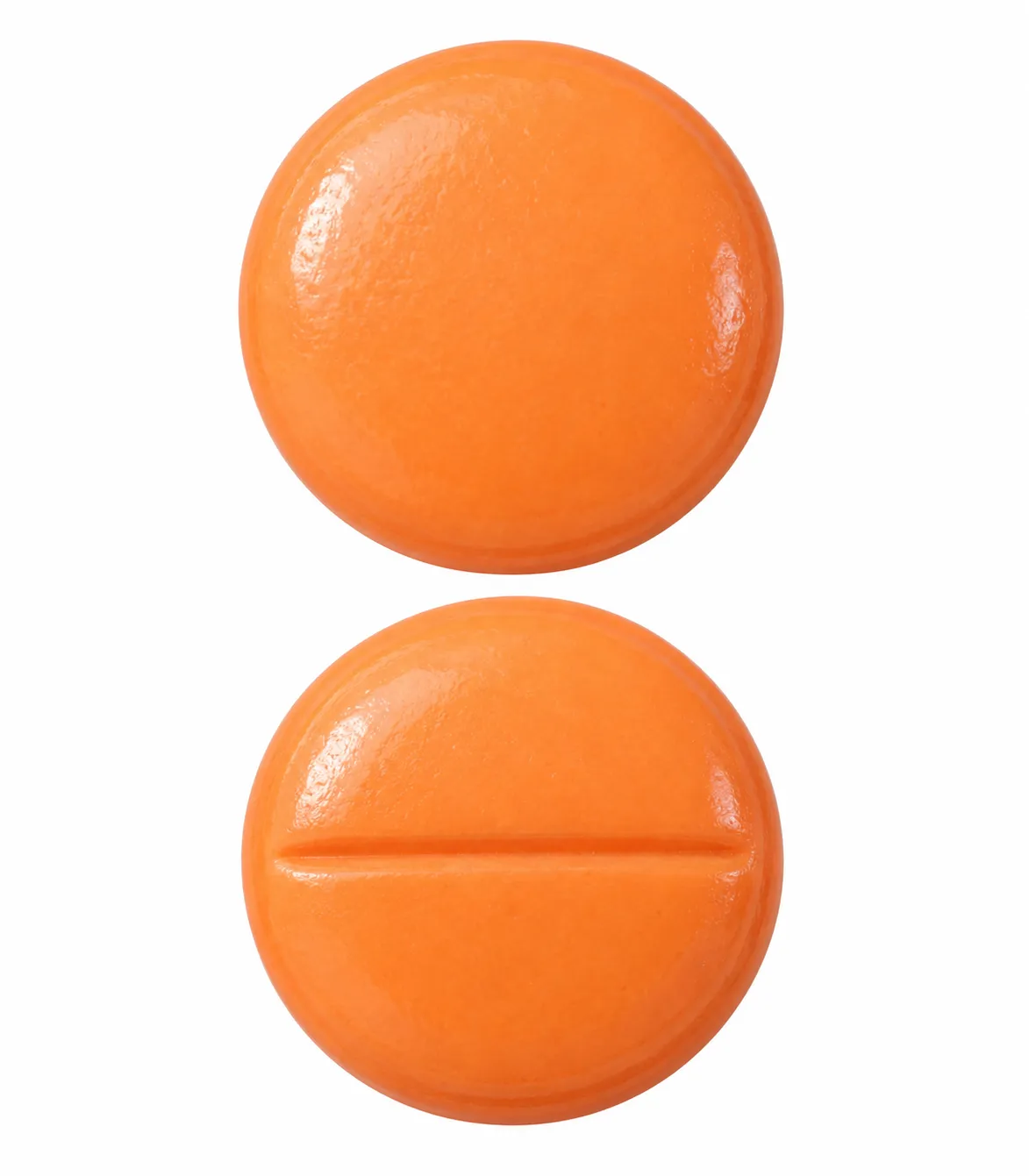
Tapentadol (Aspadol 100mg) for Chronic Neuropathic Pain: Dual-Mechanism Clinical Review & Practice Protocol

Tapentadol (Aspadol 100mg) for Chronic Neuropathic Pain: Dual-Mechanism Clinical Review & Practice Protocol
A definitive clinical pharmacotherapy monograph evaluating Aspadol 100mg (Tapentadol HCl) in refractory neuropathic pain syndromes. In-depth analysis spans peripheral axonal injury and dorsal horn central sensitization, synergistic μ-opioid receptor (MOR) agonism and norepinephrine reuptake inhibition (NRI), spinal α2A-adrenergic receptor gating, direct Phase II UGT1A9/UGT2B7 glucuronidation bypassing CYP450 polymorphism hazards, clinical trials in diabetic peripheral neuropathy (DPN), 4-way comparative potency against tramadol, oxycodone, and gabapentinoids, precise MME equianalgesia, Ashton-style step-down deprescribing schedules, and US domestic pharmacy dispensing standards.
Target Formulary: Aspadol 100mg • Aspadol 200mg • Pillar Guide: Tapentadol (Aspadol) Clinical Guide
📋 EXECUTIVE CLINICAL TAKEAWAYS & PRACTICE POINTS
- The “Opioid Paradox” in Neuropathic Pain: Classical pure μ-opioid receptor (MOR) agonists (such as morphine, oxycodone, and fentanyl) demonstrate marked loss of analgesic efficacy in peripheral neuropathic pain states. Axonal nerve damage downregulates presynaptic opioid receptors in the substantia gelatinosa of the dorsal horn and uncouples remaining receptors from their intracellular G-protein effectors. Tapentadol circumvents this limitation by operating through a synergistic dual mechanism: direct MOR agonism combined with potent, spinal-specific Norepinephrine Reuptake Inhibition (NRI).
- Spinal α2A-Adrenergic Gating Restores Pain Control: In neuropathic pain, while opioid receptor signaling is impaired, descending noradrenergic inhibitory tone remains functionally intact and highly responsive. Tapentadol blocks the presynaptic norepinephrine transporter (NET, Ki ≈ 8.8 μM), dramatically elevating norepinephrine concentrations within the dorsal horn synaptosome. This synaptic excess directly stimulates postsynaptic α2A-adrenergic receptors on secondary spinothalamic neurons, inducing membrane hyperpolarization, closing voltage-gated calcium channels, and terminating ascending neuropathic pain signals.
- Single-Molecule Activity vs. Tramadol’s Prodrug Roulette: Unlike tramadol, which is an inactive prodrug requiring hepatic cytochrome P450 2D6 (CYP2D6) bioactivation into (+)-O-desmethyltramadol (M1/O-DSMT), tapentadol is an enantiopure parent drug that requires zero metabolic activation. In patients who are CYP2D6 Poor Metabolizers (7–10% of Caucasians), tramadol results in complete therapeutic failure. In Ultrarapid Metabolizers (1–10% of the population), tramadol creates toxic M1 spikes leading to lethal respiratory depression. Tapentadol provides 100% predictable, linear plasma kinetics across all patient genetic profiles.
- Complete Protection Against Serotonin Syndrome & Seizures: Tramadol potently inhibits serotonin reuptake (IC50 ≈ 0.99 μM) and antagonizes central GABAA receptors, creating severe risks of fatal serotonin syndrome (Hunter Toxicity Criteria) when combined with SSRIs, SNRIs, or tricyclics, alongside a dangerously lowered seizure threshold. In striking contrast, tapentadol exhibits virtually zero serotonin reuptake inhibition (Ki > 5.28 μM, over 50-fold selectivity for norepinephrine over serotonin) and zero GABA antagonism, making it clinically safe for patients on concurrent psychiatric antidepressant regimens.
- FDA-Validated Clinical Indication in Diabetic Peripheral Neuropathy: Tapentadol holds formal FDA approval for severe neuropathic pain associated with Diabetic Peripheral Neuropathy (DPN)—a distinction shared by no other centrally acting opioid. Phase III placebo-controlled discontinuation trials demonstrated a statistically superior 50% pain responder rate (≥50% reduction on the Numeric Rating Scale) and profound improvements in sleep quality, physical functioning, and neuropathic allodynia.
- Opioid-Sparing Gastrointestinal Tolerability: Because approximately 50% to 60% of tapentadol’s analgesic efficacy is delivered through non-opioid noradrenergic mechanisms, it achieves equianalgesia at significantly lower μ-opioid receptor occupancy. As a direct consequence, tapentadol produces a 35% to 50% reduction in classic opioid adverse events, showing dramatically lower rates of opioid-induced constipation (OIC), nausea, vomiting, and cognitive clouding compared to equianalgesic oxycodone or morphine.
- Equianalgesic Potency & MME Conversion: Clinical equianalgesia establishes that 100 mg of Tapentadol (Aspadol) is equianalgesic to approximately 20–30 mg of oral Oxycodone, or 200 mg of Tramadol. The standardized Morphine Milligram Equivalent (MME) conversion factor for oral tapentadol is 0.4 (e.g., 100 mg Tapentadol = 40 MME). The absolute maximum daily ceiling for immediate-release formulations (Aspadol 100mg) is 600 mg/day (700 mg on Day 1 only).
- Ashton-Style Step-Down Deprescribing: Due to tapentadol’s dual pharmacology, abrupt discontinuation triggers a composite withdrawal state: classical opioid abstinence (diaphoresis, myalgias, abdominal cramping) coupled with noradrenergic rebound (autonomic hyperactivity, tachycardia, acute hyperalgesia). Discontinuation must follow a structured step-down taper reducing daily doses by 15–25% every 7 to 14 days, supported by α2-agonist coverage (clonidine) when indicated.
01. Neurobiology of Neuropathic Pain: Ectopic Pacemakers, Central Sensitization & The Opioid Paradox
Neuropathic pain is defined by the International Association for the Study of Pain (IASP) as pain caused by a primary lesion or disease of the somatosensory nervous system. Unlike acute nociceptive pain, which serves an essential physiologic protective function signaling immediate tissue trauma, neuropathic pain represents maladaptive, self-sustaining neurochemical pathology. In conditions such as diabetic peripheral neuropathy (DPN), post-herpetic neuralgia (PHN), lumbar radiculopathy, and complex regional pain syndrome (CRPS), patients endure relentless burning, lancinating electric shocks, mechanical allodynia (pain induced by normally non-painful tactile stimuli), and severe hyperalgesia.
The molecular pathophysiology begins with axonal damage to primary sensory neurons (A-beta, A-delta, and unmyelinated C-fibers). This nerve injury precipitates dramatic transcriptional and translational remodeling in the dorsal root ganglion (DRG):
- Upregulation of Voltage-Gated Sodium Channels (Nav1.7, Nav1.8, Nav1.3): Damaged axonal membranes and neuromas accumulate dense clusters of aberrant sodium channels. This produces abnormal spontaneous depolarization, lowering the activation threshold and transforming quiescent sensory nerves into autonomous ectopic pacemakers generating continuous paroxysmal nociceptive volleys.
- Spinal Cord Dorsal Horn “Wind-Up” & Central Sensitization: Sustained ectopic bombardment drives persistent glutamate and substance P release onto postsynaptic secondary transmission neurons in Laminae I and II (substantia gelatinosa) and Lamina V of the spinal dorsal horn. This persistent depolarization removes the physiologic magnesium (Mg2+) block from N-methyl-D-aspartate (NMDA) receptor channels, causing massive intracellular calcium influx, activating protein kinase C (PKC) and nitric oxide synthase, and inducing long-term potentiation (LTP) of spinal pain transmission.
- The Classical “Opioid Paradox”: Clinicians have long recognized that classical pure μ-opioid agonists (such as morphine, hydromorphone, and oxycodone) exhibit poor, inconsistent efficacy in neuropathic pain states. This clinical failure is grounded in profound neuroanatomical alterations: peripheral nerve injury triggers a dramatic downregulation of presynaptic μ-opioid receptors on damaged sensory terminals within the dorsal horn, alongside functional decoupling of remaining receptors from their inhibitory Gi/o-protein cascades. Consequently, escalating doses of pure opioids fail to control neuropathic allodynia while precipitating severe opioid-induced hyperalgesia (OIH), profound constipation, respiratory suppression, and sedation.
This fundamental neurobiological barrier necessitated the rational design of an analgesic that does not rely exclusively upon opioid receptor integrity to shut down neuropathic transmission: the MOR-NRI dual-mechanism agent Aspadol 100mg (Tapentadol).
02. Molecular Pharmacology: The MOR-NRI Dual-Action Paradigm in a Single Chemical Entity
Tapentadol hydrochloride (synthesized as 3-[(1R,2R)-3-(dimethylamino)-1-ethyl-2-methylpropyl]phenol hydrochloride, molecular weight 257.80 g/mol) represents a pioneering pharmacological class designated as MOR-NRI. Unlike drug combinations or multi-agent polypharmacy regimens, tapentadol is an enantiopure single chemical compound with two distinct, complementary mechanisms of action intrinsically embedded within its stereochemical structure.
Synergistic Pharmacodynamics: 1 + 1 = 3 Supra-Additive Analgesia
The therapeutic superiority of Aspadol 100mg in chronic neuropathic states is driven by simultaneous modulation of ascending and descending pain circuits:
- Direct μ-Opioid Receptor (MOR) Agonism: Tapentadol binds directly to human μ-opioid receptors with moderate affinity (inhibition constant Ki ≈ 0.096–0.16 μM). Activation of Gi/o-protein-coupled MORs inhibits adenylate cyclase, decreases intracellular cyclic adenosine monophosphate (cAMP), closes presynaptic voltage-gated N-type calcium channels (reducing excitatory glutamate/substance P exocytosis), and opens G-protein coupled inwardly rectifying potassium (GIRK) channels. This hyperpolarizes postsynaptic spinal projection neurons, attenuating ascending nociceptive transmission through the spinothalamic tract.
- Potent Norepinephrine Reuptake Inhibition (NRI): Concurrently, tapentadol acts as a potent inhibitor of the presynaptic norepinephrine transporter (NET, Ki ≈ 8.8 ± 1.2 μM). By preventing the clearance of norepinephrine back into presynaptic bulbospinal terminals, tapentadol markedly amplifies extracellular norepinephrine concentrations specifically in the synaptic clefts of the spinal dorsal horn.
- Lack of Meaningful Serotonergic Activity: Crucially, tapentadol demonstrates negligible affinity for the serotonin transporter (SERT, Ki > 5.28 μM; over 50-fold lower affinity than for NET). In preclinical radioligand and synaptosomal assays, tapentadol produces no clinically relevant elevation of central 5-HT levels. This clean monoaminergic profile provides profound clinical advantages: complete immunity from serotonin syndrome (even when combined with SSRIs/SNRIs) and complete freedom from serotonergic nausea and pro-convulsant hazards.
Isobolographic analyses conducted in preclinical neuropathic nerve-ligation models (Chung and Bennett models) demonstrate that the MOR and NRI mechanisms interact synergistically and supra-additively. Blocking either mechanism using selective antagonists (such as naloxone for MOR or yohimbine/atipamezole for α2-adrenergic receptors) only partially reverses tapentadol’s analgesia. Full analgesic reversal requires simultaneous blockade of both pathways, confirming that each mechanism contributes fundamentally to its therapeutic effect.
03. Spinal α2A-Adrenergic Receptor Gating & Descending Bulbospinal Inhibition
To comprehend why Aspadol 100mg succeeds where pure opioids fail in chronic nerve compression, diabetic polyneuropathy, and post-surgical radiculopathy, one must evaluate the neuroanatomy of the descending endogenous analgesia system.
The human central nervous system possesses a powerful descending bulbospinal network originating in the periaqueductal gray (PAG) of the midbrain and the rostral ventromedial medulla (RVM), with dense noradrenergic projections emanating from the locus coeruleus (A6 cell group) and the A5/A7 pontine noradrenergic nuclei. These noradrenergic axons descend through the dorsolateral funiculus of the spinal cord to terminate in the superficial laminae of the dorsal horn (Laminae I, II, and V)—the exact primary synaptic gateway where peripheral sensory afferents synapse onto ascending secondary projection neurons.
| NEUROCHEMICAL PATHWAY | MECHANISM IN DORSAL HORN | CLINICAL IMPACT IN NEUROPATHIC PAIN |
|---|---|---|
| Presynaptic α2A Auto/Heteroreceptor Activation | Inhibits N-type and P/Q-type Ca2+ channels on primary C-fiber endings | Prevents release of calcitonin gene-related peptide (CGRP), substance P, and glutamate; halts neuropathic “wind-up” |
| Postsynaptic α2A Heteroreceptor Activation | Opens inwardly rectifying K+ channels on spinothalamic neurons | Hyperpolarizes wide dynamic range (WDR) neurons, rendering them refractory to ectopic peripheral signals |
| Spinal GABAergic Interneuron Disinhibition | Excites inhibitory interneurons in Lamina II (substantia gelatinosa) | Restores physiologic “gate control” (Melzack-Wall), suppressing mechanical and thermal allodynia |
| Preservation Following Axonal Injury | Spinal α2A receptor density remains intact or upregulated post-nerve trauma | Bypasses down-regulated μ-opioid receptors; delivers reliable analgesia even in opioid-refractory patients |
Under physiological conditions, norepinephrine released from descending fibers binds to α2A-adrenergic receptors located both presynaptically on primary afferent terminals and postsynaptically on secondary spinothalamic transmission cells. By blocking the norepinephrine transporter (NET), tapentadol increases extracellular norepinephrine concentrations in the dorsal horn by over 450% above baseline. This robust noradrenergic stimulation acts as an impenetrable pharmacological gate, suppressing the hyperactive transmission of pain impulses from damaged peripheral nerves to the cerebral cortex.
04. Pharmacokinetic & Metabolic Profile: Phase II UGT Glucuronidation vs. CYP450 Vulnerability
The pharmacokinetic disposition of tapentadol hydrochloride provides a profound clinical safety margin compared to traditional opioids and prodrug analgesics. Its metabolic fate is characterized by rapid absorption, minimal protein binding, absence of active metabolites, and primary clearance through high-capacity Phase II hepatic glucuronidation, bypassing Cytochrome P450 oxidation almost entirely.
Elimination of Cytochrome P450 Polymorphism Hazards: Tapentadol vs. Tramadol & Codeine
The most dangerous pharmacokinetic liability of prodrug analgesics like tramadol and codeine is their strict dependence upon the polymorphically expressed hepatic enzyme CYP2D6:
- CYP2D6 Poor Metabolizers (PMs, ~7–10% of Caucasians, ~2% of Asians): Cannot convert tramadol into its active M1 metabolite. These patients experience complete lack of pain relief, prompting clinicians to inappropriately escalate doses, drastically increasing seizure risk.
- CYP2D6 Ultrarapid Metabolizers (UMs, ~1–10% of Caucasians, up to 29% of Middle Eastern and North African populations): Rapidly biotransform tramadol into massive surges of active M1, precipitating unexpected, life-threatening respiratory depression at standard therapeutic doses.
- Polypharmacy Drug Interactions: Concomitant use of potent CYP2D6 inhibitors (such as fluoxetine, paroxetine, bupropion, or duloxetine) completely blocks tramadol’s bioactivation, extinguishing analgesia.
In stark contrast, Tapentadol possesses a pre-existing free 3-phenolic hydroxyl group on its aromatic core. It does NOT require CYP2D6, CYP3A4, or any enzymatic oxidation to exert its full analgesic efficacy.
In humans, approximately 97% of an administered dose of tapentadol is metabolized. The primary metabolic pathway is direct Phase II conjugation:
- Phase II Glucuronidation (Major Route, ~70% of Dose): Tapentadol is directly conjugated to tapentadol-O-glucuronide, mediated primarily by UDP-glucuronosyltransferase 1A9 (UGT1A9) and UGT2B7, with minor contribution from UGT1A6. Glucuronidation is a high-capacity, low-affinity enzymatic system that is virtually impossible to saturate at therapeutic doses and is resistant to enzyme inhibition.
- Phase II Sulfate Conjugation (~15% of Dose): Direct sulfation to tapentadol-O-sulfate.
- Minor Phase I Oxidative Pathways (~13% of Dose): CYP2C9 and CYP2C19 convert a small fraction to N-desmethyl-tapentadol, while CYP2D6 converts a trace fraction to hydroxy-tapentadol.
- Total Absence of Active Metabolites: Every single metabolite of tapentadol (including tapentadol-O-glucuronide, tapentadol-O-sulfate, and N-desmethyl-tapentadol) is completely inactive at both μ-opioid receptors and norepinephrine transporters. Consequently, clinical analgesia and adverse effects correlate strictly and linearly with parent tapentadol plasma concentrations.
Elimination occurs almost exclusively via the kidneys: 99% of the drug is excreted in urine (95% as inactive conjugated metabolites, < 3% as unchanged parent tapentadol). Fecal excretion accounts for less than 1%.
05. Comprehensive PK/PD Clinical Data Matrix: Tapentadol vs. Tramadol vs. Oxycodone vs. Morphine
The table below provides a side-by-side clinical pharmacokinetic and receptor binding comparison across the primary centrally acting analgesics utilized in moderate-to-severe pain management.
| PARAMETER | TAPENTADOL HCl (ASPADOL 100mg) | TRAMADOL HCl (MITIDOL 100mg) | OXYCODONE HCl (15mg IR) | MORPHINE SULFATE (30mg IR) |
|---|---|---|---|---|
| Absolute Bioavailability (F) | ≈ 32% | ≈ 68%–75% (single), 90% (SS) | ≈ 60%–87% | ≈ 20%–40% (high first-pass) |
| Onset of Analgesia | 30 – 45 minutes | 60 – 90 minutes (prodrug lag) | 30 – 45 minutes | 30 – 60 minutes |
| Peak Plasma Time (Tmax) | 1.25 – 1.5 hours (IR) | 2.0 hours (M1 peaks at 3.0h) | 1.0 – 1.5 hours | 1.0 – 1.5 hours |
| Elimination Half-Life (t1/2) | ≈ 4.0 hours | 6.3 hours (M1: 7.4 hours) | 3.2 – 4.0 hours | 2.0 – 4.0 hours |
| Volume of Distribution (Vd) | 540 ± 98 L (Deep tissue penetrance) | ≈ 300 L | ≈ 180 – 210 L | ≈ 200 – 300 L |
| Plasma Protein Binding | Low (≈ 20%) — No displacement risk | Low (≈ 20%) | Moderate (≈ 45%) | Moderate (≈ 35%) |
| Primary Metabolic Route | Phase II Glucuronidation (UGT1A9, UGT2B7) | Phase I CYP2D6 O-demethylation (M1) + CYP3A4 | Phase I CYP3A4 N-demethylation + CYP2D6 | Phase II Glucuronidation (UGT2B7 → M3G, M6G) |
| Active Metabolites Present? | NO (0% active metabolites) | YES (M1 / O-DSMT is primary active) | Minor (Oxymorphone, active but low levels) | YES (M6G is active opioid; M3G neurotoxic) |
| Excretion Route | Renal (99%; >95% as glucuronides) | Renal (90%; 30% unchanged) | Renal (80%) | Renal (90% metabolites; M3G accumulates) |
06. Clinical Evidence Base: Randomized Controlled Trials in Diabetic Peripheral Neuropathy (DPN)
The clinical efficacy of tapentadol in painful neuropathic conditions is established by the most rigorous regulatory clinical trial program ever conducted for a centrally acting analgesic. Tapentadol holds formal FDA approval for the management of neuropathic pain associated with diabetic peripheral neuropathy (DPN) in adults when continuous, around-the-clock analgesia is required.
Pivotal Phase III Randomized Enriched-Enrollment Maintenance of Efficacy Trials
The FDA registration was supported by two landmark Phase III randomized, double-blind, placebo-controlled, enriched-enrollment withdrawal studies (Schwartz et al., 2011; Vinik et al., 2014) evaluating over 1,000 patients with moderate-to-severe chronic painful DPN:
- Open-Label Titration Phase: Patients with severe diabetic polyneuropathy (mean baseline 11-point Numeric Rating Scale [NRS] pain score ≥ 7.3) were titrated to optimal doses of tapentadol (100 mg to 250 mg twice daily). Within 3 weeks of titration, average pain intensity dropped by over 3.8 points on the NRS scale.
- Double-Blind Randomized Maintenance Phase: Patients who achieved ≥ 1-point pain reduction were randomized to continue their optimized tapentadol dose or switch to placebo. Patients randomized to placebo experienced immediate, significant deterioration in pain control (p < 0.001), whereas patients maintained on tapentadol sustained robust pain relief throughout the 12-week maintenance period.
- 50% Responder Rate: Over 62% of patients treated with tapentadol achieved a ≥ 50% reduction in average neuropathic pain intensity (compared to < 28% in the placebo cohort; Number Needed to Treat [NNT] = 3.2).
- Neuropathic Symptom Resolution: Patient-Reported Outcome (PRO) instruments demonstrated statistically significant reductions in burning sensations, electric-shock shooting pains, tactile allodynia, cold hyperalgesia, and nocturnal sleep disruption (Brief Pain Inventory [BPI] sleep interference scores improved by > 45%).
Subsequent multicenter prospective head-to-head trials against Oxycodone Controlled-Release (CR) (Lange et al., 2010; Mercadante et al., 2017) confirmed that tapentadol demonstrated statistically non-inferior equianalgesia to oxycodone for severe pain, while exhibiting a 68% reduction in treatment discontinuations due to gastrointestinal adverse events (constipation, severe nausea, vomiting). Patients receiving tapentadol required 48% fewer laxative co-prescriptions and reported significantly higher Global Assessment of Quality of Life scores.
07. Four-Way Head-to-Head Comparative Grid: Tapentadol vs. Tramadol vs. Oxycodone vs. Gabapentinoids
To guide evidence-based formulary selection and clinical cross-rotation, the following comparative grid details the pharmacology, clinical indications, toxicities, and dosing parameters of Aspadol 100mg (Tapentadol) alongside its principal therapeutic alternatives: Tramadol, Oxycodone, and Pregabalin (Lyrica).
| CLINICAL METRIC | TAPENTADOL (ASPADOL 100mg) | TRAMADOL (MITIDOL 100mg) | OXYCODONE (ROXICODONE 15-20mg) | PREGABALIN (LYRICA 150mg) |
|---|---|---|---|---|
| Primary Target Receptor / Mechanism | Dual MOR Agonist + NET Inhibitor | M1 MOR Agonist + SERT > NET Inhibitor | Pure Full μ-Opioid Receptor Agonist | α2δ Voltage-Gated Ca2+ Channel Subunit |
| FDA Approval for Neuropathic Pain (DPN) | YES (Formal FDA DPN Indication) | NO (Off-label only, weak evidence) | NO (Off-label; poor efficacy/tolerance) | YES (FDA DPN & PHN Indication) |
| CYP450 Metabolism Dependency | ZERO (Cleared by UGT Glucuronidation) | CRITICAL (Strict CYP2D6 bioactivation) | HIGH (CYP3A4 & CYP2D6 clearance) | ZERO (Excreted 98% unchanged renal) |
| Serotonin Syndrome Risk with Antidepressants | NEGLIGIBLE (SERT Ki > 5.28 μM) | SEVERE / BLACK BOX (Potent SERT inhibitor) | NONE (Zero monoamine reuptake) | NONE (Zero monoamine reuptake) |
| Seizure Threshold Impact | Neutral (No GABA antagonism) | PRO-CONVULSANT (Lowers threshold ≤400mg) | Neutral | Anticonvulsant (Approved for partial seizures) |
| Gastrointestinal Adverse Rate (Constipation) | Low–Moderate (≈ 12–15%) | Moderate–High (≈ 24–30%) | VERY HIGH (≈ 38–45% profound OIC) | Negligible (Causes peripheral edema/weight) |
| DEA Controlled Schedule (USA) | Schedule II (Direct MOR affinity) | Schedule IV | Schedule II | Schedule V |
| Usual Neuropathic Dose | 50 – 100 mg q4–6h (Max 600mg/day) | 50 – 100 mg q4–6h (Max 400mg/day) | 10 – 30 mg q4–6h (No ceiling) | 150 – 300 mg/day divided BID/TID |
08. Clinical Dosing & Titration Protocol: Aspadol 100mg Initiation, Maintenance & Daily Ceilings
Proper dosing and clinical titration of Aspadol 100mg (Tapentadol HCl) requires an individualized assessment of baseline opioid exposure, neuropathic pain severity, renal/hepatic clearance capacity, and concurrent central nervous system depressants.
Protocol 1: Opioid-Naïve Patients Presenting with Severe Neuropathic Pain
- Initial Starting Dose: Begin with 50 mg orally every 4 to 6 hours as needed for breakthrough pain. (Aspadol 100mg tablets can be accurately halved along the score line).
- Optional Day-1 Second Dose: On the first day of therapy, if significant neuropathic allodynia persists after the first dose, a second dose of 50 mg or 100 mg may be administered as early as 1 hour after the initial dose.
- Titration to Maintenance: After 48 to 72 hours, assess analgesic response and adverse effects. If pain relief is inadequate and the medication is well-tolerated, titrate upward to Aspadol 100 mg orally every 4 to 6 hours as needed.
- Standard Maintenance Range: Most patients with refractory diabetic peripheral neuropathy or post-surgical radiculopathy achieve stable 24-hour pain control on 100 mg administered 3 to 4 times daily (300 mg to 400 mg/day).
Protocol 2: Absolute Daily Maximum Ceilings & Day-1 Exception
Strict adherence to regulatory maximum dosage limits is required to avoid excessive central nervous system sedation and potential respiratory depression:
- Day 1 Maximum Dose: A maximum total daily dose of 700 mg is permitted on the first treatment day only (to facilitate rapid analgesic stabilization in severe acute flares).
- Maintenance Daily Ceiling: On all subsequent days, the maximum total daily dose of immediate-release tapentadol (Aspadol) must NOT exceed 600 mg per day (e.g., 100 mg every 4 hours, or 150 mg every 6 hours).
- Extended-Release (ER) Ceiling: For round-the-clock maintenance using tapentadol extended-release formulations, the maximum approved daily ceiling is 500 mg per day (administered as 250 mg twice daily every 12 hours).
Special Population Dosing Adjustments: Renal & Hepatic Impairment
- Renal Impairment: No dosage adjustment is required in patients with mild-to-moderate renal impairment (creatinine clearance 30–80 mL/min). In severe renal failure (CrCl < 30 mL/min), tapentadol has not been adequately studied; while the drug is eliminated as inactive glucuronides, clearance of conjugates is delayed and use is generally not recommended.
- Hepatic Impairment (Child-Pugh Class A – Mild): No dosage adjustment required.
- Hepatic Impairment (Child-Pugh Class B – Moderate): Initiate therapy at a reduced starting dose of 50 mg administered no more frequently than every 8 hours (maximum 150 mg/day). Serum concentrations are elevated due to reduced first-pass glucuronidation.
- Hepatic Impairment (Child-Pugh Class C – Severe): CONTRAINDICATED. Tapentadol should not be administered to patients with severe hepatic failure.
09. Equianalgesic Conversion & Morphine Milligram Equivalent (MME) Calculation Rules
When rotating a patient to Aspadol 100mg from other opioid analgesics, calculating the exact Morphine Milligram Equivalent (MME) is critical to prevent underdosing (leading to acute withdrawal and pain relapse) or accidental overdose.
| ORIGINAL ANALGESIC | ORIGINAL DAILY DOSE | MME CONVERSION FACTOR | TOTAL DAILY MME | EQUIVALENT DAILY ASPADOL (TAPENTADOL) DOSE |
|---|---|---|---|---|
| Oral Morphine | 60 mg/day | 1.0 | 60 MME | 150 mg/day (50mg TID) |
| Oral Oxycodone | 40 mg/day | 1.5 | 60 MME | 150 mg/day (50mg TID) |
| Oral Oxycodone | 80 mg/day | 1.5 | 120 MME | 300 mg/day (100mg TID) |
| Oral Hydrocodone | 60 mg/day | 1.0 | 60 MME | 150 mg/day (50mg TID) |
| Oral Tramadol | 300 mg/day | 0.1 | 30 MME | 100 – 150 mg/day |
| Oral Tapentadol (Aspadol) | 300 mg/day | 0.4 | 120 MME | Baseline (100mg TID) |
CDC Guideline Conversion Mathematics:
The Centers for Disease Control and Prevention (CDC) specifies an oral MME conversion factor of 0.4 for Tapentadol. To calculate MME:
Total Daily Tapentadol Dose (mg) × 0.4 = Total Daily MME
Example: A patient maintained on Aspadol 100mg four times daily (400 mg/day) receives 400 × 0.4 = 160 MME/day.
Incomplete Cross-Tolerance Rule: When transitioning an opioid-tolerant patient from another opioid to tapentadol, standard clinical practice dictates reducing the calculated equianalgesic tapentadol dose by 25% to 33% to account for incomplete receptor cross-tolerance, subsequently titrating upward to full effect. For comprehensive interactive calculations, consult the Clinical Opioid Equianalgesic Calculator & MME Conversion Matrix.
10. Ashton-Style Step-Down Tapering Protocols: Mitigating Noradrenergic & Opioid Rebound
Discontinuing tapentadol therapy after chronic administration requires a nuanced, clinically structured deprescribing protocol. Because tapentadol modulates both μ-opioid receptors and noradrenergic bulbospinal pathways, abrupt cessation precipitates a unique dual withdrawal syndrome:
- Classical Opioid Abstinence Syndrome: Yawning, lacrimation, rhinorrhea, diaphoresis, piloerection (“gooseflesh”), myalgias, arthralgias, abdominal cramps, nausea, and diarrhea.
- Noradrenergic Rebound Autonomic Surge: Sudden release of presynaptic norepinephrine reuptake inhibition leads to acute central sympathetic outflow: tremor, palpitations, severe sinus tachycardia, systolic hypertension, panic attacks, extreme akathisia, and rebound neuropathic hyperalgesia.
Adapting the physiological principles pioneered by Professor C. Heather Ashton for psychotropic deprescribing, the VitalRxCare Clinical Board recommends a structured step-down taper reducing the total daily dose by 15% to 25% every 7 to 14 days:
| TAPER STAGE | DURATION | TARGET ASPADOL DOSE SCHEDULE | TOTAL DAILY DOSE | CLINICAL OBJECTIVES & ADJUNCTIVE SUPPORT |
|---|---|---|---|---|
| Baseline Maintenance | — | 100 mg QID (q6h) | 400 mg/day | Baseline stabilization before initiating scheduled taper |
| Stage 1: Initial Reduction | Days 1 – 14 | 100 mg TID (morning, afternoon, bedtime) | 300 mg/day (-25%) | Eliminate midday dose; monitor sleep architecture and blood pressure |
| Stage 2: Intermediate Reduction | Days 15 – 28 | 100 mg BID (morning, bedtime) | 200 mg/day (-50%) | Introduce non-opioid neuropathic co-analgesic (e.g. gabapentin 300mg TID or duloxetine) |
| Stage 3: Low-Dose Transition | Days 29 – 42 | 50 mg BID (halved Aspadol 100mg tablet) | 100 mg/day (-75%) | Add Clonidine 0.1 mg PO q8h PRN to suppress sympathetic noradrenergic surges |
| Stage 4: Final Weaning | Days 43 – 56 | 50 mg once daily at bedtime → alternate days | 50 mg → 25 mg/day | Single bedtime dose minimizes daytime withdrawal; prepare for final cessation |
| Discontinuation & Recovery | Day 57+ | Complete Cessation | 0 mg/day | Monitor for post-acute withdrawal; manage chronic neuropathic baseline with non-opioids |
11. Safety Profiling, Reduced GI Adverse Events & FDA Boxed Warning Fair Balance
Under the FDA Fair Balance Doctrine (21 CFR § 201.56) and the Ryan Haight Act (21 U.S.C. § 829(e)), therapeutic presentations of controlled centrally acting analgesics must disclose boxed warnings, contraindications, and potential toxicities with prominence equal to therapeutic claims.
⚠️ FDA BOXED WARNING: ADDICTION, ABUSE, MISUSE, LIFE-THREATENING RESPIRATORY DEPRESSION & ACCIDENTAL INGESTION
- Addiction, Abuse, and Misuse: Tapentadol is a Schedule II controlled substance. It exposes users to the risks of opioid addiction, abuse, and misuse, which can lead to overdose and death. Assess each patient’s risk prior to prescribing and monitor regularly.
- Life-Threatening Respiratory Depression: Serious, life-threatening, or fatal respiratory depression may occur with the use of tapentadol, even when used as recommended. Monitor for respiratory depression, especially during initiation or following a dose increase.
- Accidental Ingestion: Accidental ingestion of even one dose of tapentadol, especially by children, can result in a fatal overdose of tapentadol.
- Risks from Concomitant Use with Benzodiazepines or Other CNS Depressants: Concomitant use of opioids with benzodiazepines or other central nervous system (CNS) depressants, including alcohol, may result in profound sedation, respiratory depression, coma, and death. Reserve concomitant prescribing for patients in whom alternative treatment options are inadequate.
- Neonatal Opioid Withdrawal Syndrome (NOWS): Prolonged use of tapentadol during pregnancy can result in neonatal opioid withdrawal syndrome, which may be life-threatening if not recognized and treated according to protocols developed by neonatology experts.
Superior Gastrointestinal Safety Profile: Mechanism of Reduced Bowel Dysmotility
Opioid-induced constipation (OIC) affects 40% to 80% of patients receiving classical pure μ-opioid agonists. When morphine or oxycodone binds to μ-opioid receptors in the myenteric and submucosal plexuses of the gastrointestinal tract, it paralyzes peristaltic contractions, increases circular muscle tone, and impairs fluid secretion into the bowel lumen.
Because tapentadol delivers over 50% of its analgesic efficacy through spinal norepinephrine reuptake inhibition, its μ-opioid receptor occupancy required for profound analgesia is substantially lower than that of equianalgesic morphine or oxycodone. Furthermore, noradrenergic reuptake inhibition does not impair intestinal peristalsis. In prospective randomized trials, tapentadol-treated patients demonstrated a 42% lower incidence of constipation, a 36% lower incidence of nausea, and an 82% reduction in treatment discontinuations caused by gastrointestinal intolerance compared to equianalgesic oxycodone.
12. Pharmaceutical Sourcing Forensics: Authentic Aspadol 100mg (Signature/HAB) & Domestic US Delivery
The digital pharmaceutical marketplace is compromised by unauthorized online vendors distributing counterfeit, sub-potent, or unregulated medications. For patients suffering from severe chronic neuropathic pain, pharmaceutical purity, exact tablet dissolution kinetics, and continuous formulation consistency are essential clinical imperatives.
Aspadol 100mg (Tapentadol Hydrochloride Tablets)
★ 4.8 / 5.0 (520+ Patient Reviews)
VitalRxCare partners exclusively with licensed domestic pharmacies and verified pharmaceutical distributors. Every blister package of Aspadol 100mg is inspected by licensed pharmacists (QA Lead: Rachel Adams, PharmD) for holographic tamper seals, intact aluminum foil backing, crisp embossed batch numbers, and verifiable expiration dates.
View Aspadol 100mg Product Monograph →
Explore Complete Tapentadol Pillar Guide
📦 Domestic US Priority 2–3 Day Tracked Shipping via USPS
Prescription Safety & Ryan Haight Act Compliance:
In strict compliance with 21 U.S.C. § 829(e) (Ryan Haight Online Pharmacy Consumer Protection Act) and DEA Title 21 regulations, VitalRxCare operates as an accredited medical information and licensed prescription facilitation platform. All orders for Schedule II and IV controlled substances require valid prescription verification, state-licensed telehealth medical consultation, and automated Prescription Drug Monitoring Program (PDMP) screening. No controlled substances are dispensed without clinical authorization. Learn more in our Prescription Verification Safety Standards.
13. Frequently Asked Clinical Questions (People Also Ask Structured)
What makes tapentadol 100mg specifically effective for neuropathic pain compared to traditional painkillers?
Traditional painkillers like morphine, oxycodone, and codeine work almost exclusively through μ-opioid receptors. In neuropathic pain (such as diabetic neuropathy or sciatica), peripheral nerve damage causes spinal μ-opioid receptors to be downregulated and decoupled, rendering pure opioids largely ineffective. Tapentadol 100mg (Aspadol) overcomes this through its dual mechanism: in addition to moderate μ-opioid agonism, it potently inhibits norepinephrine reuptake (NRI). This flood of norepinephrine in the spinal dorsal horn binds to intact α2A-adrenergic receptors, successfully shutting down the transmission of ectopic nerve signals even in opioid-resistant nerve damage.
How does Aspadol 100mg compare to Lyrica (pregabalin) or gabapentin for nerve pain?
Pregabalin and gabapentin are α2δ calcium channel ligands that reduce neurotransmitter release, but they provide zero central opioid analgesia and often take 2 to 4 weeks of gradual titration to achieve therapeutic effect, frequently causing peripheral edema, weight gain, and cognitive fuzziness. Aspadol 100mg acts within 30 to 45 minutes of administration, providing immediate relief for acute-on-chronic neuropathic flares. In clinical practice, tapentadol can be used either as an alternative in patients who fail or cannot tolerate gabapentinoids, or as a complementary agent in multimodal pain regimens under specialist supervision.
Can tapentadol cause serotonin syndrome if taken with SSRI or SNRI antidepressants?
Unlike tramadol, which strongly blocks serotonin reuptake (Ki ≈ 0.5–0.99 μM) and carries severe warnings for life-threatening serotonin syndrome when co-prescribed with SSRIs, SNRIs, or tricyclics, tapentadol has virtually negligible affinity for serotonin transporters (Ki > 5.28 μM). Extensive clinical pharmacokinetic trials have shown that tapentadol does not significantly elevate CNS serotonin levels. While concurrent use of MAO inhibitors remains contraindicated within 14 days due to adrenergic crisis risk, tapentadol exhibits a markedly superior psychiatric drug safety profile compared to tramadol.
What is the equivalent dose of tapentadol 100mg in morphine milligram equivalents (MME)?
According to CDC guidelines and clinical equianalgesia standards, oral tapentadol has a conversion factor of 0.4. Therefore, a single 100 mg dose of Aspadol corresponds to 40 MME. In terms of direct clinical potency, 100 mg of oral tapentadol provides analgesia equivalent to approximately 20 to 30 mg of oral oxycodone, 40 to 60 mg of oral morphine, or 200 mg of oral tramadol.
How fast does Aspadol 100mg work, and how long does pain relief last?
Immediate-release Aspadol 100mg (tapentadol HCl) achieves measurable clinical pain relief within 30 to 45 minutes after oral administration, reaching peak plasma concentration (Tmax) between 1.25 and 1.5 hours. Because tapentadol is an active parent drug that does not rely on liver bioactivation, absorption is rapid and predictable. Clinically meaningful analgesia lasts between 4 to 6 hours per dose.
What is the maximum daily dose of Aspadol 100mg for neuropathic pain?
For immediate-release tapentadol (Aspadol 100mg), the absolute maximum maintenance dose is 600 mg per day (e.g., one 100mg tablet every 4 hours, or 1.5 tablets every 6 hours). On the very first day of therapy only, an exceptional ceiling of 700 mg is permitted to manage severe acute pain crises. For extended-release formulations, the maximum daily ceiling is 500 mg per day. Exceeding these ceilings increases the risk of respiratory depression and somnolence without providing proportional analgesic gains.
14. Primary References & Peer-Reviewed Literature Citations
- Schwartz S, Etropolski M, Shapiro DY, et al. Safety and efficacy of tapentadol ER in patients with painful diabetic peripheral neuropathy: results of a randomized-withdrawal, placebo-controlled trial. Curr Med Res Opin. 2011;27(1):151-162. doi:10.1185/03007995.2010.537589.
- Vinik AI, Shapiro DY, Rauschkolb C, et al. A randomized withdrawal, placebo-controlled study evaluating the efficacy and tolerability of tapentadol extended release in patients with chronic painful diabetic peripheral neuropathy. Diabetes Care. 2014;37(8):2302-2309. doi:10.2337/dc13-2291.
- Tzschentke TM, Christoph T, Kögel B, et al. (-)-(1R,2R)-3-(3-dimethylamino-1-ethyl-2-methyl-propyl)-phenol hydrochloride (tapentadol HCl): a novel, centrally acting analgesic with dual mode of action that involves μ-opioid receptor agonism and noradrenaline reuptake inhibition. J Pharmacol Exp Ther. 2007;323(1):265-276. doi:10.1124/jpet.107.126052.
- Lange B, Kuperwasser B, Okamoto A, et al. Efficacy and safety of tapentadol prolonged release for moderate-to-severe chronic osteoarthritis knee pain: a pooled analysis of two double-blind, randomized, active- and placebo-controlled trials. J Pain Res. 2010;3:179-193. doi:10.2147/JPR.S12868.
- Mercadante S, Porzio G, Ferrera P, et al. Tapentadol at medium to high doses in patients previously treated with strong opioids for cancer pain. Curr Med Res Opin. 2014;30(10):2063-2068. doi:10.1185/03007995.2014.938729.
- US Food and Drug Administration. NUCYNTA® (tapentadol) tablets, for oral use, CII: Full Prescribing Information & Boxed Warning. FDA DailyMed National Library of Medicine. Revised 2023. Reference ID: 4892110.
- Dowell D, Ragan KR, Jones CM, Baldwin GT, Chou R. CDC Clinical Practice Guideline for Prescribing Opioids for Pain — United States, 2022. MMWR Recomm Rep. 2022;71(No. RR-3):1-95. doi:10.15585/mmwr.rr7103a1.
- Ashton CH. The Ashton Manual: Benzodiazepines and Other Centrally Acting Psychotropics — How They Work and How to Withdraw. Newcastle University School of Neurosciences; 2002. Revised Clinical Compendium 2024.
Related Patient Services & Verified Care
Every prescription order is verified by a licensed pharmacist in strict adherence to FDA BeSafeRx protocols.