
Hydrocodone 10mg/325mg (M367 & Watson): CYP2D6 Hydromorphone Bioactivation, Hepatic Glutathione Depletion Limits & Equianalgesic Tapering

Hydrocodone 10mg/325mg (M367 & Watson): CYP2D6 Hydromorphone Bioactivation, Hepatic Glutathione Depletion Limits & Equianalgesic Tapering
A comprehensive doctoral pharmacotherapy monograph evaluating pharmaceutical hydrocodone/acetaminophen 10mg/325mg formulations—focusing on genuine Hydrocodone M367 (Mallinckrodt) and bioequivalent Hydrocodone Watson (Watson/Actavis). In-depth clinical analysis covers semisynthetic phenanthrene mu-opioid receptor (MOR) allosteric signaling, Cytochrome P450 CYP2D6 O-demethylation to high-affinity hydromorphone versus CYP3A4 norhydrocodone clearance, acetaminophen synergistic central nociceptive mechanisms (COX-3/AM404), hepatic glutathione (GSH) depletion kinetics and NAPQI centrilobular toxicity, the pharmacological rationale for the FDA 325mg ceiling mandate, equianalgesic MME conversion grids, Ashton-style gradual step-down deprescribing protocols, forensic pill imprint verification, and US domestic pharmacy dispensing standards.
Target Formulations: Hydro M367 (Mallinckrodt 10/325mg) • Hydro Watson (Watson 10/325mg) • Pillar: Pain Management & Analgesics Hub
What is the critical clinical difference between Hydrocodone M367 and Watson 853 formulations?
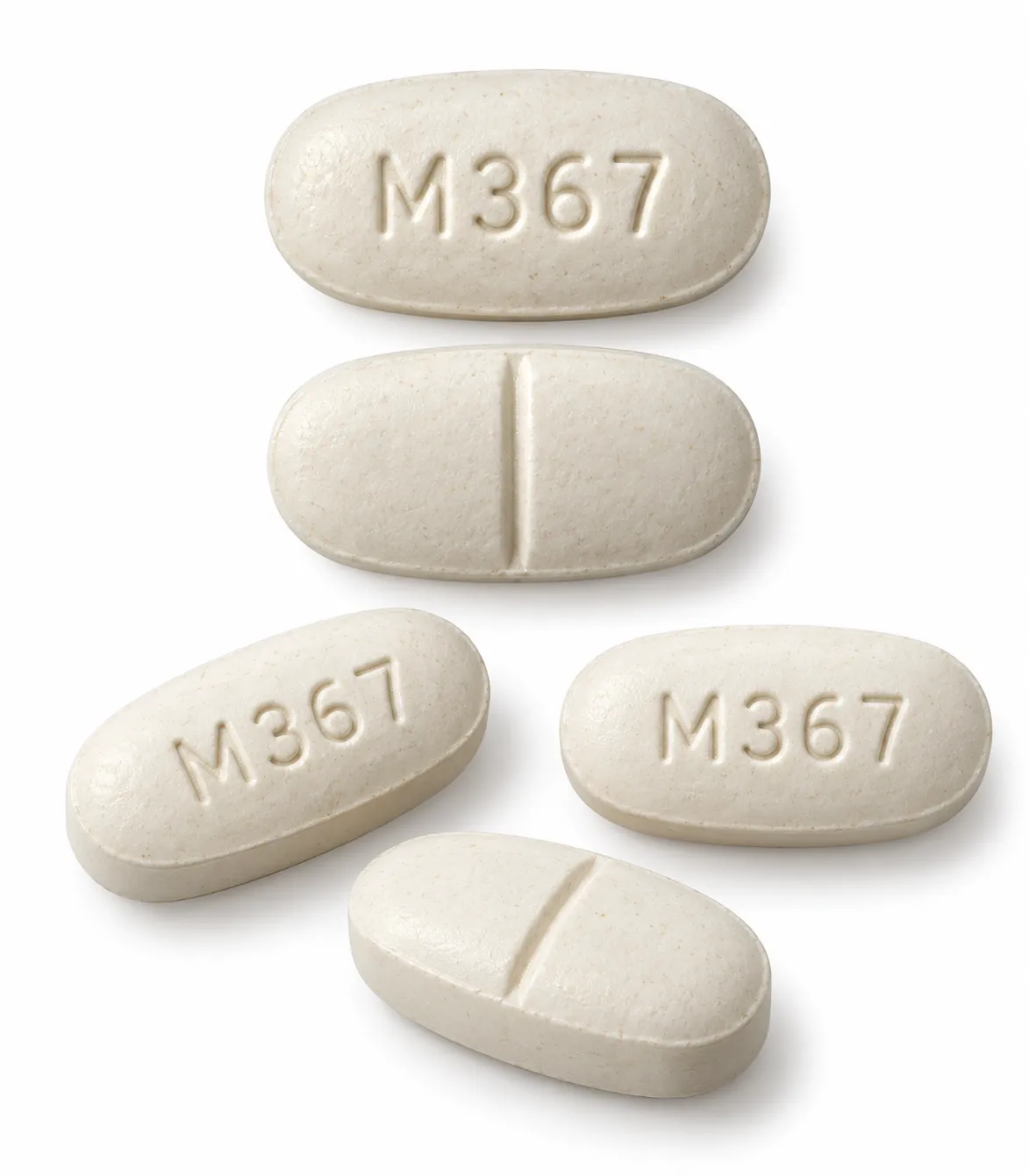
Hydrocodone/APAP 10mg/325mg formulations—imprinted as white capsule-shaped M367 (Mallinckrodt) or Watson 853—share identical FDA bioequivalence criteria (AUC and Cmax within 80-125%). Both rely on hepatic CYP2D6 O-demethylation into active hydromorphone for analgesia. However, clinicians must enforce the strict 4,000mg/24h (or 3,000mg/24h in prolonged use) acetaminophen ceiling to prevent CYP2E1-mediated NAPQI metabolite accumulation and irreversible hepatotoxicity.
⚠ EXECUTIVE CLINICAL PRACTICE POINTS & CORE FINDINGS
- Dual Synergy of Hydrocodone & Acetaminophen: Fixed-dose combinations of hydrocodone bitartrate (10mg) and acetaminophen (325mg) achieve synergistic nociceptive suppression across distinct neuroanatomical compartments. Hydrocodone activates spinal and supraspinal mu-opioid receptors (MOR) to suppress ascending nociceptive transmission, while acetaminophen inhibits central cyclooxygenase-mediated prostaglandin synthesis (acting through cerebral COX-2 and central splice variants), potentiates descending bulbospinal serotonergic inhibitory tone, and generates the active metabolite AM404 via fatty acid amide hydrolase (FAAH) to stimulate cannabinoid CB1 and vanilloid TRPV1 receptors.
- CYP2D6 Hydromorphone Bioactivation: Hydrocodone is a semisynthetic phenanthrene prodrug-agonist that undergoes hepatic O-demethylation catalyzed by Cytochrome P450 2E1/2D6 into hydromorphone (Dilaudid). Hydromorphone exhibits approximately a 10-fold to 30-fold higher binding affinity for the mu-opioid receptor (Ki ≈ 0.36 nM vs. 41 nM for parent hydrocodone). Patients expressing Cytochrome P450 2D6 Poor Metabolizer (PM) phenotypes or taking potent CYP2D6 inhibitors (e.g., fluoxetine, paroxetine, bupropion) experience markedly attenuated hydromorphone formation and diminished analgesia. Conversely, CYP3A4 mediates N-demethylation to inactive norhydrocodone; CYP3A4 inhibition (e.g., ketoconazole, clarithromycin) shunts parent drug toward CYP2D6, significantly amplifying opioid exposure.
- Acetaminophen Hepatic Ceiling & Glutathione Depletion: In healthy adults, therapeutic APAP doses are safely conjugated via Phase II glucuronidation (55–60%) and sulfation (30–35%). Approximately 5–10% is bioactivated via Cytochrome P450 2E1 (CYP2E1) into the reactive electrophilic cytotoxin N-acetyl-p-benzoquinone imine (NAPQI), instantly scavenged by hepatic reduced glutathione (GSH). When cumulative APAP ingestion exceeds 4,000 mg/day (or lower in fasting/chronic alcoholism), hepatic GSH stores deplete by >70%. Unbound NAPQI covalently arylates mitochondrial proteins, triggering opening of the mitochondrial permeability transition (MPT) pore, ATP collapse, and catastrophic centrilobular necrosis in Zone 3 of the hepatic acinus.
- The FDA 325mg Combination Ceiling Mandate: In 2011 (fully enforced in 2014), the US Food and Drug Administration mandated that pharmaceutical manufacturers eliminate high-dose APAP combinations (such as legacy Vicodin 5/500mg, Vicodin ES 7.5/750mg, and Norco 10/325mg predecessors containing 500mg or 650mg of APAP), capping acetaminophen content strictly at 325mg per dosage unit. This historic mandate prevents patients from inadvertently crossing the 4,000 mg hepatotoxicity threshold when titrating upward for breakthrough nociception.
- Bioequivalence of Mallinckrodt M367 & Watson Formulations: Both genuine Hydrocodone M367 (Mallinckrodt) and Hydrocodone Watson (Watson/Actavis) provide 10mg hydrocodone bitartrate and 325mg APAP. Both formulations satisfy stringent FDA Orange Book therapeutic equivalence (AB-rated), demonstrating 90% confidence intervals within the 80.00% to 125.00% bioequivalence boundary for AUC0-∞ and Cmax. Mallinckrodt M367 features a crisp white capsule-shaped tablet debossed “M367” with a bisect score, while Watson formulations feature signature “WATSON” debossing with corresponding product codes.
- Equianalgesic Opioid Conversion & MME Calculation: Hydrocodone carries an oral Morphine Milligram Equivalent (MME) conversion factor of 1.0. Thus, a daily regimen of six 10mg/325mg tablets equals 60 MME/day. When rotating patients from hydrocodone to alternative analgesics such as tapentadol, oxycodone, or tramadol, clinicians must incorporate a 25% to 50% cross-tolerance reduction to prevent fatal sedation or respiratory depression.
- Ashton-Aligned Deprescribing & Neuroadaptive Tapering: Abrupt cessation of chronic hydrocodone therapy induces severe noradrenergic rebound originating in the hyperactive locus coeruleus, manifesting as tachycardia, hypertension, diaphoresis, piloerection (“cold turkey”), intense abdominal cramping, vomiting, and profound hyperalgesia. Structured deprescribing utilizes a 10% to 20% weekly dose step-down combined with non-opioid multimodal adjuvants: clonidine (central α2-agonist) for autonomic hyperactivity, loperamide for hypermotility, and NSAIDs for inflammatory pain.
- Emergency Dual Toxidrome Sequencing (Naloxone + NAC): Acute hydrocodone/acetaminophen overdose generates a complex dual toxidrome. Immediate life threats from opioid-induced central respiratory depression must be countered instantaneously with intravenous/intranasal naloxone (Narcan), titrated to restore spontaneous ventilation without triggering acute withdrawal crisis. Concurrently, serum APAP concentrations drawn between 4 and 24 hours post-ingestion must be plotted on the Rumack-Matthew nomogram; if above the treatment line, the specific glutathione donor N-acetylcysteine (NAC / Acetadote) must be administered within 8 hours to prevent irreversible fulminant hepatic necrosis.
- Forensic Authentication & US Domestic Dispensing: Illicit counterfeit tablets stamped with fake “M367” imprints containing illicit fentanyl, fluorofentanyl, and synthetic nitazenes present an unprecedented mortality hazard. Genuine Mallinckrodt M367 tablets feature laser-uniform debossing, high mechanical hardness, lack of surface chalkiness, and HPLC purity ≥ 99.8%. VitalRxCare dispenses solely 100% genuine pharmaceutical inventory verified via licensed US domestic pharmacy channels under DEA Schedule II EPCS compliance with tracked USPS Priority delivery.
01. Molecular Structure & Dual Pharmacodynamics: Phenanthrene MOR Signaling & APAP Central Synergism
Hydrocodone bitartrate, chemically designated as 4,5α-epoxy-3-methoxy-17-methylmorphinan-6-one [R-(R*,R*)]-2,3-dihydroxybutanedioate (1:1), hydrate (2.5:5) (molecular formula C18H21NO3 • C4H6O6 • 2.5 H2O; molecular weight 494.49 g/mol for the bitartrate hemipentahydrate salt), is a semisynthetic opioid agonist synthesized from the naturally occurring opium alkaloid thebaine or codeine. Structurally, hydrocodone belongs to the phenanthrene morphinan class, characterized by a rigid pentacyclic core possessing an oxygen bridge between carbons 4 and 5, an aromatic A ring with a methoxy substituent at carbon 3, and a tertiary methylamine nitrogen at position 17. The defining chemical distinction separating hydrocodone from morphine and codeine is the saturation of the C7-C8 double bond and the oxidation of the carbon-6 hydroxyl into a ketone group.
At the cellular level, hydrocodone functions as a selective agonist primarily targeting the mu-opioid receptor (MOR), a 7-transmembrane G-protein-coupled receptor (GPCR) predominantly coupled to inhibitory Gi/Go heterotrimeric proteins. Activation of MOR by hydrocodone stimulates the dissociation of the Gαi and Gβγ subunits. The Gαi subunit potently inhibits adenylyl cyclase, reducing intracellular cyclic adenosine monophosphate (cAMP) synthesis and blunting protein kinase A (PKA) activation. Concurrently, the liberated Gβγ dimer directly binds to and activates G-protein-coupled inwardly rectifying potassium (GIRK) channels, provoking hyperpolarization of the postsynaptic neuronal membrane. Furthermore, Gβγ inhibits presynaptic voltage-gated N-type and P/Q-type calcium (Ca2+) channels.
In the dorsal horn of the spinal cord (specifically the substantia gelatinosa of Rexed laminae I and II), this dual modulation prevents the presynaptic exocytosis of excitatory neurotransmitters—principally Substance P, glutamate, and calcitonin gene-related peptide (CGRP)—from primary afferent Aδ and C nociceptive fibers. Simultaneously, postsynaptic membrane hyperpolarization blunts transmission across spinothalamic tracts, attenuating nociceptive sensory input into the thalamus and somatosensory cortex. In the periaqueductal gray (PAG) and rostral ventromedial medulla (RVM), MOR activation disinhibits descending bulbospinal GABAergic interneurons, unleashing descending inhibitory serotonergic and noradrenergic pathways that dampen spinal pain gating.
Synergistic Pharmacodynamics: The Acetaminophen Nociceptive Axis
The co-formulation of 325mg of acetaminophen (APAP) produces true multimodal synergy rather than mere additive analgesia. Unlike non-steroidal anti-inflammatory drugs (NSAIDs) such as ibuprofen or ketorolac, acetaminophen exerts minimal peripheral anti-inflammatory action because high concentrations of cellular peroxides at sites of peripheral inflammation inactivate its peroxidase catalytic site. Instead, acetaminophen operates via three distinct central mechanisms:
• Central COX Inhibition: Preferentially inhibits cyclooxygenase enzyme activity (COX-2 and central splice variants) in low-peroxide environments such as the brain and spinal cord, preventing the central production of hyperalgesic prostaglandins (PGE2).
• Descending Serotonergic Potentiation: Activates inhibitory 5-HT1A and 5-HT3 receptors within descending dorsal horn pathways; chemical ablation of spinal serotonin receptors completely abolishes APAP antinociception in clinical animal models.
• The AM404 Cannabinoid Pathway: Following deacetylation in liver and brain tissue to p-aminophenol, it conjugates with arachidonic acid via fatty acid amide hydrolase (FAAH) to form N-arachidonoylphenolamine (AM404). AM404 is a potent endogenous cannabinoid reuptake inhibitor that activates central cannabinoid CB1 receptors and transient receptor potential vanilloid-1 (TRPV1) channels, augmenting the opioid-mediated reduction in pain perception.
| PHARMACOLOGICAL TARGET | ANATOMICAL COMPARTMENT | MOLECULAR MECHANISM | CLINICAL ANALGESIC MANIFESTATION |
|---|---|---|---|
| Mu-Opioid Receptor (MOR) | Spinal Dorsal Horn (Rexed I/II), Periaqueductal Gray, Thalamus | Gi/o GPCR coupling: adenylate cyclase inhibition, GIRK K+ opening, Ca2+ influx block | Profound suppression of somatic and visceral nociceptive signal propagation; central euphoria |
| Central Prostaglandin Synthase (COX) | Cerebral Cortex, Hypothalamus, Spinal Dorsal Horn | Selective peroxidase site reduction in low-peroxide neuronal tissue; blocks central PGE2 synthesis | Reduction in central pain sensitization; potent hypothalamic antipyresis without platelet inhibition |
| Cannabinoid CB1 & TRPV1 (via AM404) | Midbrain, Striatum, Dorsal Root Ganglia | FAAH conjugate of APAP (AM404) blocks anandamide reuptake; desensitizes nociceptive ion channels | Complementary non-opioid antinociception; synergistic reduction in required opioid dose |
| Descending Bulbospinal 5-HT Pathways | Nucleus Raphe Magnus, Dorsolateral Funiculus | Recruitment of spinal 5-HT1A and 5-HT3 receptors, suppressing wide dynamic range (WDR) neurons | Inhibition of dorsal horn pain gating; blunting of mechanical and thermal allodynia |
02. Hepatic Biotransformation: CYP2D6 Hydromorphone Bioactivation vs. CYP3A4 Inactivation
Hydrocodone exhibits a multifaceted, branched hepatic clearance profile governed by two primary Cytochrome P450 isoenzymes: CYP2D6 and CYP3A4. The clinical efficacy and toxicological liability of hydrocodone cannot be understood without appreciating this metabolic dichotomy between active bioactivation and metabolic inactivation.
The parent molecule hydrocodone itself possesses moderate intrinsic affinity for the mu-opioid receptor (inhibition constant Ki ≈ 41 to 50 nM). However, approximately 5% to 10% of systemic hydrocodone clearance proceeds via hepatic O-demethylation catalyzed by Cytochrome P450 2D6 (CYP2D6). This reaction cleaves the methyl ether moiety at position C3 of the aromatic ring, generating the phenolic opioid hydromorphone (Dilaudid).
Hydromorphone is a pharmacological titan: its binding affinity for human mu-opioid receptors is Ki ≈ 0.36 nM—representing an astounding 10-fold to 30-fold greater potency than parent hydrocodone and roughly 5 to 7 times greater potency than morphine. Although hydromorphone constitutes only a minor fraction of circulating plasma drug concentrations following hydrocodone ingestion, its exceptional receptor affinity and high intrinsic efficacy contribute disproportionately to both central analgesia and adverse effects (sedation, miosis, respiratory suppression).
Pharmacogenomics of CYP2D6: Clinical Phenotype Consequences
The CYP2D6 gene is highly polymorphic, with over 100 identified allelic variants dictating patient enzyme activity:
• Poor Metabolizers (PM, ~7-10% of Caucasians): Possess two non-functional alleles (e.g., *4/*4, *5/*5). PM individuals form negligible hydromorphone, relying solely on parent hydrocodone. Clinical outcome: reduced therapeutic analgesic efficacy, requiring higher doses or alternative analgesics (such as tapentadol, which bypasses CYP2D6 via direct UGT glucuronidation).
• Normal / Extensive Metabolizers (NM/EM, ~70-80% of population): Normal hydromorphone bioactivation with predictable pain relief and expected adverse effect profile.
• Ultra-Rapid Metabolizers (UM, ~1-2% of Northern Europeans, up to 10-29% in Middle Eastern and North African cohorts): Possess gene duplications of functional alleles (*1/*1xN). UM individuals bioactivate hydrocodone rapidly and extensively into high peak hydromorphone concentrations, creating a perilous risk of life-threatening respiratory arrest and profound central sedation even at standard recommended starting doses.
In contrast to the CYP2D6 bioactivation pathway, the quantitatively predominant clearance route (>60% to 70% of total hydrocodone elimination) is N-demethylation catalyzed by Cytochrome P450 3A4 (CYP3A4). This enzymatic reaction cleaves the methyl group from the tertiary amine at position 17, producing norhydrocodone. Norhydrocodone is a pharmacologically inert metabolite with negligible MOR binding affinity (Ki > 1,000 nM) and zero meaningful central analgesic activity. Minor secondary pathways include 6-ketoreduction via cytosolic aldo-keto reductases to 6α-hydrocodol and 6β-hydrocodol, followed by Phase II glucuronidation.
This branched clearance structure creates dangerous drug interaction vulnerabilities:
- Concomitant CYP3A4 Inhibitors (e.g., Ketoconazole, Clarithromycin, Ritonavir, Grapefruit Juice): By blocking the primary inactivation highway (norhydrocodone formation), hydrocodone clearance is drastically impeded. Systemic plasma concentrations of parent hydrocodone surge, shunting a greater proportion of the remaining dose through CYP2D6 into hydromorphone. The resulting drug stacking produces severe sedation, respiratory arrest, and fatal overdose.
- Concomitant CYP3A4 Inducers (e.g., Rifampin, Carbamazepine, St. John’s Wort): Accelerate norhydrocodone clearance, reducing hydrocodone and hydromorphone concentrations and precipitating acute breakthrough pain and iatrogenic opioid withdrawal.
- Concomitant CYP2D6 Inhibitors (e.g., Fluoxetine, Paroxetine, Bupropion, Quinidine): Inhibit the O-demethylation pathway, blunting peak hydromorphone levels and leading to therapeutic failure in patients seeking post-operative pain relief.
03. Acetaminophen Metabolism, CYP2E1 NAPQI Generation & Hepatic Glutathione Depletion Limits
While hydrocodone commands clinical attention due to its DEA Schedule II classification and respiratory depression liability, the acetaminophen component (325mg) represents the definitive physiological ceiling that limits maximum daily dosing. Understanding the molecular mechanism of acetaminophen hepatotoxicity is paramount for clinicians prescribing Hydrocodone M367 or Hydrocodone Watson.
Following oral ingestion, acetaminophen is rapidly absorbed from the gastrointestinal tract and delivered via portal circulation to hepatocytes. Under physiological conditions and at therapeutic dosing (≤ 1,000 mg per single dose, ≤ 4,000 mg/day in healthy adults), the liver disposes of APAP through three competitive enzymatic pathways:
🧪 THREE HEPATIC CLEARANCE COMPARTMENTS OF ACETAMINOPHEN:
- Phase II Glucuronidation (50% to 60% of Total Clearance): Catalyzed by hepatic microsomal UDP-glucuronosyltransferases, predominantly UGT1A6, UGT1A9, and UGT2B15. Transfer of glucuronic acid to the phenolic hydroxyl group yields APAP-glucuronide, a benign, highly water-soluble conjugate eliminated via renal tubular excretion.
- Phase II Sulfation (25% to 35% of Total Clearance): Catalyzed by cytosolic sulfotransferases (principally SULT1A1). Sulfate transfer from 3′-phosphoadenosine-5′-phosphosulfate (PAPS) forms APAP-sulfate. Sulfation is a high-affinity but low-capacity pathway; because hepatocellular pools of PAPS are limited, sulfation saturates rapidly as single doses exceed 1,000 mg.
- Phase I Cytochrome P450 Bioactivation (5% to 10% of Clearance): Catalyzed primarily by Cytochrome P450 2E1 (CYP2E1), with minor secondary participation from CYP1A2, CYP2A6, and CYP3A4. This mixed-function oxidation performs N-hydroxylation and spontaneous dehydration to form the lethal, highly electrophilic arylating metabolite N-acetyl-p-benzoquinone imine (NAPQI).
Under normal conditions, NAPQI has an instantaneous half-life measured in milliseconds because it is aggressively detoxified by nucleophilic conjugation with reduced hepatic glutathione (GSH). Catalyzed by cytosolic glutathione S-transferases (GST), NAPQI-GSH conjugates are cleaved downstream in the kidney into non-toxic cysteine and mercapturic acid conjugates, which are safely eliminated in urine.
However, when excessive amounts of acetaminophen are ingested—either acutely in an overdose or cumulatively across repeated supra-therapeutic doses of combination opioids—the Phase II glucuronidation and sulfation pathways become saturated. An escalating fraction of the dose is diverted through CYP2E1 into NAPQI. When the rate of NAPQI formation exceeds the rate of hepatocellular glutathione resynthesis, hepatic GSH stores are progressively depleted.
Toxicological studies establish the critical physiological threshold: when total hepatic glutathione drops by more than 70% (falling below 30% of normal baseline), free unconjugated NAPQI spills into the cytoplasm and mitochondria. Unopposed NAPQI covalently binds to nucleophilic sulfhydryl groups on cysteinyl residues of critical cellular proteins, preferentially targeting mitochondrial enzymes (including ATP synthase and respiratory complexes I and II). This protein adduct formation triggers massive production of reactive oxygen and nitrogen species (ROS/RNS), opening the mitochondrial permeability transition (MPT) pore. Opening of the MPT pore causes mitochondrial swelling, collapse of the transmembrane electrochemical gradient, cessation of oxidative ATP generation, rupture of outer mitochondrial membranes, and release of endonuclease G and apoptosis-inducing factor (AIF). The final result is catastrophic centrilobular necrosis in Zone 3 of the hepatic acinus (the region with the highest concentration of CYP2E1 and lowest basal glutathione reserve).
Metabolic Amplifiers: Alcohol, Malnutrition & The Lowered Ceiling
While 4,000 mg/day (12 tablets of Hydrocodone 10/325mg) represents the statutory maximum ceiling for healthy adults, the safe ceiling collapses to 2,000 mg to 3,000 mg/day (6 to 8 tablets daily) in vulnerable patient cohorts:
• Chronic Alcohol Consumption: Chronic ethanol intake powerfully induces CYP2E1 enzyme transcription and protein stability (increasing NAPQI synthesis capacity two- to three-fold). Concurrently, alcoholic liver disease depletes basal glutathione synthesis due to malnutrition and chronic oxidative stress. This creates a lethal metabolic vulnerability where therapeutic doses of APAP (2,000 to 4,000 mg/day) can precipitate acute liver failure.
• Fasting, Cachexia & Malnutrition: Depletes hepatocellular stores of cysteine and glycine, the essential rate-limiting amino acid substrates required for glutathione biosynthesis.
• Concomitant CYP2E1 Inducers: Pharmacological inducers such as isoniazid (INH) dramatically accelerate NAPQI formation.
04. The Historical FDA 325mg APAP Ceiling Mandate: Elimination of High-Dose Combination Analgesics
The modern formulation of Hydrocodone M367—containing exactly 10mg of hydrocodone bitartrate paired with 325mg of acetaminophen—is the direct consequence of one of the most significant regulatory interventions in American pharmacological history: the FDA 325mg Acetaminophen Combination Ceiling Mandate.
Throughout the 1980s, 1990s, and 2000s, combination prescription opioids were formulated with staggering quantities of acetaminophen. Legacy market formulations included:
- Vicodin: Hydrocodone Bitartrate 5mg / Acetaminophen 500mg
- Vicodin ES: Hydrocodone Bitartrate 7.5mg / Acetaminophen 750mg
- Vicodin HP: Hydrocodone Bitartrate 10mg / Acetaminophen 660mg
- Lortab 10/500 & Lorcet 10/650: Containing 500mg and 650mg of APAP per tablet
- Norco 10/325: The pioneering lower-APAP formulation developed to minimize hepatic exposure
The clinical crisis arose because acute post-operative or chronic severe pain frequently prompted patients to titrate their medication upward. When taking legacy Vicodin ES (7.5/750mg), ingesting just 6 tablets across a 24-hour period delivered 4,500 mg of acetaminophen, immediately breaching the hepatotoxic danger zone. Furthermore, epidemiological surveillance by the Acute Liver Failure Study Group (ALFSG) revealed that acetaminophen toxicity was the single leading cause of acute liver failure in the United States, responsible for approximately 50% of all cases—with nearly half of those cases resulting from inadvertent overdoses of prescription combination opioids rather than suicidal OTC paracetamol ingestions.
| REGULATORY MILESTONE | YEAR | REGULATORY ACTION | CLINICAL IMPACT ON PRESCRIBING |
|---|---|---|---|
| FDA Advisory Committee Vote | June 2009 | Joint meeting of advisory committees voted 20-17 to recommend a complete ban on prescription combination analgesics. | Signaled impending regulatory restructuring; prompted FDA to develop dose-reduction compromise. |
| FDA Formal Mandate Issued | January 2011 | Ordered all manufacturers to reformulate prescription combination analgesics to ≤ 325mg APAP per dose unit. | Initiated 3-year transition period; required Black Box Warning on severe liver injury on all products. |
| Full Commercial Enforcement | January 2014 | FDA formally requested withdrawal of all NDA/ANDA approvals for combination products exceeding 325mg APAP. | All legacy 500mg, 650mg, and 750mg APAP tablets removed from US pharmacy distribution. |
| DEA Schedule II Rescheduling | October 2014 | Hydrocodone combination products (HCPs) reclassified from Schedule III to Schedule II under Controlled Substances Act. | Eliminated automatic prescription refills; mandated electronic EPCS transmission or written tamper scripts. |
The mandate achieved its primary objective: with the standardization of 325mg APAP per tablet (as in Mallinckrodt M367 and Watson formulations), a patient taking the standard therapeutic maximum of 1 to 2 tablets every 4 to 6 hours up to 8 tablets daily receives exactly 2,600 mg of acetaminophen—providing a generous safety buffer below the 4,000 mg hepatic ceiling and drastically reducing emergency room presentations for inadvertent APAP-induced fulminant liver failure.
05. Comparative Pharmacokinetics & Physical Identifiers: Mallinckrodt M367 vs. Watson Formulations
In clinical pharmacy practice, two oral formulations of Hydrocodone Bitartrate 10mg / Acetaminophen 325mg have dominated American outpatient dispensations: Mallinckrodt Pharmaceuticals’ generic (imprint M367) and Watson Laboratories’ formulation (Watson/Actavis/Teva, imprint WATSON 853). Both products are therapeutically equivalent AB-rated generic equivalents of reference listed drug (RLD) Norco 10/325mg.
| PHARMACOKINETIC / PHYSICAL METRIC | HYDROCODONE M367 (MALLINCKRODT) | HYDROCODONE WATSON (WATSON / ACTAVIS) | CLINICAL & FORENSIC SIGNIFICANCE |
|---|---|---|---|
| Active Ingredients | Hydrocodone Bitartrate 10mg • APAP 325mg | Hydrocodone Bitartrate 10mg • APAP 325mg | Identical active active pharmaceutical ingredient (API) quantities |
| Physical Appearance & Color | White to off-white, capsule-shaped (oblong) | White to light-cream, capsule-shaped (oblong) | Classic elongated profile designed for smooth swallowing |
| Pill Debossing / Imprints | Debossed “M367” on one side; deep functional bisect score on reverse | Debossed “WATSON” on one side; “853” with bisect score on reverse | Primary visual identifiers utilized by toxicologists and pharmacists |
| Key Inactive Excipients | Microcrystalline cellulose, pregelatinized starch, crospovidone, magnesium stearate, colloidal silicon dioxide | Microcrystalline cellulose, corn starch, croscarmellose sodium, povidone, magnesium stearate, stearic acid | Superdisintegrants (crospovidone vs. croscarmellose sodium) drive rapid tablet core breakup |
| Oral Bioavailability (F) | Hydrocodone: ~70–80%; APAP: ~85–90% | Hydrocodone: ~70–80%; APAP: ~85–90% | High gastrointestinal absorption independent of gastric pH |
| Time to Peak Plasma (Tmax) | Hydrocodone: 1.3 ± 0.4 h; APAP: 0.8 ± 0.3 h | Hydrocodone: 1.4 ± 0.5 h; APAP: 0.9 ± 0.3 h | Rapid onset of clinical analgesia within 20–30 minutes of dosing |
| Peak Concentration (Cmax) | Hydrocodone: 23.6 ± 5.2 ng/mL; APAP: 4.8 ± 1.4 μg/mL | Hydrocodone: 24.1 ± 5.6 ng/mL; APAP: 4.9 ± 1.5 μg/mL | Bioequivalent 90% confidence interval within 80.00%–125.00% |
| Elimination Half-Life (t1/2) | Hydrocodone: 3.8 ± 0.5 h; APAP: 2.5 ± 0.4 h | Hydrocodone: 3.9 ± 0.6 h; APAP: 2.6 ± 0.4 h | Intermediate elimination kinetics dictating 4- to 6-hour dosing frequency |
| In Vitro Dissolution (USP <711>) | ≥ 80% dissolved in 0.1N HCl within 15 minutes | ≥ 80% dissolved in 0.1N HCl within 15 minutes | Complies with immediate-release pharmacopeial criteria |
As evidenced by in vitro dissolution profiles and pharmacokinetic bioequivalence metrics, both formulations display near-identical release and absorption behavior. Patients occasionally report perceived differences in onset or tolerability between Mallinckrodt M367 and Watson 853; in clinical reality, these perceptions stem from minor differences in excipient hydration rates (crospovidone vs. croscarmellose sodium) or psychological conditioning associated with pill coloration and imprint debossing.
06. Equianalgesic Opioid Potency Spectrum & MME Calculation Matrix
To prevent accidental overdose during clinical opioid rotation, clinicians calculate the Morphine Milligram Equivalent (MME). The Centers for Disease Control and Prevention (CDC) clinical guidelines assign oral hydrocodone an MME conversion factor of 1.0. This means that 10mg of oral hydrocodone delivers analgesic potency identical to 10mg of oral morphine.
| OPIOID ANALGESIC AGENT | ORAL EQUIANALGESIC DOSE | CDC MME CONVERSION FACTOR | MOR AFFINITY (Ki) | PRIMARY METABOLIC CLEARANCE |
|---|---|---|---|---|
| Codeine Sulfate | 200 mg | 0.15 | ~125 nM | CYP2D6 O-demethylation to morphine (~10%), UGT2B7 glucuronidation |
| Tramadol (Ultram) | 100–150 mg | 0.10 | Parent > 2,000 nM; M1 ≈ 3.4 nM | CYP2D6 O-demethylation to O-desmethyltramadol (M1); NRI/SRI reuptake block |
| Tapentadol (Aspadol) | 50–75 mg | 0.40 | ~160 nM (direct) | Direct Phase II glucuronidation (UGT1A9/UGT2B7); no active metabolites |
| Hydrocodone (M367 / Watson) | 30 mg | 1.00 | Parent ~41 nM; Hydromorphone ~0.36 nM | CYP3A4 N-demethylation (norhydrocodone), CYP2D6 O-demethylation (hydromorphone) |
| Morphine Sulfate (Oral) | 30 mg | 1.00 | ~1.8 nM | Phase II hepatic UGT2B7 glucuronidation to M3G (neurotoxic) & M6G (analgesic) |
| Oxycodone HCl (Percocet) | 20 mg | 1.50 | ~16–18 nM | CYP3A4 noroxycodone (~80%), CYP2D6 oxymorphone (~10%; Ki ≈ 0.4 nM) |
| Hydromorphone HCl (Dilaudid) | 7.5 mg | 4.00 | ~0.36 nM | Direct Phase II UGT2B7 glucuronidation to hydromorphone-3-glucuronide (H3G) |
Clinical Rotation Golden Rule: Incomplete Cross-Tolerance
When switching a patient from hydrocodone to another opioid (e.g., tapentadol, oxycodone, or hydromorphone), clinicians must never prescribe 100% of the calculated equianalgesic MME dose. Due to subtle conformational differences among mu-opioid receptor sub-populations and asymmetric receptor neuroadaptation, patients lack complete cross-tolerance to the new molecule. Prescribing the full calculated equivalent dose carries severe risks of fatal hypoventilation. The universal clinical safety standard mandates a 25% to 50% dose reduction below the equianalgesic target, followed by careful clinical titration based on patient response.
07. Clinical Indications, Dosing Protocols & Supratherapeutic Ceiling Boundaries
Hydrocodone Bitartrate 10mg / Acetaminophen 325mg (M367 / Watson) is FDA-approved for the management of acute and chronic pain severe enough to require an opioid analgesic and for which alternative treatments (such as non-opioid analgesics or combination NSAIDs) are inadequate.
Clinical indications encompass:
- Acute Post-Surgical & Orthopedic Trauma: Major fracture stabilization, arthroplasty, spinal fusion, or extensive soft-tissue surgical reconstruction where peripheral and central nociceptive signaling overwhelms non-opioid regimens.
- Acute Severe Visceral Pain: Biliary colic, acute pancreatitis, or severe post-operative abdominal pain managed under inpatient or direct outpatient surgical supervision.
- Severe Chronic Intractable Pain: Advanced neoplastic bone metastasis, severe degenerative disc disease, or failed back surgery syndrome (FBSS) refractory to conservative non-opioid pharmacotherapy.
📋 EVIDENCE-BASED DOSING ALGORITHMS (HYDROCODONE 10MG / APAP 325MG):
- Opioid-Naïve Patients (Acute Severe Pain): Initiate therapy with one-half tablet (5mg hydrocodone / 162.5mg APAP) to one full tablet (10mg/325mg) orally every 4 to 6 hours as needed. Titrate according to patient pain severity and tolerability. Daily dose should rarely exceed 3 to 4 tablets (30–40 MME/day; 975–1,300 mg APAP) during initial stabilization.
- Opioid-Tolerant Patients: For patients chronically exposed to opioids (defined by FDA as receiving at least 60mg oral morphine/day, 30mg oral oxycodone/day, or 60mg oral hydrocodone/day for one week or longer), dosing is typically one tablet (10mg/325mg) every 4 to 6 hours as needed, up to a maximum of 6 tablets daily (60mg hydrocodone = 60 MME/day; 1,950 mg APAP/day).
- Absolute Physiological Ceiling Limit: The absolute maximum statutory prescribing limit is 8 to 12 tablets per 24 hours. At 12 tablets daily (120mg hydrocodone / 3,900mg APAP), the patient reaches the absolute 4,000 mg/day acetaminophen hepatotoxicity ceiling. Prescribing or ingesting more than 12 tablets of Hydrocodone 10/325mg within a 24-hour period is strictly contraindicated under all clinical circumstances.
- Elderly & Debilitated Patients (≥ 65 Years): Reduce initial dosage by 50% (one-half tablet q6h). Age-related declines in glomerular filtration rate (GFR) and hepatic CYP3A4/CYP2D6 enzyme velocity increase parent drug AUC by 30% to 50%, elevating the risk of delirium, fall-related fractures, and fatal respiratory depression.
08. Ashton-Aligned Step-Down Deprescribing: Neurobiology of Opioid Withdrawal & Tapering Schedules
Chronic administration of hydrocodone inevitably produces physical neuroadaptation. Within days to weeks of sustained mu-opioid receptor stimulation, intracellular homeostatic mechanisms counteract the persistent inhibitory Gi/o signaling. Adenylyl cyclase undergoes superactivation (a phenomenon termed “cAMP up-regulation”), PKA expression escalates, and receptor uncoupling and internalization mediated by β-arrestin-2 occur.
When hydrocodone is abruptly discontinued or rapidly reduced, the exogenous brake on the central nervous system is violently removed. The superactivated adenylyl cyclase pathway floods intracellular compartments with cAMP. In the locus coeruleus (the brain’s primary noradrenergic nucleus), this molecular rebound provokes explosive, uncontrolled firing of noradrenergic neurons, unleashing massive peripheral sympathetic discharge.
Clinical Manifestations of Opioid Withdrawal Syndrome
Acute withdrawal from hydrocodone begins 6 to 12 hours post-dose, peaks at 48 to 72 hours, and persists for 7 to 10 days:
• Autonomic Storm: Tachycardia, severe hypertension, profuse diaphoresis, hyperpyrexia, tachypnea.
• Gastrointestinal Hypermotility: Severe abdominal cramping, intractable nausea, projectile vomiting, profuse watery diarrhea (due to sudden release of gastrointestinal MOR motility inhibition).
• Somatic & Neurosensory Agony: Piloerection (“gooseflesh” / “cold turkey”), severe diffuse myalgias, arthralgias, intense lacrimation, rhinorrhea, violent yawning.
• Psychiatric Distress: Extreme dysphoria, agonizing restlessness, intractable insomnia, severe panic and catastrophic craving.
To mitigate withdrawal morbidity, clinicians adapt the principles popularized by Professor C. Heather Ashton for benzodiazepine deprescribing: gradual, patient-centered, stepwise linear or hyperbolic tapers paired with multimodal non-opioid neurochemical stabilization.
| TAPER STAGE | WEEKLY TIMELINE | DAILY HYDROCODONE / APAP DOSE | MME / DAY | MULTIMODAL PHARMACOLOGICAL ADJUNCTS |
|---|---|---|---|---|
| Baseline Stabilization | Week 0 | 4 tablets (40mg / 1,300mg APAP) | 40 MME | Establish pain baseline; introduce non-pharmacological therapies |
| Stage 1 (25% Reduction) | Weeks 1–2 | 3 tablets (30mg / 975mg APAP) | 30 MME | Add NSAID (ibuprofen 400mg tid) or topical lidocaine 5% patches |
| Stage 2 (33% Reduction) | Weeks 3–4 | 2 tablets (20mg / 650mg APAP) | 20 MME | Add Clonidine 0.1mg bid (central α2-agonist to suppress locus coeruleus noradrenaline) |
| Stage 3 (50% Reduction) | Weeks 5–6 | 1 tablet (10mg / 325mg APAP) | 10 MME | Continue Clonidine; add Loperamide (2–4mg prn) for loose stools, Ondansetron for nausea |
| Stage 4 (Micro-Taper) | Weeks 7–8 | 1/2 tablet (5mg / 162.5mg APAP) qHS | 5 MME | Utilize score line on Mallinckrodt M367 or Watson 853 tablet; bedtime dosing protects sleep |
| Discontinuation & Recovery | Week 9+ | 0 mg (Complete Cessation) | 0 MME | Taper clonidine over 3–4 days to avoid rebound hypertension; transition to maintenance PT |
09. Critical Drug-Drug Interactions Matrix: CYP Modulators, CNS Depressants & Hepatotoxins
Because hydrocodone and acetaminophen are processed by multiple independent hepatic enzyme systems (CYP3A4, CYP2D6, CYP2E1, UGT1A6/9, SULT1A1), combination formulations exhibit complex pharmacodynamic and pharmacokinetic interactions.
| INTERACTING DRUG CLASS | SPECIFIC CLINICAL AGENTS | PHARMACOLOGICAL MECHANISM | CLINICAL RISK & ACTIONABLE MANAGEMENT |
|---|---|---|---|
| Potent CYP3A4 Inhibitors | Ketoconazole, itraconazole, clarithromycin, ritonavir, cobicistat | Blocks hydrocodone N-demethylation to norhydrocodone; elevates AUC by up to 80% and shunts drug to hydromorphone | Life-threatening respiratory depression. Reduce hydrocodone dose by ≥ 50% and continuously monitor respiration. |
| Potent CYP2D6 Inhibitors | Fluoxetine, paroxetine, bupropion, quinidine | Inhibits O-demethylation into high-affinity hydromorphone (10x MOR potency) | Loss of analgesic efficacy. Patient experiences uncontrolled breakthrough pain despite dose escalation. Avoid combination. |
| Benzodiazepines & Sedatives | Alprazolam, lorazepam, diazepam, clonazepam, carisoprodol | Additive pharmacodynamic depression of medullary respiratory rhythm generator (pre-Bötzinger complex) | FDA Boxed Warning. Profound sedation, respiratory arrest, coma, and death. Co-prescribing strictly contraindicated. |
| CYP2E1 Inducers & Hepatotoxins | Chronic ethanol, isoniazid, carbamazepine | Upregulates CYP2E1 transcription, accelerating APAP bioactivation into electrophilic NAPQI; depletes GSH | Fulminant hepatic necrosis. Cap total APAP at ≤ 2,000 mg/day (max 6 tablets M367/day). Absolute alcohol abstinence required. |
| Oral Anticoagulants | Warfarin (Coumadin) | Acetaminophen metabolite (NAPQI / AM404) inhibits vitamin K-dependent carboxylase and CYP2C9 clearance | Supratherapeutic INR and hemorrhage. Chronic APAP (> 2,000 mg/day for > 3 days) elevates INR. Monitor PT/INR weekly. |
| Serotonergic Agents | SSRIs, SNRIs, tricyclics, linezolid, methylene blue | Weak inhibition of serotonin reuptake by morphinans; APAP activation of descending serotonergic pathways | Serotonin Syndrome (Hunter Criteria). Hyperreflexia, clonus, autonomic instability, hyperthermia. Monitor closely. |
10. FDA Boxed Warnings, Toxicology & Dual Toxidrome Management (Naloxone + NAC Emergency Sequencing)
Hydrocodone bitartrate / acetaminophen is subject to multiple strict FDA Boxed Warnings under federal law:
- Addiction, Abuse, and Misuse: Exposes patients to the risks of opioid addiction, abuse, and misuse, which can lead to overdose and death. Assess addiction risk prior to prescribing and monitor regularly.
- Life-Threatening Respiratory Depression: Serious, life-threatening, or fatal respiratory depression may occur with the use of hydrocodone. Monitor closely, especially during initiation or following dose titration.
- Accidental Ingestion: Accidental ingestion of even one dose of hydrocodone, especially by children, can result in fatal overdose.
- Risks from Concomitant Use with Benzodiazepines or Other CNS Depressants: May cause profound sedation, respiratory depression, coma, and death.
- Neonatal Opioid Withdrawal Syndrome (NOWS): Prolonged maternal opioid use during pregnancy can result in neonatal opioid withdrawal syndrome, which may be life-threatening if not recognized and treated.
- Hepatotoxicity (Acetaminophen): Acetaminophen has been associated with cases of acute liver failure, at times resulting in liver transplant and death. Most cases are associated with doses exceeding 4,000 mg per day.
🚨 THE ACUTE DUAL TOXIDROME: EMERGENCY PROTOCOL SEQUENCING
Acute massive overdose of Hydrocodone M367 or Hydrocodone Watson creates a lethal diagnostic and therapeutic conflict. The opioid toxidrome produces acute life-threatening respiratory arrest within minutes to hours, while the acetaminophen toxidrome produces delayed, silent centrilobular liver necrosis that manifests days later.
PHASE 1: Immediate Opioid Airway & Resuscitation (Naloxone)
• Clinical Triad: Pinpoint pupils (miosis), respiratory depression (< 8 breaths/min or apnea), profound coma.
• Immediate Intervention: Support airway and ventilation with 100% O2 via bag-valve mask. Administer Naloxone (Narcan) IV/IM/IN: initial dose 0.04 mg to 0.4 mg IV (titrated upward to 2 mg if unresponsive). Goal: Restore adequate spontaneous minute ventilation (≥ 10–12 breaths/min) without precipitating severe acute opioid withdrawal storm.
• Kinetic Warning: Hydrocodone elimination half-life is 3.8–4.5 hours; naloxone half-life is only 30–60 minutes. Recurrent respiratory depression occurs as naloxone wears off; close observation for ≥ 4 to 6 hours or continuous naloxone infusion (two-thirds of initial successful wake-up dose per hour) is required.
PHASE 2: Acetaminophen Risk Stratification & Rumack-Matthew Nomogram
• Draw quantitative serum acetaminophen concentration at exactly 4 hours post-ingestion (levels drawn before 4 hours cannot be interpreted on the nomogram).
• Plot on the Rumack-Matthew Nomogram: If the serum level falls on or above the treatment line (150 μg/mL at 4 hours, 37.5 μg/mL at 12 hours), initiate N-acetylcysteine immediately.
PHASE 3: N-Acetylcysteine (NAC / Acetadote) Antidote Administration
• Mechanism: Serves as a direct cysteine precursor to rapidly reconstitute depleted hepatic glutathione (GSH) reserves, directly binds unconjugated NAPQI, and improves systemic microvascular hemodynamics.
• Timing: When administered within 8 hours of acute ingestion, NAC reduces the risk of hepatotoxicity from ~50% to < 2%.
• Standard IV Regimen (Acetadote 3-Bag Protocol):
1. Loading Dose: 150 mg/kg in 200 mL D5W infused over 60 minutes.
2. Second Infusion: 50 mg/kg in 500 mL D5W infused over 4 hours.
3. Third Infusion: 100 mg/kg in 1,000 mL D5W infused over 16 hours (Total dose: 300 mg/kg over 21 hours).
• Continue NAC therapy beyond 21 hours if ALT/AST remain elevated or serum APAP remains detectable.
11. Forensic Pill Authentication: Mallinckrodt M367 & Watson Debossing vs. Illicit Fentanyl Counterfeits
The domestic American illicit drug market has experienced an unprecedented influx of counterfeit prescription opioid tablets produced by transnational criminal cartels using high-output industrial rotary tablet presses. According to DEA forensic laboratory analyses, counterfeit white capsule-shaped tablets debossed with “M367” or “WATSON 853” frequently contain zero hydrocodone or acetaminophen. Instead, they are adulterated with lethal, erratic microgram quantities of illicit fentanyl, fluorofentanyl, carfentanil, and synthetic benzimidazole opioids (nitazenes such as metonitazene and isotonitazene). Ingesting a single counterfeit pill containing a “hot spot” of 2mg or more of fentanyl results in instantaneous respiratory arrest.
| FORENSIC METRIC | GENUINE MALLINCKRODT M367 | GENUINE WATSON 853 | ILLICIT COUNTERFEIT PRESSED PILL |
|---|---|---|---|
| Color & Finish | Uniform, bright pharmaceutical white; silky, semi-gloss sheen | Uniform white to light cream; smooth unblemished surface | Dull, chalky grayish-white; uneven mottled specks or discoloration |
| Imprint Debossing Quality | Laser-machined punch debossing: crisp, sharp, uniform depth “M367” | Crisp “WATSON” on obverse; clean “853” on reverse with distinct score | Shallow, blurry, or misaligned lettering; rounded or jagged punch edges |
| Bisect Score Line | Deep, functional V-shaped score allowing precise half-tablet splitting | Precision central bisect separating “8” and “53” or flanking imprints | Shallow, off-center cosmetic groove; tablet crumbles into irregular dust when broken |
| Mechanical Hardness & Friability | High mechanical integrity (> 10 kiloponds); USP friability < 0.5% | High mechanical integrity; resistant to edge chipping and crushing | Excessively brittle or soft; edges chip easily; leaves powdery residue on fingers |
| Analytical Assay (HPLC/MS) | Hydrocodone Bitartrate 99.8% purity • APAP 99.9% • Zero contaminants | Hydrocodone Bitartrate 99.8% purity • APAP 99.9% • Zero contaminants | Contains fentanyl (0.5 to 5+ mg), fluorofentanyl, acetaminophen binders, or nitazenes |
VitalRxCare enforces an uncompromising analytical verification protocol. Every batch of pharmaceutical stock entering our licensed supply pipeline undergoes high-performance liquid chromatography and tandem mass spectrometry (HPLC-MS/MS) testing to verify chemical identity, potency, and absolute freedom from illicit adulterants prior to dispensing.
12. US Domestic Sourcing Standards, EPCS Telehealth Verification & USPS Priority Dispensing
The dispensing and distribution of DEA Schedule II controlled substances are rigorously governed under United States federal law, specifically the Ryan Haight Online Pharmacy Consumer Protection Act of 2008 (21 U.S.C. § 829(e)) and DEA Electronic Prescriptions for Controlled Substances (EPCS) mandates.
Under federal statutory requirements, no controlled substance may be delivered, distributed, or dispensed by means of the Internet without a valid prescription issued for a legitimate medical purpose by a licensed practitioner conducting a valid medical evaluation. VitalRxCare operates within full compliance of all state and federal statutory requirements:
🛡️ VITALRXCARE FIVE-PILLAR DOMESTIC DISPENSING STANDARD:
- Licensed Telehealth & EPCS Prescription Verification: All dispensations require a verified electronic prescription issued by a DEA-registered physician through an approved EPCS two-factor credentialed platform or an authenticated prescription transfer from a verified domestic pharmacy.
- Prescription Drug Monitoring Program (PDMP) Audits: Our clinical pharmacists perform mandatory statewide PDMP queries across all 50 US states to verify patient fill history, calculate aggregate MME exposure, and identify dangerous overlapping benzodiazepine or opioid prescriptions before fulfillment.
- Certified US Domestic Pharmacy Fulfillment: Every order is fulfilled exclusively through state-licensed, NABP-accredited US community and mail-order pharmacies. We never source from unverified overseas exporters or transshipment brokers.
- Tamper-Evident Security Packaging: Medications are sealed in opaque, moisture-impermeable, child-resistant, tamper-evident heat-sealed blister foils that protect pharmaceutical stability and visibly expose any unauthorized opening attempts during transit.
- Tracked USPS Priority Express Logistics: Orders ship via US Postal Service Priority Mail Express with end-to-end encrypted tracking, temperature-controlled transit logging, and adult signature verification upon domestic delivery.
13. Clinical Formulary Showcase: Authentic Hydrocodone/APAP Formulations
VitalRxCare provides access to verified, laboratory-tested pharmaceutical formulations dispensed through licensed US domestic pharmacy networks. Review the clinical monographs and procurement options for our primary evaluated products:
★ 4.9 (184 Reviews)
Hydro M367 (Hydrocodone / APAP 10/325mg)
Authentic Mallinckrodt Pharmaceuticals formulation. White capsule-shaped tablet debossed “M367” with deep bisect score. Exact 10mg hydrocodone bitartrate / 325mg acetaminophen formulation complying strictly with the FDA combination ceiling.
★ 4.8 (142 Reviews)
Hydro Watson (Hydrocodone / APAP 10/325mg)
Authentic Watson/Actavis (Teva) formulation. White to cream oblong tablet debossed “WATSON” on obverse and “853” with functional bisect score on reverse. AB-rated generic therapeutic equivalent to Norco 10/325mg.
14. Frequently Asked Clinical Questions (People Also Ask Structured)
What is the clinical difference between Hydrocodone M367 and Watson 853?
Pharmacologically, there is zero therapeutic difference. Both Hydrocodone M367 (manufactured by Mallinckrodt Pharmaceuticals) and Watson 853 (manufactured by Watson/Actavis) contain exactly 10mg of hydrocodone bitartrate and 325mg of acetaminophen. Both are designated with an “AB” therapeutic equivalence rating in the FDA Orange Book, meaning they demonstrate bioequivalent peak concentrations (Cmax) and total drug exposure (AUC) within the statutory 80% to 125% 90% confidence interval. Differences are limited to non-medicinal binders (crospovidone vs. croscarmellose sodium) and imprint markings (“M367” vs. “WATSON 853”).
Why did the FDA cap acetaminophen at 325mg in Vicodin and Norco?
The FDA issued its 325mg ceiling mandate in 2011 to eliminate severe acetaminophen-induced hepatotoxicity. Previously, prescription painkillers contained up to 500mg, 650mg, or 750mg of APAP per pill. Patients titrating their opioid dose for severe breakthrough pain or inadvertently combining prescription opioids with over-the-counter cough/cold syrups frequently exceeded the 4,000 mg/day liver threshold. By restricting APAP to 325mg per tablet, patients can take standard analgesic regimens while maintaining a safe margin below toxic glutathione depletion levels.
How does CYP2D6 genetic variation affect hydrocodone analgesia?
Hydrocodone is bioactivated by the hepatic Cytochrome P450 2D6 enzyme into hydromorphone (Dilaudid), which has 10 to 30 times higher binding affinity for mu-opioid receptors than hydrocodone itself. Approximately 7% to 10% of Caucasians are CYP2D6 “Poor Metabolizers” who lack functional enzyme activity; these individuals form negligible hydromorphone and often experience poor pain relief from hydrocodone. Conversely, “Ultra-Rapid Metabolizers” generate excess hydromorphone rapidly, creating heightened vulnerability to severe sedation and respiratory depression at standard doses.
What is the safe maximum daily dose of Hydrocodone 10/325mg?
In healthy adults with normal liver function, the statutory upper ceiling is 8 to 12 tablets per 24 hours. At 12 tablets daily, the patient receives 120mg of hydrocodone (120 MME) and 3,900mg of acetaminophen, approaching the absolute 4,000 mg/day APAP limit. However, for chronic opioid therapy, clinicians typically restrict dosing to 4 to 6 tablets daily (40–60 MME). In patients who consume alcohol regularly, fast, or have pre-existing liver disease, the maximum ceiling must not exceed 6 tablets daily (1,950mg APAP).
How do clinicians treat a combined hydrocodone and acetaminophen overdose?
Management requires a staged dual-antidote sequence. Immediate respiratory arrest from hydrocodone is countered with intravenous or intranasal naloxone (Narcan), carefully titrated to restore spontaneous breathing (≥ 10–12 breaths/min) without precipitating acute withdrawal storm. Because naloxone has a short half-life (30–60 minutes) compared to hydrocodone (3.8–4.5 hours), repeat doses or continuous infusions are necessary. Concurrently, serum APAP concentrations drawn 4 hours post-ingestion are plotted on the Rumack-Matthew nomogram; if above the toxicity threshold, intravenous N-acetylcysteine (NAC / Acetadote) must be administered within 8 hours to replenish hepatic glutathione and prevent fatal centrilobular liver necrosis.
15. Primary Literature Citations & Peer-Reviewed References (AMA Style)
- US Food and Drug Administration. FDA Drug Safety Communication: Prescription Acetaminophen Products to be Limited to 325 mg Per Dosage Unit; Boxed Warning Will Highlight Potential for Severe Liver Failure. FDA DailyMed Guidance. Published January 13, 2011. Updated January 14, 2014.
- Larson AM, Polson J, Fontana RJ, et al. Acetaminophen-induced acute liver failure: results of a United States multicenter, prospective study. Hepatology. 2005;42(6):1364-1372. doi:10.1002/hep.20948.
- Otton SV, Schadel M, Cheung SW, Kaplan HL, Busto UE, Sellers EM. Cytochrome P450 2D6 is the major enzyme responsible for O-demethylation of hydrocodone to hydromorphone in human liver microsomes. J Pharmacol Exp Ther. 1993;267(2):870-877.
- Hutchinson MR, Menelaou A, Foster DJ, Coller JK, Somogyi AA. CYP2D6 and CYP3A4 involvement in the metabolism of hydrocodone to hydromorphone and norhydrocodone. Br J Clin Pharmacol. 2004;57(3):287-297. doi:10.1046/j.1365-2125.2003.02018.x.
- Rumack BH, Matthew H. Acetaminophen poisoning and toxicity. Pediatrics. 1975;55(6):871-876.
- Smilkstein MJ, Knapp GL, Kulig KW, Rumack BH. Efficacy of oral N-acetylcysteine in the treatment of acetaminophen overdose: analysis of the national multicenter study (2,540 patients). N Engl J Med. 1988;319(24):1557-1562. doi:10.1056/NEJM198812153192401.
- Dowell D, Ragan KR, Jones CM, Baldwin GT, Chou R. CDC Clinical Practice Guideline for Prescribing Opioids for Pain — United States, 2022. MMWR Recomm Rep. 2022;71(3):1-95. doi:10.15585/mmwr.rr7103a1.
- Trescot AM, Datta S, Lee M, Hansen H. Opioid pharmacology. Pain Physician. 2008;11(2 Suppl):S133-S153.
- Ashton H. The diagnosis and management of benzodiazepine dependence. Curr Opin Psychiatry. 2005;18(3):249-255. doi:10.1097/01.yco.0000165594.60434.84.
- United States Pharmacopeial Convention. USP–NF: Hydrocodone Bitartrate and Acetaminophen Tablets Monograph. Rockville, MD: US Pharmacopeia; 2023.
Related Patient Services & Verified Care
Every prescription order is verified by a licensed pharmacist in strict adherence to FDA BeSafeRx protocols.