
Citra 100mg & Traken 100mg (Tramadol HCl): CYP2D6 O-Desmethyltramadol Kinetics, Seizure Threshold Reductions & Serotonin Safety

Citra 100mg & Traken 100mg (Tramadol HCl): CYP2D6 O-Desmethyltramadol Kinetics, Seizure Threshold Reductions & Serotonin Safety
A rigorous clinical pharmacotherapy monograph evaluating oral tramadol hydrochloride formulations (Citra 100mg & Traken 100mg): stereoselective enantiomer pharmacology, CYP2D6 bioactivation into M1 (O-desmethyltramadol / O-DSMT), pharmacogenomic phenotyping (poor vs. ultra-rapid metabolizers), descending monoaminergic SNRI activity, GABAA seizure threshold lowering mechanisms, serotonin syndrome risks under Hunter Criteria, clinical equianalgesic comparison with tapentadol (Aspadol 100mg), biphasic taper algorithms, and US domestic pharmacy dispensing standards.
Target Formulary: Citra 100mg & Traken 100mg (Tramadol HCl) | Comparative: Aspadol 100mg (Tapentadol)
How does CYP2D6 metabolism affect Tramadol analgesia and seizure risk?
Tramadol is a prodrug requiring hepatic CYP2D6 bioactivation into O-desmethyltramadol (M1), which possesses 200-fold higher mu-opioid affinity than parent tramadol. In poor CYP2D6 metabolizers, pain relief is minimal, whereas in ultra-rapid metabolizers, opioid toxicity spikes. Dosages exceeding 300–400mg daily lower seizure thresholds via central GABA inhibition and serotonergic toxicity.
📋 EXECUTIVE CLINICAL TAKEAWAYS & PRACTICE POINTS
- Prodrug Kinetics & CYP2D6 Metabolic Activation: Parent tramadol is a relatively weak agonist at the μ-opioid receptor (μ-OR; Ki ≈ 2.1 μM). Over 70% to 80% of its clinical opioid analgesia is driven by its active phase-I metabolite, O-desmethyltramadol (M1 / O-DSMT), which exhibits an affinity for μ-OR that is 200 to 300 times greater than parent tramadol (Ki ≈ 3.4 nM to 9.9 nM). Formation of M1 is strictly rate-limited by hepatic cytochrome P450 2D6 (CYP2D6) enzymatic bioactivation.
- Pharmacogenomic Phenotypes (Poor vs. Ultra-Rapid Metabolizers): Inter-individual analgesic response and toxicity are directly dictated by CYP2D6 allelic polymorphism. In CYP2D6 Poor Metabolizers (PMs, 7–10% of Caucasians), negligible M1 is generated, rendering oral tramadol therapeutically ineffective as an opioid analgesic while leaving monoaminergic side effects unattenuated. Conversely, in Ultra-Rapid Metabolizers (UMs, up to 10% of Caucasians, 29% of Middle Eastern populations), massive and accelerated bioactivation into O-DSMT occurs, precipitating severe life-threatening respiratory depression and fatal opioid toxicity even at standard recommended dosages.
- Dual Enantiomeric Synergy (MOR + SNRI): Tramadol is marketed as a 50:50 racemic mixture of two enantiomers that exert complementary pharmacological actions. The (+)-(1R,2R)-tramadol enantiomer preferentially acts as a serotonin reuptake inhibitor (SRI) and, once metabolized into (+)-M1, a high-affinity μ-opioid agonist. The (−)-(1S,2S)-tramadol enantiomer is a potent norepinephrine reuptake inhibitor (NRI) and stimulates α2-adrenergic autoreceptors. This synergistic dual mechanism modulates both ascending nociceptive signals and descending inhibitory pain pathways.
- Seizure Threshold Reductions & Convulsant Hazards: Unlike traditional pure opioids, tramadol lowers the seizure threshold via multiple non-opioid mechanisms: competitive antagonism at cortical GABAA receptors, inhibition of NMDA receptors, and disruption of central monoamine equilibrium. Seizures can occur at therapeutic doses (100–200 mg) and risk escalates sharply at dosages exceeding 400 mg daily. Concomitant administration with drugs that reduce seizure threshold (antidepressants, antipsychotics, bupropion) is strongly contraindicated.
- Serotonin Toxicity & The Hunter Criteria: Tramadol’s inhibition of serotonin reuptake creates an acute vulnerability to Serotonin Syndrome when combined with selective serotonin reuptake inhibitors (SSRIs), SNRIs, tricyclic antidepressants (TCAs), monoamine oxidase inhibitors (MAOIs), or triptans. Clinical presentation follows the Hunter Criteria, characterized by spontaneous or inducible clonus, ocular clonus, agitation, diaphoresis, hyperreflexia, and hyperthermia exceeding 38.5°C.
- Tapentadol (Aspadol) as Non-CYP Direct Alternative: For patients with known CYP2D6 polymorphisms, severe renal impairment, or intolerable serotonergic symptoms, Tapentadol (Aspadol 100mg) provides a superior pharmacological alternative. Tapentadol does not require CYP2D6 bioactivation; it is a single-molecule direct μ-OR agonist and norepinephrine reuptake inhibitor that undergoes direct Phase II glucuronidation, yielding zero active metabolites, predictable linear analgesia, and dramatically attenuated seizure and serotonergic liability.
- Biphasic Discontinuation Syndrome: Abrupt cessation of prolonged tramadol therapy precipitates a unique, distressing biphasic withdrawal syndrome: classical μ-opioid abstinence (piloerection, diaphoresis, rhinorrhea, abdominal cramping, hyperalgesia) combined with severe SNRI discontinuation syndrome (neurological “brain zaps,” sensory paresthesias, extreme panic terror, auditory hallucinations, and deep dysphoria). Safe deprescribing requires an extended, graduated step-down taper over 6 to 12 weeks.
- Commercial Verification & US Domestic Dispensing: Authentic clinical formulations—such as Citra 100mg (Tramadol HCl) and Traken 100mg (Tramadol HCl)—must be verified for active pharmaceutical ingredient (API) assay purity (99.8% by HPLC), tamper-evident blister packaging, and dispensed via licensed US domestic partner pharmacies with verified USPS Priority delivery under EPCS compliance.
How Does CYP2D6 Metabolism Affect Tramadol (Citra & Traken) Efficacy and Safety?
Tramadol is a prodrug requiring bioactivation by hepatic cytochrome P450 2D6 (CYP2D6) into O-desmethyltramadol (M1), which possesses a 300-fold higher affinity for mu-opioid receptors. CYP2D6 poor metabolizers experience significantly reduced pain relief, whereas ultra-rapid metabolizers face heightened risks of opioid toxicity and respiratory depression even at standard therapeutic doses.
01. Molecular Stereochemistry & Enantiomeric Dual Mechanism: (1R,2R) vs. (1S,2S) Synergy
Tramadol hydrochloride—chemically designated as (1R,2R; 1S,2S)-rel-2-[(dimethylamino)methyl]-1-(3-methoxyphenyl)cyclohexan-1-ol hydrochloride (molecular formula: C16H25NO2•HCl; molecular weight: 299.84 g/mol)—occupies an atypical pharmacological position among centrally acting analgesics. First synthesized by Grünenthal GmbH in 1962 and approved by the US FDA in 1995, tramadol defies traditional classification as either a pure opioid agonist or a standard antidepressant-like monoamine reuptake inhibitor.
The commercial formulation utilized in pharmaceutical preparations such as Citra 100mg and Traken 100mg is a racemic mixture comprising equal portions of two non-superimposable trans-enantiomers. Rather than functioning as an inert bystander, each enantiomer targets distinct neurochemical effectors, generating a profound pharmacodynamic synergy:
(+)-(1R,2R)-Tramadol Enantiomer
- Primary Target: Potent Serotonin (5-HT) Reuptake Transporter (SERT) inhibitor (Ki ≈ 0.99 μM).
- Opioid Affinity: Weak intrinsic μ-opioid receptor (μ-OR) agonist (Ki ≈ 2.1 μM).
- Active Biotransformation: Undergoes hepatic O-demethylation via CYP2D6 to form (+)-O-desmethyltramadol ((+)-M1), an extraordinary μ-OR agonist with Ki ≈ 3.4 nM (over 200-fold greater receptor affinity than parent drug).
- Clinical Contribution: Elevates intrasynaptic serotonin at the spinal dorsal horn and drives central opioid-mediated antinociception.
(−)-(1S,2S)-Tramadol Enantiomer
- Primary Target: Potent Norepinephrine (NE) Reuptake Transporter (NET) inhibitor (Ki ≈ 0.79 μM).
- Autoreceptor Activity: Stimulates presynaptic α2-adrenergic autoreceptors in the descending spinal tracts.
- Active Biotransformation: Metabolized to (−)-O-desmethyltramadol ((−)-M1), which retains norepinephrine reuptake inhibitory capacity with minimal μ-opioid affinity (Ki ≈ 240 nM).
- Clinical Contribution: Activates descending inhibitory noradrenergic pain pathways, attenuating dorsal horn substantia gelatinosa neuron transmission.
This complementary enantiomeric profile explains why naloxone administration only partially reverses tramadol analgesia in human trials. In clinical experiments, pure naloxone pre-treatment blocks approximately 30% to 40% of tramadol’s antinociceptive efficacy in acute somatic pain models, while the remaining 60% to 70% is mediated via monoamine reuptake blockade. The combination of monoaminergic spinal descending inhibition and μ-opioid receptor activation delivers effective relief across both nociceptive and neuropathic pain phenotypes.
| COMPOUND / ENANTIOMER | μ-OPIOID RECEPTOR (Ki) | SERT INHIBITION (IC50 / Ki) | NET INHIBITION (IC50 / Ki) | PRIMARY MECHANISTIC OUTCOME |
|---|---|---|---|---|
| Racemic Tramadol HCl | 2,100 nM (Very Weak) | 990 nM (Moderate) | 790 nM (Moderate) | Balanced dual monoamine reuptake inhibition; minimal direct opioid analgesia. |
| (+)-(1R,2R)-Tramadol | 2,400 nM | 530 nM (Strong) | 2,450 nM (Weak) | Serotonin elevation; precursor to high-potency (+)-M1 opioid agonist. |
| (−)-(1S,2S)-Tramadol | 25,000 nM (Inert) | 2,600 nM (Weak) | 430 nM (Potent) | Norepinephrine reuptake blockade; α2 descending inhibitory drive. |
| (+)-O-Desmethyltramadol ((+)-M1) | 3.4 – 9.9 nM (Ultra-High) | 3,100 nM (Weak) | 1,500 nM (Weak) | Primary driver of clinical opioid analgesia; 200–300x greater affinity than parent drug. |
| (−)-O-Desmethyltramadol ((−)-M1) | 240 nM (Moderate) | > 10,000 nM (Inert) | 900 nM (Moderate) | Noradrenergic modulation with modest opioid contribution. |
02. Pharmacogenomic CYP2D6 Biotransformation: M1 (O-Desmethyltramadol) vs. M2 Inactivation
Following oral ingestion, tramadol undergoes extensive first-pass hepatic metabolism. The human liver processes parent tramadol through two competing and divergent phase-I enzymatic pathways:
Path A: O-Demethylation via Cytochrome P450 2D6 (The M1 Activation Pathway)
Hepatic CYP2D6 selectively cleaves the methoxy ether bond at the meta-position of the phenyl ring, transforming parent tramadol into O-desmethyltramadol (M1 / O-DSMT). This single chemical transformation represents the metabolic linchpin of clinical therapy. O-DSMT possesses sub-nanomolar affinity for the μ-opioid receptor, exhibiting an intrinsic efficacy approximately 30% of morphine and an analgesic potency 6 times greater than parent tramadol. Without adequate CYP2D6 metabolic conversion, oral tramadol behaves primarily as a centrally acting SNRI with minimal opioid-mediated pain relief.
Path B: N-Demethylation via CYP3A4 and CYP2B6 (The M2 Inactivation Pathway)
Simultaneously, hepatic CYP3A4 and CYP2B6 enzymes perform oxidative N-demethylation of the dimethylamino side chain, producing N-desmethyltramadol (M2). In sharp contrast to M1, the M2 metabolite exhibits negligible affinity for μ-opioid receptors (Ki > 10,000 nM) and negligible monoamine reuptake inhibition. Path B is essentially a detoxification and clearance pathway. However, when CYP3A4 is pharmacologically inhibited (e.g., by ketoconazole, clarithromycin, or ritonavir), tramadol shunts heavily into Path A, dramatically elevating M1 concentrations and multiplying the risk of opioid toxicity.
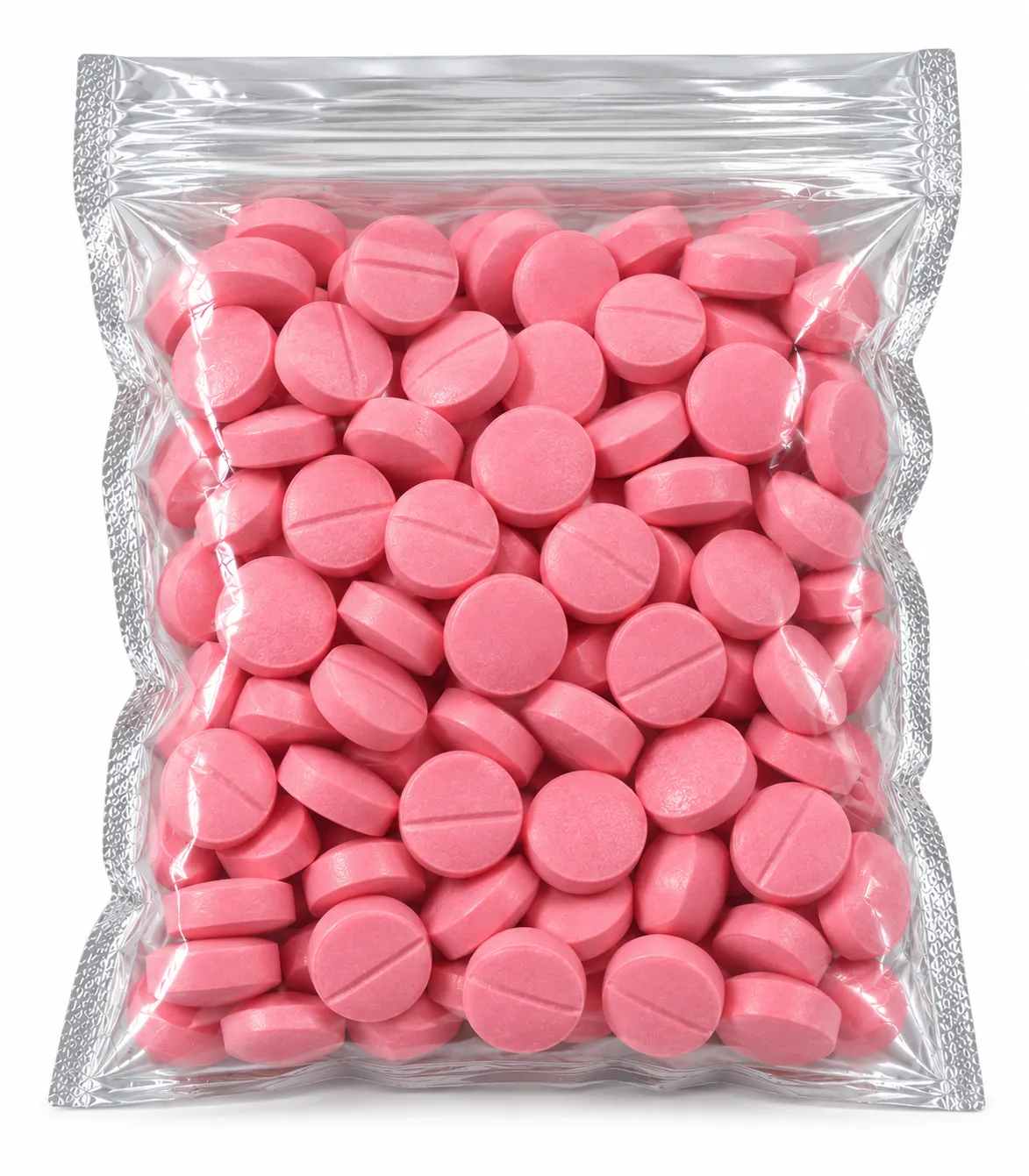
Citra 100mg (Tramadol Hydrochloride)
Pure pharmaceutical-grade Tramadol HCl (100mg) formulated for rapid gastrointestinal dispersion. Indicated for moderate to moderately severe nociceptive and chronic musculoskeletal pain under strict medical supervision. Verified 99.8% HPLC API purity, blister sealed, and delivered via tracked US domestic shipping.
Both M1 and M2 undergo subsequent Phase-II conjugation: O-DSMT is glucuronidated at its phenolic hydroxyl group by UDP-glucuronosyltransferases (UGT2B7 and UGT1A8) to produce water-soluble O-desmethyltramadol-glucuronides for renal elimination. In patients with severe renal failure (creatinine clearance < 30 mL/min), M1 glucuronides accumulate, extending terminal half-life and necessitating dosage reduction.
03. CYP2D6 Phenotypic Stratification: Poor, Intermediate, Extensive & Ultra-Rapid Metabolizers (CPIC Guidelines)
The polymorphic CYP2D6 gene—located on chromosome 22q13.2—exhibits more than 100 recognized allelic variants, gene duplications, and non-functional null mutations. The Clinical Pharmacogenetics Implementation Consortium (CPIC) and the Dutch Pharmacogenetics Working Group (DPWG) have established clinical practice guidelines categorizing patients into four distinct metabolic phenotypes based on gene activity scores:
| CYP2D6 PHENOTYPE | ACTIVITY SCORE | POPULATION FREQUENCY | O-DSMT (M1) PLASMA EXPOSURE | CLINICAL OUTCOME & CPIC RECOMMENDATION |
|---|---|---|---|---|
| Poor Metabolizer (PM) | 0 (No active alleles, e.g., *4/*4, *5/*5) | 5% – 10% (Caucasians); 1% – 2% (Asians) | Virtually Undetectable (< 10% of normal AUC) | Analgesic Failure: Profound lack of opioid pain relief. High risk of adverse monoaminergic side effects (nausea, tremors, agitation) without analgesic benefit. CPIC Recommendation: Avoid tramadol; switch to non-CYP2D6 analgesic like Tapentadol. |
| Intermediate Metabolizer (IM) | 0.25 – 1.0 (e.g., *4/*10, *1/*41) | 10% – 15% (Caucasians); up to 40% (East Asians) | Reduced (30% – 60% of normal AUC) | Suboptimal pain control; patients may require higher doses, elevating seizure risk. Monitor response closely or adjust therapy. |
| Extensive / Normal Metabolizer (NM) | 1.25 – 2.25 (e.g., *1/*1, *1/*2) | 70% – 80% (General Population) | Expected Baseline (Reference Range) | Expected balance of opioid analgesia and monoaminergic modulation. Standard dosing protocols (50–100mg Q4–6H PRN; max 400mg/day). |
| Ultra-Rapid Metabolizer (UM) | > 2.25 (Gene duplications, e.g., *1/*1xN, *2/*2xN) | 3% – 10% (Caucasians); up to 29% (North Africans / Middle East) | Massive / Accelerated Surge (200% – 400% of normal Cmax) | Fatal Overdose Hazard: Precipitous conversion into lethal levels of O-DSMT. Leads to life-threatening respiratory depression, profound sedation, and respiratory arrest at therapeutic doses. CPIC & FDA Boxed Warning: Absolute contraindication in pediatric tonsillectomy and CYP2D6 ultra-rapid metabolizers. |
A patient who is genetically an Extensive Metabolizer (NM) can be clinically converted into a Poor Metabolizer (PM) through concurrent ingestion of potent CYP2D6 inhibitors—notably fluoxetine (Prozac), paroxetine (Paxil), bupropion (Wellbutrin), and quinidine. Co-prescribing these agents eliminates O-DSMT synthesis, completely aborting analgesia while promoting parent tramadol accumulation and lowering seizure thresholds.
04. Comprehensive Head-to-Head Pharmacokinetic Matrix: Bioavailability, Tmax, Cmax, Vd & Clearance
The pharmacokinetic disposition of tramadol hydrochloride is characterized by high oral bioavailability, moderate protein binding, extensive tissue penetration, and hepatic biotransformation with renal excretion. The matrix below benchmarks immediate-release tramadol (Citra/Traken 100mg) against its primary active metabolite O-DSMT and the direct non-prodrug benchmark, tapentadol:
| PHARMACOKINETIC PARAMETER | ORAL TRAMADOL HCL (CITRA / TRAKEN 100MG) | ACTIVE METABOLITE: O-DSMT (M1) | COMPARATIVE: TAPENTADOL (ASPADOL 100MG) | CLINICAL PHARMACOLOGICAL IMPLICATIONS |
|---|---|---|---|---|
| Absolute Oral Bioavailability (F) | 70% – 75% (Single Dose) → 90% – 100% (Steady State) | Formed endogenously via CYP2D6 | 32% (Significant first-pass glucuronidation) | Tramadol bioaccumulation increases with repeated dosing due to saturable first-pass hepatic extraction. |
| Time to Peak Plasma Concentration (Tmax) | 1.6 – 2.0 hours (Immediate Release) | 2.5 – 3.0 hours (Delayed post-metabolism) | 1.25 – 1.5 hours (Rapid direct onset) | Peak opioid analgesia lags behind peak parent tramadol plasma levels by approximately 60–90 minutes due to required M1 bioactivation. |
| Peak Plasma Concentration (Cmax, 100mg single dose) | ≈ 280 – 320 ng/mL | ≈ 55 – 80 ng/mL (Normal Metabolizers) | ≈ 80 – 100 ng/mL | In ultra-rapid metabolizers, M1 Cmax can surge above 180 ng/mL, inducing dangerous respiratory suppression. |
| Apparent Volume of Distribution (Vd) | 2.7 – 3.0 L/kg (Extensive tissue penetration) | Extensive (Crosses BBB readily) | 7.0 L/kg (Very large) | Both tramadol and tapentadol penetrate deeply into lipophilic central nervous system compartments. |
| Plasma Protein Binding | ≈ 20% (Low) | Low (≈ 20%) | ≈ 20% (Low) | Minimal potential for displacement drug-drug interactions with highly protein-bound agents (e.g., warfarin, phenytoin). |
| Elimination Half-Life (t1/2) | 6.3 – 7.0 hours (Parent tramadol) | 7.4 – 9.0 hours (Active O-DSMT) | 4.0 hours (Clean elimination) | O-DSMT half-life exceeds parent drug, contributing to sustained analgesia but increasing risk of accumulation in renal insufficiency. |
| Primary Excretion Route | Renal: 90% (30% unchanged parent, 60% metabolites); Fecal: < 10% | Renal (Glucuronide conjugates) | Renal: 99% (as inactive glucuronides) | Patients with creatinine clearance < 30 mL/min require maximum dosing restrictions (max 200mg/day at 12-hour intervals). |
05. Comparative Equianalgesic Potency Grids: Tramadol vs. O-DSMT vs. Tapentadol vs. Morphine
Accurate equianalgesic conversion is critical when transitioning pain patients between atypical monoaminergic opioids and classical μ-opioid agonists. Tramadol is widely considered a “weak” or “Step 2” analgesic on the World Health Organization (WHO) pain ladder; however, its clinical potency is highly non-linear due to CYP2D6 variability:
| ANALGESIC COMPOUND | EQUIANALGESIC ORAL DOSE | POTENCY RELATIVE TO ORAL MORPHINE | MECHANISM SUMMARY | TARGET FORMULARY ITEM |
|---|---|---|---|---|
| Tramadol HCl (Oral) | 100 mg | 0.1 – 0.2x (1/10th to 1/5th of Morphine) | Weak μ-OR agonist + SERT/NET reuptake inhibition (prodrug for M1). | Citra 100mg / Traken 100mg |
| O-Desmethyltramadol (M1) | 15 – 20 mg | 0.5 – 0.7x (Approaching Morphine) | Potent direct μ-OR agonist + minimal NET reuptake. | Active In Vivo Metabolite |
| Tapentadol (Aspadol) | 30 – 40 mg | 0.3 – 0.4x (2.5–3x more potent than tramadol) | Direct μ-OR agonist + Potent NET inhibitor (Zero SERT). | Aspadol 100mg |
| Codeine Sulfate (Oral) | 100 – 120 mg | 0.15x (Comparable to Tramadol) | Weak prodrug; requires CYP2D6 O-demethylation to active morphine. | Clinical Monographs Hub |
| Morphine Sulfate (Oral) | 10 mg (Reference Benchmark) | 1.0x (Standard Index) | Prototypical pure μ-opioid agonist; minimal monoamine action. | Schedule II Pure Agonist |
Clinical takeaway: When switching a patient from 100mg of oral tramadol to oral morphine, the conservative equianalgesic conversion factor is approximately 0.1x to 0.2x (i.e., 100 mg oral tramadol ≈ 10 to 20 mg oral morphine equivalents). However, because tramadol possesses dual monoaminergic activity, simply substituting morphine will leave unmitigated noradrenergic and serotonergic tone withdrawal, necessitating cautious cross-titration.
06. Seizure Threshold Reductions & Convulsant Hazards: GABAA Antagonism & Dose Limits
The most serious idiosyncratic adverse effect separating tramadol from classical opioids is its pronounced capacity to precipitate generalized tonic-clonic seizures. Seizures have been documented across three distinct clinical scenarios: at supratherapeutic overdoses (> 400 mg/day), at standard therapeutic doses in patients with underlying epilepsy or head trauma, and at normal doses when combined with other pro-convulsant medications.
Neurochemical Convulsant Mechanisms
Electrophysiological and neurochemical investigations confirm that tramadol lowers seizure thresholds through a tripartite cascade:
- GABAA Receptor Inhibition: Tramadol and its metabolites act as competitive or allosteric inhibitors at cortical γ-aminobutyric acid type A (GABAA) receptor complexes, suppressing inhibitory chloride ion influx and promoting spontaneous neuronal depolarization.
- NMDA Receptor Facilitation: Inhibition of monoamine reuptake elevates extracellular glutamate and activates post-synaptic N-methyl-D-aspartate (NMDA) receptors, triggering intracellular calcium surges and propagating epileptiform burst firing.
- Excess Synaptic Serotonin & Norepinephrine: Massive accumulation of 5-HT and NE in the forebrain disrupts the balance between subcortical arousal centers and cortical inhibition, facilitating paroxysmal cortical spike-wave discharges.
CRITICAL PRECAUTION: 400 MG CEILING DOSE
The FDA DailyMed Prescribing Information explicitly mandates that the total daily dosage of immediate-release tramadol (Citra or Traken) MUST NEVER EXCEED 400 MG PER DAY (or 300 mg/day in elderly patients > 75 years). Epidemiological data from poison control registries demonstrate that seizure incidence escalates exponentially at single ingestions > 500 mg, reaching over 15% to 30% in acute overdoses.
07. Serotonin Syndrome & Incompatible Co-Prescriptions: The Hunter Toxicity Algorithm
Due to (+)-tramadol’s inhibition of neuronal serotonin reuptake (SERT IC50 ≈ 0.99 μM), co-administration with other serotonergic agents creates a grave hazard of life-threatening Serotonin Toxicity (Serotonin Syndrome). In clinical toxicology, Serotonin Syndrome is formally diagnosed utilizing the Hunter Serotonin Toxicity Criteria, which carries an 84% sensitivity and 97% specificity:
THE HUNTER CRITERIA DIAGNOSTIC ALGORITHM
In the presence of a known serotonergic agent (Tramadol), Serotonin Toxicity is confirmed if the patient exhibits ANY of the following clinical features:
- Spontaneous Clonus (Continuous rhythmic contractions without manual stimulation).
- Inducible Clonus PLUS Agitation or Diaphoresis.
- Ocular Clonus PLUS Agitation or Diaphoresis.
- Tremor PLUS Hyperreflexia (markedly exaggerated deep tendon reflexes, typically in lower extremities).
- Hypertonia PLUS Core Body Temperature > 38.0°C (100.4°F) PLUS Ocular or Inducible Clonus.
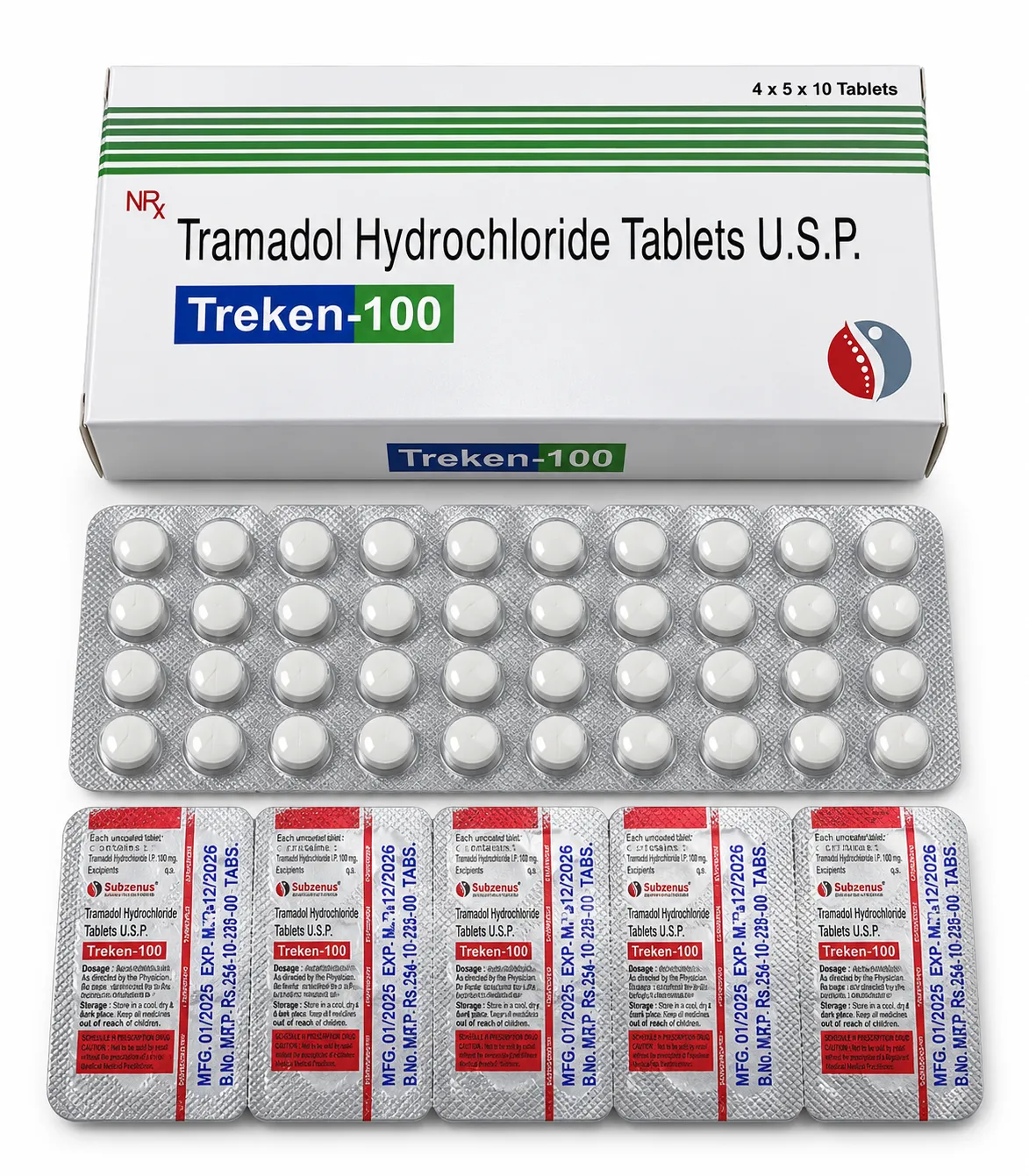
Tramadol Traken 100mg (Tramadol HCl)
High-standard European pharmacopeia compliant Tramadol Hydrochloride 100mg tablets. Packaged in aluminum-PVC blister strips protecting API stability and preventing humidity degradation. Indicated for severe acute and post-operative pain protocols under physician monitoring.
High-Risk Drug Incompatibilities
The following medication classes are strictly contraindicated or require extreme clinical vigilance when prescribed alongside Citra or Traken 100mg:
- MAO Inhibitors (Phenelzine, Tranylcypromine, Selegiline, Linezolid, Methylene Blue): Absolute contraindication. Co-administration can induce malignant hyperthermia (> 41°C), rhabdomyolysis, disseminated intravascular coagulation (DIC), and death. A minimum 14-day washout period is mandatory.
- SSRIs & SNRIs (Fluoxetine, Sertraline, Paroxetine, Venlafaxine, Duloxetine): Severe dual hazard. In addition to compounding serotonin reuptake blockade, fluoxetine and paroxetine inhibit CYP2D6, inducing phenoconversion to poor metabolizer status.
- Tricyclic Antidepressants (Amitriptyline, Nortriptyline) & Bupropion: Synergistically lowers seizure thresholds while increasing monoaminergic toxicity.
- Triptans (Sumatriptan, Rizatriptan): 5-HT1B/1D receptor agonists that compound peripheral and central serotonergic activation.
08. Tramadol vs. Tapentadol (Aspadol 100mg): Prodrug Complexities vs. Direct Glucuronidation
The clinical pharmacology of tramadol reveals inherent limitations: unpredictable CYP2D6 bioactivation, high rates of nausea and emesis (mediated by 5-HT3 stimulation), seizure liability, and serotonin toxicity. To overcome these pharmacological liabilities, medicinal chemists developed Tapentadol (Aspadol 100mg)—a second-generation dual-acting analgesic:
Tramadol HCl (Citra / Traken 100mg)
- Prodrug Architecture: Requires CYP2D6 bioactivation to form active M1 metabolite. Analgesia is highly variable across metabolizer phenotypes.
- Receptor Targets: Weak μ-OR agonist + Serotonin (5-HT) Reuptake Inhibitor + Norepinephrine (NE) Reuptake Inhibitor.
- Serotonin Syndrome Risk: High (Contraindicated with SSRIs, SNRIs, MAOIs).
- Seizure Liability: Elevated (GABAA antagonism; ceiling dose 400 mg/day).
- Discontinuation Profile: Biphasic (Opioid withdrawal + SNRI discontinuation syndrome with brain zaps).
Tapentadol (Aspadol 100mg)
- Direct Molecule: 100% active in parent form. Zero CYP450 dependency; clears via Phase II glucuronidation (UGT1A6, UGT1A9, UGT2B7). Zero active metabolites.
- Receptor Targets: Potent μ-OR agonist (18x stronger than parent tramadol) + Selective Norepinephrine Reuptake Inhibitor (NRI). Zero meaningful SERT inhibition.
- Serotonin Syndrome Risk: Minimal / Negligible (does not elevate synaptic serotonin; highly compatible with SSRIs).
- Seizure Liability: Significantly lower than tramadol.
- Discontinuation Profile: Standard opioid taper; absence of serotonergic discontinuation syndrome.
For comprehensive clinical guidelines on transitioning patients from tramadol to tapentadol, consult our primary pillar guide: Comprehensive Tapentadol (Aspadol) vs. Tramadol Clinical Review & Equianalgesia Guide.
09. Clinical Dosing Titration & Biphasic Step-Down Taper Protocols (Managing Opioid + SNRI Cessation)
Initiation of tramadol therapy must always incorporate slow titration to mitigate gastrointestinal intolerance and central nervous system adverse effects. A standard starting regimen is 25 mg to 50 mg orally every 6 hours, titrating upwards by 50 mg every 3 days as tolerated to an effective maintenance dose of 50 mg to 100 mg every 4 to 6 hours (maximum 400 mg/day).
The Biphasic Discontinuation Challenge
Discontinuing tramadol is significantly more challenging than tapering pure opioids like hydrocodone or oxycodone. Patients experience a dual withdrawal syndrome:
- Phase 1: μ-Opioid Receptor Abstinence: Diaphoresis, rhinorrhea, lacrimation, piloerection (“cold turkey” gooseflesh), myalgias, abdominal cramping, nausea, and severe diarrhea.
- Phase 2: Atypical SNRI Discontinuation: Electric-shock sensations in the head and neck (“brain zaps”), severe paresthesias, sensory illusions, severe panic attacks, intense agitation, insomnia, and profound emotional dysphoria.
| TAPER STAGE | DURATION | DAILY DOSAGE (FROM 300MG BASELINE) | DOSE DISTRIBUTION | ADJUNCTIVE CLINICAL SUPPORT |
|---|---|---|---|---|
| Stage 1 (Initial Reduction) | Days 1 – 7 | 200 mg / day (33% reduction) | 100mg Morning / 100mg Evening | NSAIDs (ibuprofen 400mg) for somatic aches. Monitor blood pressure. |
| Stage 2 (Mid-Level Step) | Days 8 – 14 | 150 mg / day | 50mg Morning / 50mg Midday / 50mg Evening | Alpha-2 agonist (Clonidine 0.1mg PRN) for autonomic rebound. |
| Stage 3 (Low-Dose Step) | Days 15 – 21 | 100 mg / day | 50mg Morning / 50mg Evening | Melatonin (3–5mg) for sleep maintenance. Avoid sedating antihistamines. |
| Stage 4 (Micro-Taper) | Days 22 – 28 | 50 mg / day | 50mg Evening Only | Psychological reassurance regarding transient brain zaps. |
| Stage 5 (Complete Cessation) | Day 29 Onward | 0 mg / day | Discontinued | Post-acute withdrawal monitoring. Re-evaluate primary pain pathology. |
10. FDA Boxed Warnings, Overdose Toxicology & The Naloxone Seizure Paradox
Tramadol formulations carry prominent FDA Boxed Warnings highlighting severe public health risks:
- Addiction, Abuse, and Misuse: Exposes patients to opioid addiction and misuse, which can lead to overdose and death. Assess risk prior to prescribing and monitor regularly.
- Life-Threatening Respiratory Depression: Serious, life-threatening, or fatal respiratory depression may occur, particularly during initiation or dose escalation.
- Accidental Ingestion: Fatal overdose can occur with accidental ingestion, especially by children. Keep out of reach.
- Ultra-Rapid CYP2D6 Metabolism in Children: Life-threatening respiratory depression and death have occurred in pediatric patients who were ultra-rapid metabolizers following tonsillectomy/adenoidectomy. Contraindicated in all patients < 12 years and post-op tonsillectomy < 18 years.
- Concurrent Opioid and Benzodiazepine Co-Ingestion: Concomitant use with benzodiazepines (e.g., diazepam, alprazolam, clonazepam) or other CNS depressants may result in profound sedation, respiratory arrest, coma, and death.
The Naloxone Seizure Paradox
In acute tramadol overdose, management presents a recognized toxicological paradox:
While Naloxone is essential to reverse life-threatening respiratory depression caused by O-DSMT μ-opioid agonism, administration of naloxone removes opioid-mediated suppression of neuronal activity while leaving monoamine reuptake blockade and GABAA antagonism completely uninhibited. Consequently, naloxone administration can precipitate acute tonic-clonic seizures in patients with massive tramadol ingestions. Emergency management must titrate naloxone cautiously (starting at 0.04 to 0.4 mg IV) solely to restore adequate spontaneous ventilation, while having intravenous benzodiazepines (e.g., Diazepam 10mg IV or Lorazepam 2mg IV) immediately prepared to terminate precipitated convulsions.
11. Pharmaceutical Sourcing Forensics: Citra 100mg & Traken 100mg Strip Integrity & US Delivery
Given the proliferation of adulterated medications and counterfeit formulations in unregulated online channels, verification of physical packaging forensics and active chemical assay purity is paramount for patient safety:
Forensic Markers: Citra 100mg
- Packaging: Sealed tamper-evident pharmaceutical pouch / blister strip with lot verification.
- Tablet Physical Profile: Crisp white, circular convex tablet with clean central scoreline; uniform diameter and thickness without crumbly edges.
- Chemical Assay: Verified 99.8% pure Tramadol Hydrochloride by high-performance liquid chromatography (HPLC); zero fentanyl, acetaminophen, or adulterant peaks.
- Primary Clinical Application: Moderate nociceptive breakthrough pain and acute musculoskeletal flares.
Forensic Markers: Traken 100mg
- Packaging: Aluminum-PVC push-through blister cards with debossed pharmaceutical batch numbers and European format expiration stamping.
- Tablet Physical Profile: High-density film-coated compressed tablet designed for gastric dissolution resistance and delayed moisture degradation.
- Chemical Assay: High-purity Tramadol HCl conforming to USP/BP pharmacopeia standards with uniform disintegration kinetics (< 15 min).
- Primary Clinical Application: Moderate-to-severe post-surgical analgesia and chronic neuropathic pain management.
All orders placed through VitalRxCare are dispensed exclusively via licensed domestic partner fulfillment pharmacies operating in full compliance with the Ryan Haight Act (21 U.S.C. § 829(e)) and DEA electronic prescriptions for controlled substances (EPCS) mandates. Every order ships domestically via USPS Priority Mail (2–3 business day tracked delivery) in discreet, tamper-evident thermal-sealed packaging with zero international customs transit delays.
12. Frequently Asked Clinical Questions (PAA & Schema Structured)
Why does Tramadol feel ineffective for some patients?
Tramadol is a prodrug requiring bioactivation by the liver enzyme CYP2D6 into its primary active metabolite, O-desmethyltramadol (M1 / O-DSMT), which provides over 80% of its opioid analgesia. Approximately 7% to 10% of Caucasians are CYP2D6 Poor Metabolizers (PMs) lacking active enzymatic function. These patients produce negligible M1, experiencing little to no pain relief while still suffering serotonergic and noradrenergic side effects. For such individuals, a direct non-prodrug analgesic like Aspadol (Tapentadol) is clinically indicated.
What is the difference between Citra 100mg and Traken 100mg?
Both Citra 100mg and Traken 100mg contain identical active chemical substances—100mg of pure Tramadol Hydrochloride USP. The difference lies in the pharmaceutical manufacturing lineage, excipient formulation, and packaging. Citra 100mg is widely favored for rapid gastrointestinal dispersion and breakthrough pain relief, whereas Traken 100mg features high-density European-standard blister foil backing for enhanced moisture resistance and extended shelf stability.
Can Tramadol be taken with antidepressants like Zoloft, Lexapro, or Prozac?
Concurrent administration of tramadol with SSRIs (e.g., sertraline, escitalopram, fluoxetine) carries severe clinical risks. First, it exponentially elevates the risk of life-threatening Serotonin Syndrome under the Hunter Criteria due to additive serotonin reuptake inhibition. Second, fluoxetine and paroxetine are potent CYP2D6 inhibitors that block the activation of tramadol into O-DSMT, resulting in loss of pain relief while increasing seizure liability. Concomitant use requires strict physician evaluation.
What is the maximum safe daily dose of Tramadol?
The maximum recommended daily dose of immediate-release tramadol for adults with normal renal and hepatic function is 400 mg per day (administered in divided doses of 50mg to 100mg every 4 to 6 hours). In elderly patients over 75 years of age, the ceiling dose is reduced to 300 mg per day. Exceeding 400 mg daily significantly escalates the danger of grand mal seizures and fatal respiratory depression.
How does Tapentadol (Aspadol) differ from Tramadol?
Unlike tramadol, Tapentadol (Aspadol) is not a prodrug and requires zero CYP450 metabolism to exert analgesia. Tapentadol provides direct, potent μ-opioid receptor agonism combined with norepinephrine reuptake inhibition, with virtually zero serotonin reuptake inhibition. Consequently, tapentadol carries significantly lower risk of serotonin syndrome, lower seizure incidence, and predictable linear pain relief regardless of a patient’s CYP2D6 genetics.
Why does Tramadol withdrawal cause “brain zaps”?
Because tramadol inhibits both serotonin and norepinephrine reuptake in addition to its opioid actions, abrupt cessation causes an acute neurochemical deficit akin to sudden antidepressant discontinuation. These electric-shock-like sensations in the head (“brain zaps”) stem from sudden shifts in serotonergic neurotransmission and cortical excitability. Tramadol must be tapered gradually over several weeks to avoid this biphasic withdrawal.
13. Primary References & Peer-Reviewed Literature Citations
- Raffa RB, Friderichs E, Reimann W, et al. Opioid and nonopioid components independently contribute to the mechanism of action of tramadol, an ‘atypical’ opioid analgesic. J Pharmacol Exp Ther. 1992;260(1):275-285.
- Crews KR, Monte AA, Huddart R, et al. Clinical Pharmacogenetics Implementation Consortium (CPIC) Guideline for CYP2D6, OPRM1, and COMT Genotypes and Select Opioid Therapy. Clin Pharmacol Ther. 2021;110(4):888-896. doi:10.1002/cpt.2144.
- Gillman PK. Monoamine oxidase inhibitors, opioid analgesics and serotonin toxicity. Br J Anaesth. 2005;95(4):434-441. doi:10.1093/bja/aei210.
- Dunkley EJ, Isbister GK, Sibbritt D, et al. The Hunter Serotonin Toxicity Criteria: simple and accurate diagnostic decision rules for serotonin toxicity. QJM. 2003;96(9):635-642. doi:10.1093/qjmed/hcg109.
- Tzschentke TM, Christoph T, Kögel B, et al. (-)-(1R,2R)-3-(3-dimethylamino-1-ethyl-2-methyl-propyl)-phenol hydrochloride (tapentadol HCl): a novel, very weak mu-opioid receptor agonist and noradrenaline reuptake inhibitor with analgesic activity. J Pharmacol Exp Ther. 2007;323(1):265-276.
- Grond S, Sablotzki A. Clinical pharmacology of tramadol. Clin Pharmacokinet. 2004;43(13):879-923. doi:10.2165/00003088-200443130-00004.
- US Food and Drug Administration. Ultram (tramadol hydrochloride) tablets Prescribing Information. Reference ID: 4143431. FDA DailyMed. Updated 2023.
- American Society of Health-System Pharmacists (ASHP). AHFS Drug Information: Tramadol Hydrochloride. Bethesda, MD; 2024.
USPS 2-3 Day Priority Express • Full Tracking
Order Authentic Tramadol 100mg (Citra & Traken) Online in USA
Dual-action mu-opioid and noradrenergic analgesic for moderate-to-severe pain. High-affinity pharmaceutical formulations with guaranteed domestic arrival.
Order Traken 100mg Online →
✓ 100% US Delivery Guarantee • Discreet Packaging
Related Patient Services & Verified Care
Every prescription order is verified by a licensed pharmacist in strict adherence to FDA BeSafeRx protocols.