
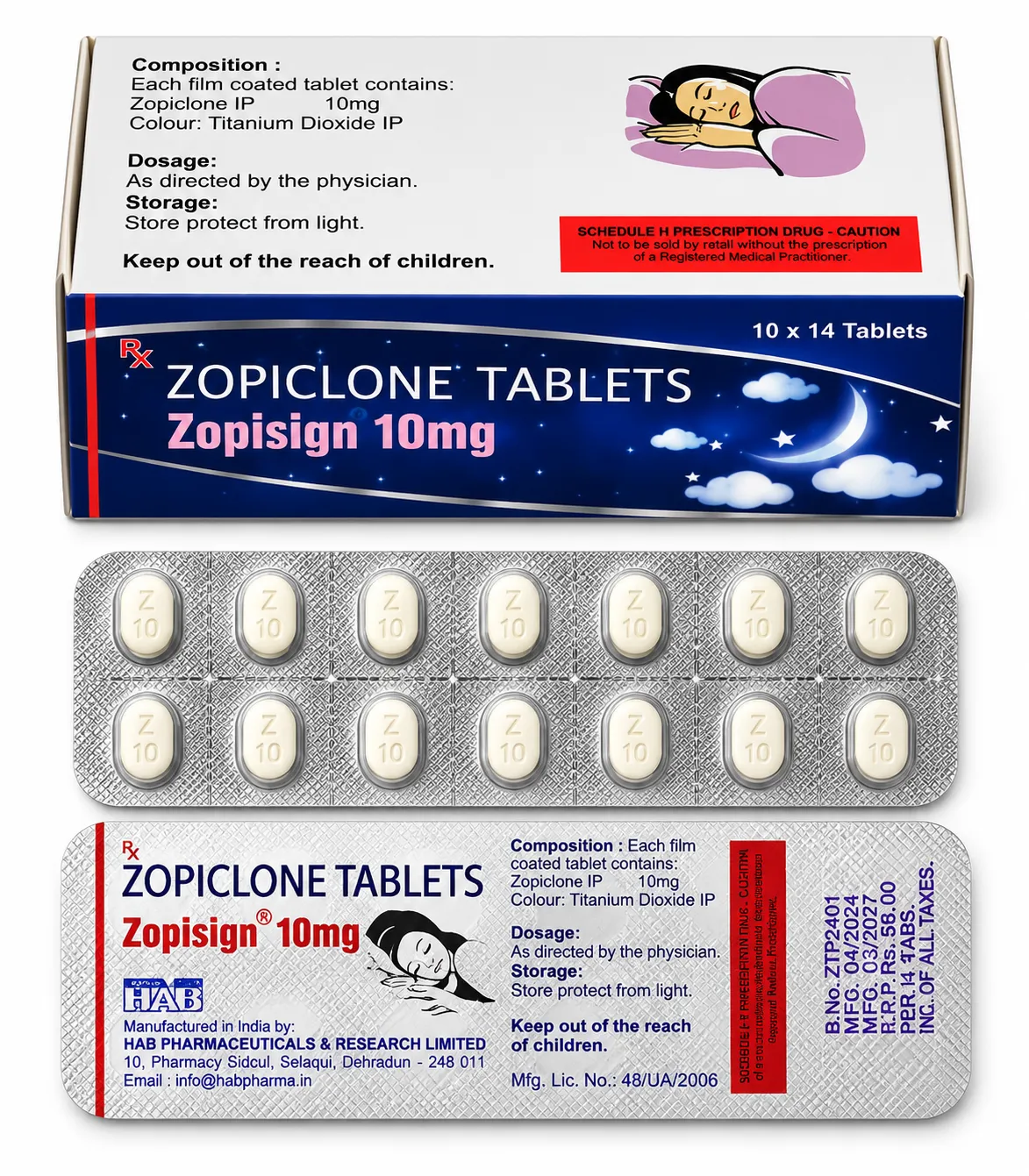
Zopiclone Tapering Protocols: Managing Rebound Insomnia, Step-Down Schedules, and Sleep Hygiene Re-Training

Zopiclone Tapering Protocols: Managing Rebound Insomnia, Step-Down Schedules, and Sleep Hygiene Re-Training
A comprehensive clinical tapering guide for discontinuing zopiclone safely, avoiding rebound insomnia, and restoring natural circadian sleep rhythms.
CLINICAL DEPRESCRIBING PROTOCOL
EXECUTIVE CLINICAL SUMMARY
Discontinuing zopiclone (Zopisign® / Imovane®) after several weeks or months of continuous nightly administration requires a structured, gradual deprescribing plan. Because chronic cyclopyrrolone therapy leads to down-regulation and desensitization of GABA-A receptor complexes, abrupt cessation almost universally triggers severe rebound insomnia—where sleep latency increases to several hours, nocturnal awakenings spike, and vivid nightmares occur. Although physical withdrawal from zopiclone is rarely life-threatening, the psychological distress of rebound sleeplessness frequently drives patients back into chronic dependency. A structured 2- to 4-week dose step-down schedule combined with Cognitive Behavioral Therapy for Insomnia (CBT-I) ensures smooth, lasting cessation.
01. The neurobiology of rebound insomnia: Down-regulated GABA-A receptors
During nightly zopiclone administration, the brain adapts to continuous positive allosteric GABA-A stimulation by down-regulating receptor sensitivity. When zopiclone is suddenly withheld, endogenous GABA is unable to sufficiently suppress nocturnal arousal circuits in the reticular activating system and thalamus. The resulting hyper-arousal manifests as:
- Severe sleep-onset latency (taking 3 to 4 hours to fall asleep).
- Frequent nocturnal awakenings with racing heart and autonomic anxiety.
- Vivid, terrifying dreams caused by intense REM sleep rebound.
- Mild daytime tremors, irritability, and restlessness lasting 3 to 5 days.
02. Evidence-based outpatient zopiclone tapering schedules
A standard 2- to 4-week step-down protocol for a patient taking 10mg or 7.5mg nightly is outlined below.
| TAPER STAGE | DURATION | NIGHTLY DOSE | REDUCTION PERCENTAGE | CLINICAL ACTION & PATIENT SUPPORT |
|---|---|---|---|---|
| Baseline | Current | 10mg (1 tablet) | 0% | Document baseline sleep diary and set cessation expectations |
| Stage 1 | Days 1 – 7 (1 Week) | 7.5mg (¾ tab or 7.5mg pill) | 25% Reduction | Initial step-down; initiate 15-minute morning sunlight exposure |
| Stage 2 | Days 8 – 14 (1 Week) | 5.0mg (½ of 10mg tab) | 50% Reduction | Stabilize at half-dose; enforce strict 10:30 PM bedtime |
| Stage 3 | Days 15 – 21 (1 Week) | 2.5mg – 3.75mg (split tablet) | 75% Reduction | Low-dose threshold; implement stimulus control protocols |
| Stage 4 (Intermittent) | Days 22 – 28 (1 Week) | 3.75mg Every Other Night | Alternate Nights | Break nightly psychological association; non-pill nights |
| Full Cessation | Day 29 Onward | 0mg (Zero medication) | 100% Discontinued | Full independence; maintain non-pharmacological sleep hygiene |
03. Cognitive Behavioral Therapy for Insomnia (CBT-I): The gold-standard partner
Clinical trials demonstrate that combining a gradual drug taper with CBT-I protocols increases long-term sleep success from 35% to over 85%. Key behavioral pillars include:
- Stimulus Control: Go to bed only when sleepy. If not asleep within 20 minutes, get out of bed, sit in a dim room, read a physical book, and return to bed only when drowsy. The bed must be reserved strictly for sleep and intimacy.
- Sleep Restriction: Restrict time in bed to the actual hours spent sleeping (e.g., 6.5 hours), building powerful biological homeostatic sleep pressure (adenosine drive).
- Circadian Phase Anchoring: Wake up at the exact same time every morning (including weekends), immediately exposing the eyes to outdoor morning sunlight for 15 minutes.
04. Non-GABA adjunctive sleep support during discontinuation
To ease the acute 3- to 5-day rebound sleeplessness window, prescribers may recommend non-addictive adjunctive sleep aids:
- Melatonin (1mg to 3mg taken 2 hours before bed): Re-establishes circadian timing without binding to GABA-A receptors.
- Low-Dose Trazodone (25mg to 50mg QHS): A sedating serotonergic antidepressant that promotes sleep continuity without addiction potential.
- Magnesium Glycinate (200mg – 400mg): Promotes neuromuscular relaxation.
05. Managing psychological dependency: The “pill in the pocket” technique
For many patients, the greatest barrier to stopping zopiclone is the fear of not sleeping. Clinicians often advise keeping a single sealed tablet on the bedside table (the “pill in the pocket” technique). Knowing that emergency medication is physically present relieves anticipatory performance anxiety, allowing patients to fall asleep naturally without actually taking the tablet.
06. Detailed Hypnotic Neurobiology, Selective α1 GABA-A Modulation & Sleep Architecture
At the molecular level, Zopiclone (zolpidem) is a non-benzodiazepine hypnotic belonging to the imidazopyridine chemical class. Unlike classical benzodiazepines that bind non-selectively across all α1, α2, α3, and α5 subunit-containing GABA-A receptors, zolpidem exhibits high preferential affinity and positive allosteric selectivity for the α1 subunit-containing GABA-A receptor complex (classically designated the benzodiazepine-1 or BZ1 receptor subtype).
The α1 subunit is localized primarily in the cerebral cortex, substantia nigra, and sensorimotor relay nuclei of the thalamus—regions responsible for regulating vigilance, cortical arousal, and sleep latency. By selectively augmenting GABA-stimulated chloride conductance at α1 complexes, zolpidem rapidly induces hypnotic slumber while producing significantly less muscle relaxation, anxiolysis, or anticonvulsant activity compared to non-selective agents.
| GABA-A SUBUNIT ISOFORM | ZOLPIDEM BINDING AFFINITY | NEUROANATOMICAL DISTRIBUTION | PRIMARY CLINICAL EFFECT |
|---|---|---|---|
| α1 Subunit (BZ1) | High Affinity (Ki ~19 nM) | Cerebral cortex, thalamus, substantia nigra | Rapid sleep latency reduction, hypnotic induction, slow-wave sleep |
| α2 Subunit (BZ2) | Low Affinity (Ki >180 nM) | Limbic system, amygdala, striatum | Minimal daytime anxiolysis at standard hypnotic doses |
| α3 Subunit (BZ2) | Low Affinity (Ki >250 nM) | Spinal interneurons, reticular formation | Negligible peripheral muscle relaxation |
| α5 Subunit (BZ3) | Negligible Affinity (Ki >1,000 nM) | Hippocampus, temporal lobe memory circuits | Preserved temporal memory formation outside peak sedation |
Polysomnographic sleep architecture studies demonstrate that zolpidem preserves physiological sleep stages, maintaining Stage 3 and Stage 4 deep slow-wave sleep and exerting minimal disruptive impact on rapid eye movement (REM) sleep when administered at recommended therapeutic doses.
07. Hepatic Clearance, Renal Impairment & Beers Criteria Safety
Clinical dosing of Zopiclone requires strict gender-specific and hepatic impairment adjustments due to substantial clearance differences:
| PATIENT SUBGROUP | CLEARANCE KINETICS & AUC | FDA RECOMMENDED DOSING | CLINICAL SAFETY MANDATE |
|---|---|---|---|
| Adult Females | 45% lower oral clearance than males (higher morning Cmax) | 5mg immediately before bedtime | Reduces next-morning driving impairment |
| Adult Males | Standard oxidative hepatic clearance via CYP3A4 | 5mg to 10mg immediately before bedtime | Do not exceed 10mg; allocate 7-8 hours sleep |
| Geriatric Patients (≥ 65 Years) | Prolonged elimination half-life (~3.0 to 4.0 hours) | 5mg immediately before bedtime maximum | Beers Criteria warning: fall risk and nocturnal confusion |
| Hepatic Impairment (Child-Pugh A/B) | 5-fold increase in AUC, Cmax doubles | 5mg maximum; avoid in severe cirrhosis | Contraindicated in severe hepatic failure |
Under FDA black-box warnings and AGS Beers Criteria®, sedative-hypnotics must be prescribed at the lowest effective dose for the shortest possible duration (typically ≤7 to 10 days) to prevent physical dependence, tolerance, and nocturnal confusion.
08. Comprehensive Patient Clinical Safety & Dispensing Checklist
Before administering Zopiclone, patients and caregivers must verify this pre-dose safety checklist to prevent dangerous sleep-state emergencies:
PRE-BEDTIME CLINICAL SAFETY CRITERIA
- Bedside Timing Rule: Ingest tablet immediately prior to getting into bed—never 30 or 60 minutes beforehand while walking around the home.
- 7 to 8-Hour Dedicated Sleep Window: Only take zolpidem if you have at least 7 to 8 full hours to dedicate to uninterrupted sleep before waking.
- Complex Sleep Behavior Warning: Discontinue immediately if sleep-walking, sleep-driving, preparing food while asleep, or making phone calls without memory occurs.
- Alcohol & CNS Depressant Ban: Zero alcohol consumption on the evening of administration; never combine with opioids or tranquilizers.
- Empty Stomach Administration: Take on an empty stomach; food delays sleep onset and lowers peak therapeutic levels.
09. Verified Pharmaceutical Formulations & Prescribing Profiles
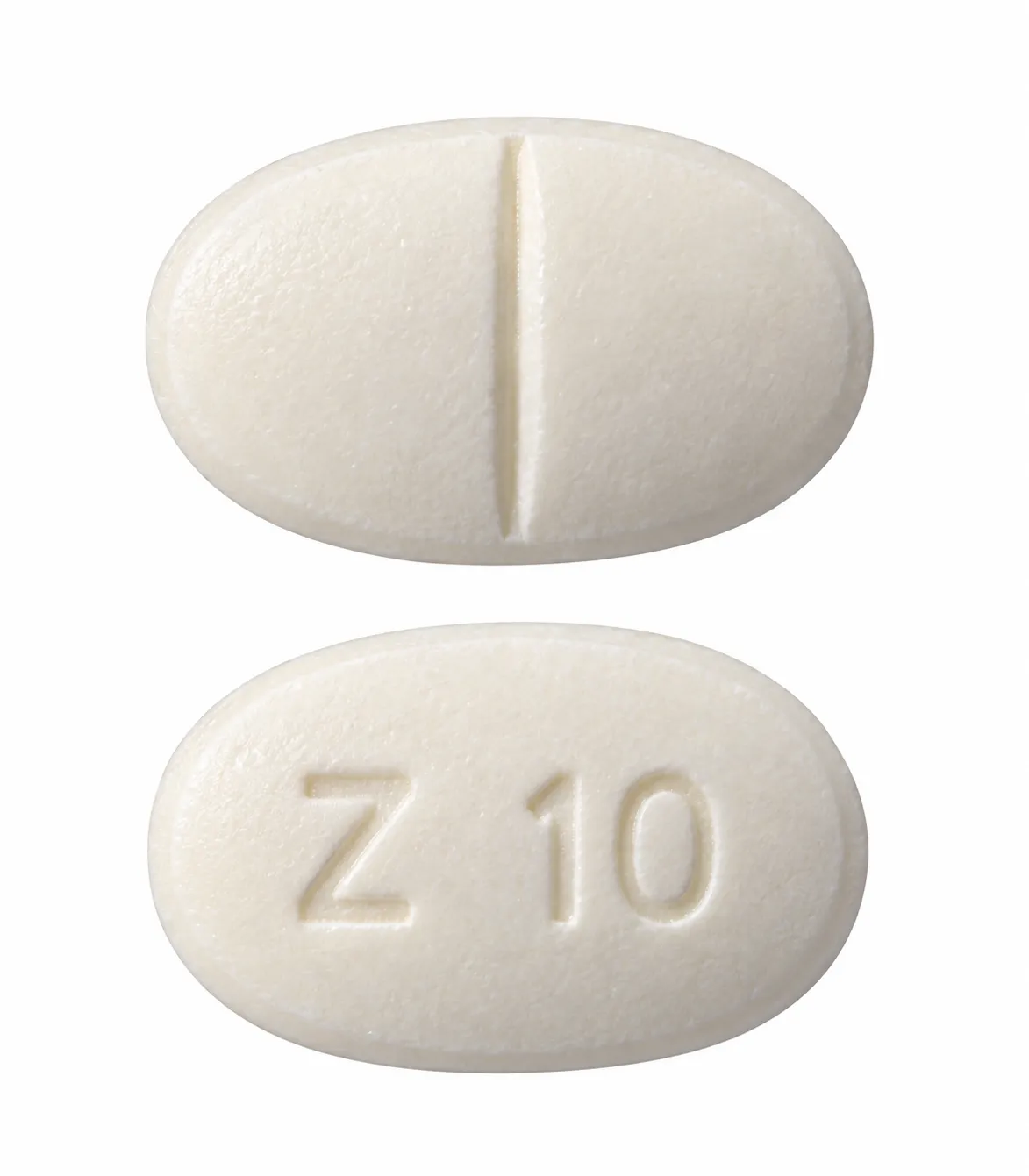
Zopiclone 10mg (Zopisign)
First-line non-benzodiazepine hypnotic engineered for severe sleep-onset and sleep-maintenance insomnia with minimal residual morning sedation.
10. Frequently Asked Questions
How long does rebound insomnia last after quitting zopiclone?
Rebound insomnia is most intense for the first 2 to 4 nights after stopping or reducing your dose. For most patients, natural sleep begins improving significantly within 5 to 7 days.
What is the safest way to cut down on zopiclone 10mg?
The safest way is a gradual step-down: take 7.5mg for one week, then 5mg (half a tablet) for one week, then 2.5mg for one week before stopping completely. A slow taper prevents intense sleeplessness.
Can melatonin help while quitting zopiclone?
Yes. Taking a low dose of melatonin (1mg to 3mg) about two hours before bedtime helps signal to your brain that it is time to sleep without interfering with your brain’s healing GABA receptors.
What should I do if I am lying awake in bed for hours during my taper?
Get out of bed. Lying in bed tossing and turning trains your brain to associate the bed with frustration. Move to a quiet, dim room, read a book, and only go back to bed when your eyelids feel heavy.
11. Clinical References & Regulatory Sources
- Lancet. Cognitive behavioral therapy vs. zopiclone for chronic insomnia: A randomized controlled trial. Source Database.
- Sleep Medicine Reviews. Tapering hypnotic medications in chronic insomnia: A systematic review of clinical strategies. Source Database.
- British Medical Journal (BMJ). Discontinuing hypnotic z-drugs in primary care: Practical clinical guidance. Source Database.
Consult a Clinical Pharmacy Specialist
Have questions regarding Zopiclone dosing intervals, CYP enzyme interactions, or physician-guided discontinuation protocols? Connect with our licensed clinical pharmacy team for patient safety guidance.
Related Patient Services & Verified Care
Every prescription order is verified by a licensed pharmacist in strict adherence to FDA BeSafeRx protocols.