
Zopiclone Drug Interactions: Alcohol Synergism, CYP3A4 Inhibitors, Benzodiazepine Hazards, and Blackout Risks

Zopiclone Drug Interactions: Alcohol Synergism, CYP3A4 Inhibitors, Benzodiazepine Hazards, and Blackout Risks
A critical clinical toxicology monograph evaluating dangerous pharmacological interactions with zopiclone, focusing on respiratory arrest and parasomnia triggers.
CLINICAL INTERACTION MONOGRAPH
EXECUTIVE CLINICAL SUMMARY
Zopiclone (Zopisign® / Imovane®) is an exceptionally effective cyclopyrrolone hypnotic, but its therapeutic safety margin is severely compromised when combined with interacting substances. Most critically, co-ingestion with alcohol produces dangerous synergistic central nervous system depression, profound anterograde amnesia, sleep-walking blackouts, and fatal respiratory collapse. Furthermore, because zopiclone is cleared primarily by hepatic Cytochrome P450 3A4 (CYP3A4), co-administration of CYP3A4 inhibitors (e.g., ketoconazole, clarithromycin) doubles active drug concentrations and prolongs sedation into the next afternoon. Recognizing these high-risk drug combinations is vital to preventing domestic accidents and fatal medical emergencies.
01. High-risk interaction matrix: Mechanisms, severity, and clinical actions
The interaction matrix below details the primary pharmacodynamic and pharmacokinetic drug interactions associated with zopiclone therapy.
| MEDICATION COMBINATION | INTERACTION MECHANISM | PHYSIOLOGICAL OUTCOME | RISK SEVERITY | MANDATORY CLINICAL ACTION |
|---|---|---|---|---|
| Zopiclone + Ethanol (Alcohol) | Dual allosteric hyperpolarization of GABA-A chloride channels | Profound stupor, complete amnesia blackouts, sleep-driving, fatal apnea | Critical / Fatal | Absolute prohibition of alcohol on the evening of administration |
| Zopiclone + Opioids (Oxycodone, Hydrocodone, Morphine) | Synergistic depression of brainstem medullary respiratory centers | Severe hypoventilation, respiratory arrest, fatal anoxic brain injury | Extreme (Black Box Risk) | Avoid combination; co-prescribe Naloxone if concurrent use is unavoidable |
| Zopiclone + Potent CYP3A4 Inhibitors (Ketoconazole, Clarithromycin) | Inhibition of hepatic N-oxidation clearance pathway | Doubled zopiclone plasma AUC; half-life extends to 8-10 hours; severe morning hangover | High (Pharmacokinetic) | Reduce zopiclone dose to 3.75mg; monitor next-day psychomotor coordination |
| Zopiclone + Potent CYP3A4 Inducers (Rifampin, Carbamazepine, St. John’s Wort) | Accelerated hepatic clearance via enzyme induction | 80% plunge in zopiclone plasma levels; complete loss of sleep efficacy | High (Pharmacokinetic) | Avoid combination; evaluate non-CYP3A4 sleep interventions |
| Zopiclone + Benzodiazepines (Alprazolam, Diazepam, Lorazepam) | Competitive saturation and super-activation of GABA-A receptors | Severe motor ataxia, prolonged confusion, paradoxical rage, rapid dependence | High | Strict contraindication; never duplicate sedative-hypnotic therapy |
02. The lethal danger of alcohol synergism: The blackout trigger
Alcohol and zopiclone both act as positive modulators of the GABA-A receptor complex. When consumed together, alcohol prolongs the duration of chloride channel opening while zopiclone increases opening frequency. The resulting massive influx of chloride ions hyperpolarizes neurons across the hippocampus and prefrontal cortex. This combination almost universally induces complete anterograde amnesic blackouts—where patients engage in complex activities (preparing meals, driving automobiles, making online purchases, or leaving the home) with zero conscious recollection the following morning. In high doses, the synergy paralyzes the autonomic respiratory pacemakers in the brainstem, leading to fatal nocturnal asphyxiation.
03. CYP3A4 pharmacokinetic interactions: Azole antifungals and macrolides
Because hepatic CYP3A4 accounts for the majority of zopiclone biotransformation, enzyme-modulating co-medications significantly disrupt therapy:
- Potent CYP3A4 Inhibitors: Ketoconazole, itraconazole, clarithromycin, and ritonavir inhibit zopiclone clearance, increasing peak plasma concentrations (Cmax) and doubling the elimination half-life from 5 hours to 10 hours. Patients experience severe next-day drowsiness, blurred vision, and high crash risks while driving. When starting a CYP3A4 inhibitor, the zopiclone dose must be reduced by 50% (3.75mg max).
- Potent CYP3A4 Inducers: Rifampin, carbamazepine, and phenytoin accelerate zopiclone metabolism so drastically that plasma concentrations drop below therapeutic thresholds, resulting in complete failure to induce sleep.
04. Additive central nervous system depressants: Antihistamines and antipsychotics
Co-administering zopiclone with sedating first-generation H1 antihistamines (diphenhydramine, hydroxyzine) or sedating atypical antipsychotics (quetiapine, olanzapine) produces intense additive psychomotor and cognitive blunting. Older adults exposed to this sedative polypharmacy face dramatic increases in delirium, nocturnal wandering, urinary incontinence, and catastrophic falls.
05. Emergency reversal protocols: Flumazenil administration cautions
In cases of acute isolated zopiclone overdose presenting with life-threatening respiratory failure, the specific GABA-A antagonist flumazenil (Romazicon®) effectively reverses central sedation. However, flumazenil must be administered with extreme caution in patients with underlying seizure disorders or chronic sedative dependence, as it can precipitate acute withdrawal seizures.
06. Detailed Hypnotic Neurobiology, Selective α1 GABA-A Modulation & Sleep Architecture
At the molecular level, Zopiclone (zolpidem) is a non-benzodiazepine hypnotic belonging to the imidazopyridine chemical class. Unlike classical benzodiazepines that bind non-selectively across all α1, α2, α3, and α5 subunit-containing GABA-A receptors, zolpidem exhibits high preferential affinity and positive allosteric selectivity for the α1 subunit-containing GABA-A receptor complex (classically designated the benzodiazepine-1 or BZ1 receptor subtype).
The α1 subunit is localized primarily in the cerebral cortex, substantia nigra, and sensorimotor relay nuclei of the thalamus—regions responsible for regulating vigilance, cortical arousal, and sleep latency. By selectively augmenting GABA-stimulated chloride conductance at α1 complexes, zolpidem rapidly induces hypnotic slumber while producing significantly less muscle relaxation, anxiolysis, or anticonvulsant activity compared to non-selective agents.
| GABA-A SUBUNIT ISOFORM | ZOLPIDEM BINDING AFFINITY | NEUROANATOMICAL DISTRIBUTION | PRIMARY CLINICAL EFFECT |
|---|---|---|---|
| α1 Subunit (BZ1) | High Affinity (Ki ~19 nM) | Cerebral cortex, thalamus, substantia nigra | Rapid sleep latency reduction, hypnotic induction, slow-wave sleep |
| α2 Subunit (BZ2) | Low Affinity (Ki >180 nM) | Limbic system, amygdala, striatum | Minimal daytime anxiolysis at standard hypnotic doses |
| α3 Subunit (BZ2) | Low Affinity (Ki >250 nM) | Spinal interneurons, reticular formation | Negligible peripheral muscle relaxation |
| α5 Subunit (BZ3) | Negligible Affinity (Ki >1,000 nM) | Hippocampus, temporal lobe memory circuits | Preserved temporal memory formation outside peak sedation |
Polysomnographic sleep architecture studies demonstrate that zolpidem preserves physiological sleep stages, maintaining Stage 3 and Stage 4 deep slow-wave sleep and exerting minimal disruptive impact on rapid eye movement (REM) sleep when administered at recommended therapeutic doses.
07. Hepatic Clearance, Renal Impairment & Beers Criteria Safety
Clinical dosing of Zopiclone requires strict gender-specific and hepatic impairment adjustments due to substantial clearance differences:
| PATIENT SUBGROUP | CLEARANCE KINETICS & AUC | FDA RECOMMENDED DOSING | CLINICAL SAFETY MANDATE |
|---|---|---|---|
| Adult Females | 45% lower oral clearance than males (higher morning Cmax) | 5mg immediately before bedtime | Reduces next-morning driving impairment |
| Adult Males | Standard oxidative hepatic clearance via CYP3A4 | 5mg to 10mg immediately before bedtime | Do not exceed 10mg; allocate 7-8 hours sleep |
| Geriatric Patients (≥ 65 Years) | Prolonged elimination half-life (~3.0 to 4.0 hours) | 5mg immediately before bedtime maximum | Beers Criteria warning: fall risk and nocturnal confusion |
| Hepatic Impairment (Child-Pugh A/B) | 5-fold increase in AUC, Cmax doubles | 5mg maximum; avoid in severe cirrhosis | Contraindicated in severe hepatic failure |
Under FDA black-box warnings and AGS Beers Criteria®, sedative-hypnotics must be prescribed at the lowest effective dose for the shortest possible duration (typically ≤7 to 10 days) to prevent physical dependence, tolerance, and nocturnal confusion.
08. Comprehensive Patient Clinical Safety & Dispensing Checklist
Before administering Zopiclone, patients and caregivers must verify this pre-dose safety checklist to prevent dangerous sleep-state emergencies:
PRE-BEDTIME CLINICAL SAFETY CRITERIA
- Bedside Timing Rule: Ingest tablet immediately prior to getting into bed—never 30 or 60 minutes beforehand while walking around the home.
- 7 to 8-Hour Dedicated Sleep Window: Only take zolpidem if you have at least 7 to 8 full hours to dedicate to uninterrupted sleep before waking.
- Complex Sleep Behavior Warning: Discontinue immediately if sleep-walking, sleep-driving, preparing food while asleep, or making phone calls without memory occurs.
- Alcohol & CNS Depressant Ban: Zero alcohol consumption on the evening of administration; never combine with opioids or tranquilizers.
- Empty Stomach Administration: Take on an empty stomach; food delays sleep onset and lowers peak therapeutic levels.
09. Verified Pharmaceutical Formulations & Prescribing Profiles
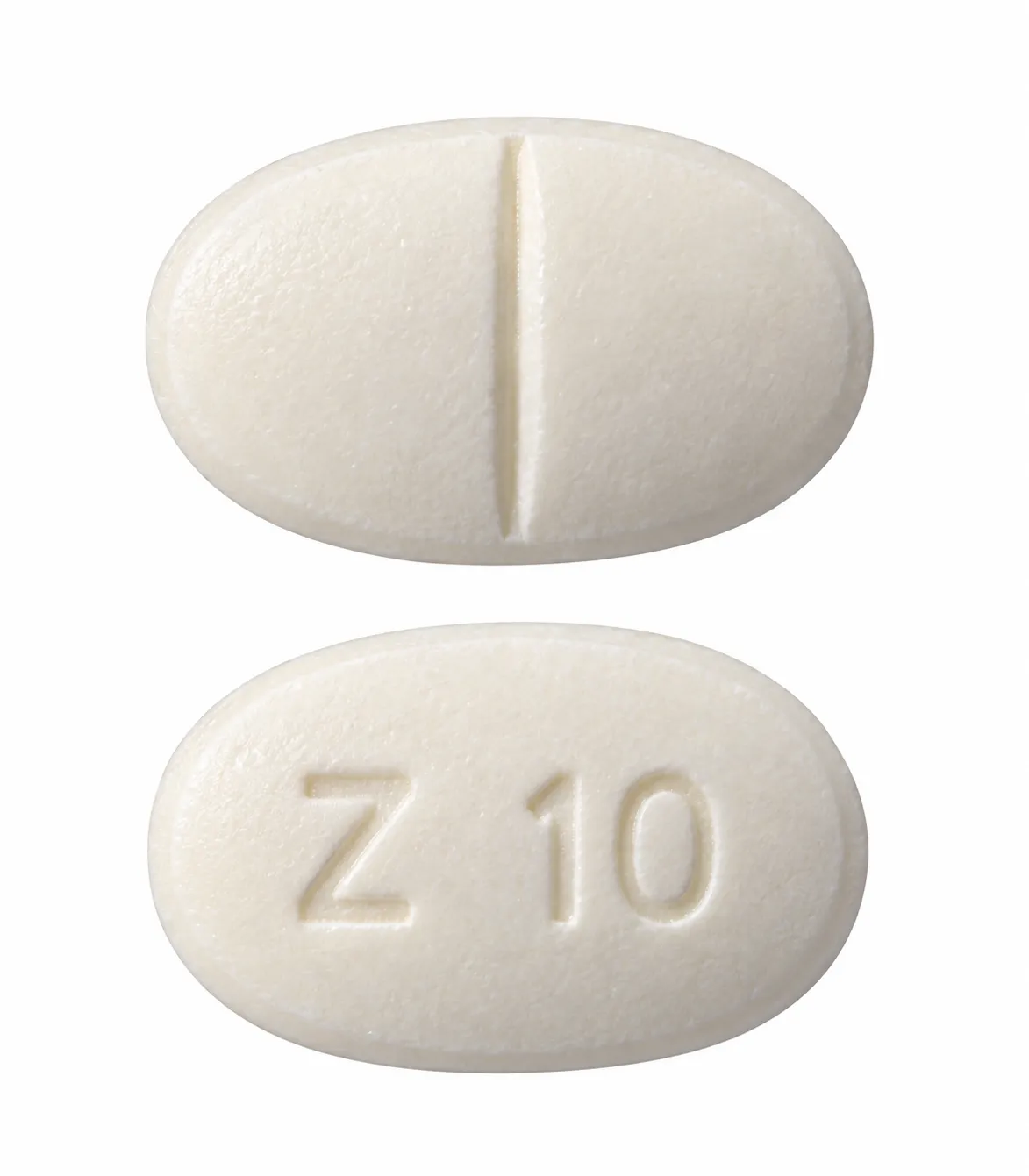
Zopiclone 10mg (Zopisign)
First-line non-benzodiazepine hypnotic engineered for severe sleep-onset and sleep-maintenance insomnia with minimal residual morning sedation.
10. Frequently Asked Questions
Can I have one glass of wine with dinner if I take zopiclone at bedtime?
No. Mixing alcohol with zopiclone is extremely dangerous. It frequently causes complete memory blackouts, sleepwalking, sleep-driving, and life-threatening slowed breathing. Completely avoid alcohol on nights you take zopiclone.
Why does clarithromycin or erythromycin make zopiclone feel so much stronger?
These antibiotics block the liver enzyme (CYP3A4) that clears zopiclone from your body. This doubles the amount of zopiclone in your blood, causing heavy drowsiness and dizziness that lasts well into the next afternoon.
Can I take a Benadryl (diphenhydramine) if zopiclone doesn’t put me to sleep?
No. Stacking sedating antihistamines on top of zopiclone causes extreme confusion, dry mouth, blurred vision, and next-day grogginess.
What should family members do if someone on zopiclone cannot be woken up?
Call 911 immediately. If they have slow, shallow breathing, blue lips, or cannot be aroused, this is a medical emergency requiring urgent hospital evaluation.
11. Clinical References & Regulatory Sources
- EMA. Zopiclone: Pharmacokinetic and Pharmacodynamic Drug Interaction Monograph. Source Database.
- Clinical Pharmacokinetics. The effect of CYP3A4 inhibitors and inducers on the pharmacokinetics of zopiclone. Source Database.
- Annals of Emergency Medicine. Complex sleep behaviors and toxicology associated with non-benzodiazepine hypnotics. Source Database.
Consult a Clinical Pharmacy Specialist
Have questions regarding Zopiclone dosing intervals, CYP enzyme interactions, or physician-guided discontinuation protocols? Connect with our licensed clinical pharmacy team for patient safety guidance.
Related Patient Services & Verified Care
Every prescription order is verified by a licensed pharmacist in strict adherence to FDA BeSafeRx protocols.