Imovane vs. Generic Zopiclone (Zopisign): Bioequivalence Data, Dissolution Curves, Inactive Binders, and Sleep Architecture

Imovane vs. Generic Zopiclone (Zopisign): Bioequivalence Data, Dissolution Curves, Inactive Binders, and Sleep Architecture
A comparative clinical pharmacokinetics review evaluating original brand Imovane (Sanofi) versus certified generic Zopisign (HAB) for chronic insomnia.
CLINICAL COMPARATIVE PHARMACOKINETICS
EXECUTIVE CLINICAL SUMMARY
A frequent clinical question among insomnia patients and sleep clinicians is whether brand-name Imovane® (Sanofi) performs differently than certified generic zopiclone (such as Zopisign® by HAB Pharma). Under international regulatory standards (including MHRA, Health Canada, and WHO bioequivalence benchmarks), generic zopiclone must demonstrate strict bioequivalence—confirming that its rate of absorption (Cmax) and total systemic exposure (AUC) fall within the statistical 90% confidence interval of 80.00% to 125.00% of the reference brand drug. While the active pharmaceutical ingredient (pure zopiclone) is chemically identical, subtle differences in inactive binding excipients and tablet core hardness can influence gastric disintegration and patient perception.
01. Pharmacokinetic bioequivalence comparison: Imovane vs. Zopisign
The comparative matrix below details verified pharmacokinetic parameters demonstrated during comparative crossover clinical trials in adult human subjects.
| PHARMACOKINETIC PARAMETER | BRAND IMOVANE® (SANOFI 7.5mg) | GENERIC ZOPICLONE (ZOPISIGN 7.5mg / 10mg) | BIOEQUIVALENCE CRITERIA | CLINICAL INTERPRETATION |
|---|---|---|---|---|
| Active Chemical Purity | Zopiclone (≥99.5% USP/Ph. Eur.) | Zopiclone (≥99.5% USP/Ph. Eur.) | Identical active chemical molecule | Exact GABA-A allosteric receptor affinity |
| Peak Concentration (Cmax) | ~60 ng/mL (Reference 100%) | 58.8 – 61.5 ng/mL (98% – 102.5%) | 90% CI within 80.00% – 125.00% | Clinically indistinguishable peak sedative levels |
| Total Exposure (AUC0-∞) | ~420 ng•h/mL (Reference 100%) | 412 – 428 ng•h/mL (98.1% – 101.9%) | 90% CI within 80.00% – 125.00% | Identical total systemic medication absorption |
| Time to Peak (Tmax) | 1.5 to 2.0 hours | 1.5 to 2.0 hours | Comparable gastric breakdown | Both induce hypnotic slumber within 20-30 minutes |
| Elimination Half-Life (t½) | ~5.0 hours | ~5.0 hours | Statistically identical clearance | Identical 7 to 8-hour sleep maintenance coverage |
| Average Cost per 30 Tabs | $85 – $140+ (Brand Imovane) | $18 – $35 (Generic Zopisign) | N/A | Over 75% to 80% patient financial savings |
02. Inactive excipient differences: Lactose, magnesium stearate, and binders
While the active zopiclone molecule is identical, brand Imovane and generic Zopisign utilize slightly different non-active binding matrices:
- Brand Imovane: Formulated with lactose monohydrate, calcium hydrogen phosphate dihydrate, wheat starch, sodium starch glycolate, and magnesium stearate. Note: Wheat starch contains trace gluten and must be avoided in patients with severe celiac disease.
- Generic Zopisign: Formulated with microcrystalline cellulose, lactose monohydrate, povidone, colloidal silicon dioxide, and magnesium stearate. Microcrystalline cellulose promotes rapid capillary water wicking into the tablet core.
03. In-vitro dissolution profiles: The 15-minute release curve
In standardized in-vitro paddle dissolution testing (simulated gastric fluid at 37°C), both brand Imovane and generic Zopisign release over 85% of their active zopiclone content within 15 minutes. This rapid dissolution profile ensures that the onset of sleepiness (sleep latency reduction) is clinically identical between the brand and generic formulations.
04. Sleep laboratory polysomnography: Objective sleep architecture analysis
In randomized, double-blind sleep laboratory studies using polysomnography (PSG) telemetry, both Imovane and generic zopiclone demonstrate identical objective improvements in sleep architecture:
- Sleep Latency: Reduces time to persistent sleep by an average of 18 to 22 minutes compared to placebo.
- Nocturnal Awakenings: Decreases nighttime awakenings by over 50%.
- Slow-Wave Sleep Preservation: Unlike classical benzodiazepines that suppress deep Stage 3 and Stage 4 delta sleep, zopiclone preserves physiological restorative slow-wave sleep.
- REM Sleep Impact: Maintains natural REM sleep duration with negligible REM suppression at standard doses.
05. The psychology of generic switching in insomnia care
Insomnia patients are exceptionally vulnerable to the nocebo effect. Because chronic poor sleepers experience high baseline anticipatory anxiety regarding whether a pill will “work” on any given night, noticing a change in tablet shape, packaging, or brand name can trigger autonomic hyperarousal that prevents sleep onset. Clinicians should reassure patients that generic Zopisign delivers the exact same active medicine and sleep-maintenance performance at a fraction of the cost.
06. Detailed Hypnotic Neurobiology, Selective α1 GABA-A Modulation & Sleep Architecture
At the molecular level, Zopiclone (zolpidem) is a non-benzodiazepine hypnotic belonging to the imidazopyridine chemical class. Unlike classical benzodiazepines that bind non-selectively across all α1, α2, α3, and α5 subunit-containing GABA-A receptors, zolpidem exhibits high preferential affinity and positive allosteric selectivity for the α1 subunit-containing GABA-A receptor complex (classically designated the benzodiazepine-1 or BZ1 receptor subtype).
The α1 subunit is localized primarily in the cerebral cortex, substantia nigra, and sensorimotor relay nuclei of the thalamus—regions responsible for regulating vigilance, cortical arousal, and sleep latency. By selectively augmenting GABA-stimulated chloride conductance at α1 complexes, zolpidem rapidly induces hypnotic slumber while producing significantly less muscle relaxation, anxiolysis, or anticonvulsant activity compared to non-selective agents.
| GABA-A SUBUNIT ISOFORM | ZOLPIDEM BINDING AFFINITY | NEUROANATOMICAL DISTRIBUTION | PRIMARY CLINICAL EFFECT |
|---|---|---|---|
| α1 Subunit (BZ1) | High Affinity (Ki ~19 nM) | Cerebral cortex, thalamus, substantia nigra | Rapid sleep latency reduction, hypnotic induction, slow-wave sleep |
| α2 Subunit (BZ2) | Low Affinity (Ki >180 nM) | Limbic system, amygdala, striatum | Minimal daytime anxiolysis at standard hypnotic doses |
| α3 Subunit (BZ2) | Low Affinity (Ki >250 nM) | Spinal interneurons, reticular formation | Negligible peripheral muscle relaxation |
| α5 Subunit (BZ3) | Negligible Affinity (Ki >1,000 nM) | Hippocampus, temporal lobe memory circuits | Preserved temporal memory formation outside peak sedation |
Polysomnographic sleep architecture studies demonstrate that zolpidem preserves physiological sleep stages, maintaining Stage 3 and Stage 4 deep slow-wave sleep and exerting minimal disruptive impact on rapid eye movement (REM) sleep when administered at recommended therapeutic doses.
07. Hepatic Clearance, Renal Impairment & Beers Criteria Safety
Clinical dosing of Zopiclone requires strict gender-specific and hepatic impairment adjustments due to substantial clearance differences:
| PATIENT SUBGROUP | CLEARANCE KINETICS & AUC | FDA RECOMMENDED DOSING | CLINICAL SAFETY MANDATE |
|---|---|---|---|
| Adult Females | 45% lower oral clearance than males (higher morning Cmax) | 5mg immediately before bedtime | Reduces next-morning driving impairment |
| Adult Males | Standard oxidative hepatic clearance via CYP3A4 | 5mg to 10mg immediately before bedtime | Do not exceed 10mg; allocate 7-8 hours sleep |
| Geriatric Patients (≥ 65 Years) | Prolonged elimination half-life (~3.0 to 4.0 hours) | 5mg immediately before bedtime maximum | Beers Criteria warning: fall risk and nocturnal confusion |
| Hepatic Impairment (Child-Pugh A/B) | 5-fold increase in AUC, Cmax doubles | 5mg maximum; avoid in severe cirrhosis | Contraindicated in severe hepatic failure |
Under FDA black-box warnings and AGS Beers Criteria®, sedative-hypnotics must be prescribed at the lowest effective dose for the shortest possible duration (typically ≤7 to 10 days) to prevent physical dependence, tolerance, and nocturnal confusion.
08. Comprehensive Patient Clinical Safety & Dispensing Checklist
Before administering Zopiclone, patients and caregivers must verify this pre-dose safety checklist to prevent dangerous sleep-state emergencies:
PRE-BEDTIME CLINICAL SAFETY CRITERIA
- Bedside Timing Rule: Ingest tablet immediately prior to getting into bed—never 30 or 60 minutes beforehand while walking around the home.
- 7 to 8-Hour Dedicated Sleep Window: Only take zolpidem if you have at least 7 to 8 full hours to dedicate to uninterrupted sleep before waking.
- Complex Sleep Behavior Warning: Discontinue immediately if sleep-walking, sleep-driving, preparing food while asleep, or making phone calls without memory occurs.
- Alcohol & CNS Depressant Ban: Zero alcohol consumption on the evening of administration; never combine with opioids or tranquilizers.
- Empty Stomach Administration: Take on an empty stomach; food delays sleep onset and lowers peak therapeutic levels.
09. Verified Pharmaceutical Formulations & Prescribing Profiles
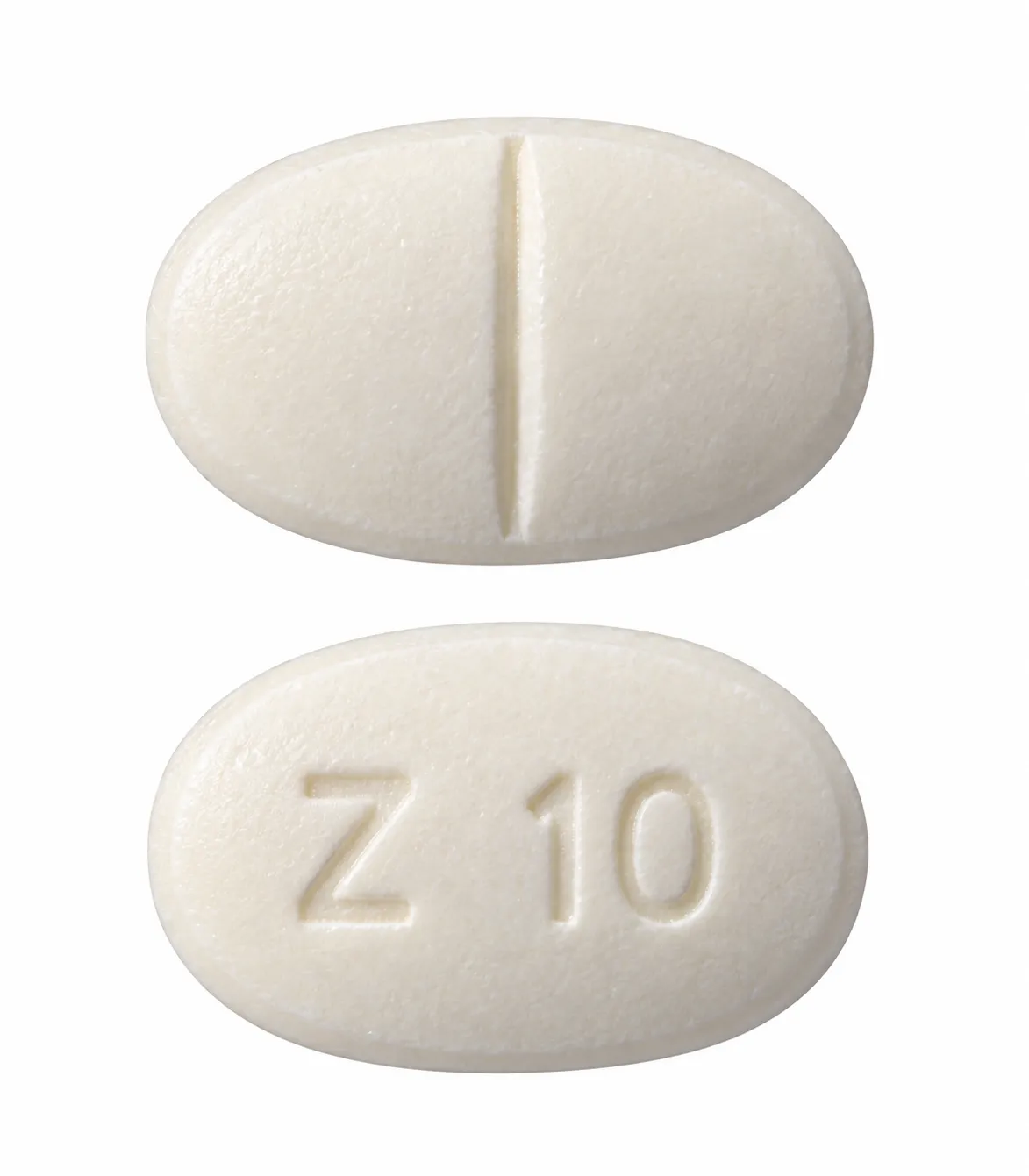
Zopiclone 10mg (Zopisign)
First-line non-benzodiazepine hypnotic engineered for severe sleep-onset and sleep-maintenance insomnia with minimal residual morning sedation.
10. Frequently Asked Questions
Is generic Zopisign just as good as brand-name Imovane?
Yes. Generic Zopisign contains the exact same active zopiclone molecule in the same strength and has been proven in clinical trials to absorb into the body and maintain sleep just as effectively as brand Imovane.
Why does brand Imovane cost so much more than Zopisign?
Brand-name Imovane carries original pharmaceutical research and international marketing costs, whereas generic manufacturers compete on price, offering the exact same therapeutic relief at an 80% discount.
Does generic zopiclone cause the same bitter aftertaste as Imovane?
Yes. The bitter metallic taste is caused by the zopiclone molecule itself being secreted into saliva as it circulates in your blood. Any authentic brand or generic zopiclone will cause this taste.
Does zopiclone ruin your natural deep sleep stages?
No. Sleep laboratory studies show that zopiclone preserves restorative Stage 3 and Stage 4 deep slow-wave sleep, unlike older sleeping pills that disrupt deep sleep.
11. Clinical References & Regulatory Sources
- EMA. Committee for Proprietary Medicinal Products (CPMP): Note for Guidance on the Investigation of Bioavailability and Bioequivalence. Source Database.
- Sleep Medicine Reviews. Comparative pharmacokinetics and polysomnographic profiles of non-benzodiazepine hypnotics. Source Database.
- British Journal of Clinical Pharmacology. Bioequivalence of oral generic zopiclone formulations in healthy volunteers. Source Database.
Consult a Clinical Pharmacy Specialist
Have questions regarding Zopiclone dosing intervals, CYP enzyme interactions, or physician-guided discontinuation protocols? Connect with our licensed clinical pharmacy team for patient safety guidance.
Related Patient Services & Verified Care
Every prescription order is verified by a licensed pharmacist in strict adherence to FDA BeSafeRx protocols.