
Alprazolam: Patient Information, Safety Warnings and Drug Interactions

Alprazolam: Patient Information, Safety Warnings & Drug Interactions
A comprehensive, clinical pharmacist-reviewed patient guide detailing alprazolam indications, neuropharmacology, FDA boxed warnings, rapid tolerance, tapering protocols, and critical drug interactions.
MEDICATION GUIDE
CLINICAL SUMMARY
Alprazolam (brand name Xanax®) is a high-potency, short-to-intermediate acting triazolobenzodiazepine indicated for generalized anxiety disorder (GAD) and panic disorder with or without agoraphobia. Alprazolam acts rapidly by binding to central nervous system GABA-A receptors, potentiating inhibitory chloride currents. Due to its rapid gastrointestinal absorption, high receptor affinity, and short half-life (~11 hours), physiological dependence can establish quickly, and abrupt cessation carries grave risks of rebound panic, severe autonomic instability, and life-threatening seizures.
01. Quick medicine facts
A concise, source-verified clinical summary table based on official FDA Prescribing Information and National Library of Medicine documentation:
| INFORMATION | CLINICAL DETAILS |
|---|---|
| Generic Name | Alprazolam |
| Brand Names (US) | Xanax®, Xanax XR®, Niravam® |
| Chemical Class | Triazolobenzodiazepine (8-chloro-1-methyl-6-phenyl-4H-[1,2,4]triazolo[4,3-a][1,4]benzodiazepine) |
| Pharmacological Class | GABA-A Receptor Positive Allosteric Modulator (High Potency) |
| Controlled Schedule | DEA Schedule IV Controlled Substance (Rx Only) |
| Elimination Half-Life | Mean ~11.2 hours (range: 6.3–26.9 hours; extended in elderly and hepatic dysfunction) |
| Primary Metabolic Pathway | Hepatic Cytochrome P450 3A4 (CYP3A4) |
| FDA Boxed Warning | Risks from concomitant use with opioids; risks of abuse, misuse, addiction; risks of physical dependence & severe withdrawal |
02. What is alprazolam?
Alprazolam is a specialized, high-potency derivative within the benzodiazepine class containing an integrated triazole ring attached to its diazepine nucleus. Synthesized by Upjohn (now Pfizer) and approved by the FDA in 1981, alprazolam became the first medication approved specifically for panic disorder with or without agoraphobia.
Unlike classical benzodiazepines such as diazepam or chlordiazepoxide, alprazolam is characterized by high intrinsic receptor binding affinity coupled with a relatively short elimination half-life. It is rapidly absorbed across the gastrointestinal tract, achieving peak plasma concentrations (Tmax) within 1 to 2 hours post-ingestion. Patients experience swift relief from acute autonomic panic manifestations—such as racing pulse, air hunger, tremor, and terror.
However, this rapid onset and rapid clearance profile represents a double-edged sword. Between scheduled doses, plasma levels drop precipitously, frequently inducing “interdose rebound anxiety.” Over time, the neuroadaptive down-regulation of GABA-A receptors can cause swift tolerance, requiring rigorous prescriber oversight to prevent dose escalation.
03. Uses and approved indications
The U.S. Food and Drug Administration (FDA) has established specific approved indications for alprazolam based on extensive randomized clinical trial evidence:
| CLINICAL INDICATION | FDA APPROVAL STATUS & PRACTICE CONTEXT |
|---|---|
| Generalized Anxiety Disorder (GAD) | FDA-Approved for short-term relief of acute anxiety symptoms. Prescribing guidelines recommend limited durations (typically 2 to 4 weeks) while initiating first-line SSRIs/SNRIs. |
| Panic Disorder (With or Without Agoraphobia) | FDA-Approved for acute stabilization and reduction of panic attack frequency and severity. Maintenance requires periodic re-evaluation. |
| Anxiety Associated with Depression | FDA-Approved for comorbid anxiety symptoms accompanying depressive episodes. Does not replace primary antidepressant therapy. |
| Off-Label Use: Chemotherapy-Induced Nausea | Utilized adjunctively for anticipatory nausea and anxiety refractory to 5-HT3 antagonists. |
04. How does alprazolam work?
Patient-Friendly Overview
Imagine your nervous system is managed by two competing control systems: an accelerator (excitatory neurotransmitters like glutamate) that heightens alertness and fight-or-flight reactions, and a natural brake (gamma-aminobutyric acid, or GABA) that soothes neuronal firing. During acute panic episodes, your brain’s accelerator is stuck at maximum speed. Alprazolam binds to your brain’s GABA receptors, functioning as a high-powered brake booster. By making your natural GABA much more effective, alprazolam rapidly quiets racing thoughts, slows heart rate, and stops panic attacks in their tracks.
Advanced Molecular Pharmacology
At the biochemical level, alprazolam functions as a positive allosteric modulator (PAM) at central nervous system GABA-A receptor-chloride ionophore complexes:
- Allosteric Docking: Alprazolam binds stereospecifically to a specialized pocket at the interface of the alpha (α1, α2, α3, or α5) and gamma-2 (γ2) subunits.
- Chloride Influx: Binding alters receptor conformation, increasing the frequency of channel openings when endogenous GABA binds. The resultant surge of negative chloride ions (Cl⁻) hyperpolarizes postsynaptic neuronal membranes.
- Subunit Specificity: Modulation at α1 subunits mediates sedation and amnesia, while actions at α2 and α3 subunits drive anxiolytic and muscle-relaxant properties.
- Hepatic Clearance: Alprazolam is metabolized almost exclusively by cytochrome P450 3A4 (CYP3A4) to 4-hydroxyalprazolam and α-hydroxyalprazolam, followed by glucuronidation and urinary excretion.
05. Available forms and strengths
Alprazolam is manufactured in multiple oral formulations to accommodate acute symptom management and sustained extended coverage:
| DOSAGE FORM | STRENGTHS & PHYSICAL APPEARANCE | CLINICAL PHARMACOKINETICS |
|---|---|---|
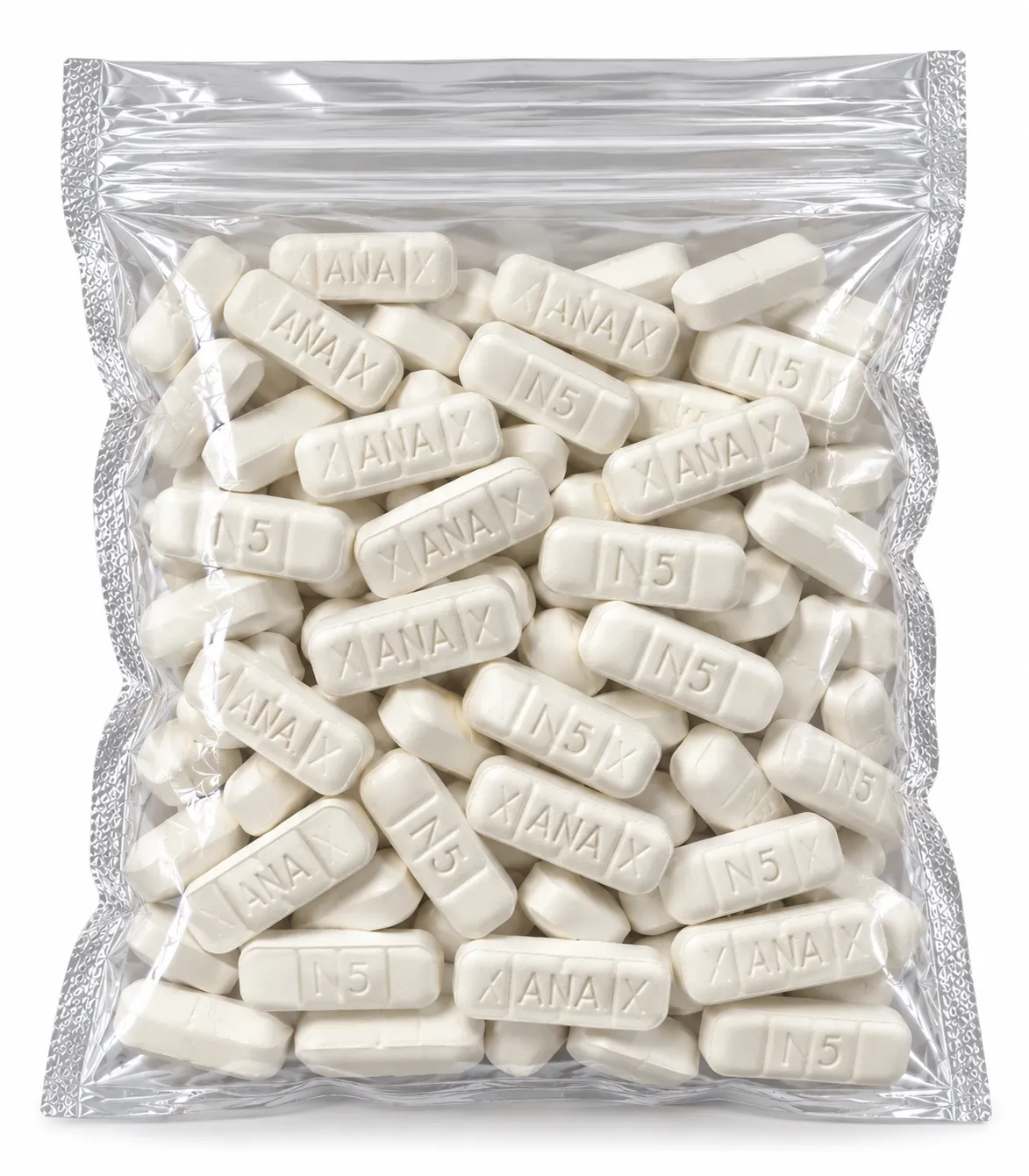
| Immediate-Release Tablets (Xanax) | 0.25 mg (white), 0.5 mg (orange), 1 mg (blue), 2 mg (white multi-scored rectangular bar) | Tmax: 1–2 hours. Rapid peak for acute panic attacks; requires multi-dose daily scheduling (TID/QID). |
| Extended-Release Tablets (Xanax XR) | 0.5 mg, 1 mg, 2 mg, 3 mg (round or triangular compressed matrix) | Tmax: 5–11 hours. Provides smooth, once-daily plasma concentrations to minimize interdose rebound. Must not be crushed or chewed. |
| Orally Disintegrating Tablets (Niravam) | 0.25 mg, 0.5 mg, 1 mg, 2 mg | Rapidly dissolves on the tongue without water; identical bioavailability to immediate-release oral tablets. |
| Oral Solution (Concentrate) | 1 mg / 1 mL oral solution (Intensol) | For patients with severe dysphagia or those undergoing precise micro-tapering regimens. |
PRESCRIPTION REQUIRED (Rx)
Verified Alprazolam Formulations Dispensed by Licensed US Pharmacies
Patients holding a verified clinical prescription can view authentic manufacturer specifications, packaging markers, and dispensing safety protocols for authorized oral formulations:
06. Dosage and administration principles
Clinical Prescribing Mandate: Dosing must always be determined by a licensed medical provider and carefully titrated based on patient clinical response, age, and hepatic metabolic capacity. Never escalate your dose independently.
- Generalized Anxiety Disorder: Starting dose is typically 0.25 mg to 0.5 mg administered 3 times daily. The total daily dose may be slowly titrated upward by 0.5 mg every 3 to 4 days up to a maximum recommended daily dose of 4 mg.
- Panic Disorder: Initiated at 0.5 mg 3 times daily. Because panic disorder frequently requires higher therapeutic levels, gradual titration may reach target ranges of 3 mg to 6 mg daily. Doses above 10 mg/day are rarely justified and carry high toxicity.
- Geriatric & Hepatic Impairment: Recommended starting dose is 0.25 mg taken 2 or 3 times daily. Slower clearance increases drug accumulation and severe fall risks.
- Discontinuation / Tapering Protocol: When discontinuing alprazolam, doses must be decreased by no more than 0.5 mg every 3 days. Many patients require substantially slower hyperbolic micro-tapering over several months to avoid severe withdrawal syndrome.
07. Common side effects
Because alprazolam enhances inhibitory central nervous system neurotransmission, adverse effects frequently involve sedation, coordination deficits, and cognitive slowing:
| PHYSIOLOGICAL SYSTEM | REPORTED ADVERSE REACTIONS | CLINICAL MANAGEMENT |
|---|---|---|
| Central Nervous System | Sedation, somnolence, lightheadedness, daytime lethargy | Avoid operating motor vehicles; report persistent daytime impairment to prescriber. |
| Cognitive / Neurological | Memory impairment, anterograde amnesia, dysarthria (slurred speech), confusion | Dose reduction often relieves cognitive blunting; do not make major legal/financial decisions. |
| Musculoskeletal | Ataxia, motor incoordination, gait instability, muscle weakness | High fall risk, especially in older adults; eliminate household tripping hazards. |
| Psychiatric Paradoxical Effects | Agitation, irritability, rage reactions, disinhibition, vivid dreams | Immediate medical consultation; paradoxically occurs in a small subset of vulnerable patients. |
08. FDA boxed warnings and serious reactions
FDA BOXED WARNING: ADDICTION, ABUSE, DEPENDENCE & CONCOMITANT OPIOID USE
The U.S. Food and Drug Administration (FDA) mandates black box warnings—the most serious regulatory safety warning—on all benzodiazepines, including alprazolam:
- Life-Threatening Respiratory Depression with Opioids: Concomitant use of benzodiazepines and opioids (e.g., oxycodone, hydrocodone, fentanyl, buprenorphine, methadone) can cause profound sedation, respiratory depression, coma, and fatal overdose. Prescribing both together should only occur when non-opioid options are inadequate.
- Abuse, Misuse & Addiction: Alprazolam carries substantial potential for recreational misuse and addiction, which can lead to overdose or death. Patients with a personal or family history of substance use disorder face heightened risk.
- Physical Dependence & Severe Withdrawal: Daily administration for as little as several weeks can establish physical dependence. Abrupt cessation or rapid dose reductions can precipitate seizures, delirium tremens, psychosis, autonomic rebound, and death.
Recognizing Acute Alprazolam Overdose
An alprazolam overdose is a medical emergency requiring immediate 911 activation. Watch for the clinical triad of severe benzodiazepine toxicity:
- Severe, unarousable stupor or coma
- Marked respiratory depression (slow, shallow, or gasping breathing)
- Profound muscle flaccidity, severe hypotension, and cyanosis (blue lips/fingernails)
09. Precautions and contraindications
Alprazolam is strictly contraindicated or requires extreme caution in patients presenting with:
- Known hypersensitivity to alprazolam or other benzodiazepines
- Concomitant administration of strong CYP3A4 inhibitors (specifically ketoconazole and itraconazole)
- Acute narrow-angle glaucoma (can increase intraocular pressure)
- Severe respiratory insufficiency, COPD exacerbation, or advanced sleep apnea
- Severe hepatic impairment (increased risk of hepatic encephalopathy)
- Myasthenia gravis (pre-existing neuromuscular vulnerability)
10. Critical drug and substance interactions
Alprazolam is extensively cleared via cytochrome P450 3A4 (CYP3A4). Co-administration with CYP3A4 inhibitors causes dramatic increases in alprazolam serum concentrations, while inducers drastically reduce therapeutic efficacy:

| INTERACTING SUBSTANCE | SEVERITY & PHARMACOLOGICAL MECHANISM | CLINICAL ACTION MANDATE |
|---|---|---|
| Opioids (Oxycodone, Morphine, Fentanyl) | Fatal Synergy: Compounded depression of brainstem respiratory drive leading to fatal apnea. | Avoid combination whenever clinically possible; co-prescribe naloxone nasal spray if co-prescribed. |
| Alcohol (Ethanol) | Severe Synergistic Toxicity: Potentiates GABA receptor inhibition, causing profound memory blackouts and coma. | Strictly contraindicated. Zero alcohol consumption during alprazolam therapy. |
| Strong CYP3A4 Inhibitors (Ketoconazole, Itraconazole) | Contraindicated: Inhibits alprazolam clearance, increasing plasma AUC by up to 400%. | Do not use together. Select alternative antifungal or alternate benzodiazepine. |
| Moderate CYP3A4 Inhibitors (Clarithromycin, Fluoxetine, Fluvoxamine, Cimetidine) | Moderate-High Risk: Decreases clearance, doubling alprazolam elimination half-life and serum levels. | Substantial alprazolam dose reduction (50% or more) and intensive clinical monitoring. |
| CYP3A4 Inducers (Rifampin, Carbamazepine, St. John’s Wort) | Moderate: Accelerates alprazolam breakdown, precipitating loss of panic control or acute withdrawal. | Monitor for loss of efficacy or acute withdrawal symptoms; dose adjustment may be required. |
11. Special populations & Beers criteria
Geriatric Patients (65+ Years)
The American Geriatrics Society Beers Criteria® strongly recommends avoiding alprazolam in older adults. Age-related reductions in hepatic CYP3A4 enzyme activity and decreased serum albumin cause significantly elevated unbound alprazolam concentrations, leading to:
- Severe cognitive blunting, acute delirium, and confusion mimicking dementia
- Motor incoordination, gait instability, and a dramatic increase in catastrophic hip fractures
- Paradoxical agitation, nocturnal wandering, and increased hospitalization rates
Pregnancy and Nursing Mothers
Alprazolam crosses the human placenta and concentrates in fetal tissue. Chronic maternal use during pregnancy can produce neonatal flaccidity (“floppy infant syndrome”) and neonatal withdrawal syndrome requiring neonatal intensive care. Alprazolam is excreted into breast milk and may cause lethargy and weight loss in nursing infants; breastfeeding is not recommended during therapy.
12. Patient safety checklist
Before beginning or continuing treatment with alprazolam, review this safety checklist with your pharmacist or physician:
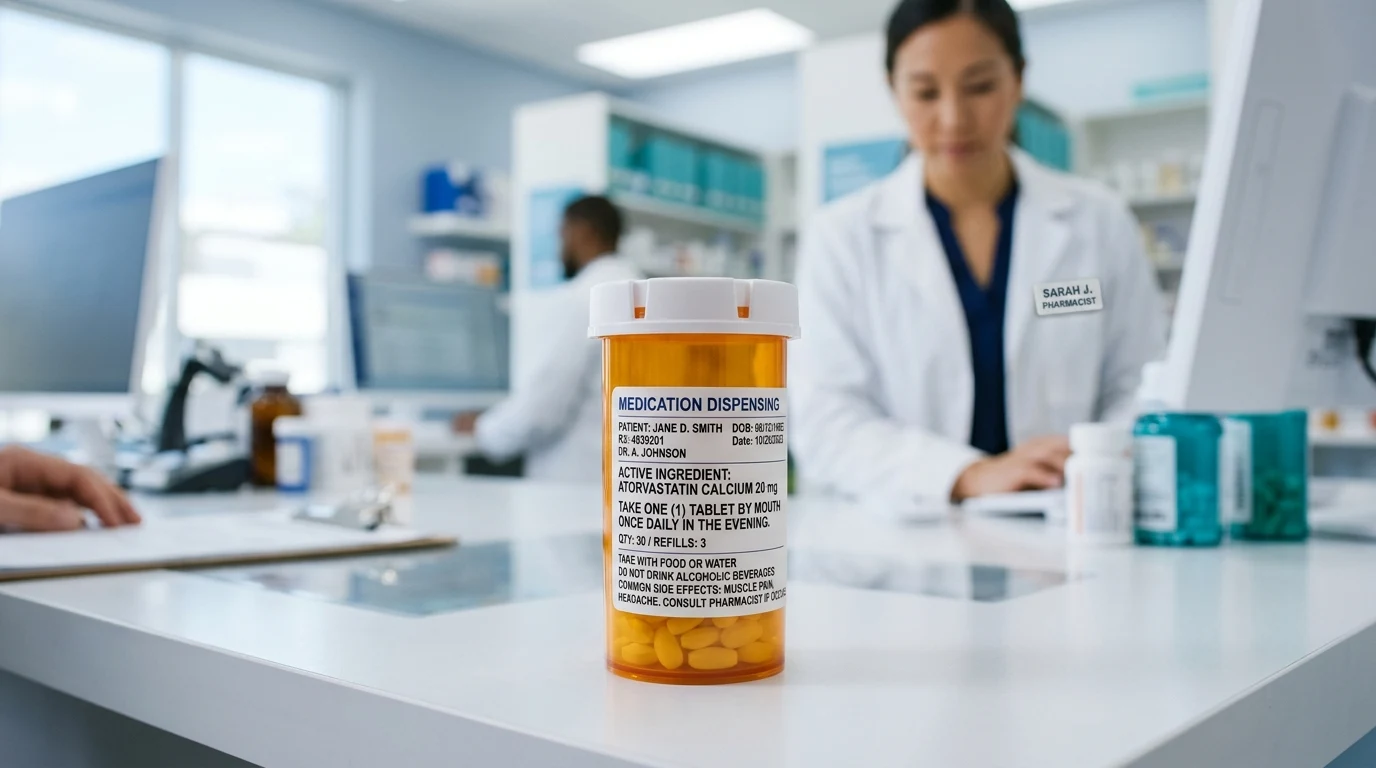
- Strength Verification: Did you confirm the exact milligram strength (0.25 mg, 0.5 mg, 1 mg, or 2 mg) with your pharmacist before taking the first dose?
- Abrupt Cessation Warning: Do you recognize that stopping alprazolam suddenly after regular use can trigger dangerous rebound panic, tremors, and seizures?
- Complete Alcohol Elimination: Have you completely eliminated alcohol consumption while taking this medication?
- Medication Reconciliation: Have you informed your doctor and pharmacist of ALL current prescription drugs, OTC supplements, and herbal products?
- Driving Safety: Are you refraining from driving or operating machinery until you know how this medication affects your reflexes and alertness?
13. Storage and safe disposal
Proper storage and disposal protocols are essential for DEA Schedule IV controlled substances to protect your family and community:
- Controlled Room Temperature: Store at 20°C to 25°C (68°F to 77°F) away from moisture, steam, and direct sunlight. Avoid bathroom medicine cabinets.
- Secure Locked Storage: Keep in a dedicated medication lockbox. Benzodiazepines are frequent targets for diversion and unintentional pediatric poisoning.
- Authorized DEA Drop Boxes: Return expired or unused alprazolam to community DEA National Take-Back drop boxes or authorized pharmacy disposal bins.
14. Frequently asked questions
How fast does alprazolam begin working?
Immediate-release alprazolam is rapidly absorbed, typically providing measurable anxiety reduction and physical calming within 20 to 45 minutes of oral administration.
How long does a single dose of alprazolam last?
While clinical relief from acute panic usually lasts 4 to 6 hours for immediate-release tablets, the active drug remains in your bloodstream for approximately 11 to 20 hours.
What is the difference between Xanax (immediate-release) and Xanax XR?
Immediate-release Xanax peaks quickly (1–2 hours) and requires dosing 3 to 4 times daily, whereas Xanax XR uses a sustained-release matrix that releases medication evenly over 24 hours, requiring only once-daily dosing.
Why is alprazolam considered more habit-forming than diazepam?
Alprazolam has higher receptor binding potency, a faster onset of action, and a shorter half-life. Rapid drops in blood levels between doses can create interdose rebound anxiety and physiological cravings, fostering dependence more swiftly than longer-acting benzodiazepines.
15. References and verification sources
- U.S. Food and Drug Administration (FDA). Xanax (alprazolam) Tablets Prescribing Information. Reference ID: 4867124.
- National Library of Medicine. DailyMed. Alprazolam Tablet Monograph. Bethesda, MD.
- American Geriatrics Society 2023 Updated Beers Criteria® for Potentially Inappropriate Medication Use in Older Adults. J Am Geriatr Soc. 2023;71(7):2052-2081.
- National Center for Biotechnology Information. StatPearls [Internet]. Alprazolam Pharmacology & Toxicity. StatPearls Publishing.
- American Psychiatric Association (APA). Practice Guideline for the Treatment of Patients With Panic Disorder. Am J Psychiatry.
Questions about medication safety?
Speak with a licensed clinical pharmacist or explore our verified educational resources before making any changes to your prescription.
Related Patient Services & Verified Care
Every prescription order is verified by a licensed pharmacist in strict adherence to FDA BeSafeRx protocols.
One thought on “Alprazolam: Patient Information, Safety Warnings and Drug Interactions”