

Diazepam: Patient Information, Safety Warnings & Drug Interactions
A patient-focused, clinically verified guide to diazepam indications, pharmacological mechanisms, serious warnings, drug interactions, and safe administration principles.
MEDICATION GUIDE
CLINICAL SUMMARY
Diazepam (brand name Valium®) is a long-acting prescription benzodiazepine approved by the U.S. FDA for generalized anxiety disorders, acute alcohol withdrawal agitation, skeletal muscle spasms, and adjunctive seizure management. It acts by positively modulating inhibitory GABA-A receptors throughout the central nervous system. Key safety topics include cumulative daytime sedation due to active metabolites (nordiazepam half-life up to 100 hours), life-threatening synergy with opioids, physical dependence, and strict avoidance of abrupt discontinuation.
01. Quick medicine facts
A concise, source-verified clinical summary table based on official FDA Prescribing Information and National Library of Medicine documentation:
| INFORMATION | CLINICAL DETAILS |
|---|---|
| Generic Name | Diazepam |
| Brand Names (US) | Valium®, Diastat® AcuDial™, Diazepam Intensol® |
| Active Compound | 7-chloro-1,3-dihydro-1-methyl-5-phenyl-2H-1,4-benzodiazepin-2-one |
| Pharmacological Class | Long-Acting Benzodiazepine (GABA-A Positive Allosteric Modulator) |
| Prescription Schedule | Prescription Only (Rx); DEA Controlled Substance (Schedule IV) |
| Elimination Half-Life | Parent drug: 20–50 hours; Active metabolite (nordiazepam): 36–100 hours |
| FDA Boxed Warning | Risks from concomitant use with opioids; risks of abuse, misuse, addiction; risks of physical dependence & withdrawal |
02. What is diazepam?
Diazepam is a core medicinal compound in the classical 1,4-benzodiazepine pharmaceutical family. Discovered by Leo Sternbach in 1959 and introduced into clinical practice in 1963, diazepam remains one of the most widely referenced central nervous system depressants in medical literature.
Unlike short-acting benzodiazepines (such as triazolam or midazolam) or intermediate agents (such as alprazolam or lorazepam), diazepam is pharmacokinetically categorized as a long-acting benzodiazepine. Because of its lipophilic chemical structure, it rapidly permeates biological membranes, including the blood-brain barrier. Oral ingestion typically produces detectable clinical sedation and anxiolysis within 15 to 45 minutes.
However, after rapid central distribution, diazepam redistributes extensively into peripheral adipose tissues before undergoing hepatic conversion into active metabolites with extraordinarily long clearance windows. This unique dual-phase kinetic profile provides prolonged muscle relaxation and anticonvulsant protection, but necessitates vigilance against drug accumulation during sustained therapy.
03. Uses and approved indications
The U.S. Food and Drug Administration (FDA) has evaluated and approved diazepam for specific clinical indications where benefits outweigh known pharmacological risks. Below is the verified breakdown of approved and off-label clinical uses:
| INDICATION TYPE | CLINICAL SCENARIO & MECHANISTIC RATIONALE |
|---|---|
| Generalized Anxiety Disorders | FDA-approved for short-term symptomatic management of acute anxiety states and autonomic hyperarousal. Not intended for mild everyday stress. |
| Acute Alcohol Withdrawal | FDA-approved for acute symptomatic relief of agitation, tremors, impending delirium tremens, and hallucinosis via cross-tolerance at GABA-A receptors. |
| Skeletal Muscle Spasms | FDA-approved as adjunctive therapy for reflex muscle spasm caused by local pathology (inflammation, trauma) or upper motor neuron spasticity (cerebral palsy, paraplegia). |
| Convulsive / Seizure Disorders | FDA-approved as adjunctive therapy in severe recurrent convulsive seizures (status epilepticus via IV formulation; cluster seizures via rectal gel). |
| Pre-Procedural Sedation | FDA-approved for pre-operative anxiolysis, procedural sedation, and anterograde amnesia prior to endoscopic or surgical interventions. |
| Off-Label Clinical Uses | Vertigo-associated vestibular suppression (acute Meniere’s disease exacerbations) and acute panic attacks when immediate rapid relief is required. |
04. How does diazepam work?
Patient-Centered Explanation
Your central nervous system maintains an intricate balance between excitatory “accelerator” signals and calming “braking” signals. The primary natural brake chemical in human brain tissue is GABA (gamma-aminobutyric acid). During panic states, acute muscle spasms, or seizure bursts, nerve signals fire uncontrollably. Diazepam acts as a natural brake amplifier—it binds to specific receptor docking bays and allows GABA to suppress overactive nerve signals with far greater strength and efficiency.
Advanced Neuropharmacology & Biotransformation
At the molecular level, diazepam functions as a positive allosteric modulator (PAM) at pentameric GABA-A receptor complexes:
- Receptor Binding Pocket: Diazepam binds stereospecifically at the interface between the alpha (α1, α2, α3, or α5) and gamma-2 (γ2) subunits.
- Chloride Ion Hyperpolarization: Allosteric modulation increases the frequency of chloride channel opening events in response to GABA binding. Influx of negative chloride ions (Cl⁻) hyperpolarizes the neuronal membrane potential, suppressing postsynaptic action potential bursts.
- Active Metabolite Accumulation: Hepatic biotransformation via CYP2C19 and CYP3A4 yields nordiazepam (desmethyldiazepam), which possesses an active elimination half-life of 36 to 100 hours. Subsequent hydroxylation generates temazepam and oxazepam before glucuronide conjugation and renal excretion.
05. Available forms and strengths
Diazepam is manufactured in multiple delivery systems for outpatient maintenance and acute emergency interventions:
| FORMULATION | AVAILABLE STRENGTHS | CLINICAL ROLE & HANDLING |
|---|---|---|
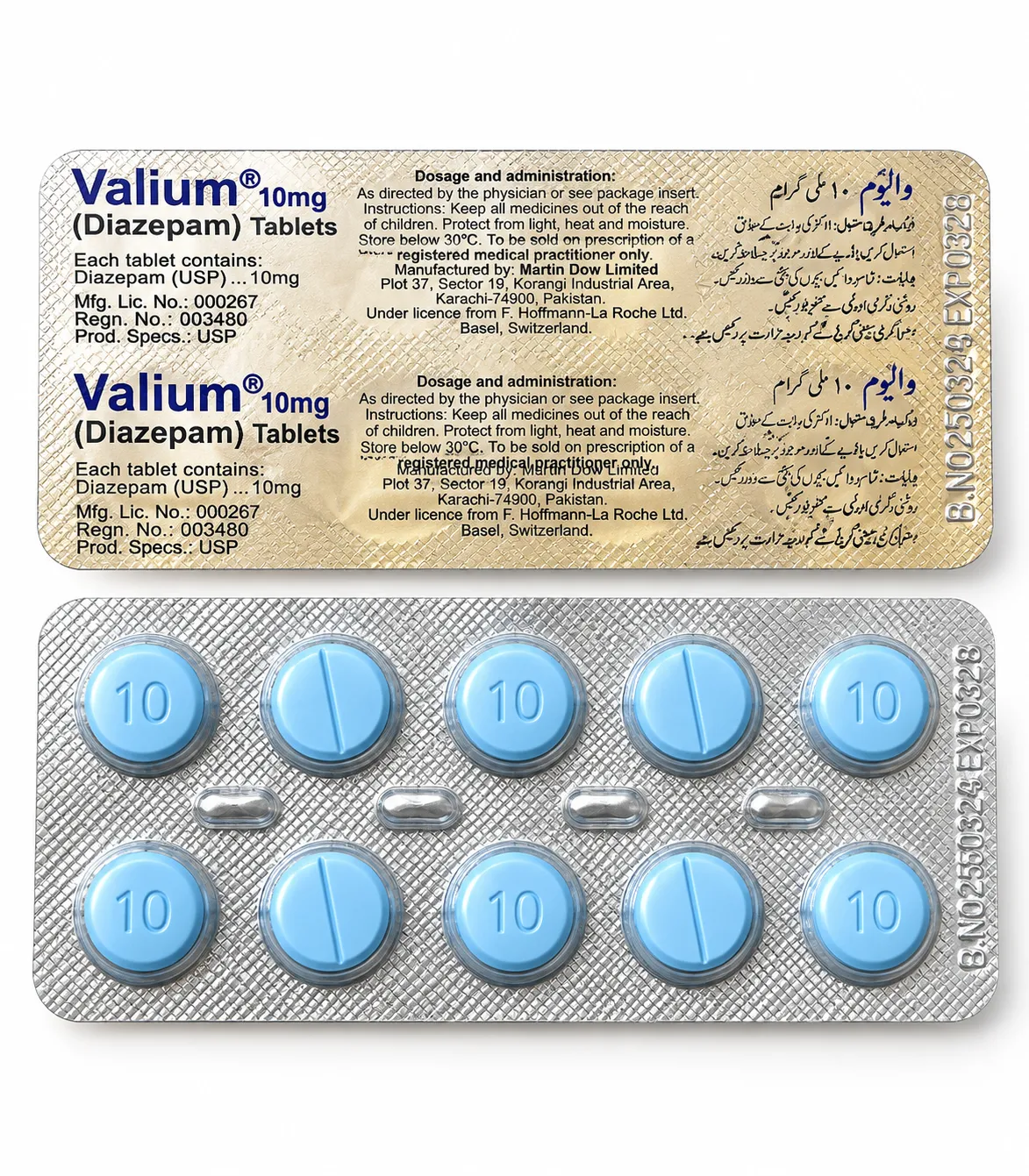
| Oral Compressed Tablets | 2 mg (white), 5 mg (yellow), 10 mg (blue scored) | Standard outpatient oral therapy; scored for accurate half-dose titration. |
| Oral Liquid Solutions | 5 mg / 5 mL oral solution; 5 mg / 1 mL Intensol concentrate | For patients with dysphagia or those requiring precise micro-tapering regimens. |
| Rectal Gel System | Diastat® AcuDial™ (2.5 mg, 10 mg, 20 mg unit dispensers) | Emergency community rescue therapy for acute repetitive cluster seizures. |
| Injectable Solution | 5 mg / mL (IM or IV ampules and vials) | Hospital status epilepticus stabilization and pre-operative anesthesia induction. |
PRESCRIPTION REQUIRED (Rx)
Verified Diazepam Formulations Dispensed by Licensed US Pharmacies
Patients holding a verified clinical prescription can view authentic manufacturer specifications, packaging markers, and dispensing safety protocols for authorized oral formulations:
06. Dosage and administration principles
Clinical Prescribing Mandate: Dosing of diazepam must always be individualized by a licensed physician according to patient age, symptom severity, body mass, hepatic clearance, and co-prescribed therapies. Never adjust your dose without explicit medical guidance.
- Adult Oral Dosage: Typical initial adult oral regimens range from 2 mg to 10 mg taken 2 to 4 times daily, tailored to clinical indication.
- Geriatric & Debilitated Patients: Recommended starting dose is 2 mg to 2.5 mg once or twice daily. Slower hepatic clearance requires conservative dosing to prevent excessive daytime sedation and ataxia.
- Administration Timing: May be taken with or without food. Taking with meals or a glass of water can reduce gastrointestinal upset.
- Missed Dose Guidance: If you miss a dose, take it as soon as you remember. If it is almost time for your next scheduled dose, skip the missed dose and resume your regular schedule. Never take a double dose to make up for a missed one.
07. Common side effects
Because diazepam depresses central nervous activity, physiological slowing occurs across sensory, motor, and cognitive domains:
| BODY SYSTEM | COMMON ADVERSE EFFECTS | MANAGEMENT STRATEGY |
|---|---|---|
| Central Nervous System | Drowsiness, fatigue, lightheadedness, daytime sedation | Avoid driving; discuss shifting doses toward bedtime with your doctor. |
| Musculoskeletal | Muscle weakness, ataxia (unsteady gait), loss of coordination | Rise slowly from seated positions; clear trip hazards in living spaces. |
| Cognitive / Psychiatric | Anterograde amnesia, confusion, slowed reaction time | Do not make complex legal or financial decisions while adjusting doses. |
| Gastrointestinal | Nausea, dry mouth, constipation | Maintain adequate hydration and take medication with food. |
08. FDA boxed warnings and serious reactions
FDA BOXED WARNING: ADDICTION, ABUSE, DEPENDENCE & CONCOMITANT OPIOID USE
The U.S. Food and Drug Administration (FDA) requires black box warnings—the highest level of medication safety alert—on all benzodiazepine medications, highlighting three severe, life-threatening risks:
- Synergistic CNS & Respiratory Depression: Concomitant use of benzodiazepines and opioids may result in profound sedation, respiratory depression, coma, and death. Reserve concomitant prescribing for patients with inadequate alternative treatment options.
- Abuse, Misuse & Addiction: The use of benzodiazepines exposes users to risks of abuse and addiction, which can lead to overdose or death, especially when taken with alcohol or illicit substances.
- Physical Dependence & Severe Withdrawal: Continuous use may lead to clinically significant physical dependence. Abrupt cessation or rapid dose reduction can precipitate life-threatening withdrawal symptoms, including status epilepticus, delirium tremens, and autonomic instability.
Recognizing Acute Benzodiazepine Overdose
Emergency medical evaluation (calling 911 immediately) is required if any of the following overdose signs appear:
- Severe somnolence or unresponsiveness (inability to wake the patient)
- Extremely shallow, slow, or irregular breathing (respiratory rate under 10 breaths/minute)
- Cyanosis (bluish tint around lips, fingernails, or skin)
- Profound muscular flaccidity and loss of deep tendon reflexes
09. Precautions and contraindications
Diazepam is strictly contraindicated in patients with:
- Known hypersensitivity to diazepam or other benzodiazepines
- Severe respiratory insufficiency or acute respiratory depression
- Myasthenia gravis (due to pre-existing neuromuscular weakness)
- Severe hepatic impairment (risk of hepatic encephalopathy)
- Acute narrow-angle glaucoma
- Sleep apnea syndrome
10. Critical drug and substance interactions
Diazepam undergoes extensive hepatic biotransformation via cytochrome P450 enzymes (predominantly CYP2C19 and CYP3A4). Concomitant administration of inhibitors, inducers, or additional CNS depressants profoundly alters serum concentrations:

| INTERACTING SUBSTANCE | CLINICAL EFFECT & SEVERITY | SAFETY RECOMMENDATION |
|---|---|---|
| Opioids (Oxycodone, Morphine, Fentanyl) | Fatal Risk: Compounded respiratory drive suppression leading to hypoxia, coma, and arrest. | Avoid co-prescribing unless alternative pain/sedation therapies are completely exhausted. Co-prescribe naloxone. |
| Alcohol (Ethanol) | Severe Risk: Additive CNS depression, profound memory blackout, and unexpected motor impairment. | Strictly contraindicated. Zero alcohol consumption during diazepam therapy. |
| CYP3A4 Inhibitors (Ketoconazole, Clarithromycin) | Moderate-High: Significantly increases plasma diazepam concentration and prolongs sedation. | Dose reduction of diazepam required; monitor closely for excessive sedation. |
| CYP3A4 Inducers (Rifampin, St. John’s Wort) | Moderate: Accelerates diazepam clearance, substantially reducing therapeutic efficacy. | Monitor for loss of seizure control or breakthrough anxiety symptoms. |
11. Special populations & Beers criteria
Geriatric Patients (65+ Years)
The American Geriatrics Society (AGS) Beers Criteria® strongly recommends avoiding benzodiazepines in older adults. Diazepam’s long elimination half-life and active metabolites lead to progressive drug accumulation, dramatically escalating the risk of:
- Severe cognitive impairment, delirium, and pseudo-dementia
- Gait ataxia, motor imbalance, falls, and hip fractures
- Motor vehicle accidents resulting from residual morning sedation
When benzodiazepine therapy cannot be avoided in an elderly patient, shorter-acting agents without active oxidative metabolites (such as LOT agents: Lorazepam, Oxazepam, Temazepam) are clinically preferred over diazepam.
Pregnancy and Lactation
Diazepam crosses the placenta and concentrates in fetal circulation. Chronic maternal use during pregnancy can cause neonatal withdrawal syndrome (tremors, irritability, hypertonicity) and “floppy infant syndrome” (hypothermia, hypotonia, respiratory depression). Diazepam is excreted into breast milk; breastfeeding while taking diazepam is generally not recommended.
12. Patient safety checklist
Before taking diazepam, ensure that you and your healthcare team have reviewed this essential safety checklist:
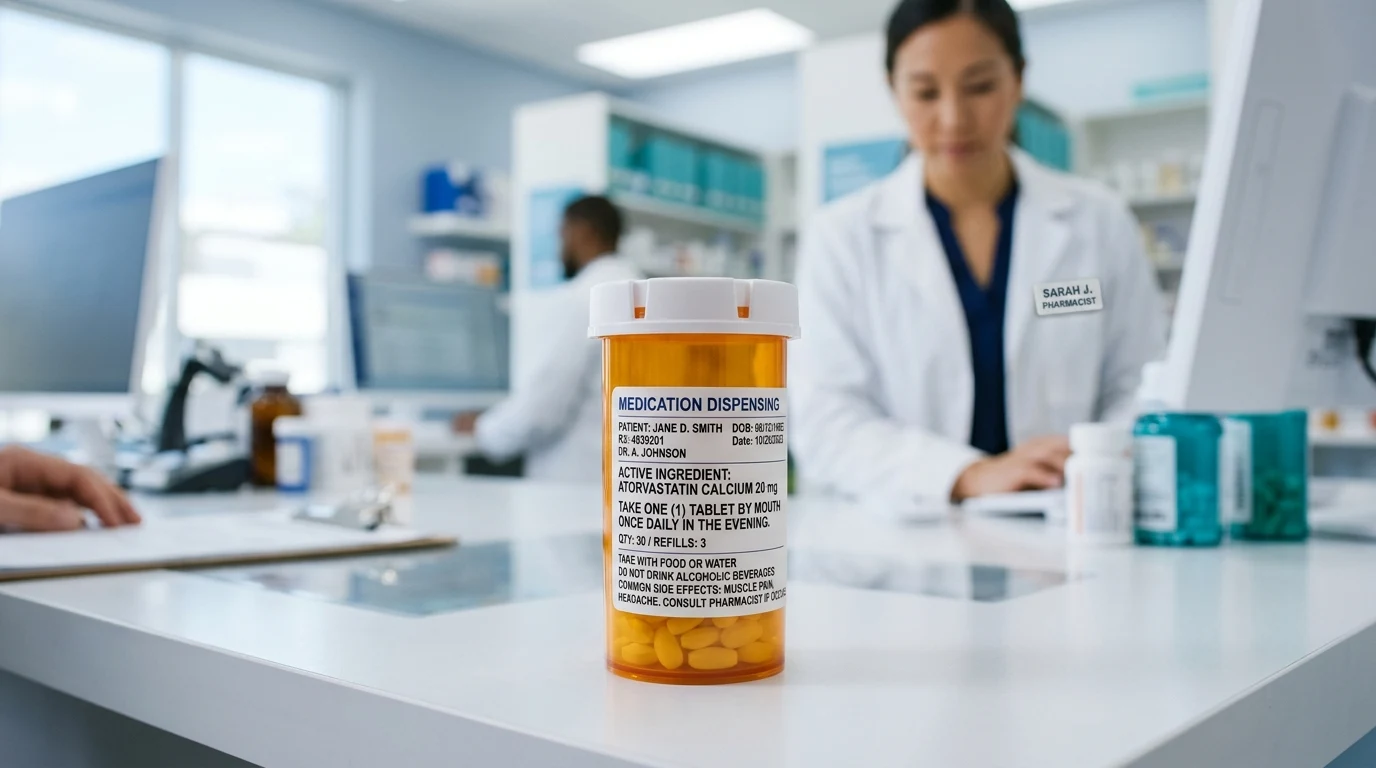
- Prescription Verification: Did you verify the exact milligram strength (2 mg, 5 mg, or 10 mg) with your pharmacist?
- Substance Awareness: Have you completely eliminated alcohol and discussed all other sedatives or sleep aids with your prescriber?
- Tapering Strategy: Do you understand that this medication must never be stopped abruptly, and that your doctor will design a tapering schedule when discontinuing?
- Activity Safety: Are you avoiding driving, heavy machinery operation, or complex tasks until you know how this medication affects your reflexes?
- Emergency Contact: Does a family member or caregiver know where your medication is kept and recognize the signs of excessive sedation or breathing difficulties?
13. Storage and safe disposal
Proper medication storage protects family members and prevents unintentional toxicity or diversion:
- Controlled Room Temperature: Store between 20°C and 25°C (68°F–77°F). Avoid humid bathroom cabinets, direct sunlight, and hot vehicles.
- Secure Lockbox: As a DEA Schedule IV controlled substance, store diazepam in a secure, locked lockbox out of reach of children, visitors, and pets.
- DEA Take-Back Disposal: Safely dispose of leftover or expired medication at authorized DEA National Prescription Drug Take-Back drop boxes or local hospital pharmacy disposal kiosks.
14. Frequently asked questions
How long does it take for diazepam to kick in?
Oral diazepam tablets are rapidly absorbed, typically producing noticeable calm, sedation, and muscle relaxation within 15 to 45 minutes of oral ingestion.
How long does diazepam remain active in your body?
While the parent drug has an elimination half-life of 20 to 50 hours, its primary active metabolite (nordiazepam) has a half-life of 36 to 100 hours. Full elimination from tissue stores can take 7 to 10 days.
Is diazepam the same medication as Xanax (alprazolam)?
Both belong to the benzodiazepine class, but alprazolam is a short-to-intermediate acting agent primarily prescribed for acute panic attacks. Diazepam is long-acting with active metabolites, providing prolonged muscle relaxation, anticonvulsant activity, and sustained anxiolysis.
Can I stop taking diazepam once I feel better?
No. Abruptly stopping diazepam after regular use can trigger acute withdrawal syndrome, rebound anxiety, insomnia, tremors, and potentially life-threatening seizures. Always follow a physician-supervised tapering plan.
15. References and verification sources
- U.S. Food and Drug Administration (FDA). Valium (diazepam) Oral Tablets Prescribing Information. Reference ID: 3871239.
- National Library of Medicine. DailyMed. Diazepam Tablet Monograph. Bethesda, MD.
- American Geriatrics Society 2023 Updated Beers Criteria® for Potentially Inappropriate Medication Use in Older Adults. J Am Geriatr Soc. 2023;71(7):2052-2081.
- National Center for Biotechnology Information. StatPearls [Internet]. Diazepam Clinical Pharmacology & Toxicity. StatPearls Publishing.
- MedlinePlus. Diazepam Patient Medication Information. U.S. National Library of Medicine.
Questions about medication safety?
Speak with a licensed clinical pharmacist or explore our verified educational resources before making any changes to your prescription.
Related Patient Services & Verified Care
Every prescription order is verified by a licensed pharmacist in strict adherence to FDA BeSafeRx protocols.